








For decades, the global health narrative has been clear: refined sugar is a primary driver of metabolic disease, obesity, and diabetes. In response, the food industry has pivoted aggressively toward sugar substitutes—sweeteners like aspartame, sucralose, and sugar alcohols—to offer consumers a "guilt-free" path to sweetness. However, a groundbreaking study recently published in the journal Science Signaling is challenging the long-held assumption that these alternatives are biologically inert. The research, led by scientists at Washington University in St. Louis, suggests that sorbitol, a widely used sugar alcohol, may carry metabolic risks that mirror those of the very substances it was designed to replace.
The Metabolic Hidden Link: Sorbitol and Fructose
The core of the issue lies in the metabolic pathway of sorbitol. Often found in "low-calorie" candies, gums, and various processed foods, sorbitol is a polyol—a sugar alcohol that provides sweetness with fewer calories than glucose or sucrose. For years, the prevailing scientific and consumer consensus was that these compounds were largely non-metabolizable, passing through the digestive tract without significant systemic absorption.
Gary Patti, the Michael and Tana Powell Professor of Chemistry, Genetics, and Medicine at WashU Medicine, and his team have dismantled this assumption. Building on previous work that linked fructose metabolism to liver damage and the promotion of cancer cell growth, the team identified that sorbitol is, in biochemical terms, "one transformation away from fructose."
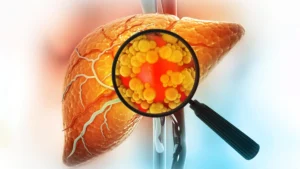
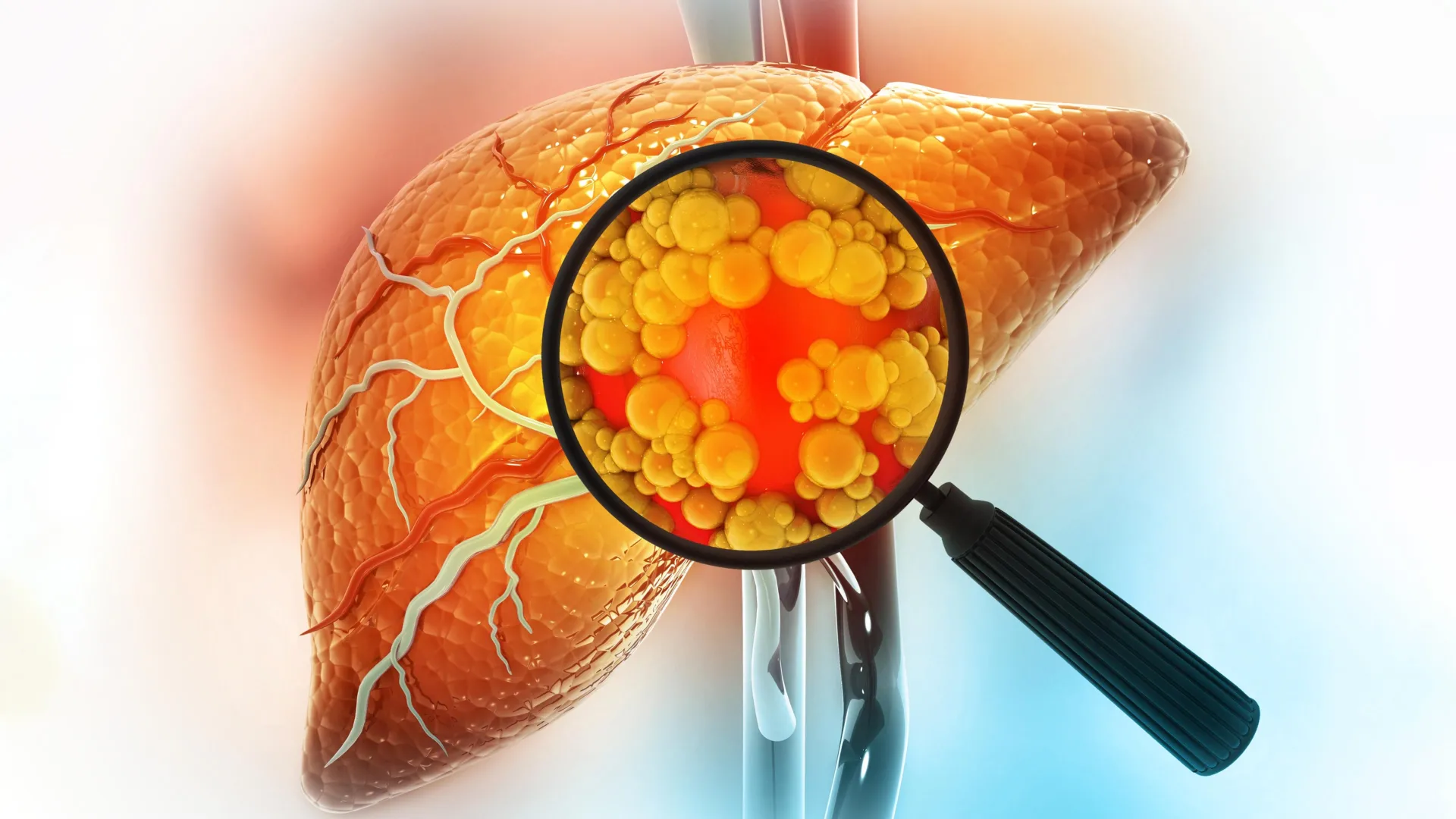
When the body processes sorbitol, it can be converted into a fructose derivative. This is particularly concerning because of fructose’s well-documented role in steatotic liver disease—a condition characterized by excess fat accumulation in the liver, which currently affects approximately 30% of the global adult population. The implication is profound: by consuming products intended to bypass the metabolic pitfalls of sugar, individuals may inadvertently be triggering pathways that lead to the same health outcomes.
A Chronology of Discovery: From Diabetes to Daily Consumption
Historically, the scientific understanding of sorbitol was tethered exclusively to diabetes research. It was known that under conditions of hyperglycemia (high blood sugar), the body’s enzymatic processes could convert excess glucose into sorbitol. Because the enzyme responsible for this conversion—aldose reductase—has a relatively low affinity for glucose, it was assumed that significant sorbitol production only occurred when blood sugar levels were dangerously high.
The Zebrafish Breakthrough
Patti’s team utilized zebrafish models to trace the journey of sorbitol through the body, revealing that the "diabetes-only" model of sorbitol production is incomplete. Their experiments demonstrated that even in healthy subjects, the concentration of glucose in the gut after a meal can spike sufficiently to trigger the endogenous production of sorbitol.
- Intestinal Production: Enzymes within the gut lining can manufacture sorbitol directly from dietary glucose.
- Microbial Mediation: The researchers discovered that the gut microbiome plays a critical role in determining whether this internally produced sorbitol remains a localized intestinal issue or becomes a systemic metabolic burden.
- The Liver Gateway: If not processed by specific bacteria, the sorbitol enters the bloodstream and eventually reaches the liver, where the conversion to fructose-related compounds occurs.
Supporting Data: The Role of the Gut Microbiome
The most promising—and precarious—finding in the study is the role of the gut microbiome as a "protective filter." The research identified that specific strains of Aeromonas bacteria possess the capability to degrade sorbitol, converting it into harmless byproducts before it can be absorbed into the portal circulation.
The "Overload" Phenomenon
The protective capacity of the microbiome is not infinite. The researchers found that two factors can overwhelm this microbial defense:
- High Glucose Intake: A diet high in refined carbohydrates leads to higher intestinal glucose levels, which triggers the body to produce more sorbitol, effectively outstripping the bacteria’s ability to keep pace.
- High Sorbitol Intake: Direct consumption of sugar alcohols, often found in high concentrations in processed protein bars and "sugar-free" snacks, creates a "total load" that the gut bacteria cannot degrade.
Patti himself encountered the ubiquity of this issue while analyzing his own diet. Upon realizing his favorite protein bar contained a substantial dose of sorbitol, he highlighted the difficulty modern consumers face in navigating nutrition labels. "We do absolutely see that sorbitol given to animals ends up in tissues all over the body," Patti noted. This evidence proves that sorbitol does not simply remain in the digestive tract as previously assumed.
Official Responses and Scientific Perspective
The scientific community has reacted to these findings with a mix of caution and calls for further study. While the study does not suggest that eating a piece of stone fruit—which contains natural sorbitol—is as harmful as consuming high-fructose corn syrup, it does emphasize that the "dosage makes the poison."
Public health advocates are now calling for a re-evaluation of how sugar alcohols are categorized on nutrition labels. Currently, these substances are often grouped under "carbohydrates" or listed as "sugar-free," a label that provides a sense of security that may be scientifically unfounded. The National Institutes of Health (NIH), which supported this research, recognizes the urgency of determining the exact mechanisms by which gut bacteria break down these sweeteners. Until those mechanisms are fully mapped, the official stance remains that consumers should be wary of processed foods that lean heavily on sugar alcohols to maintain a "low-sugar" profile.
Implications: The End of the "Free Lunch"
The broader lesson of this research is the dismantling of the "free lunch" myth in nutritional science. For years, the food industry has sold the idea that we can achieve the same sensory experience of sweetness without the metabolic cost. Patti’s research suggests that the human body is far more complex, and its metabolic pathways are far more interconnected than these simplistic marketing narratives suggest.
Navigating the Future
For the average consumer, the implications are significant:
- Prioritize Whole Foods: The gut microbiome is better equipped to handle the moderate, natural levels of sorbitol found in whole fruits, where fiber and other nutrients modulate digestion.
- Scrutinize "Sugar-Free" Labels: Ingredients like sorbitol, maltitol, and xylitol are often hidden in health-focused products. Consumers should be aware that these are not necessarily metabolically neutral.
- The Complexity of Metabolism: We must move away from the binary of "sugar vs. no-sugar." The reality is a multi-pathway system where gut health, dietary intake, and metabolic enzymes interact to determine long-term health outcomes.
As we continue to battle the global rise of metabolic disorders, this study serves as a critical reminder: there is no shortcut to metabolic health. Replacing sugar with an alternative may simply trade one set of physiological challenges for another. The path to long-term health appears to lie not in the search for the perfect substitute, but in the reduction of overall ultra-processed food consumption.
"There is no free lunch," Patti concluded. As the research into the liver-gut-microbiome axis continues to expand, it is becoming increasingly clear that the most effective way to avoid the dangers of fructose-driven liver dysfunction is not to find a chemical replacement, but to return to the fundamental principles of a less-processed, whole-food diet. The era of the "magic" sugar alternative may be coming to a close, replaced by a more nuanced, albeit more challenging, understanding of human biology.