In the contemporary American workforce, a silent, structural shift is occurring. It is not defined by technology or market trends, but by the demographic reality of the "Sandwich Generation." As the population ages, millions of professionals are finding themselves caught in a complex, high-stakes balancing act: managing the demands of their careers while simultaneously providing essential care for both aging parents and their own children.
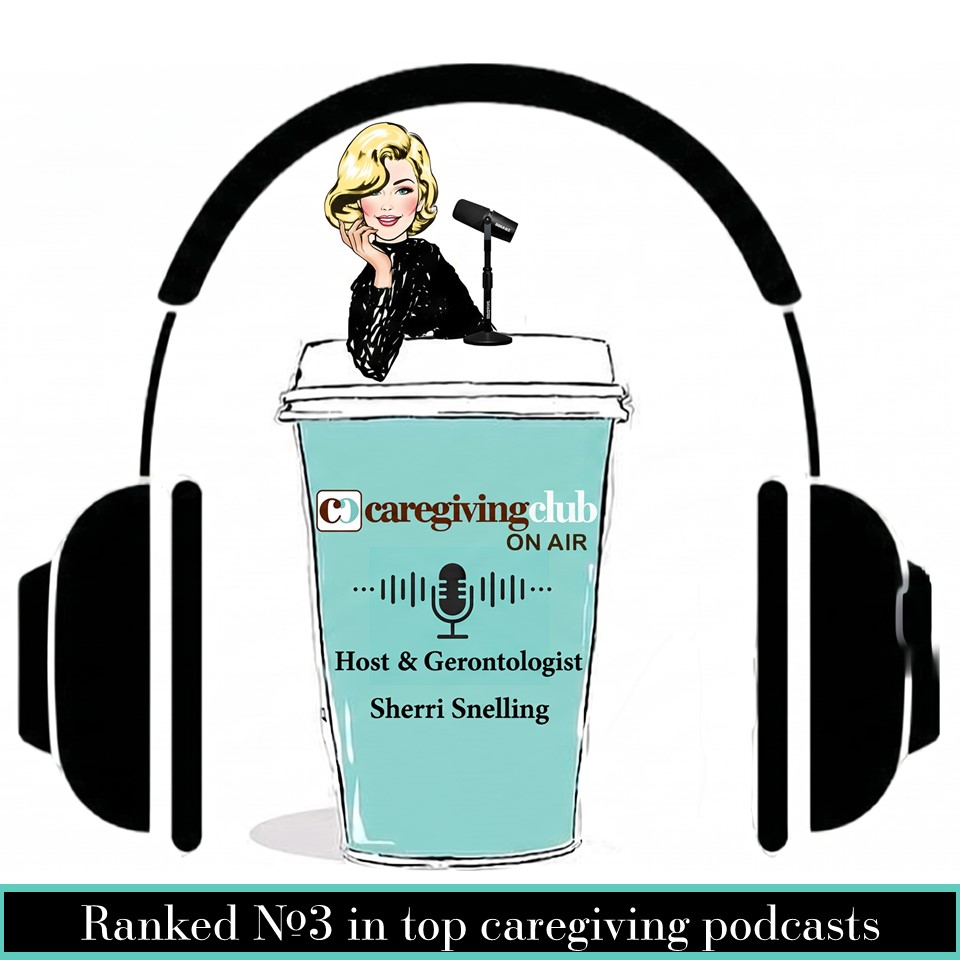
This June, in observance of Employee Wellness Month, the Caregiving Club On Air podcast—hosted by renowned corporate gerontologist and author Sherri Snelling—dedicated its 72nd episode to the critical intersection of professional life and caregiving responsibilities. Featuring guest Melissa Fisher of Kaiser Permanente, the discussion shed light on the lived experiences of employees who navigate the dual worlds of the office and the caregiving front line.
The Magnitude of the Caregiving Crisis
The statistics surrounding caregiving in the United States are staggering. Currently, approximately 63 million Americans—roughly one-fifth of the adult population—provide care for an adult loved one. However, the impact is felt most acutely within the workforce.
Data indicates that seven in ten caregivers are juggling their responsibilities with full-time or part-time employment. When the scope is broadened to include those caring for children as well as aging relatives, the ratio reaches one in three employees. This "sandwich" dynamic, where the middle generation is tasked with the upward care of parents and the downward care of children, has become a defining feature of the modern middle-class experience.

For HR executives and organizational leaders, these numbers are not merely demographic curiosities; they are a direct indicator of potential talent attrition, burnout, and productivity loss. When employees lack the structural support to manage these caregiving duties, the inevitable result is increased absenteeism, reduced mental well-being, and, ultimately, the premature exit of highly skilled workers from the labor market.
A Personal Journey: The Reality of the "Double Shift"
The podcast episode serves as a case study in resilience. Melissa Fisher, a representative from Kaiser Permanente, shared her personal narrative, detailing her journey of caring for her parents and a beloved aunt while simultaneously raising her children and maintaining a demanding professional career.
Fisher’s testimony underscores that for the modern employee, the "workday" often begins long before arriving at the office and continues well into the evening. The "double shift"—working an eight-hour professional day followed by an evening of medical coordination, emotional support, and household management—is the standard for millions.
During the episode, host Sherri Snelling emphasized that the challenges Fisher faces are systemic rather than individual. The conversation highlighted that while many corporations focus on traditional wellness initiatives like gym memberships or nutrition seminars, these programs often fail to address the fundamental stressor: the lack of time and systemic support for caregivers.
Employer Resource Groups: A Catalyst for Cultural Change
One of the most promising developments in corporate support systems is the rise of Employer Resource Groups (ERGs) and Business Resource Groups (BRGs) specifically dedicated to caregiving.
As Snelling notes in her professional research, these groups provide more than just a support network; they offer a platform for advocacy. By institutionalizing caregiving as a topic of workplace discussion, companies can move away from the stigmatization of caregiving as a "distraction" and toward viewing it as a core component of employee wellness and retention.
The Business Case for Support
The shift toward supporting caregivers is not merely an act of corporate benevolence; it is a strategic business necessity. The implications of providing robust caregiving support are clear:
- Talent Retention: Employees who feel supported by their employers during personal crises are significantly more likely to remain with their firms.
- Enhanced Productivity: When the "mental load" of coordinating care is reduced through flexible scheduling or employer-provided resources, employees can return to their professional tasks with greater focus.
- Culture of Empathy: Normalizing the caregiving conversation fosters a more inclusive work environment, where employees feel comfortable discussing the realities of their lives, thereby reducing the stress-induced isolation that often leads to burnout.
Institutional Response: Lessons from the NCRC
The collaboration between the Caregiving Club and the National Conflict Resolution Center (NCRC) highlights a growing trend of cross-sector cooperation. By bringing together HR executives and caregiving experts, organizations are beginning to bridge the gap between policy and practice.
The NCRC panel, which preceded the podcast appearance, emphasized that "one size does not fit all." Effective workplace strategies require a menu of options, including:
- Flexible Work Arrangements: Allowing for asynchronous work hours to accommodate medical appointments.
- Managerial Training: Equipping supervisors to recognize the signs of caregiver burnout and to respond with empathy rather than punitive measures.
- Comprehensive Benefits: Moving beyond basic health insurance to include access to care coordinators, mental health resources, and respite care support.
Redefining the Future of Work
As we move through the 6th season of the Caregiving Club On Air, the focus is shifting toward a broader, more integrated view of the "Gen C" (Generation Caregiver) continuum. This includes recognizing that caregiving is a lifespan issue, affecting employees from their twenties (caring for aging grandparents) through their sixties (caring for spouses or siblings).
The success of the podcast—which recently reached the #3 spot on Feedspot’s list of top caregiving podcasts—is a testament to the hunger for information and community among those in this demographic. By leveraging digital platforms, including the new "Caregiving Club News" on YouTube, the organization is ensuring that high-quality, research-backed resources are accessible to all.
A Call to Action for Organizations
For organizations seeking to thrive in the coming decade, the message is clear: the integration of caregiving support into the corporate wellness strategy is no longer optional. It is a defining marker of an employer of choice.

As Sherri Snelling and Melissa Fisher demonstrate, the journey of the caregiver is fraught with challenges, but it is also a source of profound strength and resilience. When employers provide the necessary infrastructure—through ERGs, flexible policies, and a culture of transparency—they do more than just improve employee wellness. They build a more sustainable, human-centric, and productive future for the entire workforce.
Further Resources for Employers and Caregivers
For those looking to deepen their understanding of this topic, the following resources remain essential:
- The Elder Care Locator (eldercare.gov): A critical tool for navigating the complex landscape of local care resources.
- "Me Time Monday": A book and program by Sherri Snelling that provides practical, research-backed strategies for caregivers to reclaim their personal time and prevent burnout.
- "Self-Care in 7 Minutes": A video series designed for the busy professional who has little time for traditional self-care rituals.
In conclusion, the conversation surrounding caregiving in the workplace is evolving from a private struggle into a public, professional mandate. By acknowledging the reality of the sandwich generation, employers can unlock the full potential of their workforce while ensuring that their employees—who give so much to their families—are also cared for in return.