







By Jonathan Gardner | Published September 21, 2026
In a high-pressure atmosphere at a capital markets day in London this week, Novo Nordisk executives laid out a definitive roadmap aimed at stabilizing the company’s trajectory and mounting a fierce counter-offensive against its primary rival, Eli Lilly. With the obesity drug market evolving into a trillion-dollar arena, the Danish pharmaceutical giant is signaling a fundamental shift in strategy, betting on next-generation therapies, artificial intelligence, and a leaner corporate structure to secure its future.
The State of Play: A Market in Flux
Novo Nordisk once enjoyed an undisputed lead in the obesity and diabetes space, having pioneered the GLP-1 (glucagon-like peptide-1) class with the launch of Saxenda (liraglutide) over a decade ago. For years, the company was the definitive name in weight management. However, the landscape has shifted seismically. The rise of weekly injections—specifically Eli Lilly’s Zepbound for obesity and Mounjaro for diabetes—has challenged Novo’s dominance.
Lilly’s ascent has been aggressive, buoyed by clinical trial data suggesting that Zepbound may provide superior weight-loss outcomes compared to Novo’s flagship Wegovy. While Novo has publicly contested these findings, the market sentiment has remained skeptical, particularly following disappointing trial results for CagriSema, which previously struggled in head-to-head comparisons against Lilly’s portfolio.
Chronology: From Early Lead to Competitive Crisis
The path to the current inflection point has been marked by a series of successes and strategic missteps:
- 2014: Novo Nordisk receives FDA approval for Saxenda, marking the dawn of the modern GLP-1 weight-loss era.
- 2021-2023: Wegovy becomes a global phenomenon, leading to unprecedented supply chain constraints and a massive surge in market cap for Novo.
- 2024-2025: Eli Lilly closes the gap with the rapid adoption of Zepbound. Meanwhile, Novo faces intense investor scrutiny regarding the efficacy of its pipeline candidates.
- Early 2026: Novo struggles to capitalize on its first-to-market advantage with the oral version of its GLP-1 medication. Lilly responds with the approval of its own oral candidate, Foundayo, and Novo’s Wegovy pill sales miss Wall Street expectations.
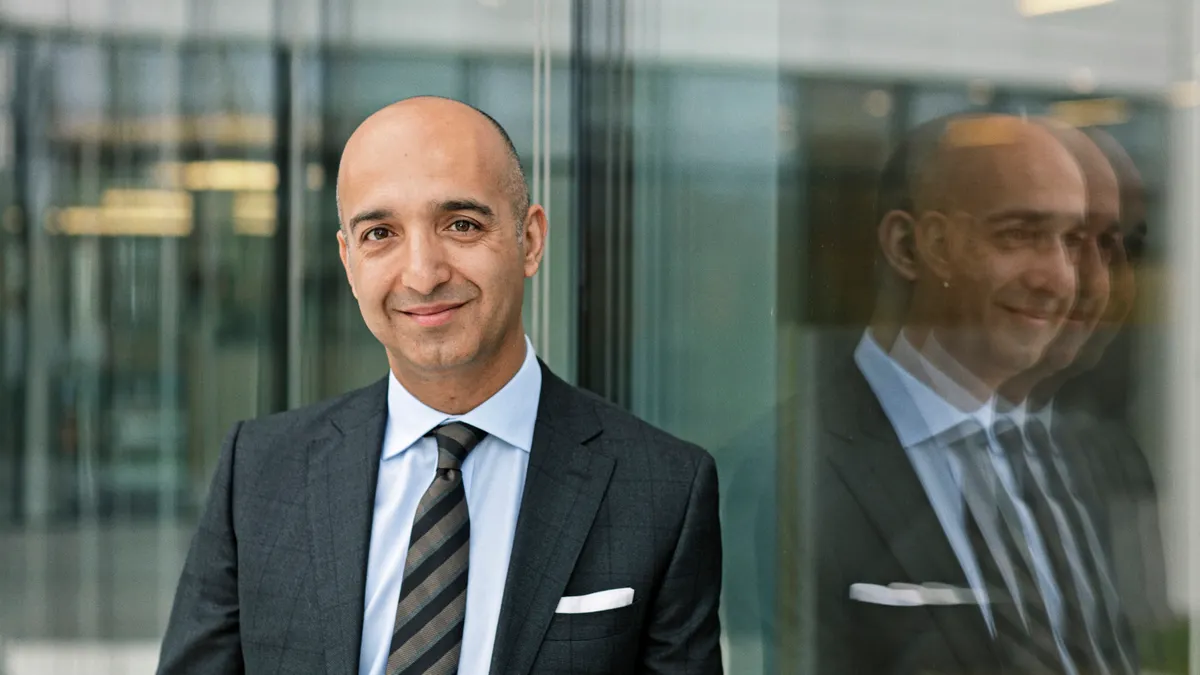
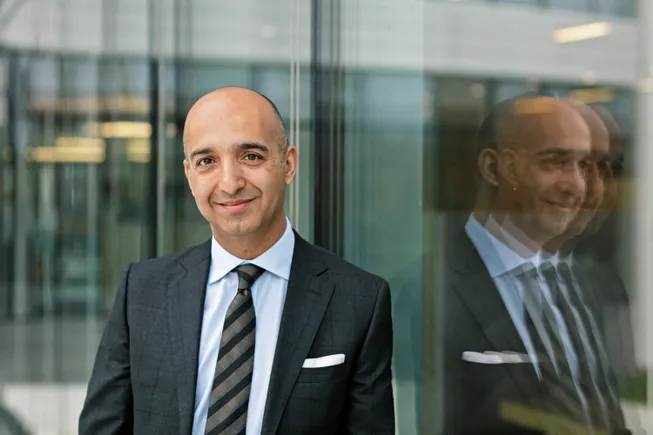
- Mid-2026: In response to a cooling stock price and mounting competitive pressure, Novo executes a massive corporate restructuring, including the layoff of 9,000 employees and the appointment of Mike Doustdar as CEO.
- September 2026: Novo hosts its capital markets day in London, announcing a flurry of new partnerships, including a high-profile AI collaboration with Anthropic.
Supporting Data: The Battle of the Molecules
The tension between Novo and Lilly is no longer just about market share; it is about clinical superiority. On Monday, Novo executives attempted to shift the narrative by touting new results showing that their candidate, CagriSema, demonstrated superiority over Zepbound in a recent clinical trial.
However, industry analysts have been quick to point out the nuance in these data points. The study in question compared CagriSema to the second-lowest dose of Lilly’s medication, a detail that has tempered investor enthusiasm.
The struggle is compounded by the "patent cliff." With the primary ingredient in Wegovy, semaglutide, slated to lose patent protection in the United States by 2032, the window for Novo to establish a new, proprietary, and highly effective portfolio is narrowing. Currently, the company projects that its sales growth will remain merely "in line" with its peers through 2030—a modest forecast for a company that was, until recently, viewed as a high-growth pharmaceutical juggernaut.
The "New" Novo: AI and Strategic Acquisitions
Under the leadership of Mike Doustdar, Novo is pivoting away from a reliance on existing semaglutide products toward a more diverse, technology-driven pipeline. The company’s recent activities reflect a "buy and build" strategy:
- Artificial Intelligence: The deal with Anthropic is the most significant indicator of this new direction. Novo is looking to leverage large-scale language models and generative AI to accelerate drug discovery, hoping to shave years off the development cycle for new obesity and cardiometabolic drugs.
- Strategic Partnerships: The collaboration with Orbis Medicines is aimed at developing macrocyclic peptides, a new class of drugs that could potentially be more effective and easier to administer than current peptide-based injectables.
- Pipeline Acquisitions: By acquiring three obesity drug prospects from Kallyope, Novo is effectively "buying" its way into a more robust Phase 2 pipeline, hedging its bets against the possibility that current late-stage projects might fail.
Despite these efforts, the company’s current pipeline status is a point of concern. Beyond CagriSema, the only Novo drug currently under review by the FDA is for hemophilia, not obesity. Most of its obesity-specific pipeline remains in Phase 2 or earlier, leaving a potential gap in commercializable products for the next several years.

Official Responses and Corporate Restructuring
The internal changes at Novo Nordisk are as significant as their external partnerships. The decision to lay off 9,000 workers is a stark admission that the company had become bloated during the hyper-growth phase of the Wegovy era.
During the London presentation, CEO Mike Doustdar emphasized that the company is transitioning from a "growth-at-all-costs" mindset to a "disciplined innovation" model.
"We are not the same company we were two years ago," Doustdar told investors. "We recognize the challenges posed by our competitors, and we are realigning our resources to ensure that our R&D focus is on the next frontier of metabolic health—not just incremental improvements on existing GLP-1s."
However, the company’s recent setbacks continue to loom large. The failure of ziltivekimab—a prospect once touted as a potential blockbuster for heart disease—in the ZEUS study served as a sobering reminder of the high failure rates inherent in drug development, even for companies with Novo’s resources.
Implications for the Future
The implications of this strategy are twofold. First, the industry is seeing the total professionalization and industrialization of the obesity drug market. It is no longer a niche segment; it is a battle for the future of global healthcare economics.

Second, the "Lilly vs. Novo" rivalry is likely to result in a massive wave of consolidation in the biotech sector. As these two giants scramble to fill their pipelines, small, innovative companies like Kallyope and Orbis Medicines are becoming the primary targets for acquisition.
For shareholders, the next four years will be critical. Novo Nordisk is currently in a "trough" period, where the high-margin revenue of its legacy products is being reinvested into a high-risk, high-reward pipeline. If the AI-driven discovery efforts with Anthropic bear fruit, and if the early-stage obesity assets prove successful in Phase 3 trials, Novo could reclaim its position as the market leader.
However, if the pipeline continues to falter or if the company fails to differentiate its future offerings from the established efficacy of Zepbound, Novo risks being relegated to a secondary player in a market it once pioneered.
As the company looks toward 2030, the pressure is squarely on Doustdar to execute. The message from London was clear: the era of easy wins is over. The era of the "AI-powered, leaner, and more aggressive" Novo Nordisk has begun. Whether that will be enough to beat Eli Lilly remains the defining question of the pharmaceutical decade.