









For centuries, the craft of cheesemaking has been defined by tradition, intuition, and the alchemy of time. Now, modern science is peering through the microscope to reveal that the secret to a world-class wheel of Oxfordshire cheese lies in a complex, bustling ecosystem of microorganisms. A groundbreaking study conducted by researchers at the University of Reading has not only identified the specific bacteria responsible for the distinct profiles of artisan cheeses but has also uncovered compelling evidence that these microbes may provide significant health benefits to those who consume them.
The Intersection of Tradition and Microbiology
The study, published in ACS Food Science & Technology, represents a significant milestone in food science. By analyzing the microbial and biochemical evolution of three distinct varieties produced by the Nettlebed Creamery in Oxfordshire, researchers have begun to map the "microbial fingerprints" that define artisan food.
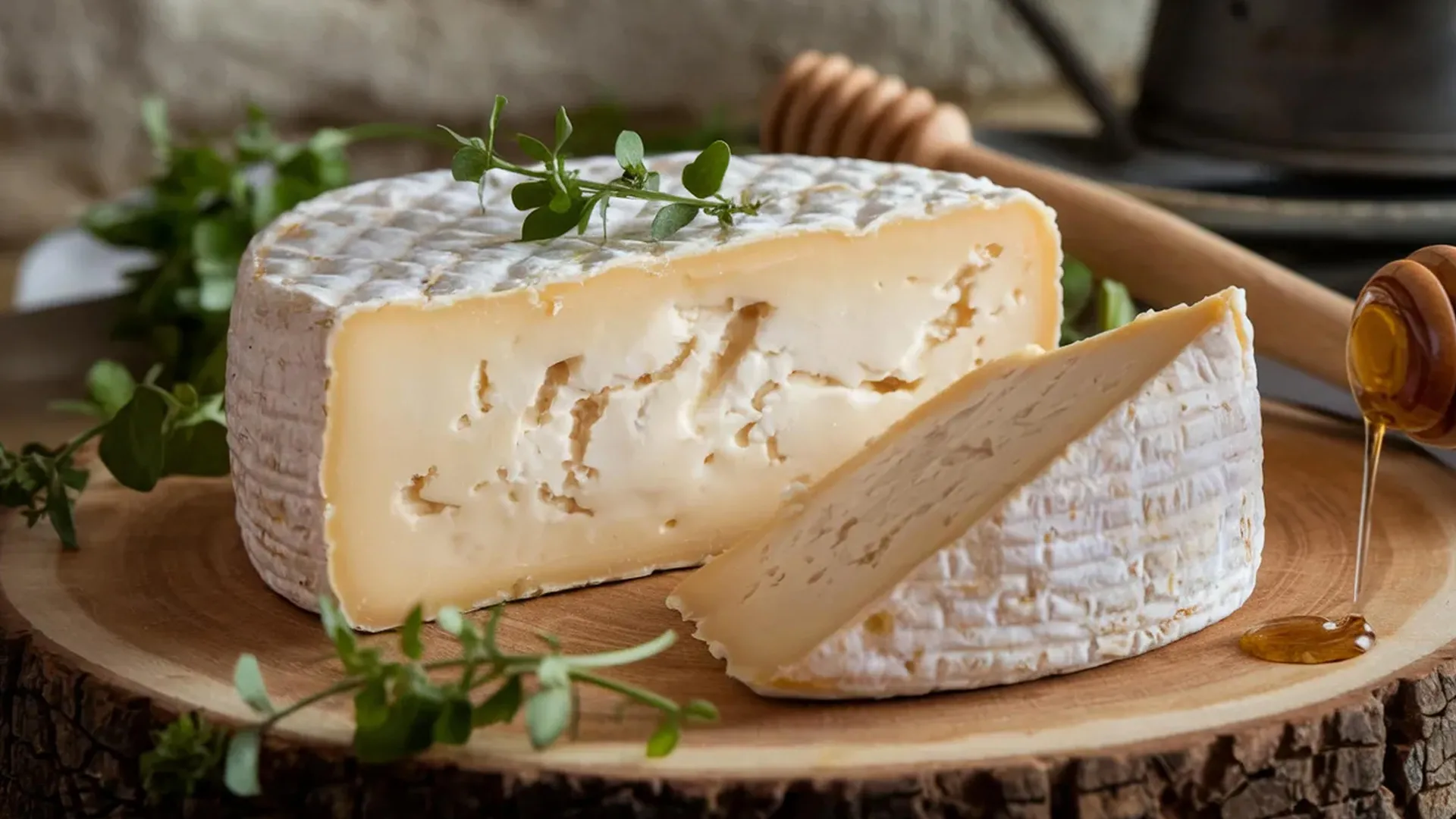
The research focused on three specific styles: a soft, white-rind cheese aged for approximately one week; a washed-rind semi-soft cheese matured over several weeks; and a semi-hard cheese aged in hay for nine months. By collecting samples at various stages of maturation, the team was able to create a high-resolution timeline of how bacterial communities shift, interact, and transform simple cow’s milk into complex, flavorful, and potentially health-promoting sustenance.
Chronology of Maturation: A Microbial Evolution
To understand how these cheeses develop their character, the research team employed rigorous analytical techniques to track the chemical and bacterial composition from day one to the final stages of ripening.
The Early Stages: Establishing the Colony
In the initial phases of production, the environment within the cheese is dominated by starter cultures. The researchers observed that Streptococcus thermophilus—a bacterium famously associated with the production of yogurt—remained a dominant force in both the semi-soft and semi-hard cheeses throughout the entire maturation process. Similarly, Lactococcus lactis was a persistent presence, identified in all three varieties from the moment of production until the final sampling. These bacteria serve as the foundational architects, breaking down sugars and setting the chemical stage for the flavor profiles that follow.
The Mid-Maturation Phase: Complexity and Diversity
As the cheeses entered their mid-life, the microbial landscape began to diversify significantly. This was particularly evident in the washed-rind and hay-aged varieties. The team identified the presence of Propionibacterium freudenreichii, a bacterium of profound interest to nutritionists. This microbe is known to produce propionic acid, a short-chain fatty acid that has been linked in clinical literature to anti-inflammatory effects, the regulation of cholesterol synthesis, and the modulation of appetite.
The Final Stages: The Hay Effect
The most striking observation occurred during the aging of the hay-encased semi-hard cheese. As the cheese matured over its nine-month lifespan, the microbial diversity expanded at an exponential rate. By the time the cheese was fully mature, it hosted nearly four times the number of bacterial species identified in its early stages. This suggests that the environment—in this case, the hay—acts as an inoculation vector, introducing a complex array of environmental microbes that contribute to the final, intricate flavor profile of the product.
Supporting Data: Why Cheese is a "Probiotic Vehicle"
One of the most intriguing findings of the study concerns the protective nature of the cheese matrix. Lead author Sabrina Longley, a PhD researcher in the University of Reading’s Department of Food and Nutritional Sciences, explains that the unique physical structure of cheese acts as a shield for beneficial bacteria.
"Good cheese is delicious, and the artisan varieties we studied are full of microbial life that could have benefits to your gut health," says Longley. "The aging process creates more complex aromas and textures through the work of an army of helpful bacteria. The matrix of fats and proteins in the cheese may also help protect the bacteria as they travel along the digestive tract, making cheese an excellent vehicle for delivery of probiotics to the gut."
The study also addressed the common concern of lactose intolerance. The data revealed that through the natural process of fermentation, lactic acid bacteria systematically consume the lactose found in cow’s milk. By the time these artisan cheeses reached maturity, they were found to contain only trace amounts of lactose, rendering them a potentially accessible option for individuals who struggle to digest the sugar in fresh dairy.
Rinds: The Hidden Prebiotic Powerhouse
For years, the culinary world has debated the merits of eating the rind. The Reading study offers a scientific justification for consuming the outer layer, particularly in soft, white-rind cheeses.
The study identified the mold Penicillium candidum as the primary architect of the soft cheese’s rind. Beyond providing texture and flavor, this mold produces chitin, a type of dietary fiber. Chitin acts as a prebiotic—a substance that serves as "fuel" for the beneficial bacteria already residing in the human gut. By eating the rind, consumers may be providing the necessary resources for their own internal microbiota to thrive, potentially encouraging a more diverse and resilient gut ecosystem.
Official Perspectives and the "Cheesemaker-Scientist"
The study carries a unique perspective due to the dual role of its lead author. Sabrina Longley is not only a researcher but also a practicing cheesemaker at the Nettlebed Creamery. Her work is supported by a University of Reading regional bursary, a program specifically aimed at fostering academic research among local professionals.
This synergy between the laboratory and the creamery has provided researchers with unprecedented access to the production process, allowing for a level of detail that is often impossible to achieve in strictly commercial or strictly academic settings. The collaboration highlights a growing trend in food science: the movement toward "evidence-based artisanry." By grounding traditional techniques in biochemical reality, cheesemakers can better understand the variables that lead to a superior product, while scientists can study traditional food systems that have been refined by human experience for generations.
Implications for Public Health and Future Research
While the findings are undeniably promising, the researchers maintain a stance of cautious optimism. The presence of probiotic-potential bacteria and prebiotic fibers is a significant discovery, but the transition from "potential" to "clinical efficacy" requires further investigation.
"We have identified the components, but now we need to see how they interact with the complex environment of the human body," the team noted. Future research is expected to involve dietary intervention trials. These studies will focus on how these specific bacterial populations survive the transit through the human digestive system and, crucially, what measurable impact they have on the existing gut microbiota and overall systemic health of human subjects.
Beyond Nutrition: The Future of Artisan Food
The implications of this research extend far beyond the health benefits of a single wedge of cheese. It suggests that our food systems—when crafted with care and respect for microbial ecology—can serve as functional nutrition. As the global interest in the "gut-brain axis" and the importance of the microbiome continues to surge, the role of fermented foods is being reassessed.
Artisan producers, who have long relied on the "terroir" of their environment to create unique products, may find that their traditional methods—such as hay-aging or specific rind-development techniques—are actually methods of cultivating biological diversity.
In conclusion, the University of Reading study invites us to look at our dinner plates with new eyes. A wedge of aged Oxfordshire cheese is more than just a culinary pleasure; it is a complex, living ecosystem. If future trials confirm that these artisan microbes can colonize or support the human gut, we may see a significant shift in how we categorize "healthy" foods, moving away from ultra-processed, lab-engineered supplements and back toward the sophisticated, microbe-rich foods of our ancestors. For now, the message from the researchers is clear: the bacteria in your cheese are working hard, and they might just be working for you.