In the modern era, the quest for immortality—or at least an extended "healthspan"—has moved from the fringes of science fiction to the mainstream of wellness culture. We are currently living in a golden age of biohacking, where fitness influencers, longevity gurus, and high-profile podcasters promise that with enough discipline, specific supplements, and rigorous protocols, we can reverse chronic disease, maintain a youthful glow, and potentially push the boundaries of the human lifespan toward 115 years and beyond.
But beneath the polished aesthetics of Instagram feeds and the high-octane advice of health gurus lies a complex question: Are these ultra-specific, high-maintenance "optimization" protocols actually necessary? More importantly, when we factor in the immense investment of time, money, and mental energy, do the benefits truly justify the trade-offs?
The Rise of the Optimization Industry
The current obsession with longevity is fueled by a perfect storm of technological advancement and information overload. We have access to more data about our own biology than at any point in history—from continuous glucose monitors to genetic mapping and sleep-tracking wearables.
While this data can be empowering, it has also given rise to a culture of "optimization." No longer is it enough to simply eat well and move our bodies; we are now encouraged to track every biomarker, adhere to complex fasting schedules, and invest in a pharmaceutical-grade regimen of supplements. The promise is seductive: by controlling every variable, we can "hack" our way to an optimal state of being.
However, as the medical community has begun to point out, there is a vast chasm between "healthy" and "optimized." The former is often accessible and sustainable; the latter is frequently a full-time job.
Chronology of the Wellness Shift
To understand how we arrived at this point, it is helpful to look at the evolution of health messaging over the last several decades:
- The 1980s and 90s: The Era of "Exercise and Eat Right." Health advice was generalized, focusing on the reduction of smoking, increasing aerobic exercise, and the broad adoption of the food pyramid.
- The 2000s: The Rise of Personalization. With the advent of the internet, consumers gained access to specific nutrition plans (Low-Carb, Paleo, Vegan). The focus shifted from public health to personal lifestyle choices.
- The 2010s: The Quantified Self. The release of consumer-grade wearables (Fitbits, Apple Watches) turned personal health into a data-driven enterprise.
- The 2020s to Present: The Biohacking Explosion. Longevity has become a luxury asset class. The industry now focuses on anti-aging interventions, hormonal balancing, and advanced diagnostic testing, often marketed as the only way to achieve "true" health.
Supporting Data: The Law of Diminishing Returns
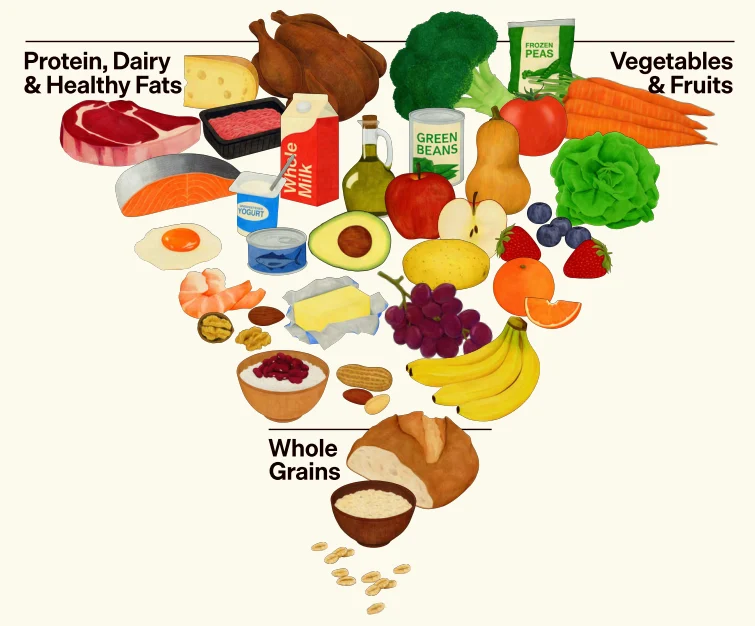
The core argument against hyper-optimization is the principle of diminishing returns. In exercise science and nutrition, the most significant health gains come from "low-hanging fruit": consistent sleep, a diet rich in whole foods, regular physical activity, and social connection.
According to recent longitudinal health studies, the difference between a sedentary lifestyle and a moderately active one is profound, potentially adding years to one’s life. However, the difference between a "good" lifestyle and a "perfectly optimized" lifestyle is often marginal in terms of absolute longevity, yet the cost of that transition is exponential.
For example, while maintaining a strict, protocol-driven diet might lower certain inflammatory markers by an additional 2%, it may also introduce "orthorexia"—an obsession with healthy eating that can lead to social isolation, anxiety, and a diminished quality of life. Is the marginal physiological gain worth the psychological and social cost? For many, the answer is no.
The Professional Consensus: What the Experts Say
While the wellness industry pushes for ever-more complex solutions, medical professionals and nutritional researchers often advocate for a return to the basics.
"We see many clients who are so overwhelmed by the ‘noise’ of health optimization that they lose sight of the foundational habits that actually drive health," says the team at Precision Nutrition. "True longevity isn’t found in a magic pill or a proprietary testing kit. It is found in the boring, repetitive, and sustainable actions we take every single day."

The consensus in the medical field is clear:
- Sustainability is the primary metric. If a protocol is too difficult to maintain for five years, it is effectively useless for long-term health.
- The "Big Rocks" matter most. Sleep quality, protein intake, strength training, and stress management account for over 80% of health outcomes.
- Advanced protocols should be individual-specific. What works for a professional athlete or a biohacker with unlimited time may be detrimental to the average person balancing a career and family.
The Implications: Living a Life You Actually Enjoy
The ultimate danger of the "optimization" mindset is that it turns health into a destination rather than a process. When we view our bodies as machines to be tuned rather than human beings to be nurtured, we risk sacrificing the joy of living in the present for a hypothetical future of longevity.
If you are spending your weekends prepping hyper-specific meals, your nights analyzing sleep data, and your income on experimental supplements, you have to ask: Are you optimizing your life, or are you just managing your health?
Finding the Balance
For those looking to achieve true, sustainable health, the path forward is one of simplification. Instead of seeking the latest trend, consider these pillars:
- The Baseline: Focus on consistent, high-quality sleep (7–9 hours).
- The Movement: Prioritize strength training at least three times a week, combined with daily low-intensity movement.
- The Nutrition: Adopt an eating pattern that provides adequate protein and micronutrients, is enjoyable, and fits into your social life.
- The Mindset: Practice stress management techniques that don’t feel like "work," such as hobbies, community involvement, or meditation.
Taking Action: A Personalized Approach
How do your current efforts stack up? The truth is that most people don’t need a more complex protocol; they need a better understanding of their own baseline.
To gain clarity, it is essential to step away from the influencer noise and assess your habits through a lens of sustainability. If you are interested in evaluating your own longevity strategy, tools like The Longevity Assessment can help you determine which habits will provide the highest return on investment for your specific lifestyle.
The Future of Coaching
The shift away from "optimization" and toward "sustainability" is also changing the coaching industry. The role of a modern coach is no longer to hand out restrictive, rigid meal plans. Instead, the most effective coaches act as partners in habit formation, helping individuals build lives that are physically, mentally, and socially robust.
For those interested in entering this field, the PN Level 1 Nutrition Coaching Certification provides the framework for helping clients build long-term success. By moving away from the "optimization" trap and focusing on evidence-based habit change, coaches can help their clients achieve better health—without sacrificing the enjoyment of life.
Ultimately, the goal of living longer should be to have more time to spend on the things that make life worth living. By focusing on the fundamentals, we can achieve a long, healthy life without becoming slaves to the process. The "true cost" of health optimization is often our peace of mind; perhaps it’s time we invest that back into our daily happiness.
For a complete, evidence-based review of the latest research on this topic, and to see a full breakdown of the financial and time costs associated with various health protocols, click here to read our full article on The True Cost of "Optimal" Health.