








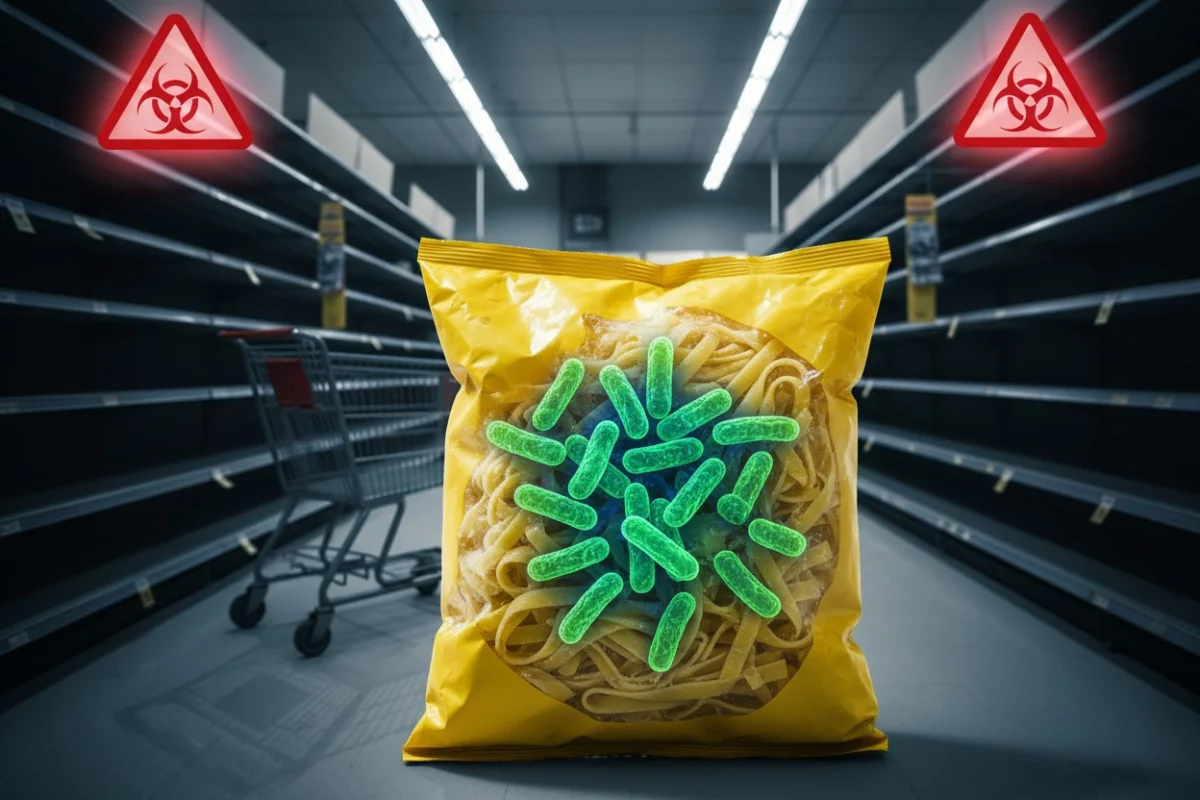
In a move aimed at preventing a potential public health crisis, New York-based Gias Foods has initiated a voluntary nationwide recall of its "bettergoods Authentic Italian Lemon Alfredo Fettuccine." The recall, which has been formally announced by the U.S. Food and Drug Administration (FDA), stems from findings that suggest the frozen, ready-to-eat pasta products may be contaminated with Listeria monocytogenes, a resilient and potentially lethal pathogen.
While no illnesses have been linked to this specific product at the time of this reporting, the recall serves as a critical reminder of the ongoing challenges federal regulators and food manufacturers face in ensuring the safety of the nation’s refrigerated food supply chain.
Identifying the Recalled Product
The recall specifically targets two production lots of the 22-ounce, yellow-packaged pasta sold exclusively at Walmart locations across the United States. Consumers are urged to check their freezers for products bearing the following identifiers:
- Product Name: bettergoods Authentic Italian Lemon Alfredo Fettuccine
- Packaging: 22-ounce yellow plastic bags
- UPC Code: 194346442706
- Lot Numbers: L6079C or L6080C
- Expiration Dates: September 19, 2027, or September 20, 2027
The FDA emphasizes that only products matching all these specific criteria are subject to the current recall. Consumers who have these items in their possession are advised to either discard the product immediately or return it to their local Walmart store for a full refund.
Chronology: From Routine Sampling to Nationwide Action
The discovery of the contamination was not the result of an outbreak investigation, but rather the byproduct of robust, routine regulatory surveillance. According to the FDA, the contamination was detected through testing conducted by the Washington State Department of Agriculture and the Florida Department of Agriculture and Consumer Services.
When these agencies performed their standard quality control sampling on the finished products, the presence of Listeria monocytogenes was confirmed. This triggered a cascade of regulatory notifications. Upon notification of the positive test results, Gias Foods immediately ceased distribution of the affected lots. The company is currently collaborating with the FDA to conduct a comprehensive root-cause analysis to determine how the pathogen entered the production environment—a process that often involves deep-cleaning protocols and environmental swabbing of manufacturing facilities.
Understanding the Listeria Threat
Listeria monocytogenes is a unique and particularly dangerous foodborne pathogen. Unlike many other bacteria that are destroyed by refrigeration, Listeria is psychrotrophic—meaning it can survive and even thrive in cold, moist environments. This characteristic makes it an insidious threat in the frozen and refrigerated food industry, where traditional preservation methods often fail to eliminate the organism.
The Clinical Impact of Listeriosis
For the average healthy adult, Listeria infection—known as listeriosis—may cause only mild symptoms, such as fever, muscle aches, or gastrointestinal distress. However, for vulnerable populations, the consequences are frequently devastating.
The infection is particularly dangerous for:
- Pregnant Women: Listeria can cause miscarriage, stillbirth, or premature delivery, even if the mother experiences only mild illness.
- The Elderly: Due to aging immune systems, individuals over the age of 65 are at a significantly higher risk of developing severe, invasive listeriosis.
- Immunocompromised Individuals: Those undergoing chemotherapy, living with HIV, or managing chronic conditions like diabetes are highly susceptible to the bacteria invading the central nervous system.
When the infection spreads beyond the gastrointestinal tract, it can manifest as meningitis, encephalitis, or septicemia. According to the Centers for Disease Control and Prevention (CDC), approximately 1,250 Americans are infected with listeriosis annually, with a mortality rate that remains alarmingly high—roughly 250 deaths per year.
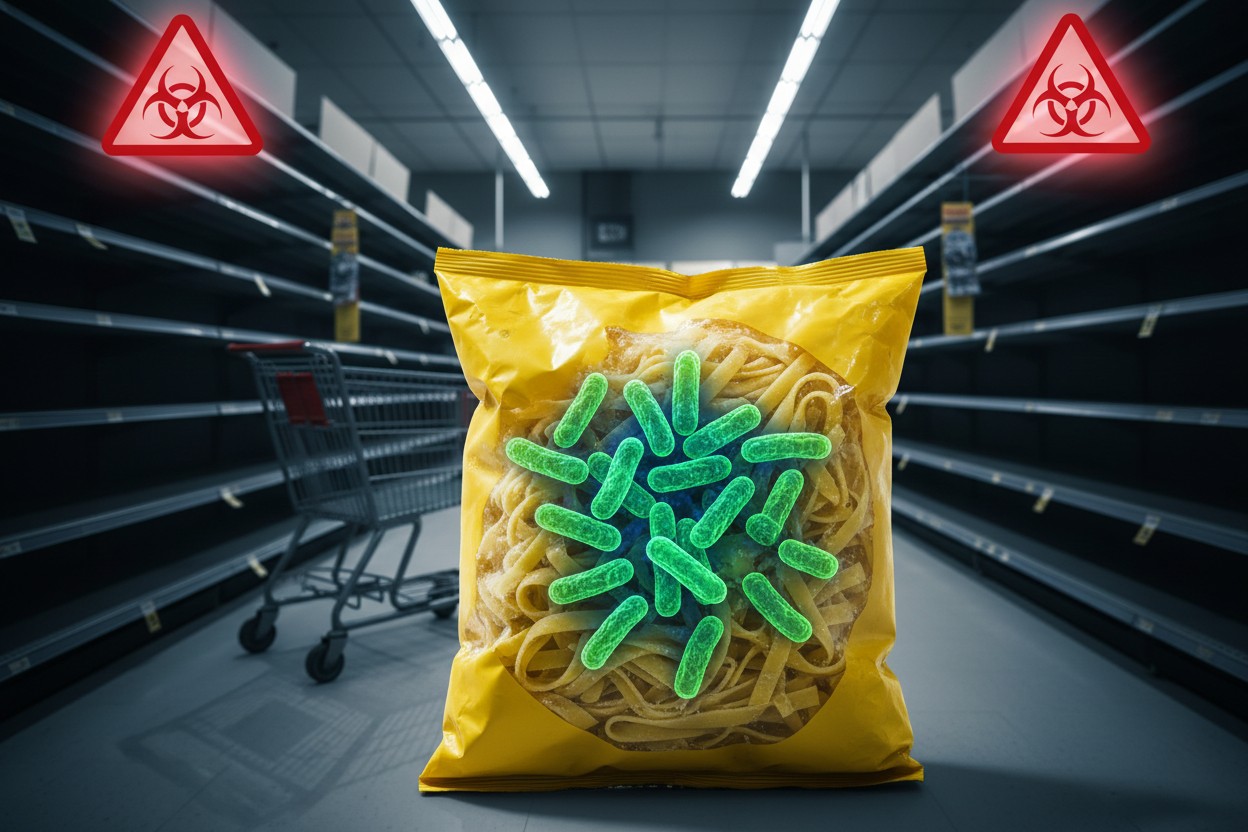
Broader Implications for the Food Supply Chain
The recall of the bettergoods pasta follows a disturbing pattern of Listeria incidents involving ready-to-eat (RTE) meals. The convenience of pre-packaged, "heat-and-eat" meals has surged in popularity, but the complex processing steps required for these products—which often involve multiple stages of handling and cooling—provide ample opportunities for environmental contamination.
A History of Recent Outbreaks
The current situation is reminiscent of several high-profile safety events that have shaken consumer confidence in the RTE market over the past 24 months. In October 2025, a multi-state outbreak linked to various ready-to-eat pasta meals sold at major retailers resulted in four deaths and 19 hospitalizations. Similarly, in November 2025, another contamination event involving pre-cooked pasta meals led to six deaths and 25 hospitalizations.
These incidents highlight a recurring failure point: the persistence of Listeria in production facilities. Because the bacteria can form "biofilms" on equipment, it is notoriously difficult to eradicate once it takes hold in a processing plant. Even with rigorous sanitation protocols, deep-seated colonies of the bacteria can survive and periodically contaminate finished goods.
The Role of the FDA and Regulatory Oversight
The FDA plays a pivotal role in maintaining the safety of the American food supply. Under its mandate, the agency conducts regular inspections of food plants, sets rigorous standards for product labeling, and oversees the integrity of the interstate food commerce system.
In this instance, the agency’s authority allowed for the rapid identification of the contaminated lots. By requiring manufacturers to maintain detailed "traceability" records—identifying both the immediate source of raw ingredients and the subsequent recipients of finished goods—the FDA can effectively contain a contamination event before it spirals into a widespread health crisis.
Company Response and Future Prevention
Gias Foods has issued a formal statement confirming that they have stopped all distribution of the affected product. "The company has ceased the distribution of the product as the FDA and the company continue their investigation as to what caused the problem," a management spokesperson said.
Moving forward, the industry is under increased pressure to implement "whole genome sequencing" (WGS) to track Listeria strains more effectively. By comparing the genetic signatures of bacteria found in factories with those found in patients, federal agencies can pinpoint the exact source of an outbreak, forcing companies to address specific, localized hygiene failures.
Consumer Guidance: How to Protect Your Household
While the recall is limited to specific lot numbers, health officials recommend that consumers remain vigilant regarding food safety protocols. When handling any refrigerated or frozen ready-to-eat product:
- Check the Lot Codes: Do not rely solely on the brand name. Always inspect the lot numbers printed on the packaging against the official FDA recall list.
- Practice Cross-Contamination Prevention: Keep ready-to-eat foods separate from raw meat or poultry in your refrigerator.
- Adhere to Cooking Instructions: While Listeria is a major concern, thorough heating to the correct internal temperature can kill many pathogens. However, because Listeria can survive in many environments, the most reliable protection remains avoiding the consumption of recalled goods entirely.
- Monitor Your Health: If you have consumed the recalled fettuccine and experience symptoms like fever, stiff neck, confusion, or loss of balance, contact a healthcare provider immediately. Symptoms of listeriosis can appear as late as 70 days after exposure.
Conclusion
The Gias Foods recall is a stark reminder of the fragile balance between food convenience and food safety. As the investigation into the bettergoods pasta line continues, it underscores the necessity for constant vigilance from both manufacturers and regulatory bodies. For now, the most effective tool against Listeria remains an informed consumer base and a responsive, data-driven regulatory system.
The FDA continues to update its public database regarding this recall. Consumers are encouraged to monitor the agency’s official website for any further developments, including the potential expansion of the recall should the investigation uncover deeper systemic issues within the production environment.