









For millions of older adults, the daily ritual of swallowing a calcium or vitamin D tablet is as routine as brushing their teeth. Driven by the widely held belief that these supplements act as a "bone insurance policy," aging populations have increasingly turned to supplementation to mitigate the risks of osteoporosis, fractures, and the debilitating, life-altering falls that often follow. However, a landmark review published in The BMJ has cast a long, analytical shadow over this common practice, suggesting that for the vast majority of older individuals, these supplements may offer little to no meaningful protection against bone fractures or falls.
The Magnitude of the Problem: Why Bone Health Matters
Falls among the elderly represent a critical public health crisis. Statistics from global health agencies indicate that nearly one in three adults aged 65 and older experiences a fall at least once per year. These incidents are far more than mere accidents; they are frequently the catalyst for a downward spiral in health.
A single fall can lead to complex fractures, chronic pain, a prolonged loss of mobility, and a profound decrease in overall quality of life. Perhaps most concerning is the psychological and logistical toll: the fear of falling can lead to self-imposed social isolation, while the physical trauma often necessitates a transition into assisted living or residential care. As the global population ages, identifying effective, evidence-based strategies to prevent these outcomes has become an urgent priority for medical professionals and policymakers alike.
The Theoretical Foundation: Why We Thought It Worked
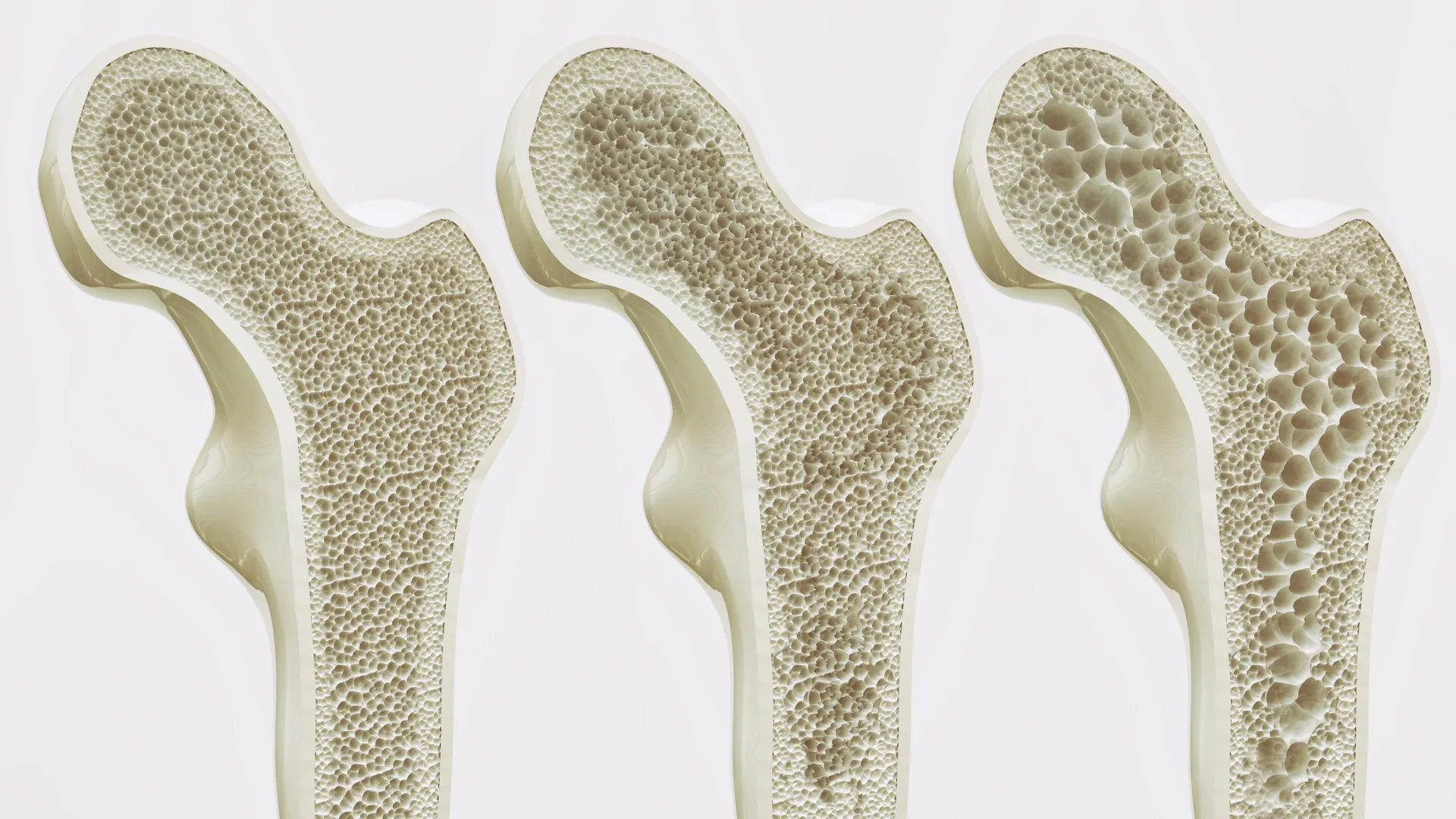
To understand why the medical community has pushed these supplements so aggressively, one must look at the biological rationale. Calcium is the primary structural mineral in the human skeleton, and vitamin D is essential for the efficient intestinal absorption of calcium. Without adequate levels of both, the body’s ability to maintain bone density and support healthy metabolism is compromised.
Given this, it seemed logical—almost intuitive—that supplementing these nutrients would translate into stronger bones and fewer fractures. For decades, clinicians, health guidelines, and regulatory bodies have recommended these supplements, leading to a massive increase in prescriptions and over-the-counter consumption. Yet, despite this widespread adoption, the clinical evidence has remained frustratingly inconsistent. While some small studies suggested modest benefits, larger reviews have repeatedly struggled to find a clear, universal reduction in fracture risk. This disconnect between biological theory and clinical outcome has long been a source of debate in the scientific community.
A Comprehensive Meta-Analysis: Methodology and Scope
To resolve these lingering questions, a team of Canadian researchers undertook a monumental task: a meta-analysis of 69 randomized controlled trials (RCTs). These trials involved a combined total of 153,902 participants.
In the hierarchy of medical evidence, RCTs are considered the "gold standard." By randomly assigning participants to either a treatment group (receiving supplements) or a control group (receiving a placebo or no treatment), researchers can effectively eliminate confounding variables that might otherwise skew results. This rigorous design allows for a much higher level of confidence in the findings than observational studies.
The research team meticulously assessed the risk of bias and the certainty of evidence for each study included in their review. They examined the impact of calcium alone, vitamin D alone, and the combination of the two, specifically measuring outcomes related to fractures of all types and the incidence of falls.
The Findings: Evidence of Lack of Effect
The results of the analysis were stark. After applying strict thresholds for what constitutes a "clinically meaningful benefit," the researchers concluded that supplementation provided little to no protective effect against fractures.
The data was categorized by the type of intervention:
- Calcium Supplements: Based on moderate-certainty evidence from 11 trials involving 9,067 participants, researchers found no significant reduction in fracture risk.
- Vitamin D Supplements: Utilizing high-certainty evidence from 36 trials involving 92,045 participants, the researchers found that vitamin D alone did not meaningfully lower the risk of fractures or falls.
- Combined Supplementation: Perhaps most notably, high-certainty evidence from 15 trials involving 51,126 participants showed that taking calcium and vitamin D together—a common prescription practice—offered no meaningful benefit compared to the control groups.
When the researchers narrowed their focus to specific outcomes, such as hip fractures or the frequency of falls, the pattern remained consistent. The supplements simply did not move the needle in a way that would justify their status as a preventative standard of care.
Important Caveats and Individual Needs
While the study provides a robust challenge to current practices, the authors emphasize that these results should not be interpreted as a universal "stop" sign for everyone.
The analysis acknowledges that some subgroups—particularly those with diagnosed bone disorders, such as severe osteoporosis, or individuals currently undergoing medical treatments for bone density issues—may require supplementation as part of their therapeutic regimen. The study’s findings are intended to address "routine" supplementation for the general older population, not the management of specific clinical conditions.
Furthermore, the researchers noted that their confidence in the findings was strengthened by the consistency of the results across diverse demographics. Whether looking at age, sex, prior history of fractures, or even the baseline calcium intake from a person’s diet, the conclusion remained the same: supplementation was not providing the expected protective benefit.
The Call for a Paradigm Shift: Implications for Policy
The primary takeaway from the BMJ report is a bold recommendation: clinicians, public health agencies, and guideline-setting bodies should re-evaluate their recommendations. The researchers argue that the evidence no longer supports the routine prescription of calcium and vitamin D for the sole purpose of preventing fractures and falls in healthy older adults.
This creates a significant dilemma for the medical community. If the "pill-based" approach is ineffective, what should take its place?
The Editorial Perspective
In a linked editorial, independent experts reinforced the study’s conclusions, noting that while the current evidence is strong, more "well-powered" trials are always welcome to address specific high-risk populations. However, they stressed that the medical community must stop relying on supplementation as a "silver bullet" for bone health. Instead, they urge a shift in funding and clinical focus toward interventions that have already demonstrated clear, tangible benefits.
Beyond the Pill: Effective Fall Prevention Strategies
The editorial authors and the study researchers both point to a more active, lifestyle-based approach to bone and fall prevention. The following strategies have shown significantly more promise than supplementation:
- Resistance Training: Building muscle mass is essential for skeletal support. Resistance exercises (weightlifting or using resistance bands) increase bone density through mechanical loading and improve the structural support around the joints.
- Balance Training: Falls often occur due to a lack of postural stability. Exercises such as Tai Chi, yoga, or dedicated balance-improvement programs have been shown to drastically reduce fall rates by improving proprioception and reaction times.
- Comprehensive Risk Assessment: Rather than focusing on a single nutrient, medical providers should conduct individualized fall-risk assessments. This includes reviewing medications (some of which cause dizziness), testing vision, and modifying the home environment to remove tripping hazards.
- Integrated Programs: The most successful outcomes are achieved through multifaceted programs that combine physical exercise with environment-based modifications and patient education.
Conclusion: A New Era of Bone Health
The findings from this large-scale meta-analysis serve as a wake-up call for the medical establishment and the general public. For years, the convenience of the supplement industry has aligned with a desire for simple, low-effort health solutions. However, when it comes to the complex issue of preventing fractures and falls in the elderly, there is no shortcut.
While calcium and vitamin D are essential nutrients, the data suggests that simply increasing intake via supplements is not the panacea we once hoped it would be. As we move forward, the focus must shift from the supplement bottle to the gym floor and the home environment. Preventing fractures in the aging population will require a more nuanced, active approach—one that prioritizes physical strength, stability, and a personalized assessment of the many factors that contribute to the risk of falling. It is time for our healthcare strategies to reflect the evidence: real protection comes from movement, not just medication.