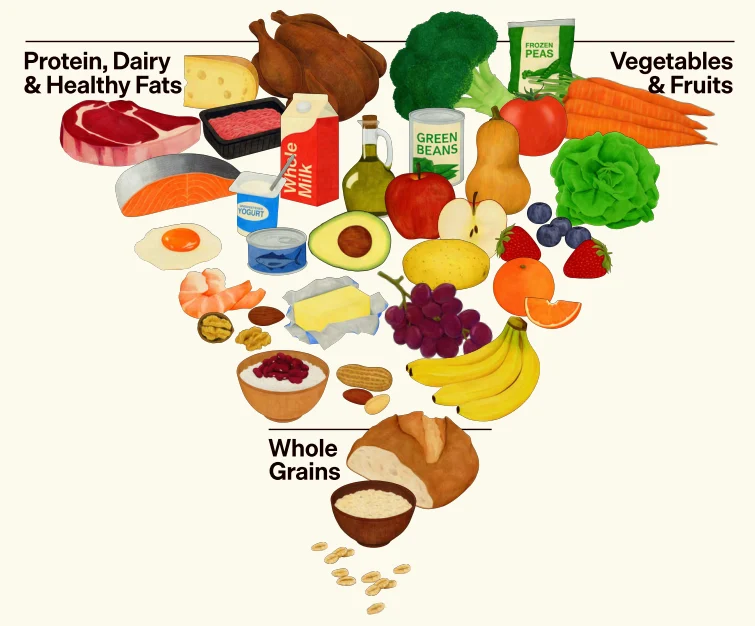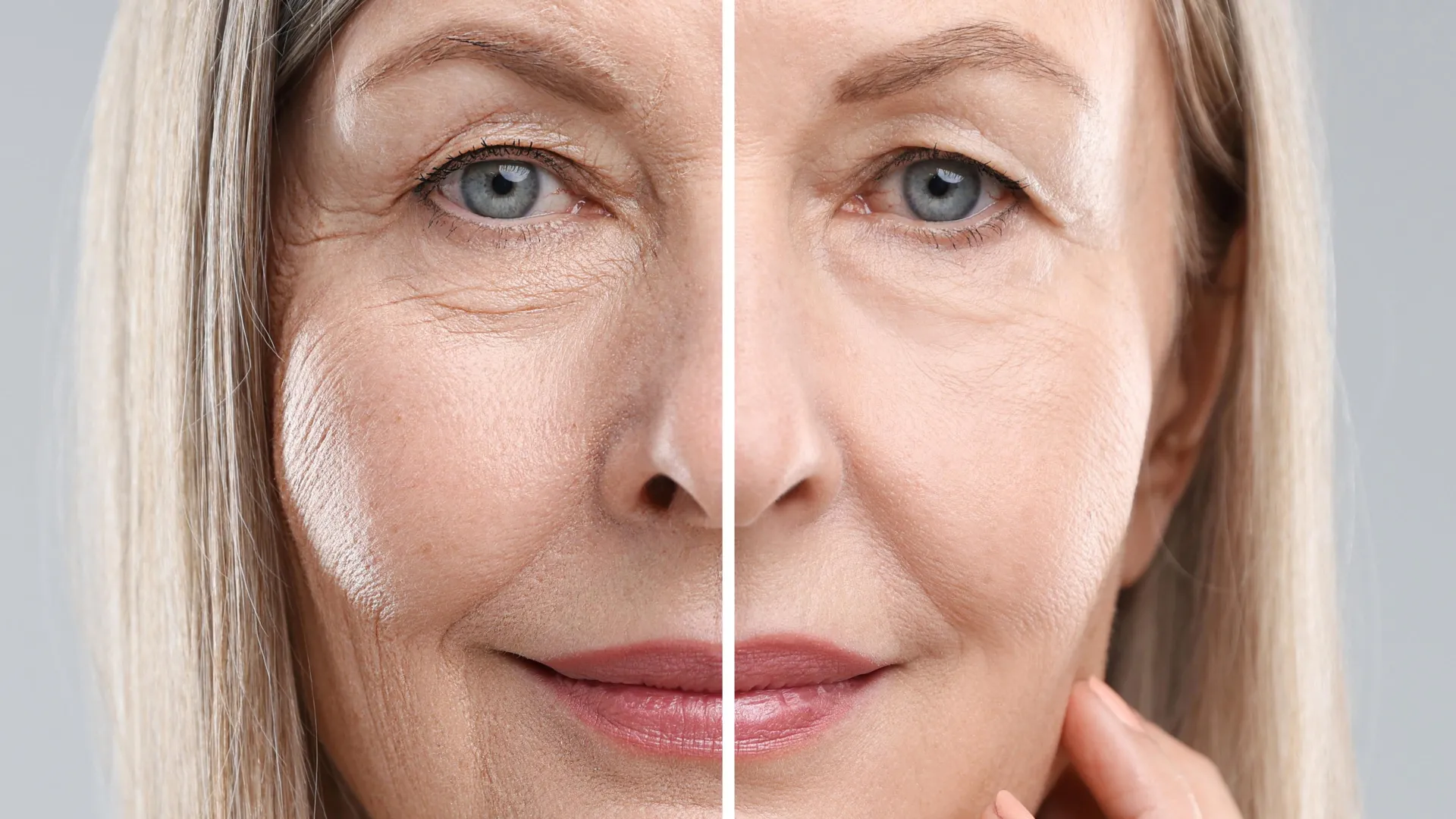
For generations, the fountain of youth has been the subject of myth, legend, and, more recently, rigorous scientific inquiry. While chronological age—the number of candles on a birthday cake—is an unchangeable march of time, a groundbreaking new study from the University of Sydney suggests that our internal "biological clock" may be far more flexible than previously imagined.
Researchers have discovered that older adults can shift critical markers of aging in as little as four weeks simply by modifying their nutritional intake. The study, published in the journal Aging Cell, provides compelling evidence that the body’s physiological condition can be significantly rejuvenated through targeted dietary interventions, offering a new frontier in the quest for "healthspan"—the number of years we live in good health.
The Core Findings: A Shift in Biological Markers
The study, led by Dr. Caitlin Andrews from the University of Sydney’s School of Life and Environmental Sciences, focused on a cohort of 104 Australians aged 65 to 75. By systematically adjusting the participants’ intake of fats and animal-based proteins, the team observed meaningful changes in their "biological age"—an estimate of how old the body appears internally based on a complex suite of health indicators, rather than the simple passage of years.
The most striking takeaway is the speed of these results. In just 28 days, participants who pivoted toward diets lower in fat or animal-based proteins showed a marked improvement in their biomarker profiles, suggesting that the body’s "metabolic machinery" can respond to nutritional stimuli with remarkable agility, even in the seventh and eighth decades of life.
Understanding Biological vs. Chronological Age
To grasp the significance of these findings, one must distinguish between the two ways we measure age. Chronological age is a fixed constant; it is the time elapsed since birth. Biological age, however, is a dynamic reflection of systemic health.
Two individuals of the same chronological age can exist in vastly different states of physiological decay or resilience. One may possess the cardiovascular profile and metabolic efficiency of a 50-year-old, while another, perhaps due to chronic inflammation, sedentary behavior, or poor nutrition, may exhibit the biomarkers of a 75-year-old.
Biological age is calculated by analyzing a battery of biomarkers—measurable biological indicators that offer a window into the body’s functional status. In this study, the researchers synthesized data from 20 distinct biomarkers, including:
- Cholesterol levels: Key indicators of cardiovascular health and lipid metabolism.
- Insulin sensitivity: A primary marker for metabolic function and diabetes risk.
- C-reactive protein (CRP): A critical protein used to gauge systemic inflammation, which is often dubbed the "silent killer" of aging.
By aggregating these metrics, the team at the University’s Charles Perkins Centre generated a "biological age score" for each participant, providing a baseline against which to measure the impact of four distinct dietary protocols.
The Experimental Framework: A Four-Diet Comparison
The Nutrition for Healthy Living study was designed with precision to isolate the effects of macronutrient composition. The 104 participants, all non-smokers without severe pre-existing conditions like cancer or type-2 diabetes, were randomly assigned to one of four dietary groups.
Crucially, every diet was calibrated to contain exactly 14 percent of total energy from protein, ensuring that protein quantity remained a constant variable. The variation occurred in the source of that protein and the ratio of fats to carbohydrates.
The Four Dietary Groups:
- Omnivorous High-Fat (OHF): Half of the protein from animal sources, with a high fat and low carbohydrate profile.
- Omnivorous High-Carbohydrate (OHC): Half of the protein from animal sources, with a lower fat and higher carbohydrate profile.
- Semi-Vegetarian High-Fat (VHF): 70 percent of protein from plant sources, with a high fat and low carbohydrate profile.
- Semi-Vegetarian High-Carbohydrate (VHC): 70 percent of protein from plant sources, with a lower fat and higher carbohydrate profile.
The OHF diet acted as the control group, as it most closely mirrored the participants’ pre-study dietary habits. The results were telling: the OHF group experienced no statistically significant change in their biological age markers. In contrast, the other three groups—those who reduced either their fat intake or their animal-protein dependency—exhibited a clear reduction in their estimated biological age.
The "Sweet Spot" of Nutrition
The most profound statistical evidence of rejuvenation was observed in the Omnivorous High-Carbohydrate (OHC) group. These individuals consumed a diet consisting of 14 percent protein, 28–29 percent fat, and 53 percent carbohydrates.
This finding challenges the prevailing "low-carb" dogma of the modern diet industry. It suggests that for older adults, replacing animal-based proteins and reducing overall fat intake—even while maintaining a higher carbohydrate intake—may be more beneficial for cellular health and inflammatory reduction than the high-fat, high-protein approaches currently popularized in many weight-loss circles.
Official Responses and Scientific Caution
While the media and the public are often quick to herald "anti-aging" breakthroughs, the researchers involved in the University of Sydney study are exercising professional, measured caution.
Dr. Caitlin Andrews, the lead author, emphasized that while these findings are an "early indication" of the potential for dietary modulation of aging, they are not a definitive cure-all. "It’s too soon to say definitively that specific changes to diet will extend your life," Dr. Andrews noted. "Future research should explore whether these findings extend to other cohorts and whether the changes recorded are sustained or predictive of long-term outcomes."
Associate Professor Alistair Senior, who supervised the research, echoed this sentiment, highlighting the distinction between a change in biomarkers and a change in mortality risk. "Longer term dietary changes are needed to assess whether dietary changes alter the risk of age-related diseases," Senior explained.
The scientific community recognizes that while lowering a biomarker like C-reactive protein is universally considered positive, the leap from a "younger biomarker profile" to "extended lifespan" or "prevented disease" requires longitudinal data—studies that track these individuals for years, or even decades, to see if they actually live longer, healthier lives.
Implications for Public Health and Longevity
The implications of this research for an aging global population are substantial. As life expectancy continues to rise, the prevalence of age-related comorbidities—such as cardiovascular disease, cognitive decline, and metabolic dysfunction—places an immense burden on healthcare systems.
If a relatively simple shift in diet can optimize biological markers in a matter of weeks, the potential for public health interventions is immense. It suggests that aging is not a strictly linear, irreversible process but rather a malleable condition influenced by the constant chemical signals we provide our bodies through food.
Key Takeaways for Future Research
- Sustainability: The current study lasted only four weeks. Can the body maintain this "rejuvenated" state for a year or a decade?
- Generalizability: Will these results hold true for younger populations, or for individuals with pre-existing conditions like obesity or hypertension?
- Mechanism: Researchers still need to pinpoint exactly how these specific macronutrient ratios influence genetic expression and cellular repair mechanisms.
- Clinical Outcomes: Does a lower biological age score actually correlate with a delayed onset of dementia, heart disease, or cancer?
Conclusion: A Shift in Perspective
The University of Sydney study acts as a vital bridge between theoretical nutrition science and practical, daily application. It reinforces the idea that we are not helpless observers of our own aging process. While we cannot stop the calendar from turning, we may be able to influence the quality of our years by making informed, evidence-based choices about what we put on our plates.
As the scientific community prepares for the next phase of this research—likely involving larger cohorts and longer follow-up periods—the current takeaway is clear: nutritional quality, particularly the balance of protein sources and fat intake, plays a fundamental role in the body’s internal state. For the 65-to-75 demographic, and potentially for us all, the fountain of youth may not be a mystical location, but a pantry shift toward more plant-based proteins and moderated fat intake.
In the quest for longevity, we are learning that the body is a responsive, adaptive system. If we treat it with the right fuel, it appears more than capable of resetting its internal clock, proving that it is never too late to begin the process of getting younger from the inside out.