







Updated September 23, 2026
In an era defined by perpetual connectivity and the sedentary demands of the digital workspace, the concept of "taking a break" has often been relegated to the frantic consumption of a caffeinated beverage or a rapid scroll through social media. However, a growing movement in the wellness sector is championing a more intentional approach: the therapeutic micro-break.
Yoga instructor Laia Bové, a veteran educator with over a decade of experience, has released an 11-minute movement sequence specifically engineered to mitigate the physical stagnation and mental fatigue inherent in modern professional life. Drawing from her own lived experience with chronic illness and a deep expertise in nervous system regulation, Bové’s practice challenges the conventional wisdom that effective yoga requires an hour-long studio commitment.
The Paradigm Shift: Quality Over Quantity
For many, the barrier to a consistent movement practice is not a lack of interest, but the psychological weight of time constraints. The assumption that a yoga session must be a 60-minute vinyasa class acts as a deterrent for those already feeling overwhelmed by their workload.
Bové’s methodology flips this narrative. Her 11-minute routine is designed to be "low-key" and "low-to-the-floor," removing the pressure of high-intensity physical performance. By prioritizing nervous system regulation—the process of calming the "fight or flight" response triggered by stress—this sequence serves as a reset button for both the body and the mind. It is a practice of meeting oneself where one is, rather than pushing to meet an external ideal of what "fitness" should look like.
The Chronology of Restoration: An 11-Step Sequence
This sequence is designed to be accessible to individuals of all fitness levels. No specialized equipment is required; a mat, a carpeted surface, or even a sturdy, comfortable floor space is sufficient. Optional blankets can be utilized to provide additional support for joints.
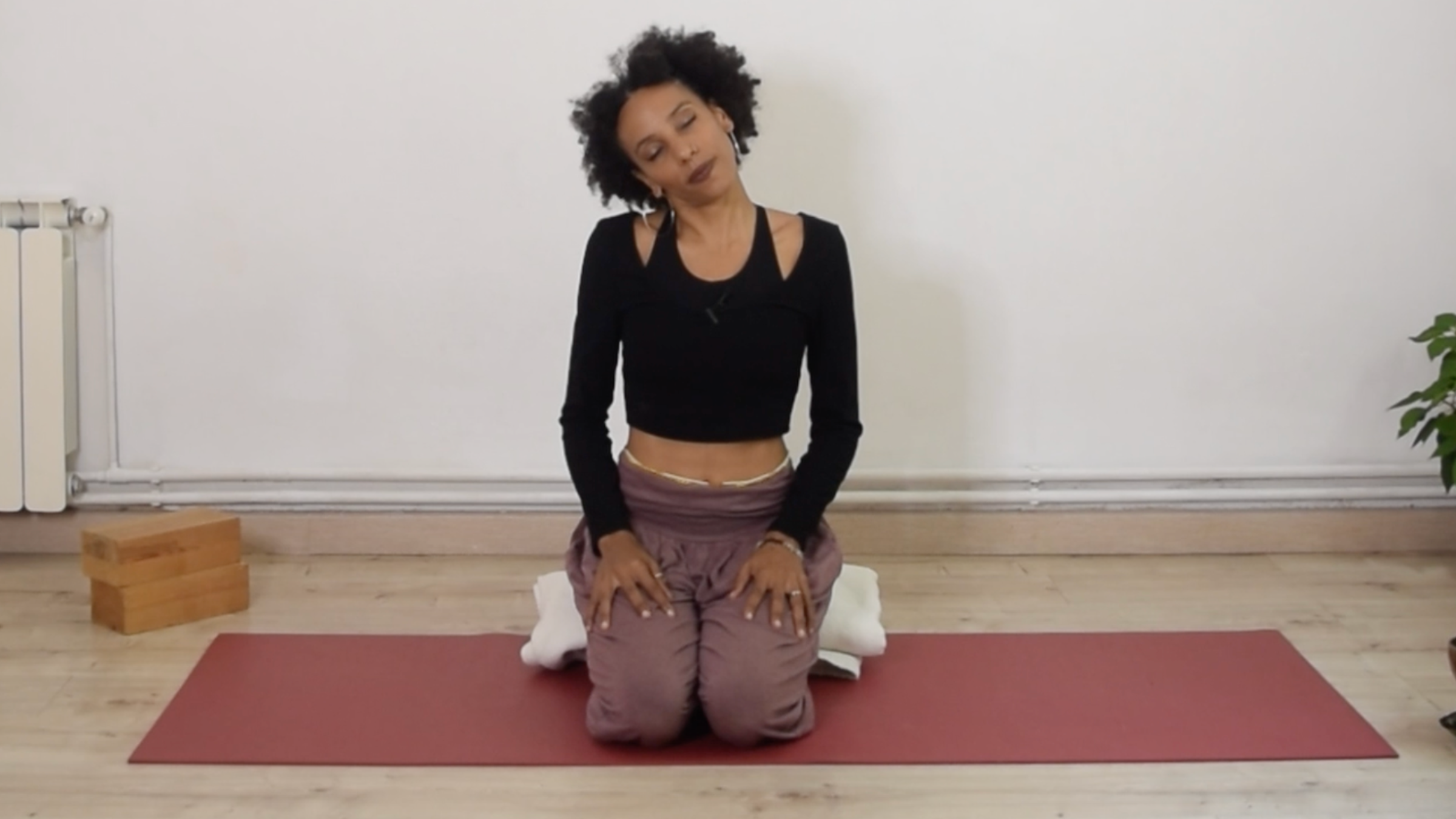
1. Neck Stretches: Releasing Cranial Tension
The sequence begins by addressing the neck, the primary repository for stress-induced tension. By exhaling and tilting the head toward the right, drawing the ear toward the shoulder, practitioners begin to release the trapezius and sternocleidomastoid muscles. This is followed by chin-to-ceiling and chin-to-chest movements, and finally, gentle neck rotations, which encourage the release of the cervical spine.
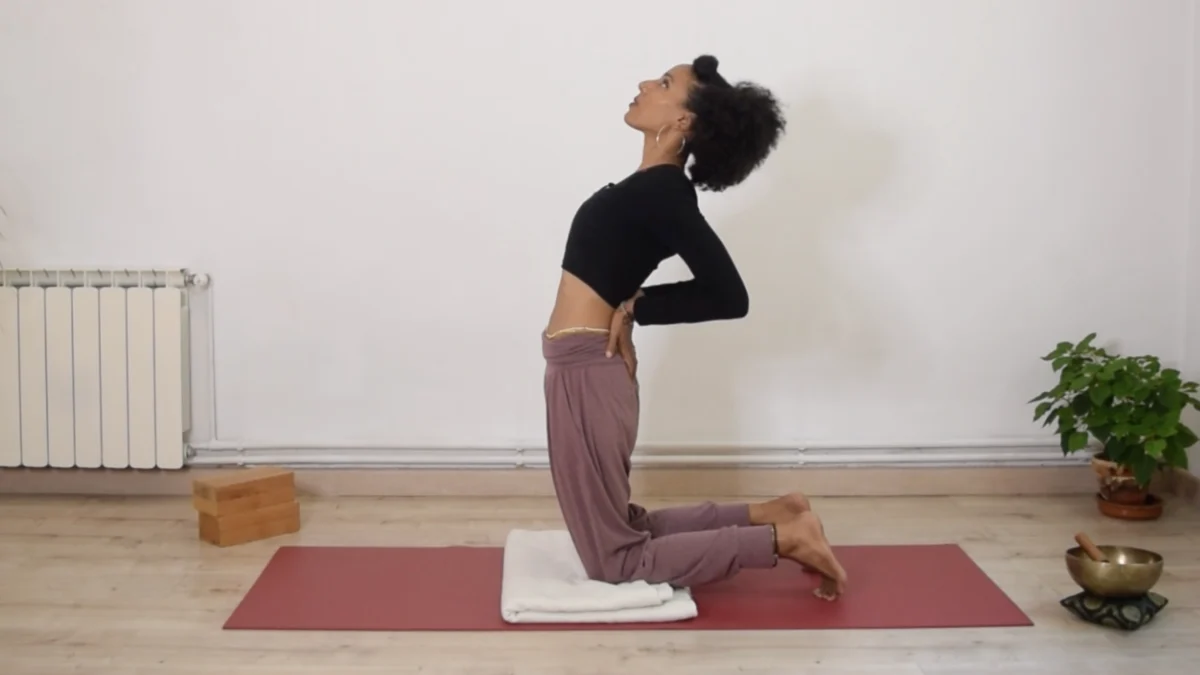
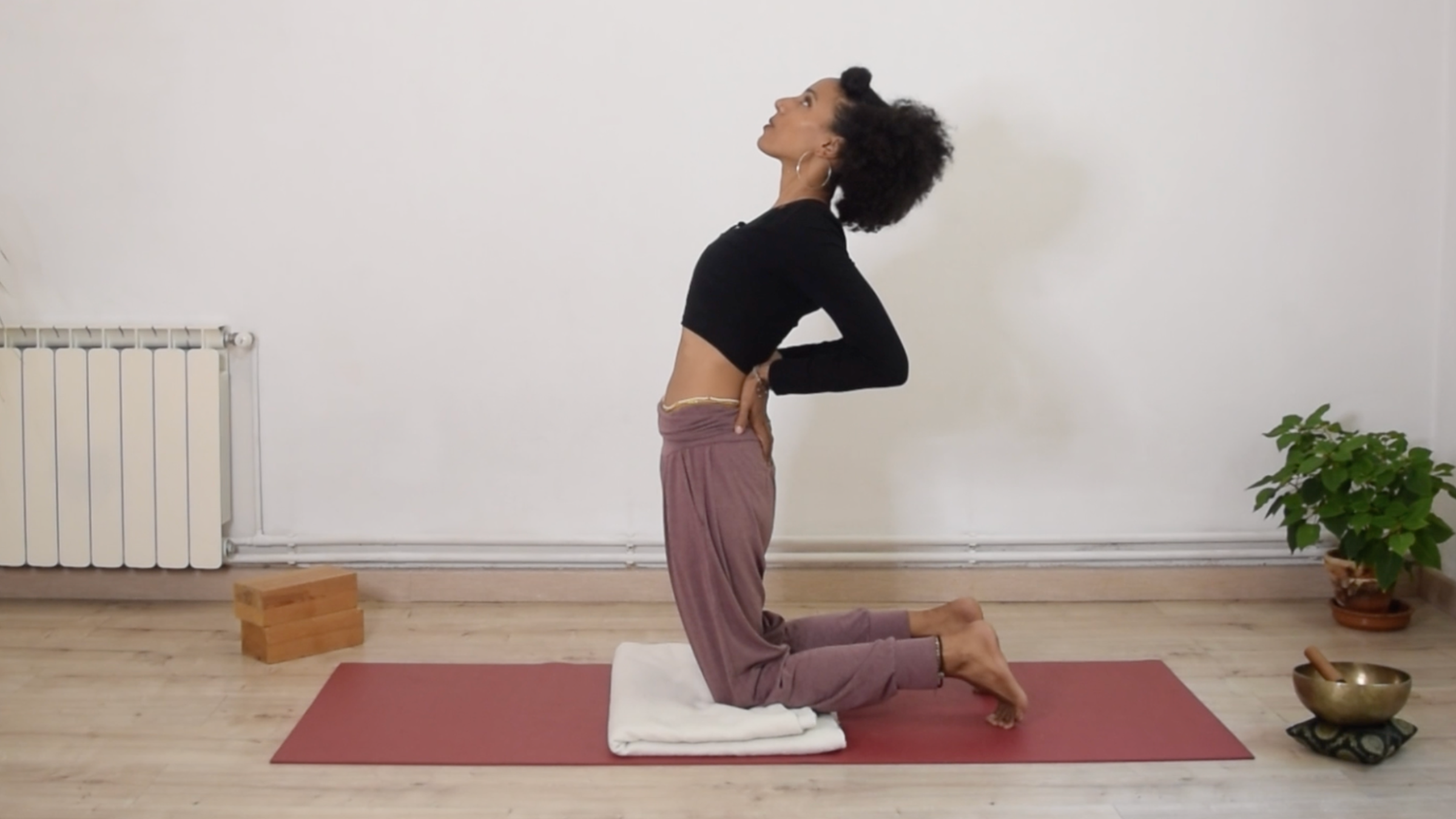
2. Camel Pose (Ustrasana)
Bové introduces a supported variation of the Camel Pose. By kneeling and gently pressing the hips forward with hands on the hips, the practitioner opens the anterior chain—the chest and abdomen—which is often compressed during prolonged periods of seated work.
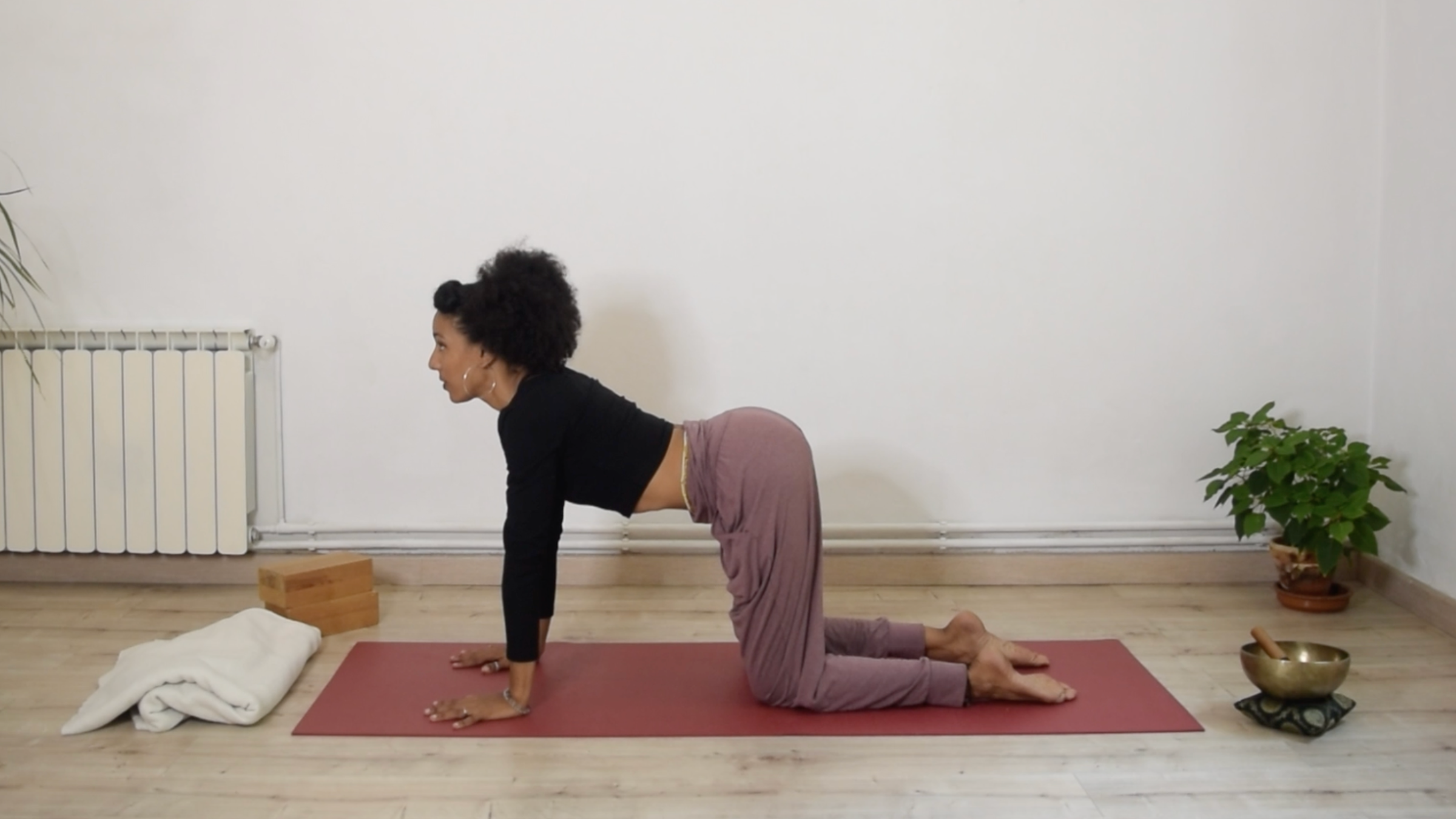
3. Wrist Stretches: Addressing Digital Strain
Given the prevalence of keyboard-heavy work, wrist fatigue is a common ailment. This move involves shifting the hips halfway back while pressing the backs of the hands into the mat with fingers pointing toward the body. It is a highly effective, albeit intense, stretch for the carpal region.
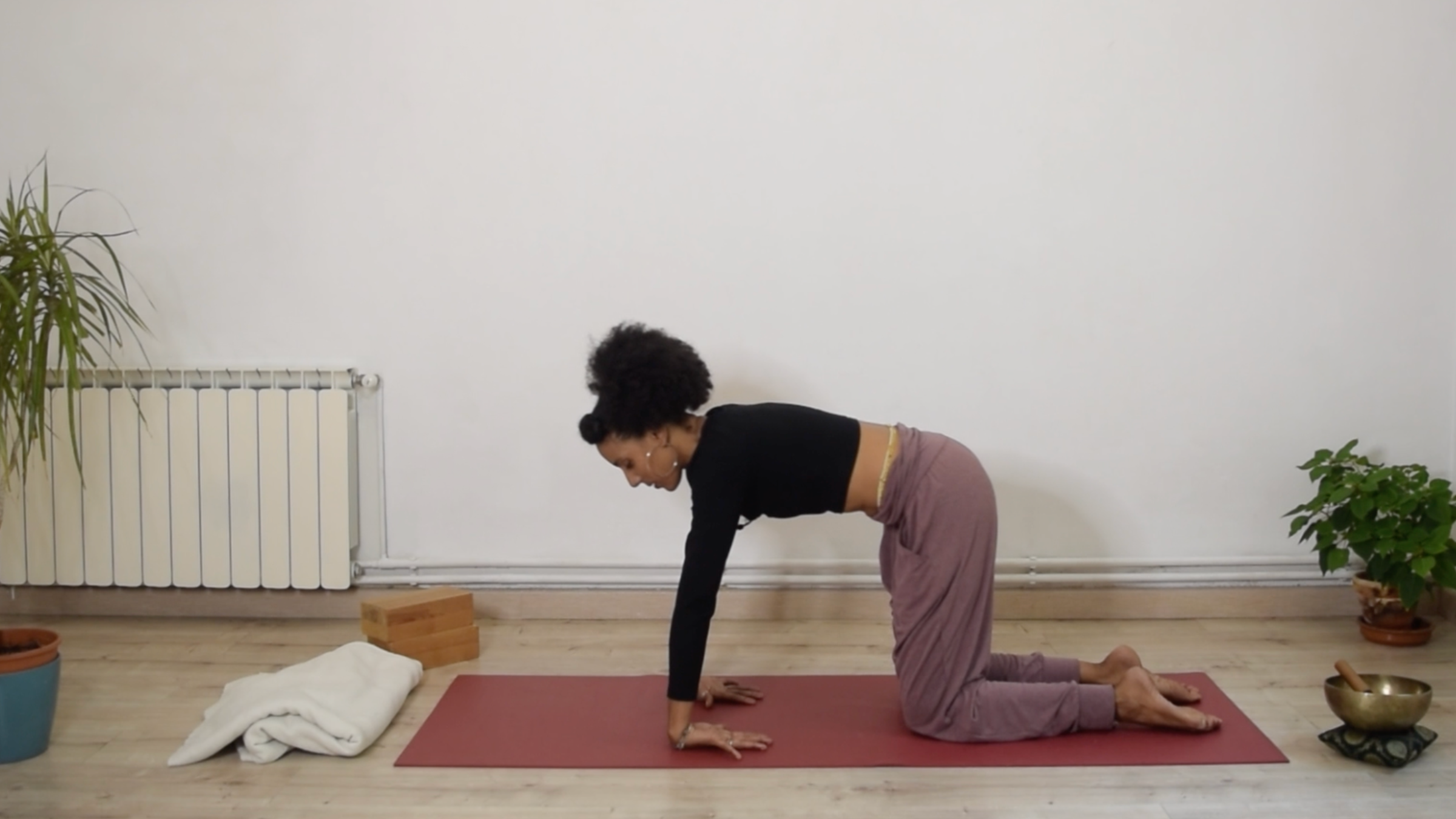
4. Cat-Cow: Spinal Mobilization
A foundational movement in yoga, the Cat-Cow transition mobilizes the entire vertebral column. By alternating between an arched back (Cow) and a rounded spine (Cat), the practitioner synchronizes movement with breath, signaling to the nervous system that it is safe to shift from sympathetic (stress) to parasympathetic (rest) dominance.
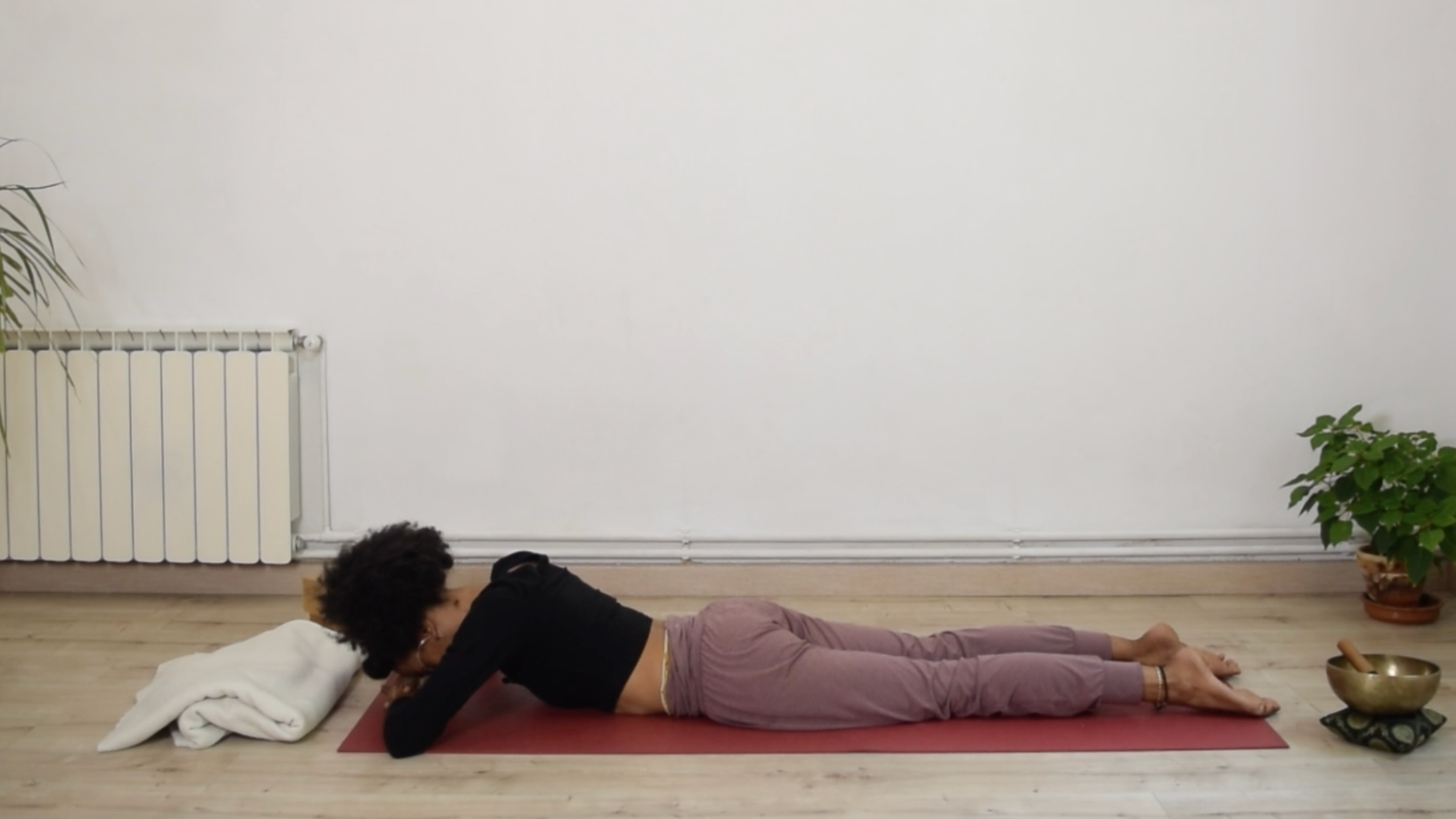
5. Crocodile Pose: The Prone Reset
Lying prone with the forehead resting on stacked hands, the Crocodile Pose encourages the body to "sink" into the earth. This position is vital for grounding, providing a tactile sense of stability that can be particularly soothing for those experiencing heightened anxiety.
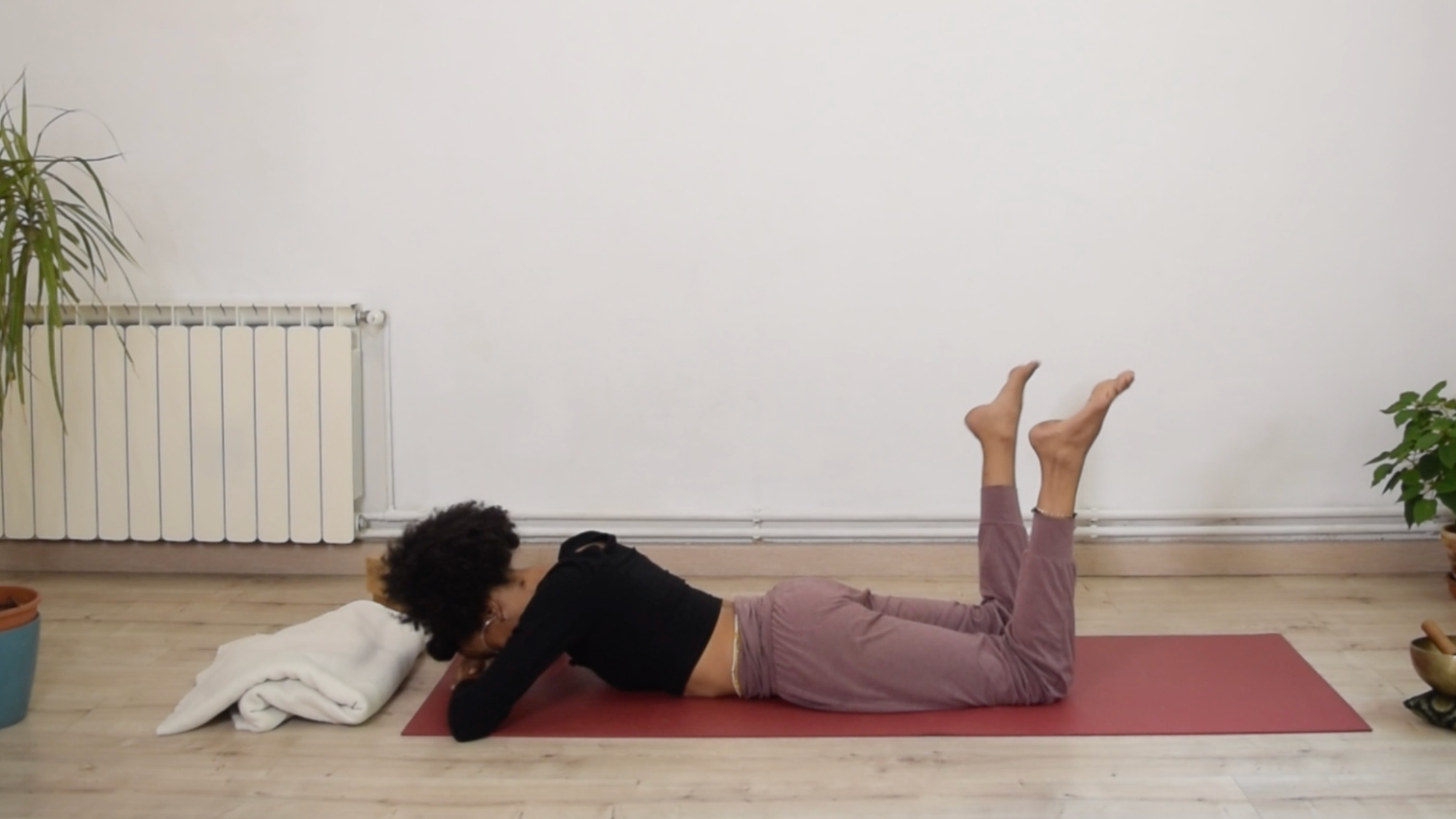
6. Prone Windshield Wipers
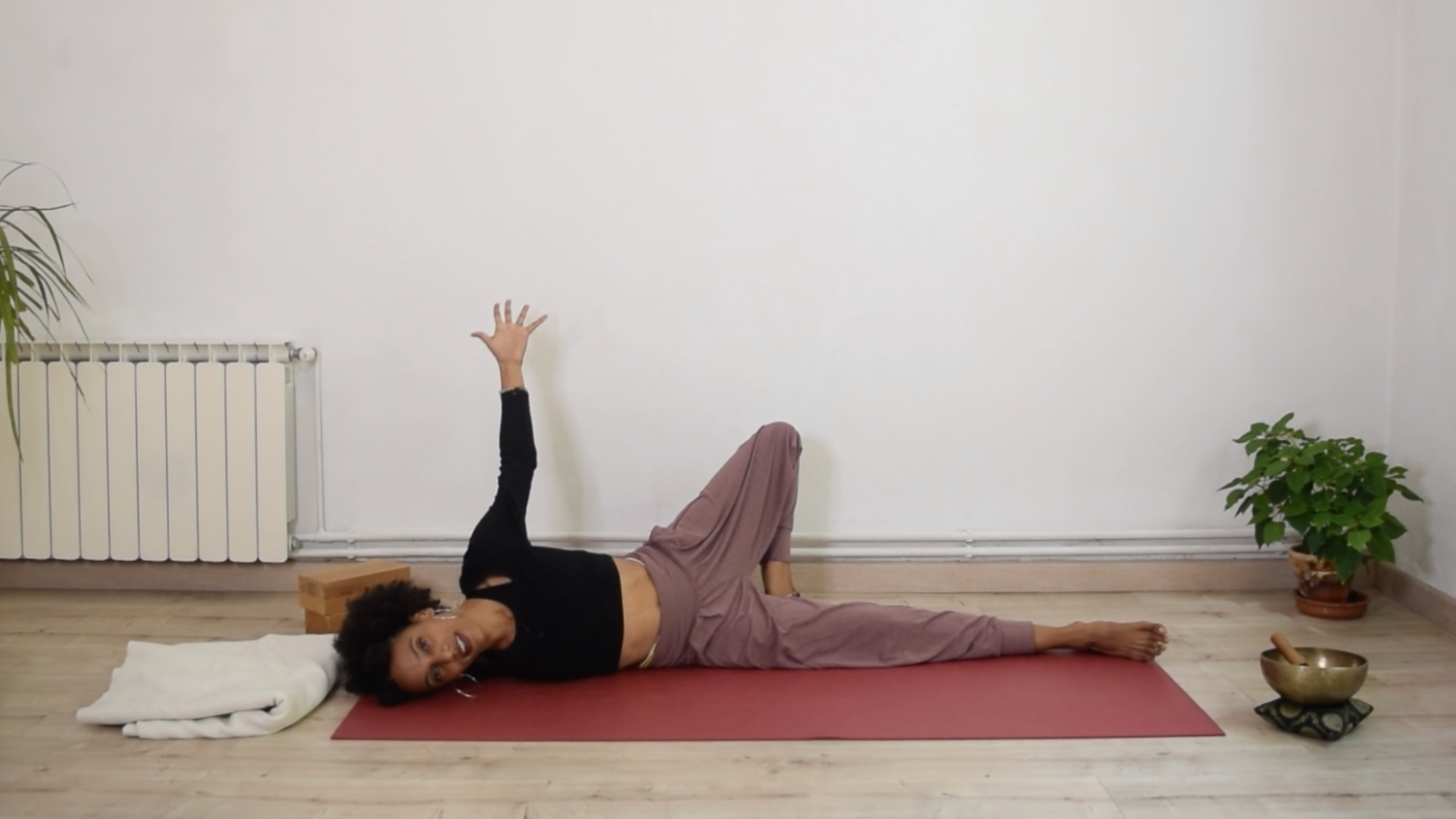
By bending the knees and swaying the feet side to side, this movement lubricates the hip joints and releases the lumbar spine. It serves as a gentle transition between the stillness of the previous pose and the more active stretches that follow.
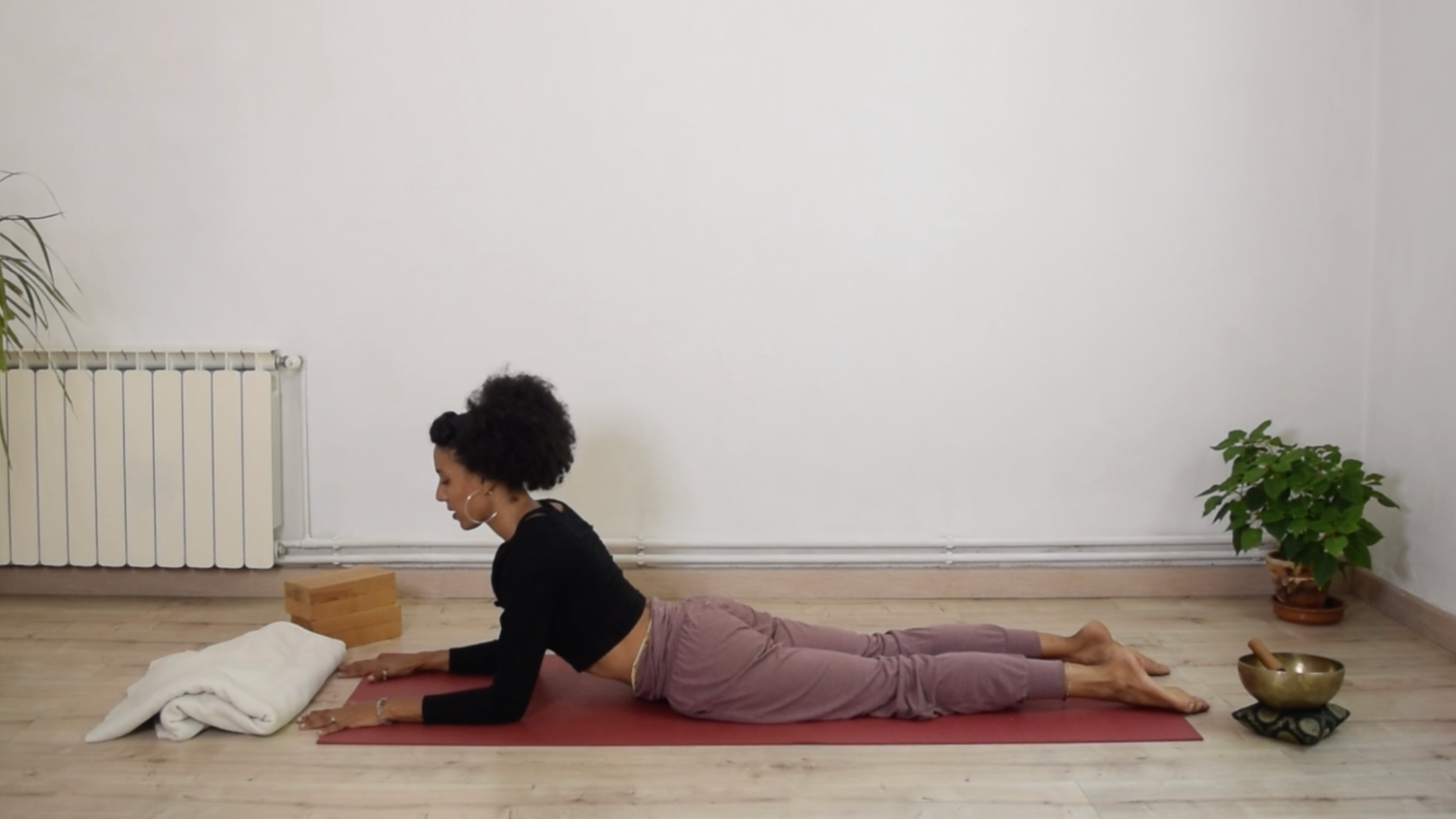
7. Sphinx Pose: Gentle Backbending
Sphinx Pose provides a heart-opening stretch that is less aggressive than a traditional Cobra. By propping oneself on the forearms, the practitioner can adjust the intensity based on lower back comfort, making it an ideal pose for those with chronic spinal stiffness.
8. Broken Wing: Shoulder Girdle Release
This restorative stretch targets the pectoral muscles and the rotator cuff. By lying on the belly and extending one arm to the side before rotating the torso, the practitioner opens the shoulder capsule, counteracting the "hunched" posture developed during hours at a desk.
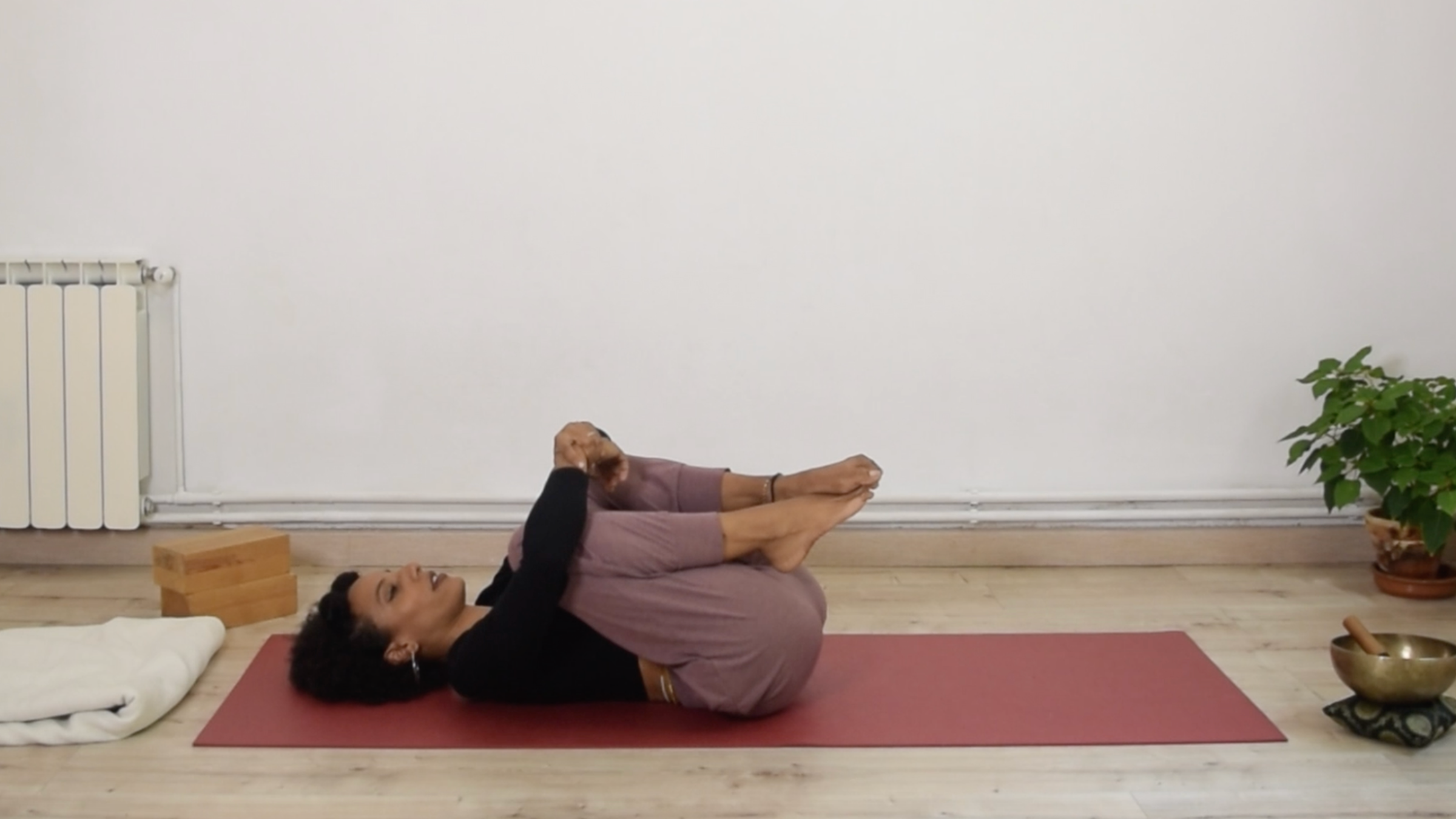
9. Wind-Relieving Pose (Apanasana)
Transitioning to the back, the Wind-Relieving Pose involves hugging the knees to the chest. This is a therapeutic compression for the digestive system and provides a soothing stretch for the lower back.
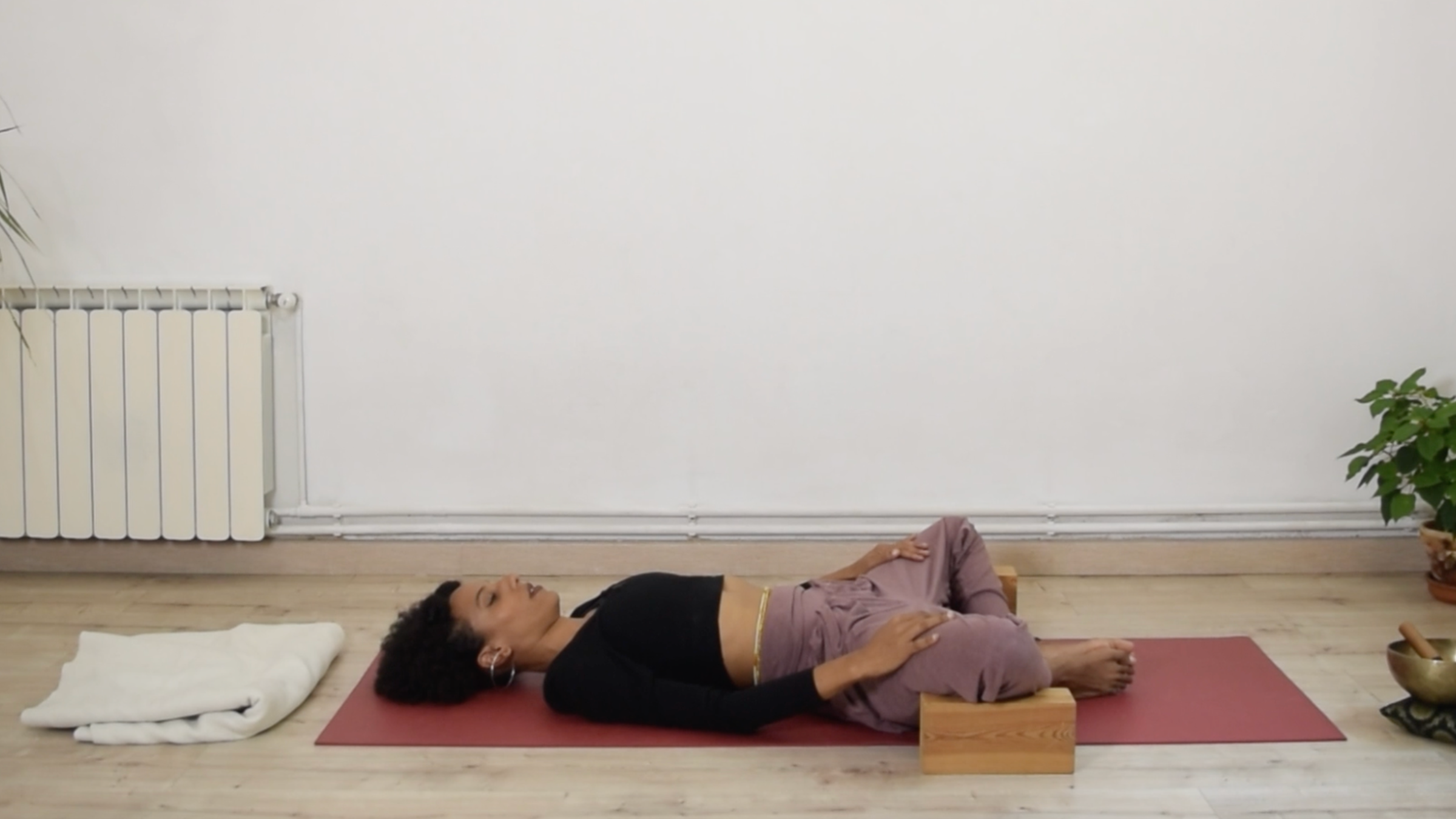
10. Reclining Bound Angle Pose (Supta Baddha Konasana)
Perhaps the most restorative pose in the sequence, the Reclining Bound Angle allows the hips to open passively. The use of blankets to support the outer thighs can transform this into a deeply restorative experience, inviting the body to surrender its remaining muscular tension.
11. Easy Pose (Sukhasana)
The sequence concludes in a cross-legged seated position. This final moment is intended for integration—a brief period of stillness that allows the practitioner to transition back into their day with a regulated nervous system.
Supporting Data: The Science of Short-Form Movement
While the wellness industry often highlights the aesthetic benefits of yoga, the physiological impact of even brief, consistent movement is well-documented. Research into "exercise snacking"—the practice of engaging in short bursts of movement throughout the day—suggests that these intervals can be just as effective as longer sessions for regulating blood glucose levels and reducing the risks associated with prolonged sitting.
Furthermore, the focus on "nervous system regulation" aligns with current findings in somatic psychology. Chronic stress keeps the body in a state of high cortisol, which leads to systemic inflammation and muscle guarding. By engaging in intentional, slow movement, the practitioner engages the vagus nerve, which facilitates the body’s "rest and digest" mode, potentially lowering blood pressure and improving heart rate variability.
Implications for the Modern Workplace
The implication of Bové’s 11-minute practice is significant for the corporate world. As companies seek to reduce burnout and improve employee well-being, the integration of "micro-breaks" into the workday offers a low-cost, high-impact intervention.
When employees are encouraged to step away from their screens for less than 15 minutes to regulate their nervous systems, they often report improved focus, higher emotional stability, and a reduction in physical discomfort. By shifting the focus from "performance" to "maintenance," Bové provides a framework that is sustainable for the long term.
As we look toward 2027 and beyond, the normalization of these brief, self-care-focused intervals may become a standard component of professional wellness. In a world that demands constant output, the most radical and necessary act of self-care may simply be the commitment to stop, breathe, and move for 11 minutes.