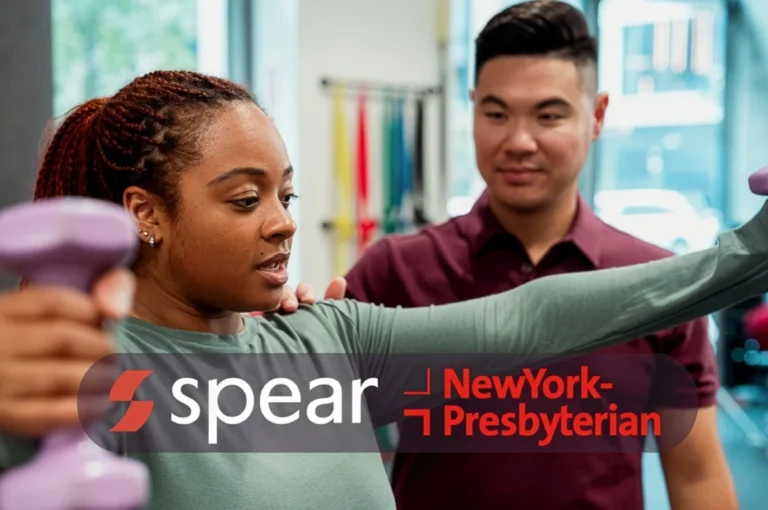







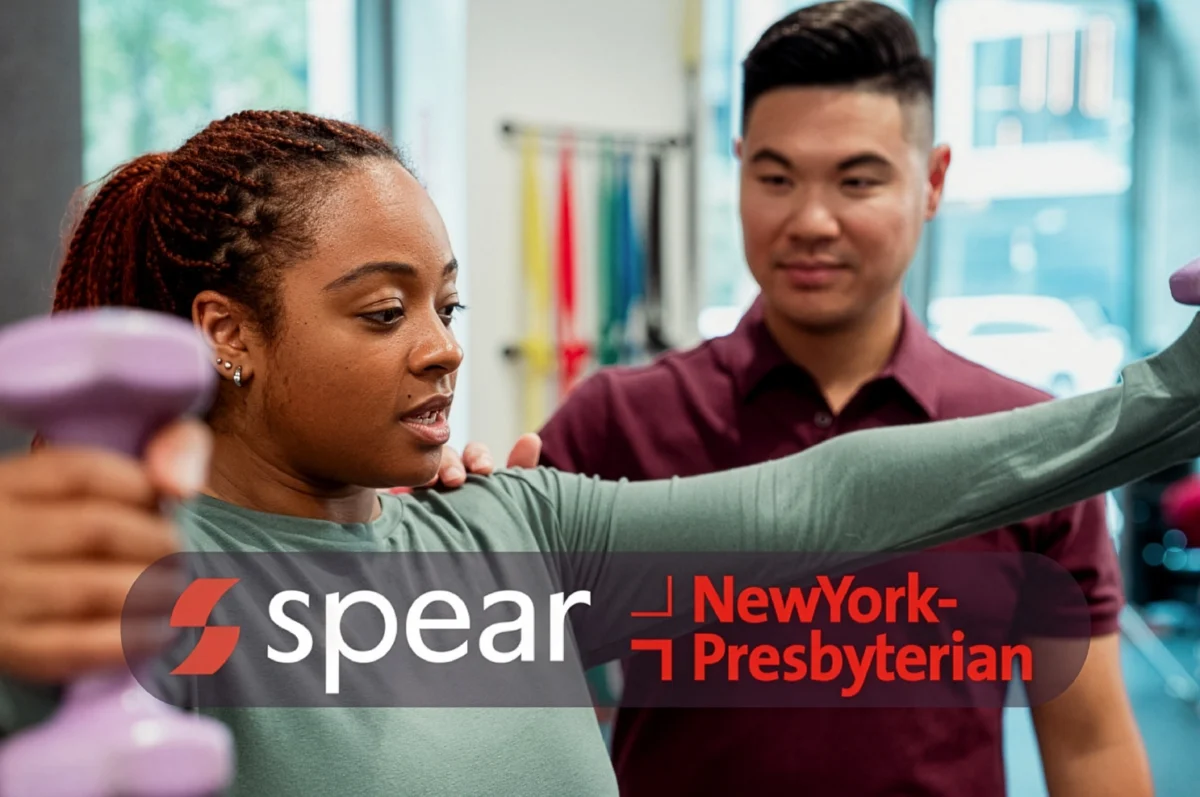
NEW YORK, NY – In a significant move set to redefine access to comprehensive rehabilitation services, Spear, an award-winning leader in outpatient physical and occupational therapy, and NewYork-Presbyterian, one of the nation’s most comprehensive academic healthcare delivery systems, have forged a strategic collaboration. This groundbreaking partnership will see the opening of nine new state-of-the-art rehabilitation centers across New York City and Westchester in 2026, dramatically expanding the availability of high-quality, coordinated physical and occupational therapy for millions of New Yorkers.
The alliance is designed to create a more integrated and seamless patient experience, ensuring continuity of care from acute treatment through long-term recovery. By combining Spear’s proven expertise in outpatient rehabilitation with NewYork-Presbyterian’s extensive clinical network and academic prowess, the initiative promises to enhance musculoskeletal care, streamline patient pathways, and ultimately improve health outcomes across the metropolitan area. This expansion underscores a shared commitment to making exceptional care more accessible and convenient, allowing patients to receive vital therapy closer to their homes and workplaces.
Main Facts: A New Era of Accessible Rehabilitation
The core of this transformative collaboration lies in its commitment to expanding geographical access to specialized physical and occupational therapy. Nine new facilities are slated to open their doors in 2026, strategically located across key boroughs of New York City – including Queens, Manhattan, and Brooklyn – as well as in Westchester County. This targeted expansion addresses a critical need for accessible, high-quality rehabilitation services in densely populated urban and suburban communities.
At its heart, the partnership aims to bridge the gap between hospital-based care and ongoing outpatient recovery. Patients who receive treatment within NewYork-Presbyterian’s vast network, which includes two world-renowned medical schools, Columbia University Vagelos College of Physicians and Surgeons and Weill Cornell Medicine, will now have a more direct and integrated pathway to post-acute rehabilitation. Spear will bring its distinguished model of patient-centered outpatient care, known for its individualized treatment plans and emphasis on functional recovery, to these new locations.
This initiative is not merely about increasing the number of clinics; it’s about fostering a more connected and efficient healthcare ecosystem. By aligning clinical protocols and sharing expertise, the collaboration seeks to optimize every stage of a patient’s recovery journey, from initial diagnosis and acute intervention to sustained rehabilitation and preventive care. The ultimate goal is to empower New Yorkers to regain function, manage pain, and improve their overall quality of life with unparalleled convenience and clinical excellence.
A New Chapter in Rehabilitation Care: A Strategic Chronology
The journey towards this significant collaboration reflects an evolving understanding of modern healthcare delivery and a proactive response to the growing demand for integrated services. While the official launch of the new centers is set for 2026, the strategic alignment between Spear and NewYork-Presbyterian is the culmination of careful planning and a shared vision for the future of rehabilitation.
The Genesis of a Strategic Alliance
The strategic rationale behind this collaboration is deeply rooted in the current landscape of healthcare. In recent years, there has been a noticeable shift towards outpatient care models, driven by patient preference for convenience, advancements in medical technology, and the economic efficiency of non-hospital settings. Both Spear and NewYork-Presbyterian have independently been at the forefront of delivering high-quality care within their respective domains. Spear has built an award-winning reputation for its comprehensive outpatient physical and occupational therapy services, characterized by a commitment to clinical excellence and a patient-first approach. NewYork-Presbyterian, with its vast network of hospitals, specialty centers, and academic affiliations, provides a continuum of care that spans complex medical interventions to community-based health initiatives.
The decision to formally collaborate represents a strategic recognition that optimal patient outcomes often require seamless transitions between different levels of care. For musculoskeletal conditions, injuries, and post-operative recovery, the period following acute treatment is crucial. Integrating outpatient rehabilitation directly into the patient care pathway can significantly reduce recovery times, prevent complications, and enhance long-term functional independence. This partnership allows both organizations to leverage their distinct strengths, creating a synergistic model that is greater than the sum of its parts. Discussions leading to this collaboration likely focused on identifying areas of unmet need, opportunities for clinical pathway alignment, and the potential for a truly integrated patient experience that minimizes fragmentation often seen in complex healthcare systems.
A Phased Expansion: The 2026 Rollout
The year 2026 marks the pivotal moment for the official rollout of the nine new rehabilitation centers. This timeline suggests a meticulous planning phase currently underway, encompassing site selection, facility build-out or renovation, staffing, and the integration of clinical systems. The strategic placement of these nine locations across New York City’s bustling boroughs (Queens, Manhattan, Brooklyn) and the vibrant community of Westchester is a deliberate effort to maximize accessibility. These areas represent diverse populations with varying healthcare needs, from young professionals seeking sports injury recovery to an aging demographic requiring rehabilitation for age-related conditions or post-surgical support.
The selection of these locations is likely informed by detailed demographic analysis, existing healthcare infrastructure, and patient flow data from NewYork-Presbyterian’s current facilities. The goal is to establish points of care that are not only geographically convenient but also strategically positioned to serve communities with the highest demand for specialized physical and occupational therapy. This phased expansion allows for a controlled and optimized launch, ensuring that each new center meets the rigorous standards of clinical excellence and patient experience that both Spear and NewYork-Presbyterian are known for. It also provides time for comprehensive training and integration of staff, ensuring a cohesive approach to care delivery across all new sites. The 2026 launch signifies not just an opening, but the culmination of a significant investment in infrastructure, human capital, and clinical innovation designed to serve New Yorkers for years to come.
Supporting Data and Industry Context: The Growing Demand for Rehabilitation
The collaboration between Spear and NewYork-Presbyterian is not simply an organizational initiative; it is a direct response to compelling demographic shifts and a growing body of evidence highlighting the critical importance of rehabilitation services in modern healthcare.
The Growing Need for Outpatient Rehabilitation
Musculoskeletal conditions represent a significant global health burden, affecting millions of individuals worldwide and leading causes of disability. In the United States, conditions such as chronic back pain, osteoarthritis, sports injuries, and post-operative recovery necessitate ongoing physical and occupational therapy. According to various health organizations, musculoskeletal disorders are a leading cause of missed workdays and disability, imposing substantial economic costs through healthcare expenditures and lost productivity. New York City and Westchester, with their diverse and active populations, are particularly impacted by these trends. The aging population further amplifies this need, as older adults are more prone to falls, fractures, and chronic conditions that require rehabilitative interventions to maintain independence and quality of life.
Outpatient rehabilitation, specifically physical and occupational therapy, plays a pivotal role in addressing these challenges. These therapies help patients regain strength, mobility, and function, manage pain, prevent recurrence of injuries, and adapt to physical limitations. By providing structured, individualized treatment plans, therapists empower patients to actively participate in their recovery. Early and consistent access to rehabilitation has been shown to reduce the need for more invasive treatments, decrease reliance on pain medication, and significantly improve long-term functional outcomes. This makes outpatient rehabilitation a cornerstone of a sustainable and effective healthcare system, offering both clinical benefits to patients and economic benefits by reducing hospital readmissions and the overall burden on acute care facilities.
The Value Proposition of Integrated Care
The "connected experience" and "coordinated approach" emphasized by Spear and NewYork-Presbyterian are not merely buzzwords; they represent an evidence-based paradigm shift in healthcare delivery. Traditional healthcare systems often operate in silos, where patients navigate disjointed pathways between primary care, specialists, hospitals, and rehabilitation centers. This fragmentation can lead to delays in care, duplication of services, miscommunication, and ultimately, poorer patient outcomes and increased frustration.
Integrated care models, like the one proposed by this collaboration, aim to overcome these challenges. By linking outpatient rehabilitation directly with a comprehensive hospital system and its academic affiliates, the patient journey becomes more seamless. Information sharing is enhanced, treatment plans can be more consistently aligned with overarching medical goals, and patients benefit from a unified approach to their health. This model leverages the unique strengths of each partner: Spear’s deep expertise in specialized outpatient therapy techniques and patient engagement, combined with NewYork-Presbyterian’s broad spectrum of specialty care, advanced diagnostics, and research-driven medical practices. The result is a holistic approach to musculoskeletal care that focuses on continuity, efficiency, and clinical excellence, ultimately leading to faster recovery times, improved functional independence, and higher patient satisfaction. This integrated model is a testament to the growing understanding that optimal health outcomes are achieved when all components of a patient’s care journey are harmonized.
Leveraging Academic Excellence
A distinguishing feature of the NewYork-Presbyterian system is its profound connection to two of the nation’s most prestigious academic institutions: Columbia University Vagelos College of Physicians and Surgeons and Weill Cornell Medicine. This academic affiliation is not merely an institutional descriptor; it is a vital engine for clinical excellence, innovation, and the continuous advancement of medical knowledge. The collaboration with Spear stands to significantly benefit from this intellectual capital.
These medical schools are at the forefront of medical research, continually exploring new diagnostic techniques, treatment modalities, and rehabilitation strategies. Their involvement ensures that the rehabilitation services offered through the new centers will be grounded in the latest scientific evidence and best practices. Therapists and clinicians at the new facilities will have access to cutting-edge research findings, participate in academic discussions, and potentially contribute to ongoing studies. This environment fosters a culture of continuous learning and improvement, ensuring that patients receive the most advanced and effective care available. Furthermore, the academic connection facilitates robust clinical education and professional development opportunities, allowing rehabilitation professionals to engage in interdisciplinary learning, share complex case studies, and refine their skills under the guidance of leading experts. By integrating academic rigor into everyday clinical practice, the partnership elevates the standard of rehabilitation care and positions the new centers as hubs of innovation and excellence within the field.
Official Responses and Vision: A Shared Commitment to New Yorkers
The official statements from the leadership of both Spear and NewYork-Presbyterian underscore a profound shared vision centered on patient well-being, accessibility, and clinical superiority. These responses articulate not just the operational details of the collaboration, but the philosophical underpinnings driving this significant expansion.
Voices from the Leadership
Dan Rootenberg, CEO and co-founder of Spear, eloquently captured the essence of the partnership, stating, "By combining Spear’s award-winning outpatient expertise with NewYork-Presbyterian’s leading experts and comprehensive care, we can better align clinical pathways, expand access to exceptional care, and help more New Yorkers get the right care at the right time." Rootenberg’s emphasis on "aligning clinical pathways" highlights the strategic intent to create a seamless continuum of care, eliminating the fragmentation that can often hinder patient recovery. His reference to "the right care at the right time" speaks to the precision and efficiency this integrated model aims to deliver, ensuring patients receive timely and appropriate interventions that optimize their rehabilitation journey. The personal touch of being "a lifelong New Yorker raised in Brooklyn" further emphasizes the deep-seated commitment to community impact, reflecting a desire to serve fellow New Yorkers by improving "value, efficiency, and outcomes" in a tangible way.
Dr. Deepa Kumaraiah, executive vice president and chief operating officer at NewYork-Presbyterian, echoed this sentiment, affirming, "NewYork-Presbyterian and Spear share a commitment to delivering exceptional care that is accessible and convenient for patients. By expanding access to physical and occupational therapy across New York City and Westchester, we can help more patients receive coordinated rehabilitation services closer to home and support them throughout their recovery." Dr. Kumaraiah’s statement reinforces the dual pillars of this collaboration: excellence and accessibility. Her focus on "coordinated rehabilitation services closer to home" directly addresses the practical needs of patients, reducing logistical burdens and fostering greater adherence to therapy protocols. The overarching message from both leaders is clear: this partnership is a deliberate, patient-centric strategy designed to elevate the standard of rehabilitation care in the New York metropolitan area.
A Commitment to Community Well-being
Beyond the operational benefits, the collaboration represents a profound commitment to public health and community well-being. Improved access to physical and occupational therapy has far-reaching societal benefits. It enables individuals to return to work faster, reducing economic strain; it helps seniors maintain their independence, enhancing their quality of life; and it provides crucial support for athletes and active individuals to recover from injuries, allowing them to pursue their passions safely.
This initiative aligns perfectly with broader public health goals of preventive care and chronic disease management. Effective rehabilitation can prevent minor injuries from becoming chronic conditions, reduce the need for more invasive and costly medical interventions, and improve the overall health literacy of communities. By making specialized therapy more convenient and integrated with a leading healthcare system, Spear and NewYork-Presbyterian are actively investing in the long-term health and resilience of New York’s diverse communities. The collaboration stands as a testament to the belief that access to high-quality rehabilitation is not a luxury, but a fundamental component of comprehensive healthcare.
Implications and Future Outlook: A Holistic Approach to Health
The establishment of nine new rehabilitation centers through the Spear and NewYork-Presbyterian collaboration carries significant implications for patients, healthcare professionals, and the broader healthcare landscape of the New York metropolitan area. This partnership is poised to set new benchmarks for integrated care and rehabilitation excellence.
Enhanced Patient Journey and Outcomes
For patients, the most immediate and profound implication of this collaboration will be a significantly enhanced journey through the healthcare system. The creation of a "more seamless experience" means that patients referred for rehabilitation from NewYork-Presbyterian’s extensive network will benefit from streamlined processes. This could include shared electronic health records, ensuring that rehabilitation therapists have immediate access to a patient’s medical history, diagnostic images, and surgical reports. Such integration minimizes administrative burdens, reduces the likelihood of duplicated tests, and allows for a more consistent and informed approach to treatment.
Patients can expect a more collaborative care model where their rehabilitation specialists are in direct communication with their referring physicians and other members of their care team. This integrated communication fosters a holistic view of the patient’s health, allowing for tailored rehabilitation plans that are fully aligned with their overall medical management. The proximity of the new centers to patients’ homes and workplaces also promises to increase adherence to therapy schedules, which is a critical factor in successful recovery. Ultimately, these factors are expected to lead to better clinical outcomes, including faster recovery times, improved functional independence, reduced pain, and enhanced long-term well-being and satisfaction. The convenience factor itself can reduce stress and allow patients to focus more fully on their recovery without logistical hurdles.
Advancing Clinical Education and Professional Development
Beyond patient care, this collaboration is a powerful catalyst for professional growth and development within the field of rehabilitation. The article explicitly mentions "opportunities for clinical education and professional development initiatives that support rehabilitation excellence across both organizations." This is a critical component for fostering a highly skilled and innovative workforce.
These opportunities could manifest in several ways:
- Joint Training Programs: Therapists from both organizations could participate in shared training programs, workshops, and seminars, ensuring a consistent application of best practices and cutting-edge techniques.
- Interdisciplinary Learning: The collaboration will likely facilitate interdisciplinary learning between physical therapists, occupational therapists, physicians, and other healthcare specialists, leading to a richer understanding of patient conditions and integrated treatment strategies.
- Mentorship and Knowledge Transfer: Experienced clinicians from NewYork-Presbyterian’s academic medical centers could provide mentorship to Spear therapists, and vice versa, fostering a continuous exchange of knowledge and expertise.
- Research Opportunities: The academic affiliations of NewYork-Presbyterian open doors for joint research projects in rehabilitation science, allowing clinicians to contribute to the evidence base and advance the field.
- Specialty Certification and Advanced Skills: Access to specialized training and resources can help therapists pursue advanced certifications and develop expertise in niche areas of rehabilitation, further elevating the quality of care.
This commitment to professional development ensures that the rehabilitation professionals within both organizations remain at the forefront of their field, equipped with the latest knowledge and skills to provide exceptional care.
Shaping the Future of Rehabilitation in New York
The long-term vision of this collaboration extends beyond the immediate benefits of expanded access and enhanced care. It aims to fundamentally reshape the landscape of rehabilitation services in New York City and Westchester. By establishing a new standard for integrated, accessible, and academically informed rehabilitation, Spear and NewYork-Presbyterian are poised to become a model for other healthcare systems nationally.
This partnership demonstrates a proactive approach to addressing the evolving needs of a complex urban and suburban population. It signifies a move towards preventative and restorative care that is deeply embedded within a comprehensive healthcare network. As the population continues to age and the demand for effective rehabilitation grows, such integrated models will become increasingly vital. The success of this collaboration could inspire similar initiatives, fostering a more interconnected and patient-centric healthcare environment across the region.
Ultimately, this landmark alliance represents a significant investment in the health and vitality of New Yorkers. By bringing together unparalleled expertise, expanding access, and fostering a culture of continuous improvement, Spear and NewYork-Presbyterian are not just opening new clinics; they are laying the groundwork for a healthier, more mobile, and more resilient community for generations to come. To learn more about this transformative initiative, interested parties are encouraged to visit spearcenter.com.