










As we navigate the complexities of aging, the metrics we use to define "fitness" often shift. In our younger years, gym culture prioritizes aesthetics—the six-pack, the bicep peak, or the heavy deadlift. However, as we cross the threshold into our 60s and beyond, the focus shifts toward functional longevity: the ability to move through the world with stability, confidence, and independence.
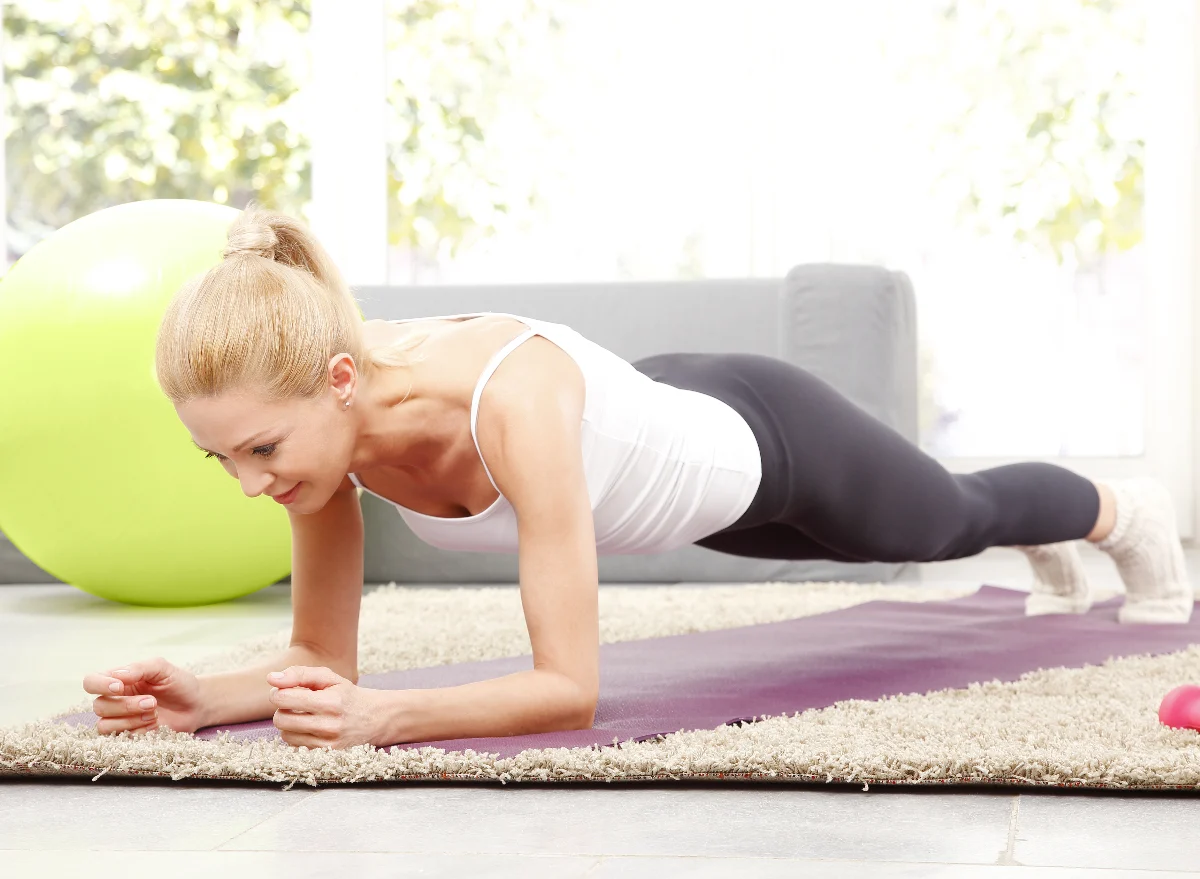
While traditional abdominal exercises like crunches have long been a staple of home workouts, modern exercise science suggests they are an incomplete solution. To truly measure—and improve—the structural integrity of your body, there is one movement that stands above the rest: the forearm plank.
The Science of the Core: Why Planks Outperform Crunches
For decades, the sit-up and the crunch were considered the "gold standard" for abdominal training. However, biomechanical research has shifted the narrative. A crunch is an isolated movement, targeting primarily the rectus abdominis—the front-most muscle of the abdominal wall. While this may create definition, it does little to address the "girdle" of muscles that actually stabilize the spine.
Conversely, a properly executed forearm plank is a full-body engagement exercise. According to studies published in the Journal of Applied Biomechanics, the plank recruits the entire core complex: the rectus abdominis, the internal and external obliques, the transverse abdominis (the deepest layer of muscle that acts like a natural corset), the erector spinae (along the back), and the stabilizer muscles in the hips and shoulders.
For individuals over 60, this recruitment is vital. Core endurance is the primary defense against the sedentary decline that often leads to chronic lower back pain and balance issues. By forcing these muscle groups to work in unison, the plank acts as a diagnostic tool for how well your body can manage its own weight against gravity.
The Crucial Link Between Stability and Aging
The risk of falling is one of the most significant health concerns for older adults. Statistics from the Centers for Disease Control and Prevention (CDC) indicate that one in four Americans aged 65 or older reports a fall each year. While external factors—such as uneven surfaces or poor lighting—often get the blame, the internal culprit is almost always a decline in neuromuscular stability.
As we age, we experience a natural reduction in muscle mass and a decrease in sensory feedback from our joints. This leads to a degradation of postural control. A strong, stable core acts as the "control center" for the body. When you reach for a high shelf, step off a curb, or simply turn to greet a friend, your core muscles are the first to fire, providing the tension required to prevent a loss of balance.
Testing your plank endurance is not about vanity; it is about assessing your "functional reserve." If your core is weak, your body compensates by placing undue stress on your lower back and knees, accelerating wear and tear.

Expert Insight: Defining the 60-Second Benchmark
To understand how to interpret these findings, we consulted James Brady, CPT, a certified personal trainer at OriGym. Brady emphasizes that while we must avoid "one-size-fits-all" fitness mandates, there is a clear distinction between basic function and optimal endurance.
"If you can hold a strict forearm plank for around 60 seconds after 60, I would consider that an excellent level of core endurance," says Brady. "There is no official age-specific benchmark that makes 60 seconds a magic number, but maintaining good form for a full minute requires considerable control from the abdominals, back, hips, and shoulders."
Brady clarifies that this is a target to work toward, not a rigid standard that dictates your health. "Treat a full minute as an excellent goal. The real magic happens in the consistency of your training, not the arbitrary number on a stopwatch."
Chronology of a Perfect Plank: A Step-by-Step Guide
To reap the benefits of the plank, you must prioritize form over duration. A "long" plank with poor form is essentially useless—or worse, it can lead to injury. Here is how to perform the movement safely and effectively:
- The Setup: Begin by lying face down on a flat, non-slip surface. Place your elbows directly beneath your shoulders, with your forearms parallel to one another.
- The Elevation: Tuck your toes and lift your hips off the floor. Your body should form a straight, rigid line from your crown to your heels.
- The Engagement: Squeeze your glutes and pull your belly button toward your spine. This "bracing" action is what protects your lumbar spine.
- The Gaze: Keep your neck neutral by looking at a point on the floor just beyond your hands. Do not drop your head or look forward.
- The Breathing: Do not hold your breath. Maintain rhythmic, steady breaths to ensure oxygen continues to reach your muscles.
The "Form First" Mandate: Why Quality Beats Quantity
The most common mistake trainers see in clients over 60 is the "sagging" or "peaking" plank. When the core tires, the body looks for the path of least resistance. Usually, this means the hips sink toward the floor (placing extreme pressure on the lower back) or the hips pike high into the air (shifting the work away from the core and into the shoulders).
"If your form starts to break down after 30 seconds, stopping there is more beneficial than holding on for another minute with poor technique," Brady explains. "A shorter, clean hold builds real strength and protects your back; a long, sagging one does neither."
If you find that your hips begin to sag before the 30-second mark, do not be discouraged. This is simply a sign that your deep stabilizers need more stimulation. By stopping at the moment of breakdown, you are training your muscles to recognize their limit, which allows you to build strength safely.
Implications for Longevity and Daily Living
What happens when you consistently integrate this movement into your routine? The implications extend far beyond the gym floor.
1. Enhanced Postural Alignment
A consistent plank routine encourages the body to default to a more upright, neutral spine. This reduces the "slump" that often accompanies aging and keeps your internal organs in optimal alignment.
2. Pain Mitigation
Many chronic back issues are the result of weak transverse abdominis muscles. By strengthening this "natural corset," you provide the spine with the support it needs to handle daily loads, often resulting in a significant reduction in lower back discomfort.
3. Increased Confidence in Motion
There is a psychological component to stability. When you know your body is capable of bracing itself, you move with more confidence. This confidence prevents the "fear of falling," which is a primary driver of inactivity in the elderly.
Developing a Routine: The Path to 60 Seconds
If you are currently unable to reach the one-minute mark, treat it as a project. Start by testing your maximum hold time once a week.
- Week 1-4: Aim for three sets of whatever your "perfect form" duration is (e.g., three sets of 20 seconds).
- Week 5-8: Attempt to increase each set by 5 seconds.
- Rest and Recovery: Never plank every single day to failure. Your muscles grow during recovery, not during the exercise. Three to four times per week is the "sweet spot" for most adults over 60.
As your time increases, you will notice that other activities—carrying groceries, playing with grandchildren, or gardening—become easier. You are not just building muscle; you are building the capacity to remain active, mobile, and independent for years to come.
In conclusion, the forearm plank is perhaps the most honest assessment of your physical state. It does not require expensive equipment or a high-tech gym. It requires only your body and your commitment. By dedicating yourself to this simple, foundational movement, you are making a profound investment in the quality of your future life. Start today, focus on your form, and watch how quickly your body responds.