








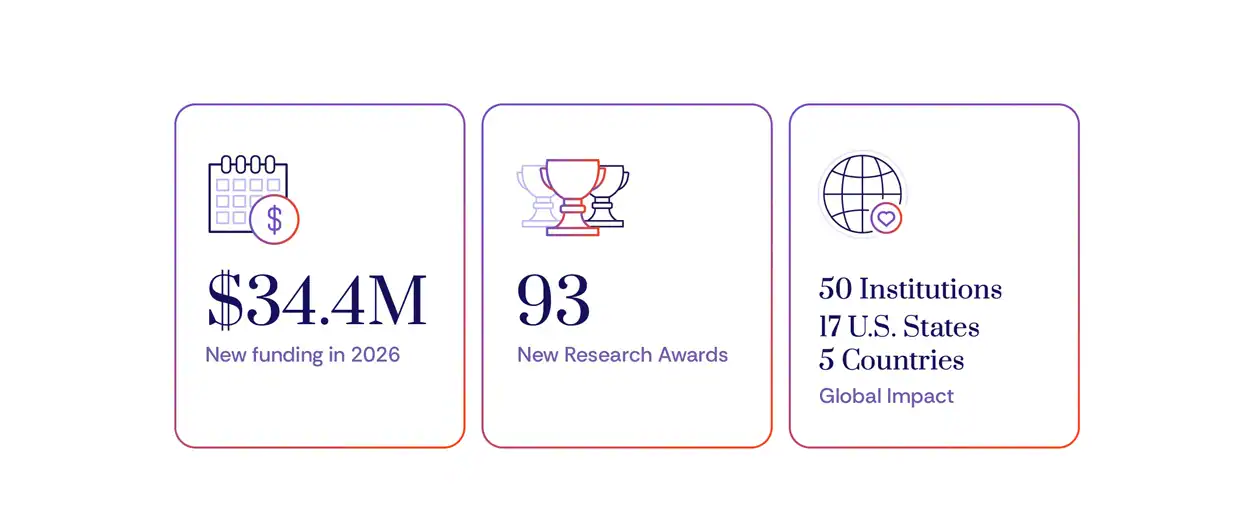
In an era defined by fiscal volatility and shifting scientific priorities, the Cancer Research Institute (CRI) has taken a definitive stand against the tide. As global research environments face tightening budgets and the narrowing of funding pipelines, CRI has responded not with caution, but with its most ambitious commitment to date. By channeling $34.4 million into the scientific frontier during the 2025–26 fiscal year, the organization is reinforcing its seven-decade mandate: to ensure that the most promising ideas in cancer immunology do not stall for lack of capital.
Main Facts: A Historic Milestone in Cancer Research
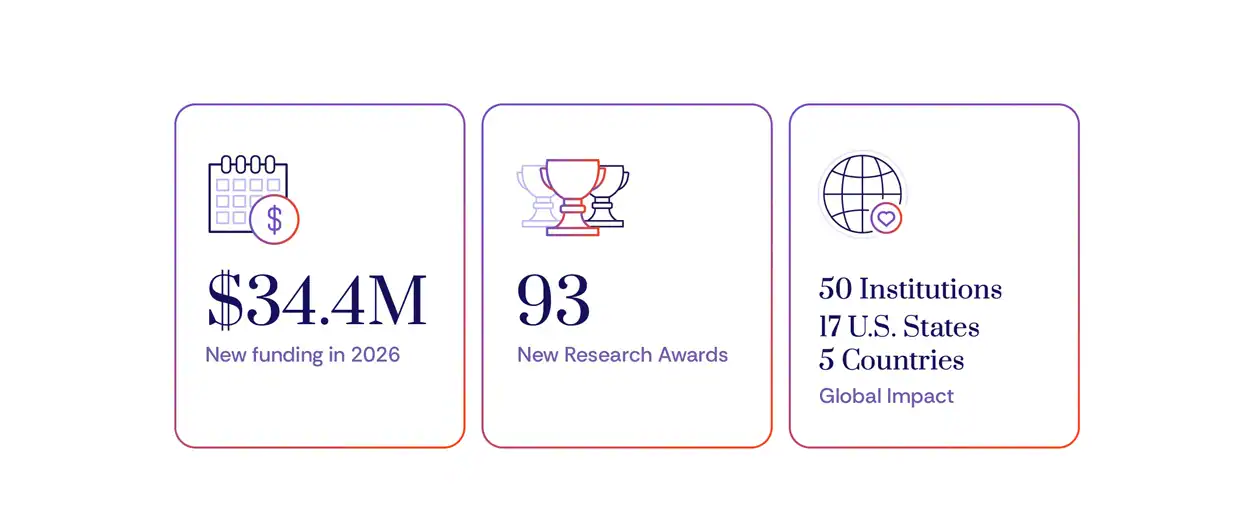
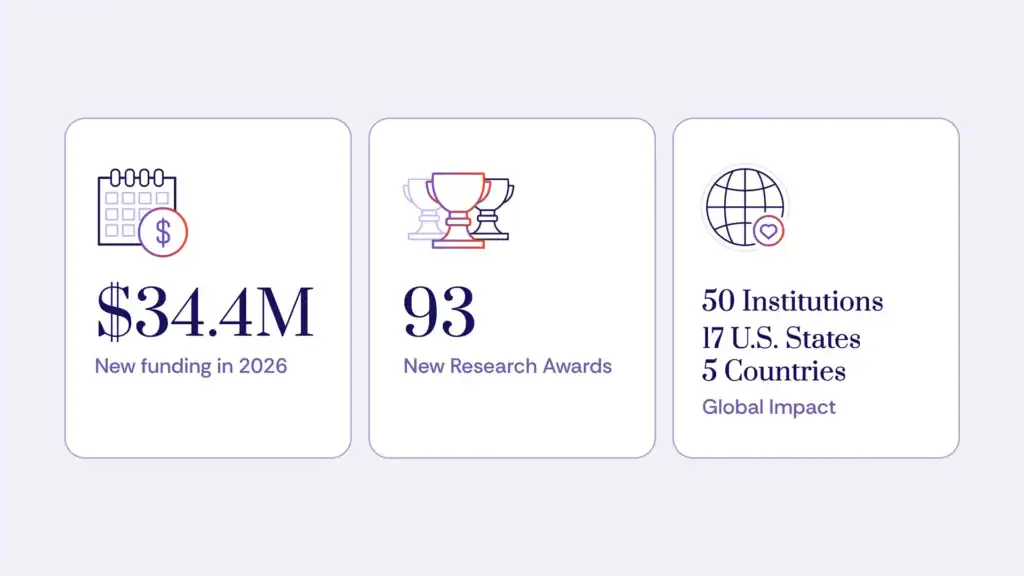
The fiscal year 2025–26 marks a watershed moment for the CRI. With a record-breaking $34.4 million committed across 93 distinct awards, the institute has expanded its reach across 50 institutions in 17 states and five countries. This is not merely a record of volume; it is a strategic injection of resources into a fragile ecosystem.
The core mission remains the advancement of cancer immunotherapy—the transformative field of treating cancer by harnessing the body’s own immune system. By providing the financial bedrock for researchers at every stage of their professional journey, CRI ensures that the "valley of death"—the period where promising research often fails due to a lack of bridge funding—is minimized, if not eliminated entirely.
Chronology: Seven Decades of Unwavering Support
To understand the current impact of the CRI, one must view it through the lens of a 70-year history of risk-taking.
- 1950s–1980s (The Foundation): Established during a time when immunotherapy was largely considered a fringe science, CRI served as the primary financier for pioneers who believed in the power of the immune system to fight malignancy.
- 1990s–2010s (The Breakthrough Era): As the field gained mainstream scientific validity, CRI pivoted to support the transition of clinical theories into tangible treatments, funding early trials that would eventually lead to the checkpoint inhibitor revolution.
- 2025–2026 (The IGNITE Era): Facing contemporary funding cuts, CRI launched the IGNITE (Inspiring Growth and Nurturing Independence Through Excellence) Award. This program specifically targets the "vulnerable transition" of postdoctoral fellows moving into independent principal investigator (PI) roles—a period where many careers, and potentially life-saving research, are lost to industry or administrative hurdles.
Supporting Data: The Anatomy of an Investment
The $34.4 million investment is structured to provide a "continuum of support." This approach ensures that a researcher’s journey is not interrupted by the arbitrary expiration of grant cycles.
The Continuum Model:
- Postdoctoral Fellowships: Serving as the entry point, these grants launch careers by allowing emerging scientists to specialize in immunology.
- IGNITE Awards: The critical bridge. These grants provide the necessary capital for researchers to establish their own laboratories, define their original scope of inquiry, and generate the preliminary data required to compete for long-term federal or large-scale private funding.
- CRI Lloyd J. Old STAR Awards: Designed for established investigators, these awards provide the freedom to pursue high-risk, high-reward inquiries that traditional, more conservative funding bodies often reject.
The geographic distribution of these funds—spanning five countries—highlights the global nature of cancer research. By funding 93 awards, CRI is not just betting on one "silver bullet," but rather cultivating a broad, resilient garden of scientific inquiry.
Case Study: Dr. Simone Park and the Future of Memory T Cells
The success of CRI’s philosophy is perhaps best illustrated by Dr. Simone Park, an inaugural IGNITE Award recipient at the University of Pennsylvania. Dr. Park’s career trajectory serves as a blueprint for the "continuum of support."
Having initially received support from CRI during her postdoctoral tenure, Dr. Park is now utilizing the IGNITE Award to launch an independent program focused on tissue-resident memory T cells. These specialized cells represent a frontier in cancer treatment: they reside within tissues rather than just circulating in the blood, acting as "sentinels" that may provide long-term, durable protection against tumor recurrence.
Dr. Park’s research is investigating the biological mechanisms that allow these cells to persist. By decoding why some T cells remain functional and others become exhausted, she hopes to develop novel therapeutic strategies that turn the body into a permanent, cancer-resistant environment. Her work, and the success of the IGNITE program, demonstrates that when scientists are given the "freedom to follow the science," they are far more likely to produce clinical breakthroughs that alter the landscape of oncology.
Implications: Building an Ecosystem, Not Just Funding Projects
CRI’s impact extends far beyond the checkbooks of researchers. In the current scientific landscape, funding alone is often insufficient. To translate complex biology into clinical reality, the institute has developed a multifaceted ecosystem:
- Clinical Study Advancement: Ensuring that research finds its way into the clinic, where it can reach the patients who need it most.
- Computational Empowerment: As cancer research becomes increasingly data-driven, CRI is equipping scientists with the advanced computational skills necessary to analyze the massive datasets generated by modern genomic and proteomic studies.
- Patient Advocacy and Education: Recognizing that patients and caregivers are key stakeholders, the institute provides transparent, accessible information to help them navigate the complexities of immunotherapy, fostering an environment of informed, empowered patient participation.
The Macro View: Responding to Uncertainty
The decision to increase funding during a period of national economic uncertainty is a calculated strategy. The leadership at CRI recognizes that scientific progress is not linear; it is cumulative. If the pipeline of early-career investigators is severed due to temporary funding fluctuations, the clinical breakthroughs of the 2030s and 2040s will be lost before they even begin.
By acting as a counter-cyclical force, CRI is protecting the "human capital" of the scientific community. They are effectively signaling to the next generation of researchers that their bold, high-risk inquiries are valued, even when the broader economic climate is hostile to innovation.

Looking Forward: A Promise Kept
The 2026 Annual Impact Report, which highlights these record-setting contributions, is described by leadership as a "record of promises kept." These promises are threefold: to the scientists whose vision requires protection, to the patients who are waiting for the next generation of therapies, and to the supporters whose belief in research drives the entire engine.
As we look to the remainder of the decade, the implications are clear: the challenges in cancer research—be they biological, logistical, or fiscal—are significant. However, the structure CRI has built is designed to endure. By focusing on the "exceptional people" rather than just the "current trends," the institute is ensuring that the pace of discovery remains constant.
The message from the Cancer Research Institute is one of resolve. Despite the external pressures that characterize our current moment, the internal commitment to curing cancer remains absolute. As the organization notes in its latest dispatch: "There is extraordinary work still ahead of us. And we’re just getting started."
In the high-stakes world of medical research, where the line between a theory and a cure is often measured in decades, the Cancer Research Institute has proven that sustained, strategic, and bold investment is the only reliable path to progress. Through programs like IGNITE and their broader commitment to a researcher-centric ecosystem, they are not just watching the future of medicine unfold; they are actively shaping it.