











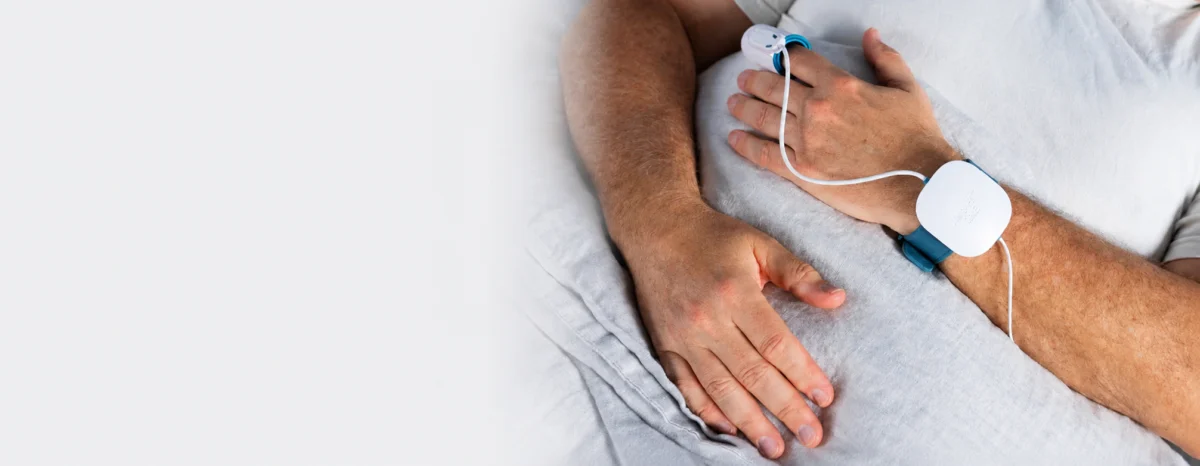
In recent years, the medical landscape has been transformed by the emergence of glucagon-like peptide-1 receptor agonists (GLP-1s). While drugs like Ozempic, Wegovy, and Zepbound have gained household-name status for their efficacy in managing type 2 diabetes and promoting significant weight loss, a new frontier has emerged: the treatment of obstructive sleep apnea (OSA). For the millions of Americans struggling with the dangerous, gasping interruptions of sleep apnea, these medications represent more than just weight management tools—they offer a potential pathway to better breathing and improved quality of life.
However, the intersection of weight-loss pharmacology and sleep medicine is complex, fraught with insurance hurdles, regulatory nuances, and the critical need for medical supervision.
The Physiology of the Connection: Why Weight Matters in Sleep Apnea
To understand why a diabetes medication might help someone stop snoring or avoid the nightly struggle of OSA, one must first understand the mechanics of the condition. Obstructive Sleep Apnea occurs when the upper airway becomes blocked during sleep. This physical obstruction leads to breathing pauses—episodes of apnea—that can last anywhere from 10 to 30 seconds and occur dozens of times throughout a single night.
The link between obesity and OSA is profound. Excess tissue, particularly fat deposits around the neck and throat, acts as a physical weight that narrows the airway. When a person enters deep sleep, the muscles in the throat relax, and this excess tissue collapses, choking off the airflow. Statistically, the correlation is impossible to ignore: approximately 31% of people with OSA are classified as obese, and an additional 44% are considered overweight.
Current clinical research suggests that the weight-loss mechanism of GLP-1s—which work by mimicking hormones that regulate appetite and blood sugar—can significantly alleviate these structural pressures. A landmark study review revealed that a 20% reduction in Body Mass Index (BMI) correlates with a 57% reduction in the severity of sleep apnea symptoms. By reducing overall body mass and, specifically, the fat deposits surrounding the airway, patients often see a dramatic improvement in their Apnea-Hypopnea Index (AHI).
Chronology of Clinical Recognition and FDA Approval
The evolution of GLP-1s from specialized diabetes treatments to potential sleep apnea therapies has been rapid.
- The Diabetes Foundation: Initially, drugs like semaglutide (Ozempic) were strictly labeled for the management of type 2 diabetes. Their weight-loss properties were observed as a beneficial side effect.
- Weight Loss Expansion: As the efficacy of semaglutide (Wegovy) and tirzepatide (Zepbound) in weight management became undeniable, the FDA granted approvals for these specific formulations for obesity treatment.
- The 2024 Breakthrough: The most significant shift occurred in 2024, when the FDA officially approved tirzepatide (Zepbound) for the treatment of moderate to severe obstructive sleep apnea in adults with obesity. This approval was predicated on extensive clinical trials demonstrating that tirzepatide could lower the AHI—a measure of how many times a person stops breathing per hour—more effectively than a placebo, while also improving secondary markers like daytime sleepiness and blood pressure.
Supporting Data: Why Not All GLP-1s are Equal
While the class of GLP-1s is often grouped together in casual conversation, medical data indicates varying levels of efficacy for OSA. Clinical trials have shown that tirzepatide (Zepbound) often outperforms older GLP-1 agents like liraglutide (Saxenda) in reducing sleep-related breathing disturbances.
The data suggests that the physiological benefits of these drugs extend beyond simple weight loss. Patients on tirzepatide have reported significant reductions in systolic and diastolic blood pressure, which is vital because hypertension is a common comorbid condition in OSA patients. By addressing the metabolic drivers of obesity and the cardiovascular strain caused by sleep deprivation, these medications treat the "whole patient" rather than just the airway obstruction.
The Insurance Landscape: A Complex Web of Coverage
Despite the clinical promise, navigating the financial aspect of GLP-1 treatment is a common source of frustration for patients.
Is Ozempic Covered for Sleep Apnea?
In short: No. Because Ozempic is currently FDA-approved exclusively for type 2 diabetes, most insurance carriers will not cover it if the primary diagnosis is OSA. When a doctor prescribes a medication for a use not specifically indicated by the FDA, it is considered "off-label." Most insurers strictly prohibit coverage for off-label use, regardless of the anecdotal or clinical success a patient may have experienced.
The Rise of Zepbound Coverage
The 2024 FDA approval of Zepbound for OSA has shifted the landscape. As the drug is now "on-label" for this specific condition, insurers are beginning to add it to their formularies. However, this comes with strings attached. Most insurance providers utilize "prior authorization" processes that require the following:
- A documented high BMI.
- Evidence of structural airway obstruction confirmed by a sleep study.
- A documented history of failed or intolerable attempts with traditional treatments, such as Continuous Positive Airway Pressure (CPAP) therapy.
How to Navigate the System: A Step-by-Step Guide
If you believe a GLP-1 medication is the right path for your health journey, the following steps are essential:
- Check Your Formulary: Visit your insurance provider’s website to access their "formulary" list. This document outlines exactly which drugs are covered and at what tier.
- Contact Member Services: If the formulary is ambiguous, call the number on your insurance card. Specifically ask about coverage for "weight loss medications" and "sleep apnea treatment."
- The "Medical Necessity" Appeal: If you are denied coverage, you have the right to appeal. This is where your physician’s documentation is critical. If your doctor can provide clinical notes proving that your OSA is severe and that other treatments have failed, it can force an insurance review.
- The External Review: If an internal appeal is denied, patients can request an external review, where an independent, third-party medical professional re-evaluates the case.
Implications for the Future of Sleep Medicine
The integration of GLP-1s into the treatment protocol for OSA represents a paradigm shift. For decades, the "gold standard" for sleep apnea has been the CPAP machine—a device that provides pressurized air to keep the airway open. While highly effective, CPAP therapy suffers from notoriously low compliance rates; many patients find the masks uncomfortable, loud, or claustrophobic.
If pharmaceutical interventions can reduce the severity of OSA, the implications are massive. It could allow patients to move from severe, life-threatening apnea to mild, manageable levels, potentially reducing their reliance on mechanical support.
However, medical experts warn against viewing these drugs as a "magic bullet." The most successful outcomes in clinical studies were achieved by patients who paired the medication with lifestyle modifications, including a structured caloric deficit and regular physical activity.
Lifestyle Alternatives and Complementary Care
Even if insurance refuses to cover these medications, or if you prefer to avoid pharmacotherapy, significant improvements in sleep apnea symptoms can be achieved through non-surgical, non-pharmacological interventions.
- Caloric Deficit: A sustainable reduction in caloric intake is the most effective way to lower BMI. Consulting a registered dietitian can ensure you are meeting nutritional needs while losing fat mass.
- Physical Activity: The U.S. Department of Health and Human Services recommends 150 to 300 minutes of moderate-intensity exercise per week. Resistance training is particularly effective, as it boosts metabolic rate and helps maintain muscle mass, which in turn improves the body’s ability to regulate glucose and weight.
- Addressing Alcohol and Habits: Reducing or eliminating alcohol before bedtime can prevent throat muscles from becoming overly relaxed, which is a major contributor to nighttime airway collapse.
Conclusion: The Path Forward
The emergence of GLP-1 medications as a viable treatment for sleep apnea is a welcome development, providing a new layer of support for patients who have struggled with the physical and mental toll of chronic sleep deprivation. While the cost remains a barrier for many, the evolving regulatory and insurance landscape suggests a future where these drugs are more accessible to those who need them most.
Patients are encouraged to maintain an open dialogue with their healthcare providers. A sleep specialist, in coordination with a primary care physician, can help determine if a GLP-1 is a safe and appropriate component of a broader sleep health strategy. Always remember that these medications carry potential side effects and should only be taken under strict medical supervision. As always, the goal is not just to treat a symptom, but to improve long-term health, energy, and overall quality of life.
Medical Disclaimer: The content on this page is for informational purposes only and should not be taken as medical advice or used as a recommendation for any specific treatment or medication. Always consult your doctor before starting, stopping, or changing your current treatment plan.