










For millions of Americans, the weekly pilgrimage to the grocery store has transformed from a routine chore into a source of genuine financial anxiety. As food inflation continues to exert pressure on household budgets, the dream of maintaining a high-performance, muscle-building diet often feels increasingly unattainable. For the fitness-focused individual—someone who requires a caloric surplus and high protein intake to support rigorous training—the current economic climate is particularly punishing. When the cost of a single grocery haul spirals, it is easy to assume that the only path forward is to sacrifice nutritional quality for the sake of survival, perhaps defaulting to cheap, ultra-processed fillers.
However, the reality is that eating like a champion does not require a luxury budget. It requires a fundamental shift in strategy. By moving away from expensive, hyper-convenient pre-packaged goods and embracing "high-utility" staples, you can slash your food expenditures by up to 30% without compromising your macronutrient requirements.
The Economic Context: Why Your Grocery Bill is Booming
The current inflationary environment is the result of a "perfect storm" of global supply chain disruptions, fluctuating energy costs, and climate-related impacts on agricultural yields. In recent years, consumers have faced significant volatility in key staples. For instance, the 2025 avian influenza outbreak caused egg prices to skyrocket, creating a ripple effect that forced many shoppers to abandon what is arguably the most efficient protein source on the market.
While experts suggest that some of these price shocks are stabilizing, the "new normal" remains significantly higher than pre-2020 levels. For the athlete, this creates a tangible conflict: how do you secure 180 grams of protein a day when the price of chicken breast and lean beef continues to climb? The answer lies in identifying the gap between "perceived" nutrition and "actual" nutrition. Often, consumers pay a premium for convenience—pre-chopped vegetables, skinless/boneless poultry, and name-brand labeling—that adds nothing to their physical performance.
Strategic Grocery Hacks: The 30% Reduction Protocol
To reclaim your financial health while maintaining your physical gains, you must approach the grocery store with the mindset of an investor rather than a passive consumer.
1. The Power of "Can-Do" Nutrition
Canned goods are frequently overlooked by health-conscious shoppers, yet they represent one of the most effective tools for budget optimization. Canned sardines, mackerel, and tuna offer high-quality protein and omega-3 fatty acids at a fraction of the cost of fresh fillets. Similarly, canned beans are an essential pantry staple; they are shelf-stable, fiber-dense, and provide a significant plant-based protein boost to salads, soups, and casseroles. Finally, canned tomatoes—often harvested at the peak of ripeness—offer more flavor and consistency than the pale, out-of-season fresh tomatoes found in the produce aisle during winter months.
2. The Resurgence of the Mighty Egg
Eggs have reclaimed their throne as the king of budget proteins. Following the stabilization of the supply chain after the avian influenza outbreaks of recent years, eggs remain a cost-effective powerhouse. At a cost-per-gram of protein that significantly undercuts red meat, eggs should be a staple not just for breakfast, but for lunch and dinner. Whether scrambled, boiled, or folded into an omelette, they offer a complete amino acid profile that is essential for muscle protein synthesis.
3. Mastering the "Spud" Economy
Carbohydrates are the primary fuel source for high-intensity training. Instead of relying on expensive, processed grain-based snacks or niche "health" cereals, turn to the potato. Potatoes—including sweet, Russet, and Yukon Gold—are among the most nutrient-dense and affordable energy sources available. When purchased in bulk bags, the price per serving drops significantly. They are incredibly versatile, providing the glycogen replenishment necessary for recovery after heavy lifting sessions.
4. Embracing "Neglected" Meat Cuts
The marketing of "premium" cuts like chicken breast and beef tenderloin has driven their prices to unreasonable heights. However, "neglected" cuts—such as chicken thighs, pork loin, and round steak—are often more flavorful and significantly cheaper. These cuts require slightly different cooking techniques, such as slow-cooking or braising, but the nutritional output is identical, and the culinary result is often superior.
5. The Frozen Advantage
Fresh produce is a luxury when it is out of season. Frozen vegetables and fruits are picked and flash-frozen at the peak of their nutritional content, often locking in vitamins more effectively than "fresh" produce that has spent days in transit. Frozen berries, for example, are far cheaper and easier to portion out than fresh cartons, preventing waste and ensuring you always have the fuel you need for a pre-workout smoothie.
6. The Multi-Use Philosophy
Every ingredient in your kitchen should have a secondary purpose. If you buy a bunch of fresh herbs or a bag of vegetables, ensure they are integrated into at least two or three different meals throughout the week. Waste is the silent killer of any budget. By planning your meals around the "cross-utilization" of ingredients, you eliminate the need to buy niche items that sit in the crisper drawer until they spoil.
Low-Cost, High-Performance Meal Plans
To demonstrate the efficacy of these strategies, we have outlined three high-protein, low-cost meals that can be prepared for under $10.
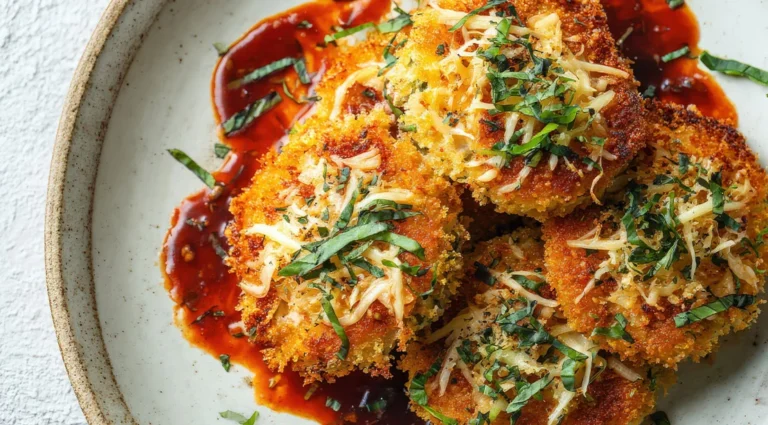
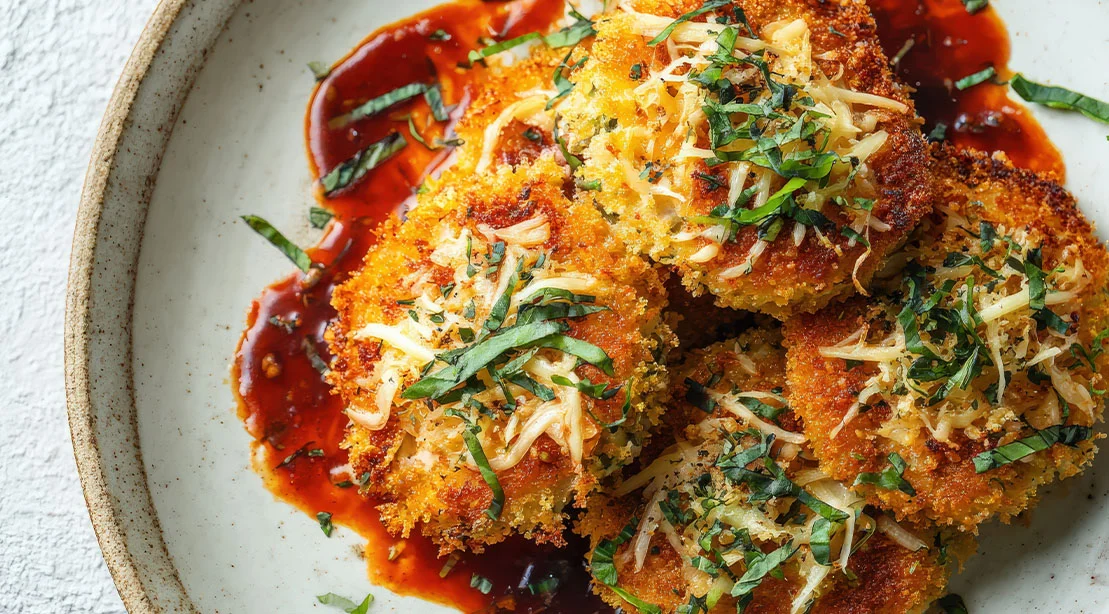
The Lemony Sweet Potato Fish Cake
This meal utilizes the shelf-stable power of canned sardines and the density of sweet potatoes.
- Ingredients: 2 cans of sardines, 1 large sweet potato (mashed), 1 egg, breadcrumbs, red onion, lemon zest/juice, Italian seasoning.
- Method: Combine the mashed sweet potato and drained sardines in a bowl. Fold in the egg and breadcrumbs to bind. Form into patties and pan-fry in a light coating of oil until crispy. Serve with a side of steamed frozen broccoli for a fiber-rich, high-protein dinner.
The Egg and Bean Casserole
Perfect for meal prep, this dish is packed with protein and complex carbohydrates.
- Ingredients: Bread cubes, 6-8 eggs, black beans (canned), spinach (frozen), onion, mushrooms, and a sprinkle of cheddar cheese.
- Method: Sauté the onions and mushrooms, then mix with the beans and spinach. Layer with bread cubes in a baking dish. Whisk the eggs with a splash of milk and pour over the mixture. Bake at 375°F until the center is set. This provides a balanced macro-profile for a breakfast or post-workout meal.
Pumpkin Butter Chicken
A budget-friendly riff on a classic, replacing heavy cream with nutrient-dense pumpkin purée.
- Ingredients: Chicken thighs (cut into chunks), onion, ginger, garlic, garam masala, turmeric, cumin, canned chickpeas, coconut milk, and pumpkin purée.
- Method: Sauté the chicken and onions with aromatics. Add the spices and chickpeas, then pour in the coconut milk and pumpkin purée. Simmer until thickened. The pumpkin adds a creamy texture and significant fiber, while the chickpeas boost the protein content of the meal significantly.
Implications for the Future of Nutrition
The current economic landscape has forced a necessary reckoning within the fitness community. We are moving away from a culture of "superfood" dependency—where expensive, imported powders and fruits are deemed essential—toward a more grounded, sustainable approach to nutrition.
The implications are clear: athletes who learn to navigate the grocery store with strategic intent will not only survive the current inflationary cycle but will likely improve their nutritional habits in the long term. By focusing on whole, bulk-purchased ingredients, minimizing waste, and choosing cuts and produce that offer the highest "nutritional bang for your buck," you can maintain your training intensity while keeping your savings account intact.
The "broke man’s" guide to building muscle is not about settling for less; it is about reclaiming the simplicity and efficiency that has fueled athletes for generations. In a world of rising prices, the smartest move you can make for your body and your bank account is to become a more strategic, informed, and resourceful shopper.