









As the mercury drops and the days grow shorter, the human instinct to seek out "comfort food" becomes more than just a preference—it becomes a necessity. There is perhaps no dish more synonymous with autumn and winter warmth than a steaming bowl of beef stew. While the culinary ideal is a slow-cooked, labor-intensive pot simmered over several hours, the modern pace of life often leaves little room for such lengthy preparations.
For the busy professional, the exhausted parent, or the student burning the midnight oil, the pantry’s secret weapon is the humble canned beef stew. Yet, the grocery aisle can be an intimidating landscape of metal cans and competing labels. To navigate this, we sat down with Therese Buchanan, a dedicated home chef, recipe developer, and the creative force behind Tessie’s Table. Buchanan provides her expert insight into which canned stews actually deliver on their promise of quality, texture, and flavor.
The Evolution of Convenience: Why Canned Stews Remain Relevant
The history of canned meals is a testament to technological innovation in food preservation. Originally developed to support military logistics and long-distance exploration, the "canned meal" has evolved from a survival necessity into a staple of the modern kitchen.
Modern canning processes have significantly improved, allowing for the retention of nutrients and the integrity of ingredients. While fresh, home-cooked stews will always be the gold standard, today’s top-tier canned stews are designed to mimic that specific "home-cooked" mouthfeel—prioritizing thick gravies, tender chunks of protein, and vegetables that retain a pleasant bite rather than turning into mush.

Expert Selection: Therese Buchanan’s Top 5 Recommendations
In evaluating these products, Buchanan focused on three primary criteria: the ratio of ingredients, the quality of the broth (or gravy), and the overall "substantial" feel of the meal. Here is her curated list of the best canned options currently hitting the shelves.
1. Dinty Moore Beef Stew: The Gold Standard
Dinty Moore has cemented its status as a cultural icon in the canned goods aisle. It is perhaps the most recognizable name in the industry, and for good reason.
"Dinty Moore is probably one of the most recognizable canned beef stews, and it has been around for generations," says Buchanan. "The combination of beef, potatoes, and carrots in a thick gravy is exactly what you’d expect from a traditional beef stew. What keeps it at the top of the list is the size of the ingredients; the pieces are substantial enough that it doesn’t eat like a watery can of soup. It has that authentic ‘stew’ density."
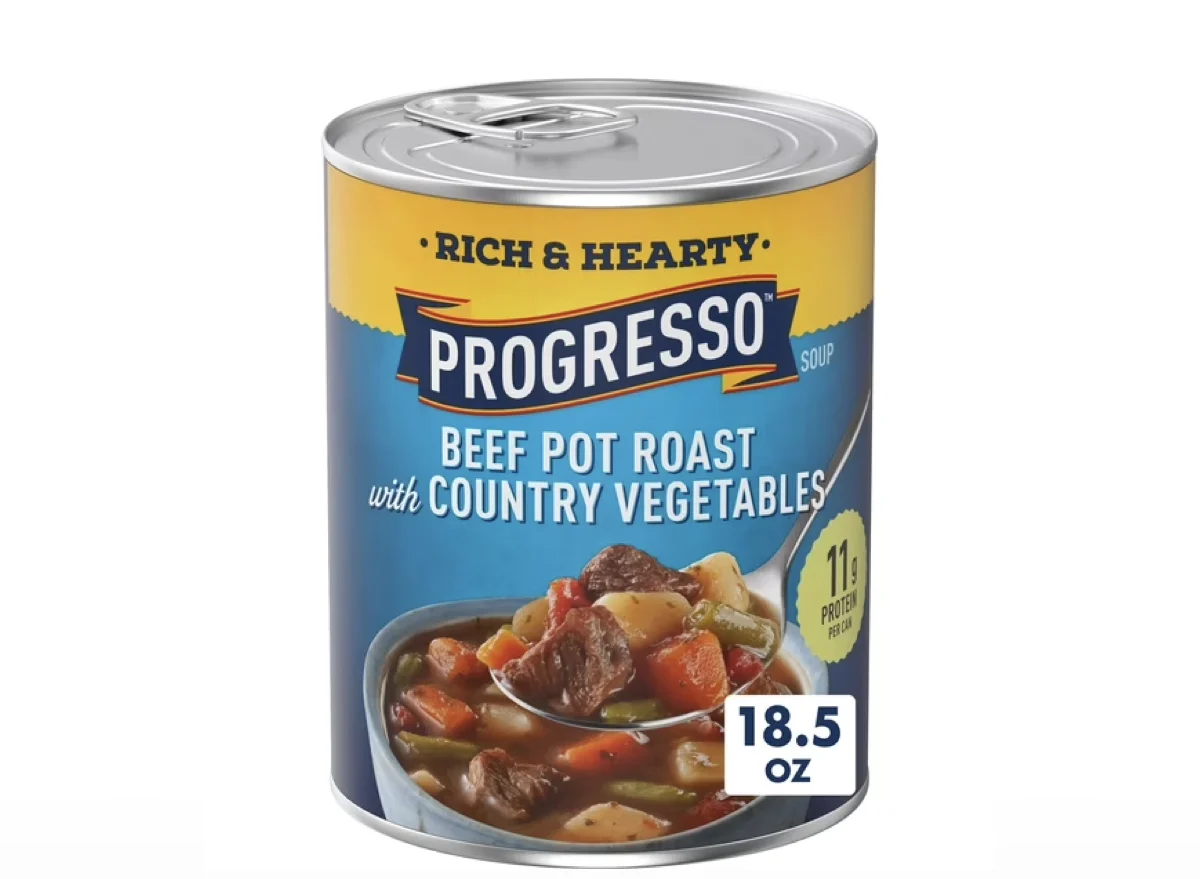
2. Progresso Rich & Hearty Beef Pot Roast with Country Vegetables
For those who prefer the flavor profile of a Sunday pot roast, Progresso’s "Rich & Hearty" line is a standout. This product bridges the gap between a standard soup and a thick stew.

"Progresso takes a distinct pot-roast approach here, making this a much heartier option for shoppers who want a full meal from a can," Buchanan notes. "They pack this one with chunks of pot roast, potatoes, carrots, tomatoes, and green beans in a robust beef broth. There is a lot of texture from the meat and vegetables, and the broth is thick enough that it lands somewhere between a soup and a stew, which is perfect for dipping a crusty piece of bread."
3. Campbell’s Chunky Beef Soup with Country Vegetables
The "Chunky" brand by Campbell’s is built on the premise of substantiality. It is designed to be a high-satiety meal, rather than a light appetizer.
"Campbell’s Chunky is a reliable choice when you want plenty of beef and vegetables in every spoonful," Buchanan explains. "The pieces of beef, potatoes, and carrots are uniform and plentiful. It feels much more like a meal than a broth-heavy canned soup, which is often the biggest complaint consumers have with cheaper canned alternatives."
4. Yellowstone Beef Stew with Potatoes & Carrots
Capitalizing on the popularity of the rugged, rustic aesthetic, the Yellowstone brand offers a no-frills, traditional approach to beef stew.

"Yellowstone keeps its beef stew traditional—no gimmicks, just beef, potatoes, and carrots in a rich gravy," says Buchanan. "In the world of canned stews, the texture is king. Those larger pieces of meat and vegetables are vital because they give the consumer the ‘mouthfeel’ they expect from a homemade version. It is a straightforward, honest product."
5. Great Value Beef Pot Roast Soup
For the budget-conscious consumer, Walmart’s private label, Great Value, offers a surprisingly competent option that performs well above its price point.
"Great Value Beef Pot Roast Soup is a fantastic budget-friendly option," Buchanan highlights. "It features a solid ratio of beef and vegetables in a savory broth. It is exceptionally handy to keep in the pantry for those nights when you want something warm and filling but only have a few minutes to dedicate to preparation."
Supporting Data: Nutritional and Practical Considerations
When choosing a canned stew, consumers are often balancing convenience with health considerations. While these stews offer quick protein and vegetable intake, it is important to observe the nutritional labels, specifically regarding sodium content and preservatives.

Common Trends in Canned Stews:
- Sodium Levels: Most canned stews are high in sodium, which acts as both a flavor enhancer and a necessary preservative for the canning process. Experts recommend pairing these with low-sodium sides, like a steamed side of fresh greens or a salad, to balance the intake.
- Shelf Stability: Canned goods are shelf-stable for years, making them ideal for emergency preparedness kits or long-term pantry storage.
- Preparation Efficiency: Most of the products listed above reach optimal serving temperature in less than 5 minutes on a stovetop or 3 minutes in a microwave, making them the ultimate "time-saver" meal.
Official Industry Perspective: The Future of Canned Meals
The food industry is currently seeing a "premiumization" of the canned aisle. Manufacturers are increasingly moving away from high-fructose corn syrup and artificial dyes, responding to a consumer base that is more label-conscious than ever.
According to industry analysts, the "heat-and-eat" category has seen a resurgence post-2020. As hybrid work models persist and grocery inflation remains a factor, the demand for affordable, shelf-stable, and high-protein meals has grown. Brands are now investing in better packaging technology, such as easy-open tabs and BPA-free linings, to further enhance the consumer experience.
Implications for the Modern Consumer
What does this mean for your kitchen? First, it confirms that you don’t have to sacrifice quality for time. By keeping a selection of these "expert-approved" stews in your pantry, you are creating a safety net for your weekly meal planning.

However, the key to truly enjoying these canned options lies in "doctoring" them. Buchanan and other culinary experts often suggest small additions to elevate a canned meal:
- Fresh Herbs: A handful of fresh parsley or thyme can brighten the flavor of a canned gravy.
- Acid: A small squeeze of lemon juice or a dash of balsamic vinegar can cut through the saltiness and add depth to the broth.
- Texture: Adding a handful of fresh sautéed mushrooms or peas can revitalize a stew that has been sitting in a can for months.
Conclusion
The humble canned beef stew is far more than a relic of the past; it is a vital tool for the modern home chef. By selecting high-quality brands—such as those recommended by Therese Buchanan—you can ensure that when the cold weather hits, you have a comforting, hearty, and satisfying meal at your fingertips. Whether you choose the traditional profile of Dinty Moore or the pot-roast flair of Progresso, you are embracing a tradition of convenience that has been perfected over decades.
As we move deeper into the season of comfort, take a moment to audit your pantry. A few strategically placed cans of beef stew may be the difference between a rushed, unsatisfying meal and a warming, restorative experience that feels just a little bit like home.