







The release of the 2025–2030 Dietary Guidelines for Americans (DGAs) was met with significant anticipation. Positioned by the U.S. Departments of Agriculture (USDA) and Health and Human Services (HHS) as a simplified, consumer-friendly roadmap to better health, the document centers on the mantra "eat real food." While the guidelines take a commendable, firmer stance against the consumption of added sugars and highly processed foods, they have simultaneously ignited a firestorm of controversy.
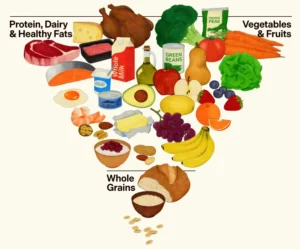
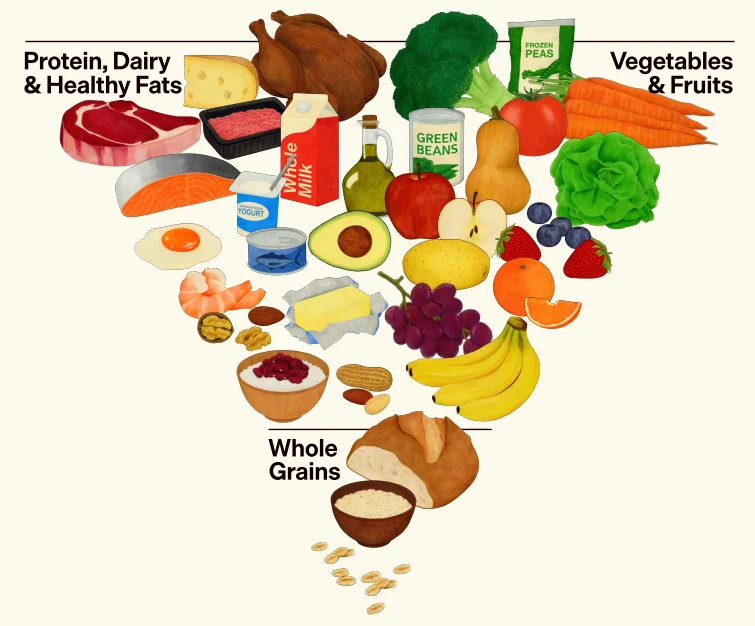
At the heart of the debate is a newly introduced, inverted pyramid graphic that elevates steak, full-fat dairy, and butter to positions of visual prominence. This imagery stands in stark contrast to the document’s own technical text, which maintains the long-standing scientific consensus that saturated fat intake should be capped at 10% of total daily calories. This juxtaposition of "real food" messaging with visual cues that seemingly promote animal-based saturated fats has left nutrition experts, public health advocates, and consumers alike questioning the scientific integrity—and the transparency—of the latest federal dietary policy.
The Chronology of a Contentious Process
The development of the DGAs is a multi-year, rigorous endeavor intended to be shielded from political or industrial influence. Typically, an independent Dietary Guidelines Advisory Committee (DGAC) spends two years reviewing the latest nutritional science before submitting a comprehensive report to the USDA and HHS.
The 2025–2030 cycle, however, deviated sharply from this established protocol. After the independent committee submitted their rigorous, evidence-based report, it was effectively sidelined by the administration. In its place, a "supplemental scientific analysis" was commissioned through a federal contracting process. This pivot drew immediate scrutiny from the scientific community.
Dr. Deirdre Tobias, an assistant professor at the Harvard T.H. Chan School of Public Health who served on the 2025–2030 DGAC, has been a vocal critic of the process. In a recent Q&A, she noted that the methodology behind the final guidelines remains opaque. "There has not been transparency in who wrote the new DGAs," Dr. Tobias explained. She noted that the supplemental reviews lacked the replicability, unbiased framing, and rigor expected of federal health standards. Furthermore, investigative reports have highlighted that several individuals involved in the supplemental analysis disclosed financial ties to the beef and dairy industries, raising immediate questions regarding potential conflicts of interest.
Main Facts: What the Guidelines Actually Say
Despite the controversy surrounding the visual aids, the written text of the guidelines contains several substantive, if sometimes contradictory, recommendations:
- The "Highly Processed" Crackdown: For the first time, the DGAs explicitly target a broad category of "highly processed" foods. While the definition remains somewhat flexible, the intent is clear: reduce intake of sugar-sweetened beverages, ready-to-eat meals, and salty or sweet packaged snacks.
- The Sugar Paradox: The guidelines take an uncompromising stance on added sugars, suggesting they should not be part of a healthy diet at all. The guidelines have tightened the restrictions significantly, suggesting that no single meal should contain more than 10 grams of added sugar. Notably, the recommendation for children to avoid added sugars has been extended from age 2 to age 10.
- Protein Hype: The new edition suggests a substantial increase in protein intake, recommending 1.2 to 1.6 grams per kilogram of body weight. This is a 50–100% increase over previous minimum intake recommendations.
- Vague Alcohol Guidance: The document moves away from specific drink-count limits, instead opting for the nebulous advice to "consume less alcohol for better health," which experts argue provides little actionable utility for the average American.
Supporting Data and the "Saturated Fat Math"
The most glaring disconnect between the policy’s text and its visual presentation lies in the treatment of saturated fats. The guidelines technically uphold the 10% limit on daily saturated fat intake—a threshold supported by decades of cardiovascular research. Yet, the accompanying "New Food Pyramid" depicts steak, cheese, and butter as foundational dietary staples.
To understand the practical danger of this messaging, one must look at the "saturated fat math." For a standard 2,000-calorie diet, a 10% limit equates to approximately 22 grams of saturated fat. The DGAs recommend three servings of dairy per day. If a consumer chooses the full-fat options implied by the pyramid—such as one cup of whole milk (5g), three-quarters of a cup of full-fat Greek yogurt (6g), and an ounce of cheddar cheese (6g)—they have already consumed 17 grams of saturated fat.
Adding a single tablespoon of butter or beef tallow for cooking—both of which are prominently featured in the pyramid—pushes the consumer over the daily limit before they have even consumed their primary protein source or any other food throughout the day. "The mixed messages surrounding saturated-fat-rich foods such as red meat, butter, and beef tallow may lead to confusion and potentially higher intake of saturated fat and increased LDL cholesterol and cardiovascular risk," warns Frank Hu, chair of the Department of Nutrition at Harvard T.H. Chan School of Public Health.
The "Protein Package" and Environmental Omissions
While the guidelines encourage an increase in protein, they fail to distinguish between the "protein package." When we consume protein, we are also consuming the fats, fibers, sodium, and micronutrients that accompany it.
Dr. Hu emphasizes that the health impact of protein depends entirely on the source. "Substantially raising overall protein intake without distinguishing between different protein sources may have unintended long-term health implications," he says, pointing to the robust body of evidence showing that plant-based proteins and fish are associated with superior health outcomes compared to red meat.
Furthermore, the guidelines continue to ignore the environmental and socioeconomic impacts of dietary choices. By failing to address the sustainability of food production or the structural barriers that prevent many Americans from accessing fresh, whole foods, the DGAs remain an incomplete tool for public health, operating in a vacuum that ignores the realities of modern food systems and climate change.
Implications for Public Health
The primary concern among nutrition experts is that imagery often outweighs text in the public consciousness. If the "New Food Pyramid" encourages consumers to load their plates with red meat and full-fat dairy, the nuance of the written guidelines—which advise moderation—will likely be lost.
Historical data from the CDC consistently shows that Americans struggle to adhere to dietary guidelines even under the best of circumstances. By introducing "mixed signals" and lacking transparency in the development process, the 2025–2030 DGAs risk further eroding public trust in federal health advice.
When policy becomes a reflection of industry interests rather than the synthesis of independent, rigorous science, the ultimate casualty is the consumer. As experts like Dr. Hu suggest, those seeking to optimize their health should look past the government’s latest graphic and turn to more reliable, evidence-based resources, such as the Harvard Healthy Eating Plate, which prioritizes the quality of the "package" rather than the volume of specific animal-derived food groups.
In a landscape where heart disease remains a leading cause of death, the shift toward a more "consumer-friendly" but scientifically muddled set of guidelines is a development that warrants critical, ongoing investigation by the medical and public health communities. As we move into the next five years, the impact of these recommendations on the nation’s metabolic and cardiovascular health will serve as the ultimate test of the current administration’s shift in policy.