









For decades, the standard medical advice for the aging population has been a simple, daily ritual: take your calcium and vitamin D supplements to fortify your bones against the inevitable fragility of age. It has become a cornerstone of geriatric care, a preventive measure prescribed by primary care physicians and recommended by health organizations worldwide. However, a landmark review published in The BMJ has cast a long shadow over this conventional wisdom, suggesting that for the vast majority of older adults, these supplements offer little to no meaningful protection against the falls and fractures that threaten their independence.
The Gravity of the Problem: Why Falls Matter
As the global population ages, falls have emerged as a silent epidemic. Statistics reveal a sobering reality: nearly one in three adults aged 65 and older experiences a fall at least once a year. These incidents are far more than minor mishaps; they are pivotal life events that often precipitate a downward spiral in health.
A single fall can lead to debilitating fractures, chronic pain, and a profound loss of mobility. Beyond the physical trauma, the psychological impact—often manifesting as a fear of falling—can lead to social withdrawal, inactivity, and a diminished quality of life. In the most severe cases, a hip fracture marks the end of an individual’s ability to live independently, necessitating a permanent move into residential care. Given these high stakes, finding effective, evidence-based strategies to mitigate the risk of falls and fractures remains a top-tier priority for global public health initiatives.
The Theoretical Foundation of Supplementation
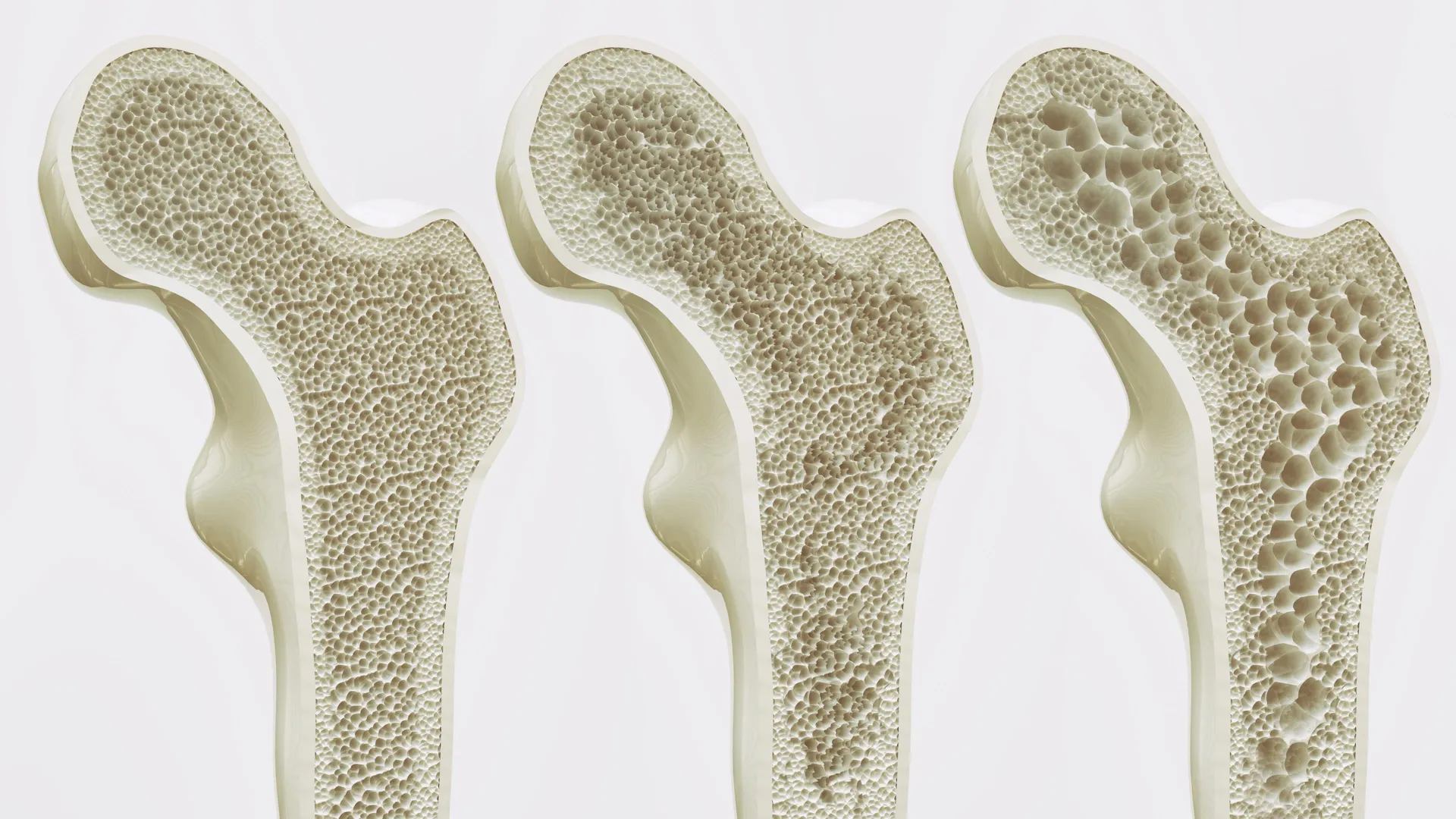
To understand why this research is so disruptive, one must first understand the logic behind the practice. Calcium is the fundamental structural building block of the human skeleton, and vitamin D is essential for the body to absorb that calcium and regulate bone metabolism. It was long assumed that if you provided the body with more of these "raw materials," bone density would be maintained, and the risk of catastrophic failure—a fracture—would be lowered.
However, clinical experience has frequently diverged from this theoretical model. Previous evidence reviews have repeatedly failed to find a significant benefit for calcium or vitamin D when taken individually. Results have been notoriously inconsistent when the two are combined, and the literature regarding vitamin D’s ability to prevent falls has remained mired in ambiguity. Despite these persistent gaps in evidence, the market for these supplements has continued to flourish, and prescriptions for high-dose vitamin D have risen substantially, bolstered by clinical guidelines that have remained stubbornly attached to the idea of universal supplementation.
A Massive Undertaking: The Methodology
To resolve these lingering uncertainties, a team of researchers in Canada conducted a rigorous meta-analysis, examining the results of 69 randomized controlled trials (RCTs). This comprehensive review involved a staggering 153,902 participants, providing a robust dataset that dwarfs previous individual studies.
The use of RCTs is critical here. In the hierarchy of medical evidence, randomized controlled trials are considered the "gold standard." By assigning participants to either a treatment group or a control group—which received either a placebo or no treatment at all—researchers can effectively strip away the influence of confounding variables. This allowed the team to isolate the specific impact of the supplements on fracture and fall rates. The researchers employed established meta-analytical methods to assess the risk of bias and the overall certainty of the evidence, ensuring that their conclusions were built on a solid foundation of data.
The Findings: A Statistical Reality Check
After setting strict, clinically meaningful thresholds for what would constitute a successful outcome, the researchers reached a conclusion that challenges the status quo: there is little to no evidence that these supplements meaningfully prevent fractures in the broader population of older adults.
Breakdown of the Data
- Calcium Supplements: Based on moderate-certainty evidence from 11 trials involving 9,067 participants, the researchers found no clinically significant reduction in fracture risk.
- Vitamin D Supplements: Utilizing high-certainty evidence from 36 trials involving 92,045 participants, the researchers again observed no meaningful benefit.
- Combined Therapy: The most common clinical practice—prescribing calcium and vitamin D together—fared no better. High-certainty evidence from 15 trials involving 51,126 participants showed that the combination provided no measurable protection against fractures or falls.
When the researchers drilled down into specific outcomes, such as hip fractures—the most dangerous of all skeletal injuries—the results remained consistently discouraging. The pattern was universal across age groups, genders, and varying levels of baseline calcium intake. This consistency across such a vast dataset adds significant weight to the conclusion that the supplements are simply not the silver bullet they were once believed to be.
Important Nuances and Exceptions
While the results are broadly applicable, the researchers were careful to provide caveats. Science rarely speaks in absolutes, and this study is no exception. They noted that some subgroups within the trials were relatively small, and caution is warranted in interpreting findings for these specific populations.
Furthermore, these findings do not necessarily apply to individuals with diagnosed bone disorders, such as severe osteoporosis, or those already undergoing specialized pharmacological treatment for bone density. For patients with specific metabolic deficiencies or underlying pathologies, calcium and vitamin D may still play a critical role in a broader treatment regimen. The study serves as a warning against "routine" supplementation for the general public, not as a blanket indictment of the nutrients themselves in a clinical, therapeutic context.
Implications: A Call for Policy Reform
The conclusions of this review are blunt: the current clinical reliance on routine supplementation is not supported by high-quality evidence. The authors of the study have issued a direct call to action, urging clinicians, guideline panels, and regulatory agencies to re-evaluate their standing recommendations.
In the medical community, "inertia" is a powerful force. Once a practice is embedded in clinical guidelines, it can take decades to displace it, even when the evidence shifts. However, this meta-analysis provides the kind of data that is difficult to ignore. The researchers argue that by continuing to push universal supplementation, the medical establishment may be missing the forest for the trees—focusing on a supplement regimen while failing to prioritize more effective, evidence-based interventions.
Shifting the Focus: Exercise as the New Standard
In a linked editorial, independent experts reinforced the study’s findings, suggesting a shift in both funding and focus. If supplements are not the answer, what is? The answer, according to the emerging consensus, lies in physical intervention.
Proven Strategies for Fall Prevention:
- Balance Training: Exercises specifically designed to improve postural stability have been shown to significantly reduce the risk of falling.
- Resistance Training: Building muscle strength is essential for joint stability and the ability to recover from a trip or stumble.
- Multifactorial Programs: The most successful approaches often combine exercise with home safety assessments (removing fall hazards) and personalized education regarding individual risk factors.
The transition from a "pill-first" approach to an "active-living" approach represents a paradigm shift in geriatric medicine. Preventing falls and fractures is a complex challenge that requires a holistic view of the aging body—one that emphasizes functional movement, strength, and environmental awareness over the passive consumption of daily supplements.
Conclusion: The Path Forward
The BMJ study serves as a necessary wake-up call. It suggests that while the intention behind calcium and vitamin D supplementation was sound, the clinical outcome has not matched the expectation. For millions of older adults, the key to maintaining mobility and health may not be found in a pill bottle, but in the gym, the park, or through structured physical therapy.
As healthcare providers move forward, they must navigate the tension between established tradition and evolving evidence. The challenge now is to translate these findings into practice, empowering older adults to take control of their bone health through the most effective tools available: movement, balance, and evidence-based clinical care. The era of assuming that a daily supplement is enough has passed; the era of targeted, functional, and proactive health maintenance has arrived.