





Introduction: A New Paradigm for Public Wellness
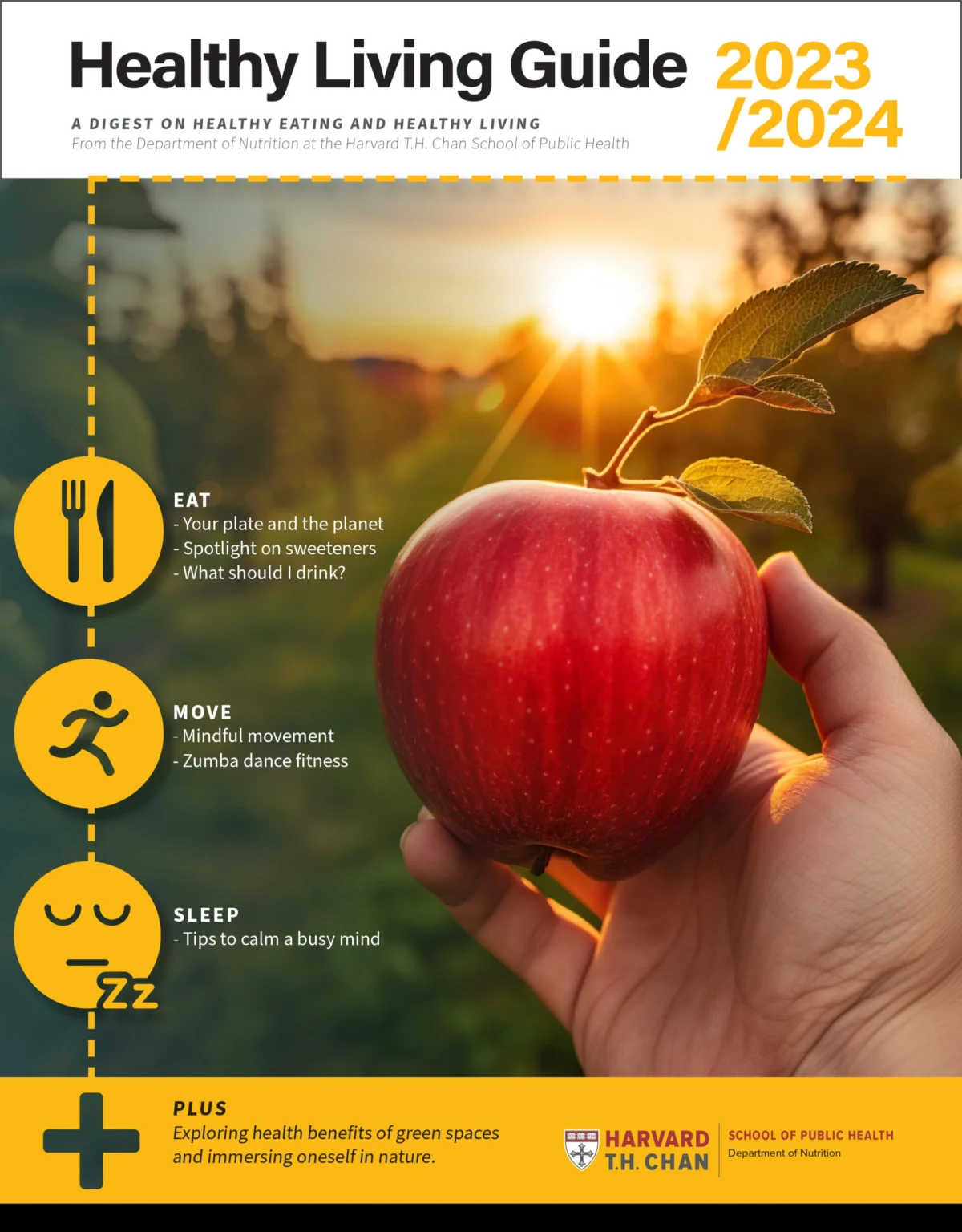
"The apple in your hand is the body of the cosmos." This profound observation by the late Zen master Thich Nhat Hanh serves as the philosophical anchor for the latest edition of the Healthy Living Guide released by the Harvard T.H. Chan School of Public Health’s Department of Nutrition. As we transition into 2024, this fourth annual edition arrives not merely as a collection of dietary tips, but as a holistic manifesto for integrating mindfulness into the very fabric of global public health.
The 2023-2024 Healthy Living Guide represents a significant evolution in how academic institutions approach wellness. By bridging the gap between clinical nutrition and the meditative practices championed by the newly established Thich Nhat Hanh Center for Mindfulness in Public Health, the guide offers a roadmap for navigating a modern world characterized by ultra-processed food environments, sedentary lifestyles, and chronic sleep deprivation.
Main Facts: The Intersection of Mindfulness and Nutrition
The central theme of this year’s publication is the symbiotic relationship between personal choices and planetary health. The Department of Nutrition posits that the act of eating—when performed with intentionality—is the most fundamental way an individual interacts with the environment.
The Thich Nhat Hanh Center
The establishment of the Thich Nhat Hanh Center for Mindfulness in Public Health was the definitive highlight of 2023 for the department. Unlike traditional public health initiatives that often focus exclusively on physiological metrics, this center seeks to apply mindfulness—the practice of maintaining a non-judgmental state of heightened or complete awareness of one’s thoughts, emotions, or experiences—at the population level.
The research agenda is ambitious: investigators are examining how mindful eating practices can reduce the consumption of environmentally damaging foods, lower stress-induced metabolic disorders, and foster a collective consciousness regarding the sustainability of our global food systems.
Key Pillars of the Guide
The Healthy Living Guide is structured around three primary pillars that govern human health:
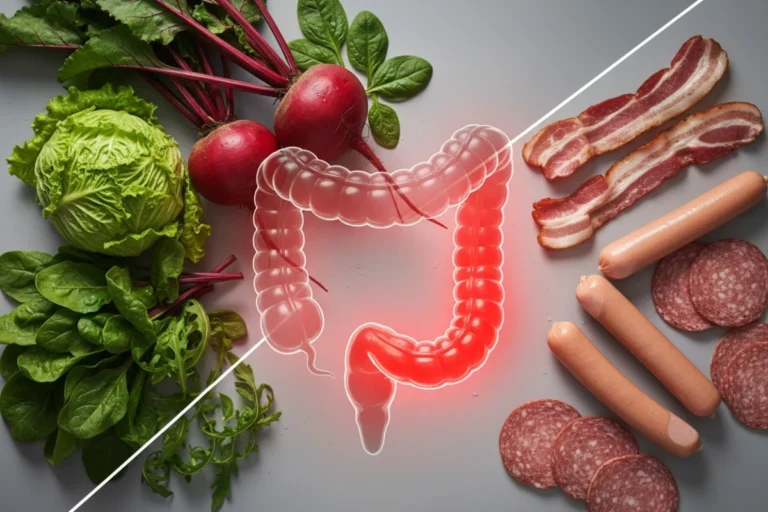
- Nutrition: Shifting focus from calorie counting to the quality of intake, specifically addressing the systemic impact of ultra-processed foods.
- Physical Activity: Moving away from the "chore" mindset toward joyful movement, such as dance-based exercise like Zumba.
- Sleep Hygiene: Recognizing that sleep is not a passive state but a dynamic, biological necessity, now categorized by the unique "chronotypes" of individuals.
Chronology: A Trajectory of Growth
The evolution of the Healthy Living Guide mirrors the broader shifts in nutritional science over the last four years.
- 2020-2021: The inaugural guides focused primarily on emergency wellness strategies during the global pandemic, emphasizing immune support and home-based exercise.
- 2021-2022: The focus shifted toward sustainable eating habits and the mental health implications of prolonged isolation.
- 2022-2023: Researchers began identifying the direct correlation between dietary quality and cognitive performance, laying the groundwork for the current mindfulness focus.
- 2023-2024: The current edition marks the integration of the Thich Nhat Hanh Center’s mission, moving the conversation from "how to eat" to "how to relate to the act of living."
Supporting Data: Addressing Modern Challenges
The guide provides a deep dive into the latest scientific evidence regarding three critical areas of concern.
The Ultra-Processed Food Crisis
Research highlighted in the 2024 guide suggests that ultra-processed foods (UPFs) are no longer just a "weight issue"—they are a mental health issue. Studies cited indicate that diets high in chemically altered, nutrient-poor foods are associated with higher rates of depression and anxiety. The guide offers actionable strategies for identifying hidden sugars and additives, advocating for "whole-food mindfulness" as a primary defense mechanism.
The Science of "Chronotypes"
Sleep research has moved beyond the simple recommendation of "eight hours." The current guide explores the concept of chronotypes—the individual differences in human circadian rhythms. Whether one is a "lark" (morning person) or an "owl" (evening person), the guide provides evidence-based protocols for aligning professional and personal schedules with one’s biological clock, thereby reducing the risk of metabolic syndrome and cardiovascular disease.
Joyful Movement
The guide challenges the traditional medical advice of "exercise as medicine," which can often feel punitive. By citing research into the neurological benefits of rhythmic, social movement—such as the popularity of Zumba and other dance-fitness modalities—the guide highlights how physical activity can act as a natural antidepressant by stimulating the release of endorphins and fostering social connection, a key social determinant of health.
Official Responses and Expert Perspectives
The leadership at the Department of Nutrition emphasizes that the 2023-2024 guide is a response to a global burnout epidemic. "We are seeing a disconnect between what people know is healthy and what they actually do," says a spokesperson for the Department. "Mindfulness is the bridge that allows individuals to align their actions with their intentions."
The integration of the Thich Nhat Hanh Center has drawn praise from both the medical and environmental science communities. By framing public health through the lens of mindfulness, the Department is effectively arguing that planetary health and individual health are inseparable. When an individual consumes food that is sustainably sourced and minimally processed, they are simultaneously engaging in a form of environmental stewardship.
Implications for Public Policy and Personal Life
The implications of the Healthy Living Guide extend far beyond the individual reader. By providing printable tip sheets and actionable summaries, the Department of Nutrition is essentially "democratizing" science-backed health data.
Impact on Policy
The guide serves as a template for public health organizations worldwide. It suggests that if government agencies were to incorporate mindfulness training into national nutrition programs, the long-term cost of chronic disease management could drop significantly. The focus on "population-level mindfulness" implies that changing the food environment—through policy, labeling, and accessibility—is just as important as individual willpower.
Impact on Personal Life
For the individual, the guide encourages a transition from a reactive state of living to a proactive, conscious state. Key recommendations for the coming year include:
- Mindful Consumption: Taking a moment to acknowledge the journey of food from the earth to the table before eating.
- Chronotype Calibration: Adjusting daily routines to honor natural energy peaks rather than fighting against them.
- Social Movement: Prioritizing group-based physical activities to enhance the psychological benefits of exercise.
Conclusion: A Call to Mindful Action
As 2024 unfolds, the message from the Harvard T.H. Chan School of Public Health is clear: health is not a destination, but a practice. By downloading the Healthy Living Guide, individuals are not just acquiring a PDF; they are opting into a global conversation about what it means to live well in a fragile ecosystem.
The guide concludes with a series of challenges designed to test one’s knowledge of healthy living, encouraging readers to revisit past editions to track the progress of nutritional science. In a world that is increasingly distracted and disconnected, the 2023-2024 Healthy Living Guide stands as a vital reminder that the most revolutionary act one can take for their own health—and the health of the planet—is to be fully present in every meal, every movement, and every moment of rest.
How to access the resources:
Readers are encouraged to visit the official Harvard Nutrition Source website to download the full PDF version of the Healthy Living Guide. The publication includes comprehensive bibliographies, printable tip sheets, and direct links to the latest peer-reviewed studies discussed in this issue. Whether you are a healthcare professional or a curious individual seeking to improve your well-being, this guide serves as an essential companion for the year ahead.