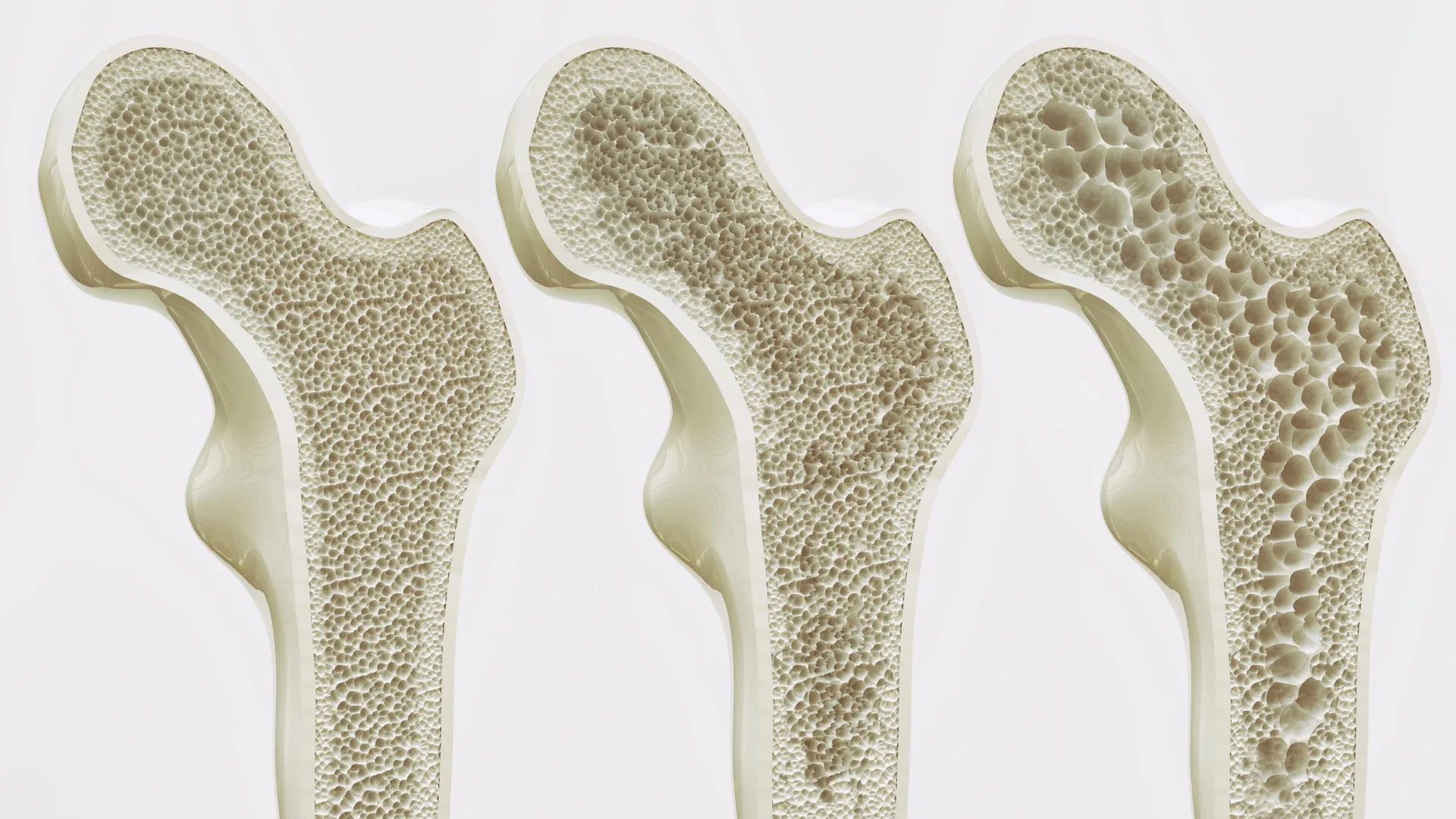
For decades, the standard medical prescription for the aging skeleton has been simple and ubiquitous: a daily regimen of calcium and vitamin D. From the aisles of neighborhood pharmacies to the formal recommendations of national health guidelines, these supplements have been touted as the frontline defense against the silent, creeping threat of osteoporosis and the devastating physical toll of fractures.
However, a comprehensive, landmark review published in The BMJ has sent a ripple through the medical community, challenging the foundational logic of routine supplementation. The study suggests that for the vast majority of older adults, these widely consumed pills offer little to no meaningful protection against the falls and broken bones that often signal a loss of independence in later life.
The High Stakes of Falls in Aging Populations
To understand why this finding is so significant, one must first appreciate the scale of the problem. Falls are not merely accidents; they are a major public health crisis. Statistics indicate that nearly one in three adults aged 65 and older experiences a fall annually. The consequences of these events are profound, often triggering a cascade of health issues including complex fractures, chronic, debilitating pain, and a significant reduction in quality of life.
Perhaps most concerning is the psychological and social impact: the fear of falling can lead to self-imposed isolation and inactivity, which ironically weakens bones further. In severe cases, a single fracture can necessitate a transition into residential or nursing care, marking a permanent shift in a person’s autonomy. Consequently, identifying effective, evidence-based strategies to mitigate this risk has become a primary objective for geriatricians and public health officials worldwide.
A Historical Perspective: The Logic of Supplementation
The rationale for recommending calcium and vitamin D is rooted in basic biological science. Calcium serves as the primary structural "bricks" of the skeletal system, while vitamin D acts as the vital "mortar," enabling the body to absorb calcium and regulating the complex metabolism that keeps bones dense and resilient.
For years, this physiological synergy seemed to justify widespread supplementation. However, as the medical community moved toward more rigorous evidence-based practices, the clinical data began to show cracks. While calcium is undeniably necessary for bone health, previous meta-analyses often found that supplementation alone failed to move the needle on fracture risk. Even when combined, results remained inconsistent. Furthermore, while vitamin D was thought to improve muscle strength—and thus prevent falls—the empirical evidence for this mechanism remained surprisingly elusive.
Despite these gaps in knowledge, the momentum of medical practice kept the supplements in favor. Clinical guidelines, often influenced by outdated consensus, continued to champion these supplements. In many countries, prescription rates have soared, representing a significant expenditure for both individual patients and healthcare systems.
Decoding the Evidence: A Deep Dive into the 69 Trials
To settle the debate, researchers based in Canada embarked on a massive, rigorous systematic review. By aggregating data from 69 randomized controlled trials (RCTs)—the gold standard of clinical research—they evaluated the health outcomes of 153,902 participants.
The Methodology of Rigor
Randomized controlled trials are essential because they eliminate selection bias. By randomly assigning participants to either a treatment group (receiving the supplement) or a control group (receiving a placebo or no intervention), researchers can isolate the true effect of the supplement from other variables, such as diet, exercise, or underlying health conditions.
The research team performed a granular assessment of each trial, meticulously analyzing the risk of bias and the strength of the evidence. This was not a small-scale pilot study; it was an exhaustive effort to synthesize existing data into a definitive conclusion regarding the efficacy of these supplements in preventing fractures and falls.
The Findings: A Call for Re-evaluation
The results were unequivocal. After establishing strict thresholds for what constitutes a "clinically meaningful benefit," the team found that supplementation had little to no impact on the probability of experiencing a fracture.
Breakdown of the Data
- Calcium Alone: Based on moderate-certainty evidence from 11 trials (9,067 participants), calcium supplements showed no significant reduction in fracture risk.
- Vitamin D Alone: Utilizing high-certainty evidence from 36 trials (92,045 participants), the researchers found no clear benefit in preventing fractures.
- Combined Therapy: Perhaps most striking was the evidence for combined calcium and vitamin D supplementation. Drawing on high-certainty data from 15 trials (51,126 participants), the study concluded that the combination was equally ineffective at providing meaningful protection.
When researchers analyzed specific outcomes, such as hip fractures or the frequency of falls, the results remained consistent: there was no discernible benefit across the board. The evidence was rated as moderate to high certainty, making the findings particularly difficult for the medical community to ignore.
Important Caveats and Clinical Exceptions
While the study is robust, the researchers are quick to urge nuance. They emphasize that the findings should not be interpreted as a universal ban on these supplements.
For instance, the study’s conclusions may not apply to individuals with specific, diagnosed bone disorders or those currently undergoing intensive medical treatment for osteoporosis. These patients have unique metabolic needs that require personalized medical management, and they should never cease a prescribed regimen without consulting their physician.
Furthermore, the researchers noted that some sub-analyses were based on smaller sample sizes, necessitating a degree of caution. However, the consistency of the findings—across different ages, sexes, prior fracture histories, and varying levels of baseline dietary calcium intake—significantly bolsters the reliability of the overall conclusion.
Implications for Public Health and Clinical Practice
The authors of the review are direct in their assessment: the current evidence does not support the routine, population-wide supplementation of calcium and vitamin D for the prevention of fractures and falls in older adults.
This creates an immediate challenge for regulatory agencies and clinical guideline panels. These bodies are now tasked with re-evaluating their long-standing recommendations. If the goal is to improve the health of aging populations, the evidence suggests that the current "one-size-fits-all" approach to supplementation is likely ineffective and potentially wasteful.
Writing in a linked editorial, independent experts reinforced the need for more well-powered, rigorous trials, particularly to identify if there are specific high-risk subgroups that might actually derive a benefit from these supplements. For the average, healthy older adult, however, the path forward appears to be moving away from the pill bottle and toward more functional, lifestyle-based interventions.
Moving Beyond Supplements: A Holistic Approach
If supplements are not the answer, what is? The editorial authors emphasize a shift in focus toward interventions that have already demonstrated clear, meaningful benefits in clinical settings.
The most promising strategies center on physical resilience:
- Balance Training: Specific exercises designed to improve postural stability, which directly reduces the incidence of trips and stumbles.
- Resistance Training: Strengthening muscles, which not only aids balance but also places healthy, positive stress on the skeletal system, naturally encouraging bone density.
- Comprehensive Risk Assessment: Multi-factorial programs that include home safety audits—removing tripping hazards like loose rugs or poor lighting—and individualized physical therapy plans.
The conclusion is clear: preventing fractures and falls in our aging population is a multifaceted challenge that cannot be solved by a supplement alone. It requires a commitment to physical activity, environmental awareness, and a medical culture that favors proven, functional interventions over passive supplementation. As we move forward, the "calcium-and-vitamin-D-for-all" era must be replaced by a more precise, evidence-based, and active approach to healthy aging.