








For decades, the fitness industry touted the humble sit-up as the ultimate path to a firm, toned midsection. However, as sports science has evolved, our understanding of spinal health and functional fitness has shifted dramatically—particularly for those over the age of 65. Modern exercise physiology suggests that the traditional floor-based crunch may not only be inefficient for core development but, for some, potentially hazardous to the lumbar spine.
Instead, a new movement is taking hold: standing core training. By leveraging gravity and anti-rotation movements, these exercises do more than just build aesthetic muscle; they build the stability, balance, and functional strength necessary for a high quality of life as we age.
The Hidden Risks of Visceral Fat
Before diving into the mechanics of these movements, it is vital to understand the "why" behind the effort. The accumulation of belly fat is not merely a cosmetic concern; it is a significant medical red flag.
Visceral fat—the deep-seated fat that wraps around internal organs—is metabolically active. It releases inflammatory markers and hormones that significantly increase the risk of developing chronic, life-altering conditions. According to the Mayo Clinic, individuals with high levels of visceral fat are at an elevated risk for metabolic syndrome, type 2 diabetes, fatty liver disease, cardiovascular complications, and even certain types of cancer.
Addressing this fat requires a multifaceted approach: a consistent caloric deficit, nutritional vigilance, and, crucially, a targeted exercise regimen. While spot reduction (losing fat in one specific area) is a biological myth, strengthening the core musculature creates a structural foundation that supports posture, improves metabolic efficiency, and facilitates the active lifestyle necessary to burn fat effectively.
Expert Insight: Why Standing Beats Lying Down
"Most people over 65 avoid standing core work because they’re worried about balance. That’s backwards," says Rob Moal, CPT, a Vancouver-based fitness professional with over 20 years of experience. Moal, the founder of Train Like Rob, emphasizes that the traditional floor-based model is fundamentally limited.
"Sit-ups don’t build the stability you need to navigate the world," Moal explains. "They work one muscle in one plane while you’re lying on the floor. Standing exercises, however, challenge the core under load. They force the body to maintain stability, which is exactly what keeps you upright and mobile in the real world."
For the aging population, the "job" of the core is not to curl the spine forward; it is to act as a stabilizer—a biological corset that protects the internal organs and supports the spine against external forces.
The Four Pillars of Standing Core Stability
To help readers transition away from ineffective floor work, we have outlined four essential standing exercises recommended by Moal. These movements are designed to be safe for the aging spine while providing maximum functional benefit.
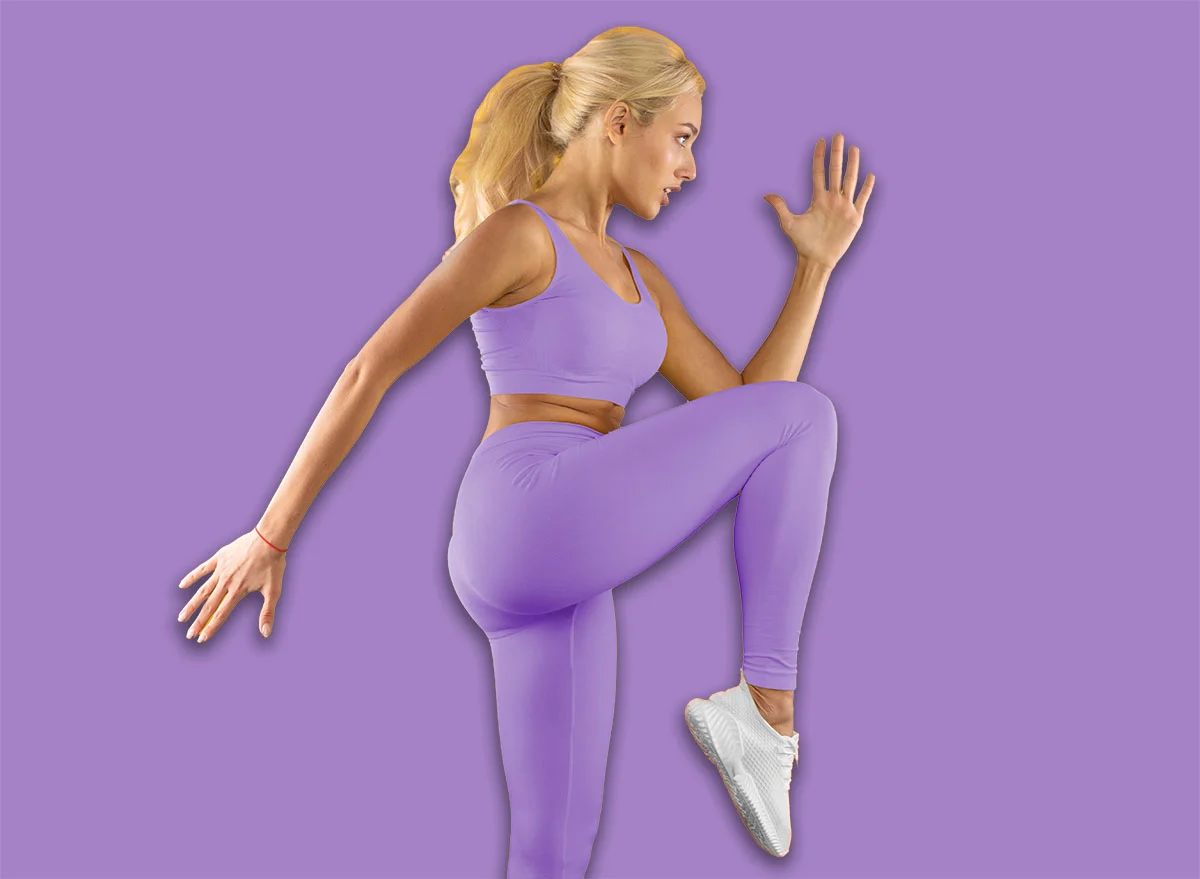
1. The Standing March With Anti-Rotation Hold
The core’s primary evolutionary function is to resist movement. When you walk, your core prevents your torso from swaying excessively from side to side. The Standing March mimics this function.
- The Mechanics: By engaging in a slow, controlled march while holding a weight (or simply bracing the core), you force the deep stabilizers of the abdomen to fire.
- The Benefit: This exercise trains the body to resist rotation with every step. It turns the act of walking into a core-strengthening session, helping to prevent the "shuffling" gait often seen in older adults.
2. The Suitcase Carry
We carry groceries, luggage, and household items every day. The Suitcase Carry—holding a weight in one hand while walking—is perhaps the most functional exercise one can perform.
- The Mechanics: Stand tall, hold a weight (like a kettlebell or a jug of water) in one hand, and walk for a set distance or time. Your core must work overtime to prevent your body from leaning toward the weighted side.
- The Benefit: This exercise builds "real-world" strength. It forces the obliques and deep stabilizers to maintain a neutral spine, which directly translates to better posture and lower back protection when performing daily chores.
3. The Standing Bird Dog
While the traditional Bird Dog is performed on the floor, the standing variation is an excellent way to integrate balance and coordination.
- The Mechanics: Stand with your feet hip-width apart. Simultaneously extend your right arm forward and your left leg backward, keeping the torso rigid. Return to center and repeat on the opposite side.
- The Benefit: This movement hits the deep core stabilizers and the glutes simultaneously. Most floor exercises fail to combine these two, but the standing version requires the user to stabilize their center of gravity, which is essential for fall prevention.
4. The Standing Pallof Press
For those who suffer from lower back pain, spinal flexion (like a sit-up) can be aggravating. The Pallof Press is the gold standard for core strength without the spinal strain.
- The Mechanics: Anchor a resistance band to a secure post at chest height. Stand sideways to the anchor, hold the band with both hands at your chest, and press it straight out. Resist the band’s attempt to pull you toward the anchor.
- The Benefit: This is "pure" anti-rotation. Because there is no spinal flexion involved, it is exceptionally gentle on the lower back, making it a perfect exercise for those over 65 who need to build strength without risking injury.
Chronology of Core Training Evolution
The fitness industry’s reliance on the "crunch" dates back to the mid-20th century, popularized by fitness magazines and early televised exercise programs. It was an era where muscle isolation was the primary focus of strength training.
By the late 1990s and early 2000s, the "Functional Fitness" revolution began. Pioneers in physical therapy and strength coaching began to notice that while athletes had "six-pack" abs, they were still prone to back injuries because their training did not reflect the way humans actually move. This led to the adoption of "bracing" techniques, moving away from high-repetition spinal flexion and toward static and dynamic stability. Today, the focus for the over-65 demographic is squarely on "longevity training"—movements that ensure the body can remain functional, independent, and pain-free well into the later stages of life.
Supporting Data: Why Stability Matters
The data is clear: falls and mobility issues are leading causes of injury among the elderly. Research from the National Institute on Aging consistently highlights that core strength is directly correlated with balance. When the core is weak, the body relies on the hips and knees to compensate for stability, which leads to joint wear and tear.
Furthermore, a study published in the Journal of Strength and Conditioning Research indicates that anti-rotation exercises—like those listed above—are more effective at activating the deep transversus abdominis muscle than traditional sit-ups. By strengthening this deep layer of muscle, older adults can effectively "tighten" their midsection, which provides structural support for the spine and reduces the prevalence of chronic lower back pain.
Implications for Longevity
Adopting these standing exercises is not just about changing your workout routine; it is about changing your trajectory for aging. By replacing high-risk, low-reward floor exercises with functional, standing movements, you are investing in:
- Fall Prevention: Improved core stability leads to better balance and a more confident gait.
- Spinal Preservation: By avoiding repetitive spinal flexion, you reduce the risk of disc herniation and nerve compression.
- Metabolic Health: Building functional muscle mass helps regulate blood sugar levels, making it easier to manage weight and stave off metabolic diseases.
Conclusion
If you are over 65, the era of the traditional sit-up should be firmly in your rearview mirror. The objective of your exercise program should be to build a body that is resilient, stable, and capable. By integrating the Standing March, the Suitcase Carry, the Standing Bird Dog, and the Pallof Press into your routine, you are doing more than just working on your midsection—you are building the physical foundation required to enjoy an active, independent, and vibrant life.
Always remember to consult with your physician or a certified trainer before starting a new exercise program, especially if you have existing back or balance concerns. With the right approach, your strongest years can still be ahead of you.