







There are moments when an organization’s mission is tested not by the allure of opportunity, but by the gravity of uncertainty. The past year has been precisely that—a period defined by tightening fiscal landscapes, fluctuating government grants, and a growing sense of instability across the global research community. Yet, in the face of these headwinds, the Cancer Research Institute (CRI) has made a defiant, deliberate choice: to keep the engine of scientific discovery moving forward, regardless of the climate.
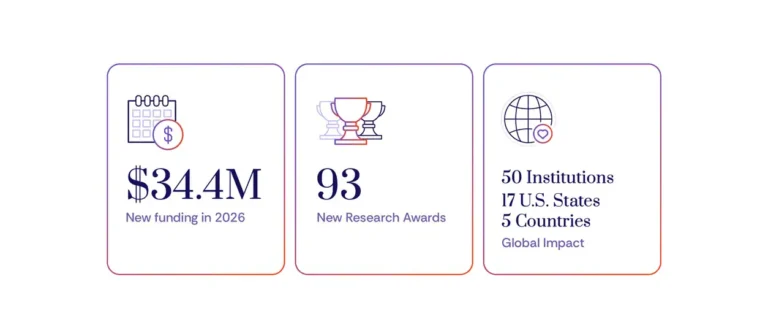
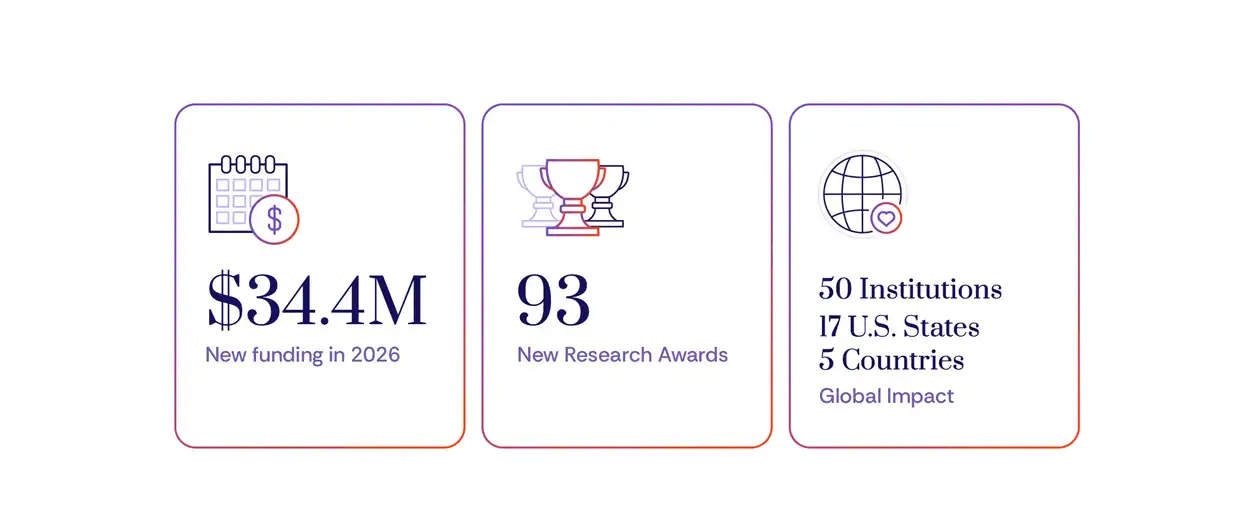
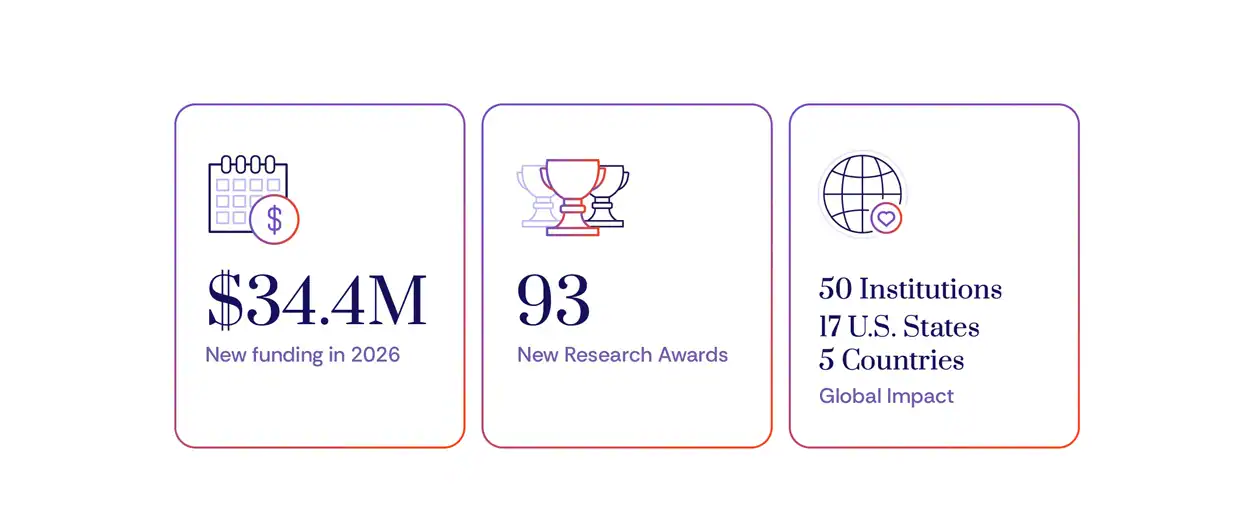
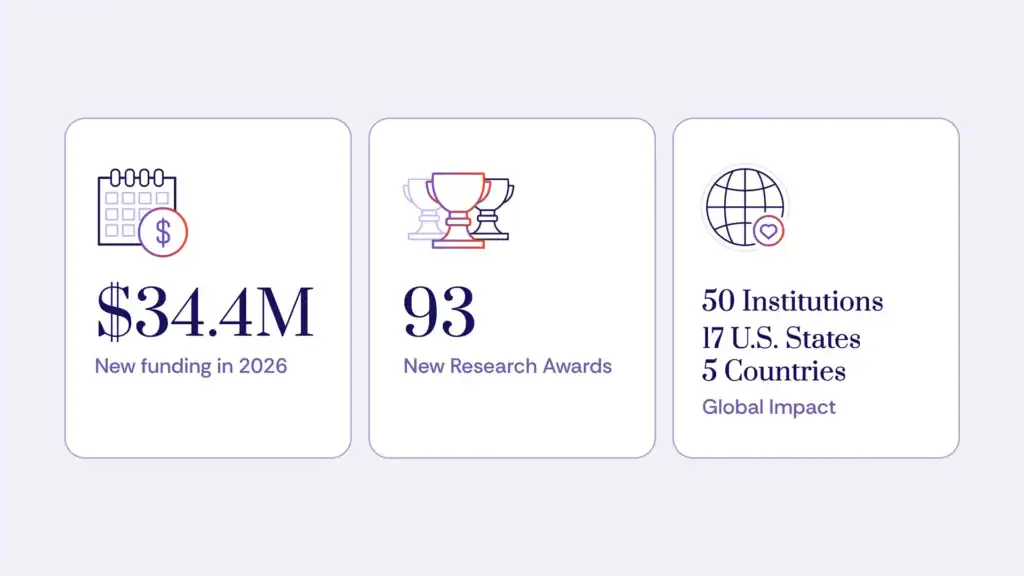
In fiscal year 2025–26, CRI reached a historic milestone, committing $34.4 million in new funding across 93 awards. This represents the largest grantmaking year in the organization’s seven-decade history, a testament to the belief that progress in cancer immunotherapy cannot afford to pause. These investments now power laboratories at 50 institutions across five countries and 17 U.S. states, ensuring that the most promising minds in oncology have the resources to continue their life-saving work.
The Pillars of Impact: A Chronology of Support
For over 70 years, CRI has operated on a foundational philosophy: identify the brightest minds early, support them through the inevitable valleys of high-risk research, and provide the runway necessary for their ideas to translate into patient outcomes. This commitment to the "scientific continuum" is not merely about writing checks; it is about stewardship.
The Evolution of the Research Pipeline
- The Early Years (Foundational Support): Historically, CRI focused on bridging the gap for postdoctoral fellows, providing them with the freedom to explore risky, "out-of-the-box" concepts that traditional, more conservative funding bodies often overlook.
- The Independence Milestone: Recognizing that the transition from a postdoc to an independent principal investigator (PI) is the most vulnerable point in a researcher’s career, CRI began identifying ways to provide structural support for young labs.
- The Modern Era (Fiscal Year 2025–26): Confronted with national funding cuts, CRI pivoted to scale its operations. By concentrating resources into 93 specific awards, the organization acted as a stabilizer in an otherwise volatile research ecosystem.
- The Launch of IGNITE: Most recently, the organization codified this support with the launch of the IGNITE (Inspiring Growth and Nurturing Independence Through Excellence) Award, specifically designed to protect the pipeline of young talent during the critical transition to independent leadership.
Supporting Data: By the Numbers
The $34.4 million investment is more than a statistic; it is a strategic deployment of capital designed to maximize the likelihood of breakthroughs. The breadth of this investment reflects a commitment to geographic and institutional diversity, ensuring that innovation isn’t siloed in only a few elite hubs.
- Total Financial Commitment: $34.4 million.
- Volume of Awards: 93 unique research grants.
- Geographic Reach: 50 institutions across five countries.
- Strategic Focus: The funding spans a spectrum from postdoctoral fellowships to the prestigious Lloyd J. Old STAR Awards, which empower established investigators to pursue high-risk, high-impact inquiries.
Behind every dollar figure is a scientist at a desk or a bench, grappling with the biological mysteries of cancer. Some are launching their first independent labs, while others are at the helm of ambitious programs capable of shifting the entire paradigm of how we treat tumors. At every stage, these researchers require more than just a sound hypothesis; they need the logistical flexibility and the institutional confidence to take risks.
Spotlight: Bridging the Gap with the IGNITE Award
The transition from a supervised postdoctoral fellow to an autonomous laboratory lead is perhaps the most precarious moment in a scientist’s professional trajectory. It is here that many brilliant careers stall. Researchers must simultaneously define an original area of investigation, recruit a team, and generate enough preliminary data to compete for long-term federal funding.
The CRI IGNITE Award was created specifically to eliminate this bottleneck. By providing bridge funding at the precise moment a researcher is ready to launch their own program, CRI ensures that intellectual momentum is not lost to financial anxiety.
Case Study: Dr. Simone Park
Dr. Simone Park, PhD, at the University of Pennsylvania, serves as the embodiment of this mission. Having been supported by CRI during her tenure as a postdoctoral fellow, Dr. Park has now transitioned into an independent investigator, bolstered by an inaugural IGNITE Award.
Dr. Park’s research is focused on tissue-resident memory T cells. These are specialized immune cells that take up residence in tissues, acting as a "standing army" that provides long-term protection against the recurrence of cancer. Her work seeks to uncover the precise biological mechanisms that allow these cells to persist in the harsh environment of a tumor. By understanding the "durability" of these defenders, Dr. Park hopes to develop new strategies for enhancing immune memory, potentially leading to vaccines or treatments that prevent cancer from ever coming back.
Her career path—supported by CRI from her early fellowship days through to her current independence—demonstrates the "continuum of care" that the institute prioritizes. It is a model of long-term investment that builds scientific leaders rather than just funding projects.
Beyond the Bench: A Holistic Ecosystem
While research grants remain the cornerstone of CRI’s activity, the organization’s impact extends into the broader ecosystem of immunotherapy. CRI’s approach recognizes that science does not happen in a vacuum. To move discovery from the laboratory to the bedside, the institute engages in a multifaceted strategy:
- Clinical Study Advancement: Directly supporting trials to ensure that promising therapies reach patients in need as quickly as possible.
- Data and Resource Sharing: Developing shared platforms that allow researchers across the globe to collaborate, share computational tools, and analyze complex biological data.
- Computational Empowerment: Equipping scientists with the skills to navigate the new era of data-driven medicine and AI-assisted drug discovery.
- Patient Advocacy: Serving as a trusted navigator for patients and caregivers, translating complex, rapidly evolving immunotherapy concepts into actionable information.
Implications for the Future of Oncology
The implications of CRI’s 2025–26 record-breaking year are profound. In an era where funding uncertainty threatens to stifle a generation of talent, CRI’s aggressive investment acts as a buffer. By prioritizing "high-risk, high-reward" research, the institute is essentially betting on the future.
This strategy ensures that the "pipeline of brilliance" remains uninterrupted. When a researcher like Dr. Park is given the freedom to pursue the biology of memory T cells, the downstream effect is a more sophisticated understanding of the human immune system. This, in turn, creates new possibilities for clinical trials, which eventually lead to the next generation of FDA-approved therapies.
The 2026 Annual Impact Report serves as a record of promises kept: to the scientists whose ideas deserve the light of day, to the patients whose lives depend on the next discovery, and to the donors who understand that research is a marathon, not a sprint.
Conclusion: The Work Ahead
Uncertainty may be an inescapable feature of the scientific landscape, but it is not a sufficient excuse for inaction. The Cancer Research Institute has demonstrated that even when the macro-economic environment turns cold, the warmth of sustained, targeted philanthropy can keep the fires of discovery burning bright.

There is extraordinary work still ahead. As we look toward the next fiscal year, the challenges remain immense—cancer is a complex, adaptive adversary. But with 93 new awards distributed and a new generation of investigators like Dr. Park hitting their stride, the foundation for the next decade of breakthroughs has never been more secure.
The CRI is not just reacting to the landscape of cancer research; it is actively shaping it. And, as the organization notes, they are only just getting started.