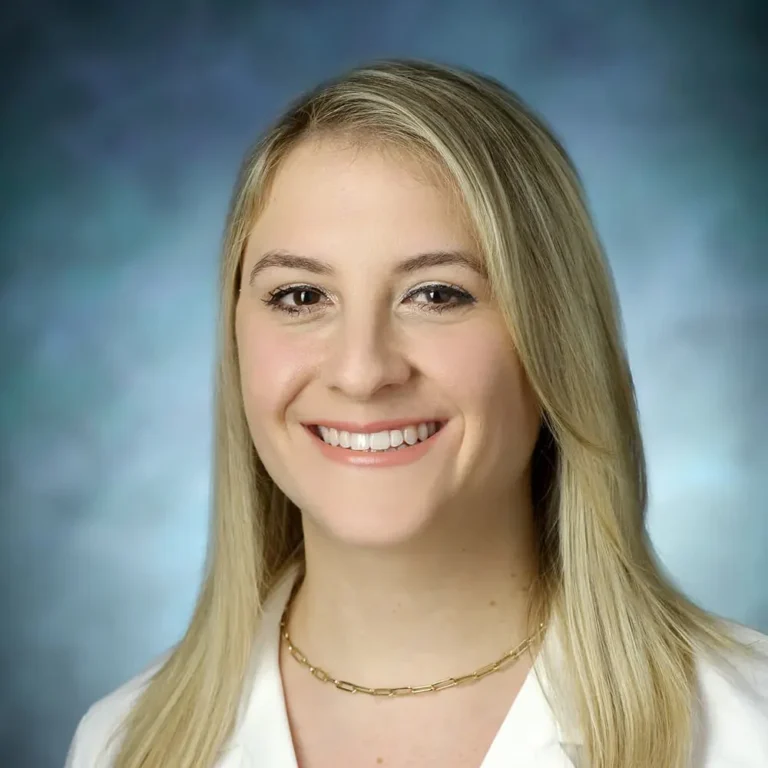









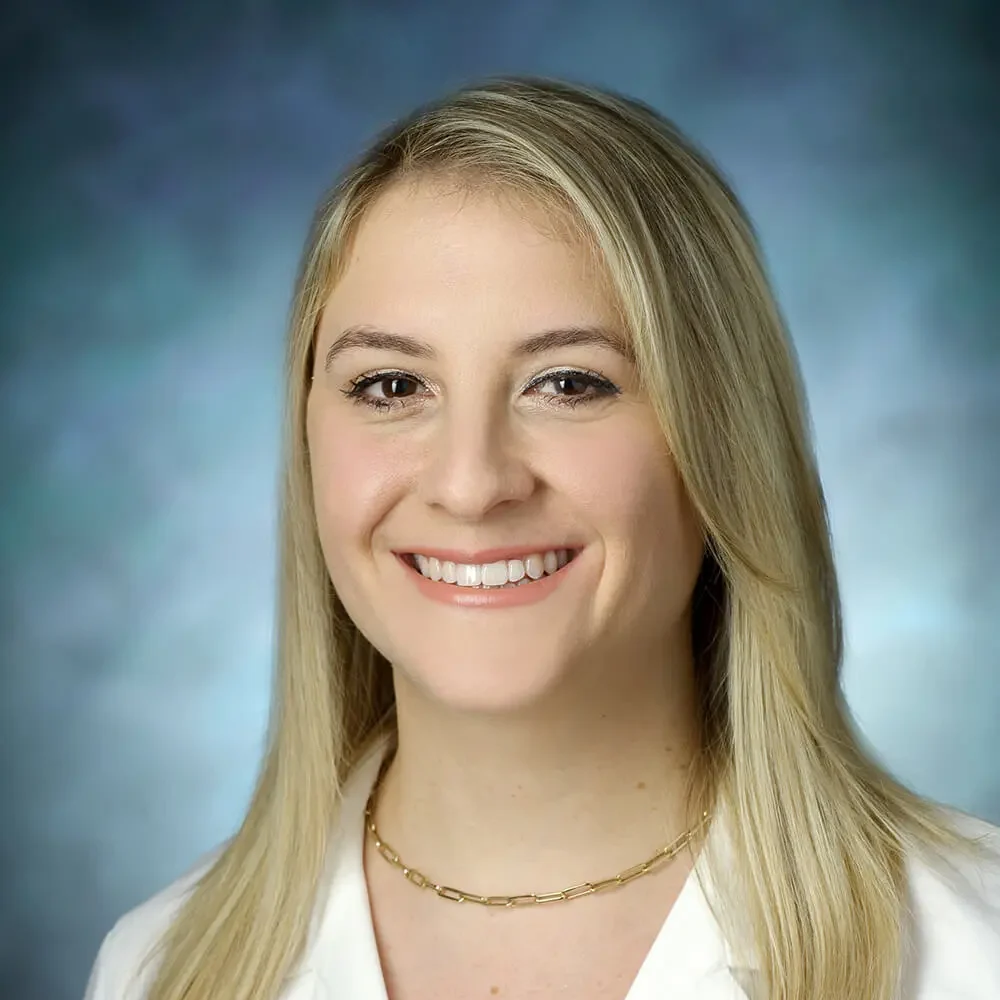
In the evolving landscape of oncology, the era of "one-size-fits-all" medicine is rapidly drawing to a close. For decades, cancer treatment was largely governed by the aggregate—what worked for the statistical average. Today, however, the medical community is shifting toward a more granular reality: individual biology. At the vanguard of this transition is Dr. Julie Deutsch, a physician-scientist and pathologist at Johns Hopkins University, who is redefining the diagnostic potential of the humble pathology slide to usher in a new age of precision medicine.
The Intersection of Pathology and Innovation: The Core Facts
Dr. Julie Deutsch occupies a unique vantage point in the clinical world. As a pathologist, her professional life is spent examining tissue samples, the gold standard for cancer diagnosis. Yet, where traditional pathology has historically served to identify and classify tumors, Dr. Deutsch sees a reservoir of untapped, multidimensional data.
Her research focuses on the development of "next-generation tissue-based biomarkers." These biomarkers are molecular or morphological signposts within a patient’s tumor sample that can predict how an individual will respond to specific therapeutic interventions. By leveraging advanced computational models—specifically machine learning—Dr. Deutsch aims to transform routine pathology samples into high-resolution maps of disease behavior. This approach seeks to answer the most pressing question in oncology: Which treatment will work for this specific patient, right now?
The core of her work is supported by the prestigious Cancer Research Institute (CRI) STAR award. This recognition underscores the necessity of moving beyond static diagnoses toward dynamic, actionable insights that can guide clinical decision-making in real-time.
A Chronology of Discovery: From Microscope to Machine Learning
Dr. Deutsch’s career path reflects the broader evolution of modern medicine. Her journey began in the traditional rigors of pathology, a field defined by visual expertise and deep knowledge of cellular structure.
- Foundational Years: Dr. Deutsch spent years mastering the art of interpreting tissue morphology. During this time, she witnessed the limitations of traditional pathology; while it provided a diagnosis, it often left clinicians in the dark regarding the efficacy of various treatment pathways.
- The Computational Shift: Recognizing the limitations of the human eye in processing the sheer complexity of biological data, Dr. Deutsch began integrating computational approaches into her research. This shift was not merely technical but philosophical, representing a move from qualitative assessment to quantitative precision.
- The STAR Award (2026): The receipt of the CRI STAR award marked a pivotal inflection point. The award provided the financial and institutional freedom to pivot away from "narrowly defined projects" toward the broader, more ambitious goal of systemic implementation.
- Current Research Phase: Dr. Deutsch is currently refining machine learning algorithms capable of identifying signs of therapeutic resistance or sensitivity within existing, routinely collected tissue samples. By avoiding the need for invasive, new procedures, her method promises to integrate seamlessly into existing clinical workflows.
Supporting Data: Why Precision Matters
The urgency of Dr. Deutsch’s work is rooted in a sobering reality: cancer treatments, particularly immunotherapies and targeted therapies, can be physically grueling. When a patient is placed on a regimen that is destined to fail, they suffer the consequences of toxicity without the benefit of disease control.
Current data in oncology suggests that a significant percentage of patients do not respond to first-line therapies. Without predictive biomarkers, clinicians are often "flying blind," relying on trial-and-error approaches that consume precious time. Dr. Deutsch’s research aims to reduce this "toxicity burden" by:
- Validating Response Indicators: Using machine learning to identify early patterns in tissue that correlate with successful treatment.
- Mapping Resistance: Detecting the mechanisms by which tumors learn to evade therapy, allowing clinicians to switch strategies before the cancer progresses.
- Scalability: Unlike high-cost genomic sequencing that may only be available at elite research hubs, Dr. Deutsch’s focus is on utilizing standard tissue samples—ensuring that the benefits of precision medicine can reach patients at community hospitals and rural clinics alike.
Official Perspectives and the Vision for the Future
The philosophy driving Dr. Deutsch’s research is one of extreme pragmatism. In a recent statement, she emphasized the divide between laboratory innovation and clinical reality. "You can have the best biomarker in the world, but if it doesn’t get to patients and doesn’t help them in real time, then it’s useless," Dr. Deutsch noted.
This perspective is shared by the Cancer Research Institute, which designed the STAR program specifically to empower scientists who prioritize such "implementation research." Unlike traditional grants that demand rigid, pre-defined outcomes, the STAR award provides the flexibility to follow the science. This has allowed Dr. Deutsch to embrace machine learning—a discipline that was not originally in her professional roadmap but has become the engine of her current success.
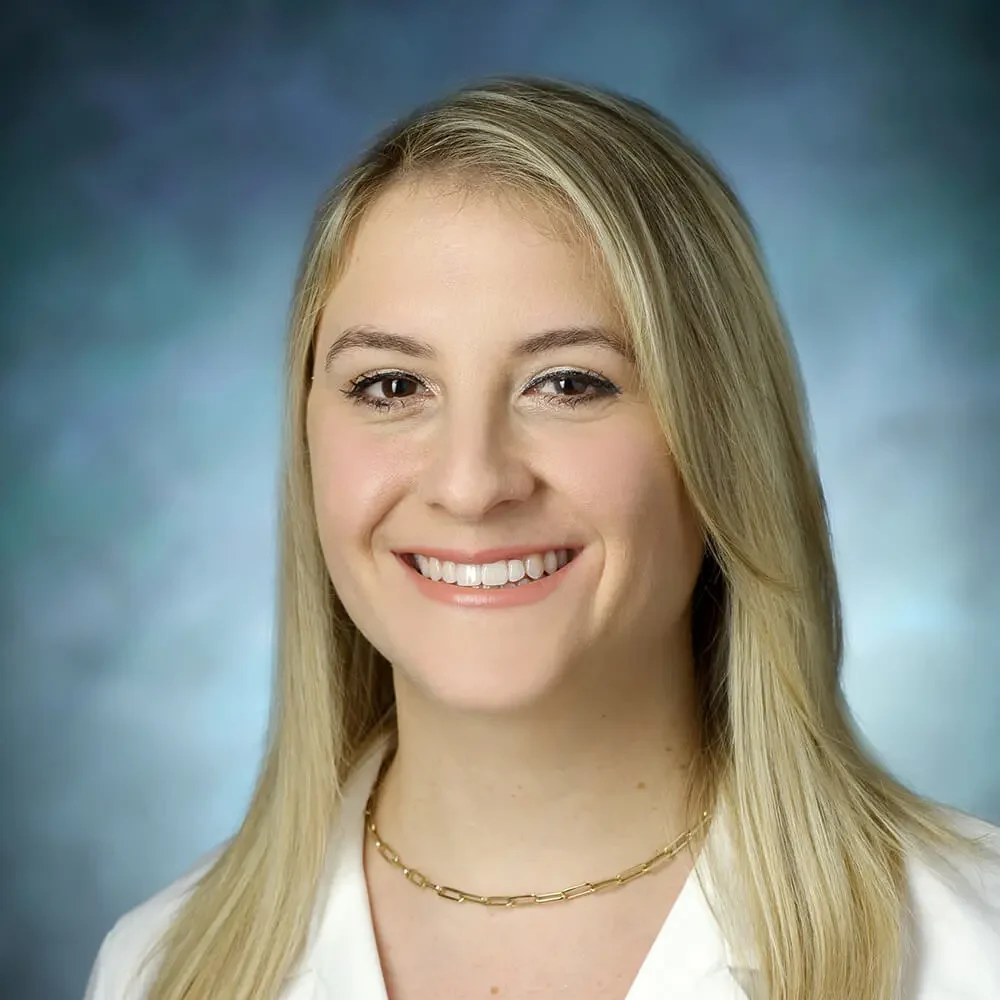
"The ability to be in the right space and have access to samples and come up with new ideas… is really amazing," Dr. Deutsch said regarding the freedom afforded by her current funding. "I’m excited to see where the journey takes me."
Implications: The Paradigm Shift in Patient Care
The implications of Dr. Deutsch’s work extend far beyond the laboratory. If successful, the widespread adoption of her tissue-based biomarkers could fundamentally alter the patient-physician relationship.
1. The Death of "Trial-and-Error"
The primary implication is the potential to eliminate the guesswork of cancer care. If a clinician can look at a pathology slide and predict a patient’s response, the treatment plan becomes a tailored strategy rather than a standard protocol. This increases the likelihood of survival and significantly improves the quality of life for those undergoing treatment.
2. Democratizing Precision Medicine
Perhaps the most significant impact of Dr. Deutsch’s focus on "implementation" is the drive toward accessibility. By focusing on existing, routine pathology specimens, her approach avoids the massive infrastructure hurdles associated with advanced genetic testing. This democratizes oncology, ensuring that a patient’s geographical location or the size of their local hospital does not dictate the quality of their cancer care.
3. A Model for Early-Career Researchers
Dr. Deutsch’s career trajectory serves as a blueprint for the next generation of physician-scientists. Her success highlights the importance of institutional support for interdisciplinary work. By bridging the gap between pathology, oncology, and computer science, she demonstrates that the most profound breakthroughs often occur at the intersection of disparate fields.
4. The Moral Imperative
Dr. Deutsch is quick to remind her colleagues of the human cost of current limitations. "You don’t want to expose patients to a therapy that they’re not going to benefit from, and they’re just going to have toxicity," she asserts. Her work is driven by a profound moral imperative: the belief that the medical community owes patients the most accurate information available to avoid unnecessary suffering.
Conclusion: The Path Forward
As Dr. Deutsch continues to refine her machine learning models, the medical community waits with anticipation. The transition from "flying blind" to "informed precision" is not just a technological upgrade—it is a transformation of the standard of care.
Through the support of the CRI STAR program, Dr. Deutsch is turning a microscope—a tool that has remained a staple of pathology for over a century—into a modern diagnostic powerhouse. Her vision for the future is clear: a world where every patient’s cancer is understood with such depth that the right therapy is no longer a hope, but a calculated, clinical certainty. In the hands of researchers like Dr. Deutsch, the future of oncology is not only becoming more personal and effective; it is becoming, for the first time, truly transparent.