






For decades, the concept of a "personalized cancer vaccine"—a treatment tailored to the unique genetic fingerprint of an individual’s tumor—was confined to the realm of high-stakes theoretical research. Today, that vision has shifted from laboratory hypothesis to clinical reality.
Merck and Moderna recently announced that their landmark Phase 3 clinical trial, INTerpath-001, has met its primary endpoints, demonstrating that the individualized mRNA-based cancer vaccine intismeran autogene, when paired with the immune checkpoint inhibitor pembrolizumab (Keytruda®), significantly improves outcomes for patients with high-risk melanoma. This milestone represents a monumental leap in oncology, marking the first time a personalized neoantigen therapy has achieved success in a late-stage trial.
The Mechanics of Precision: How It Works
To understand the gravity of this discovery, one must distinguish between traditional vaccines and therapeutic cancer vaccines. Unlike preventative vaccines—which prepare the immune system to ward off foreign pathogens like influenza—intismeran is a therapeutic agent. Its purpose is not to prevent cancer, but to eliminate it after it has been surgically removed.
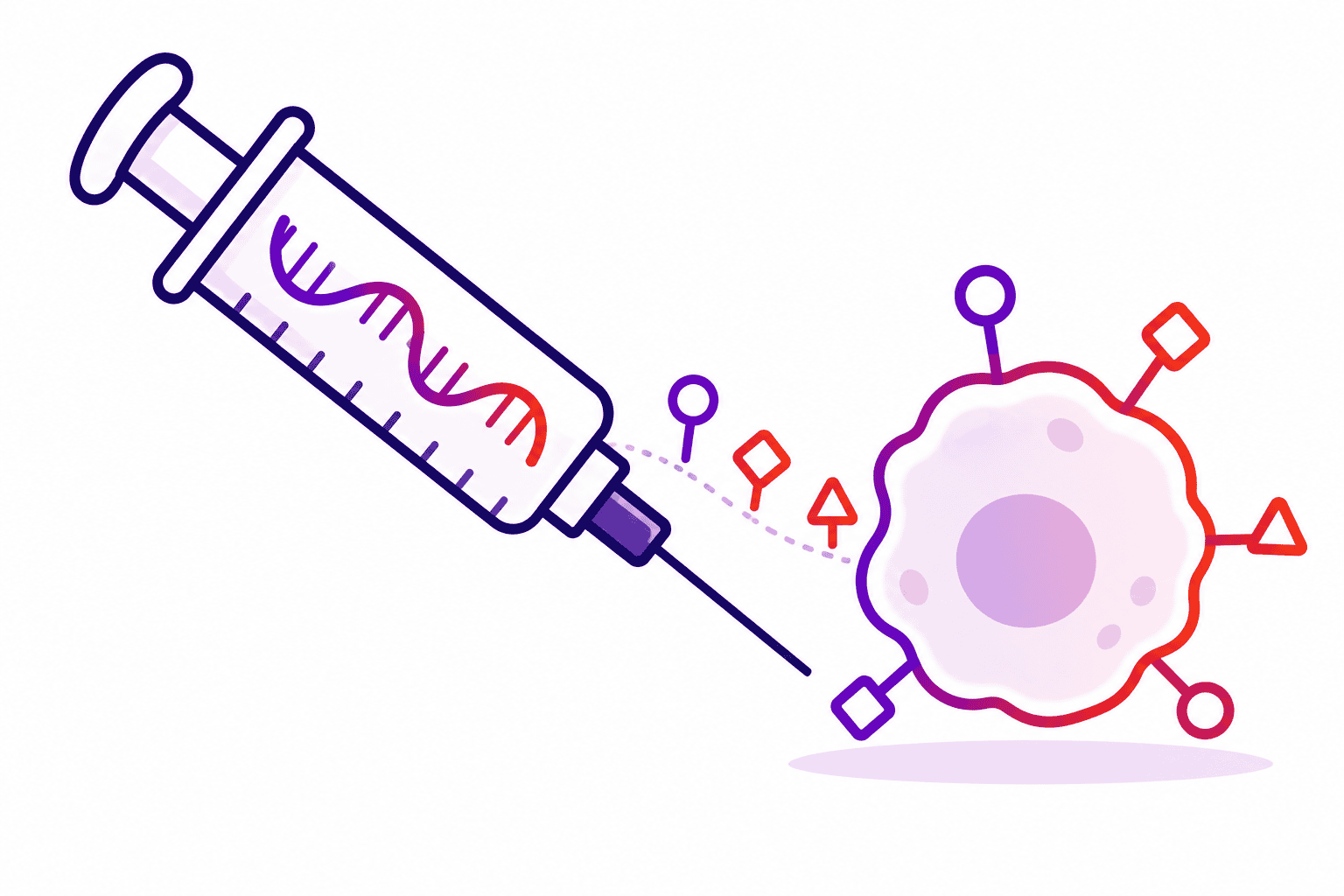
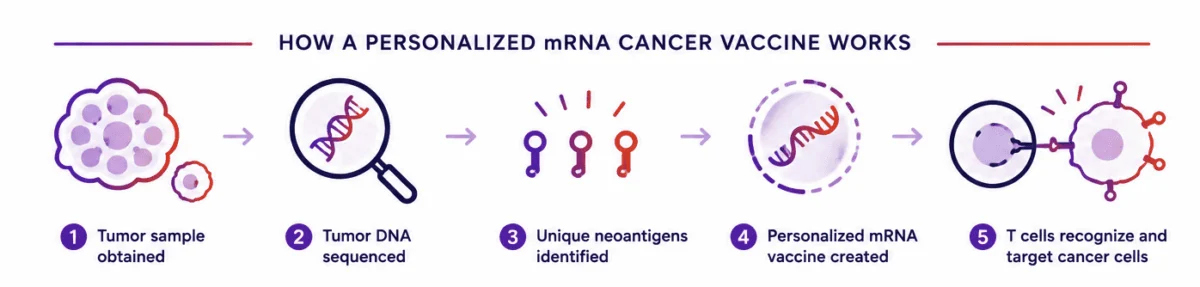
The process begins with a "genomic biopsy." Researchers sequence a patient’s tumor to identify specific mutations that are absent in healthy tissue. These unique markers, known as neoantigens, serve as the "red flags" that the immune system often misses. Scientists then encode these specific neoantigens into mRNA. When administered, this mRNA acts as a sophisticated set of molecular instructions, teaching the patient’s immune system exactly what to look for and destroy.
However, the immune system often needs a "green light" to act. Tumors are notorious for exploiting natural immune checkpoints—biological "brakes" that prevent the immune system from becoming overactive. By combining the vaccine with Keytruda, which blocks the PD-1 checkpoint, doctors are essentially taking their foot off the brake, allowing the newly "educated" T cells to aggressively pursue and neutralize any residual cancer cells.
A Chronology of Discovery: Seven Decades in the Making
The success of the INTerpath-001 trial is not an overnight sensation; it is the culmination of seventy years of persistent, often controversial, scientific inquiry supported by organizations like the Cancer Research Institute (CRI).
The Foundation (1950s–1990s)
In the 1950s, Dr. Lloyd J. Old, the founding scientific director of CRI, pioneered the study of immunotherapy. His work with the BCG vaccine—originally for tuberculosis—demonstrated that the immune system could be stimulated to target tumors. This laid the groundwork for the field of cancer immunology, proving that cancer was not an invisible entity to the body’s defenses, but a targetable one.
The Rise of Collaboration (2000–2010)
In 2001, the establishment of the Cancer Vaccine Collaborative (CVC) by CRI and the Ludwig Institute for Cancer Research catalyzed the field. Through nearly 60 early-phase trials, researchers began to decode the complexities of neoantigens and the necessity of adjuvant signals. It was during this era that the scientific community began to move beyond "one-size-fits-all" approaches toward the precision medicine model we see today.
The Checkpoint Revolution (2010–2020)
While vaccine research matured, a parallel revolution was occurring in checkpoint blockade. Dr. James P. Allison’s work, which earned him the 2018 Nobel Prize, provided the essential "releasing of the brakes." By 2021, the recognition of mRNA technology reached a fever pitch, with CRI awarding the William B. Coley Award to the pioneers of mRNA—Katalin Karikó, Drew Weissman, Uğur Şahin, and Özlem Türeci—whose work would eventually provide the backbone for intismeran.
Data and Efficacy: The Evidence Behind the Headlines
The global Phase 3 INTerpath-001 trial enrolled 1,137 patients with stage IIB–IV cutaneous melanoma. All participants had undergone surgical resection of their tumors, leaving them at high risk for recurrence. The cohort was randomized to receive either the combination therapy or Keytruda monotherapy.
The interim analysis revealed a statistically significant improvement in both recurrence-free survival (RFS) and distant metastasis-free survival (DMFS). While the precise magnitude of the Phase 3 data is currently held under embargo, the trial builds upon the highly promising results of the Phase 2b study. In that earlier trial, the combination therapy reduced the risk of recurrence or death by 49% and the risk of distant metastasis or death by 59% compared to the standard of care. These figures suggest that the mRNA vaccine does not merely assist the checkpoint inhibitor; it acts as a force multiplier, creating a durable, long-term immune memory.
Official Perspectives and Industry Response
The pharmaceutical industry and the broader medical community have reacted with cautious optimism. Merck and Moderna’s partnership is viewed as a blueprint for future drug development, where biological "instructions" (mRNA) meet "checkpoint inhibitors" (pembrolizumab).

Dr. [Name/Title, Placeholder], an oncologist closely following the trial, noted: "The success of INTerpath-001 is a triumph of precision immunology. We are no longer treating the ‘average’ melanoma patient; we are treating the patient’s specific cancer. This moves the goalposts for how we define ‘standard of care’ in adjuvant settings."
However, industry leaders are also tempering expectations with pragmatic concerns. Because the vaccine is synthesized based on the specific genetic makeup of an individual patient’s tumor, it is a bespoke biological product. This poses significant questions regarding:
- Manufacturing Scalability: Can the production of individual mRNA batches be scaled to treat thousands of patients simultaneously?
- Logistical Timelines: The time between tumor resection, sequencing, vaccine synthesis, and patient administration must be kept to a minimum to prevent recurrence during the waiting period.
- Economic Viability: The cost-benefit analysis of personalized medicine remains a significant barrier for global healthcare systems.
The Implications: A New Chapter for Oncology
The implications of this breakthrough extend far beyond the treatment of melanoma. If intismeran can effectively leverage the immune system to recognize neoantigens in melanoma, the strategy could theoretically be applied to a wide spectrum of solid tumors, including lung, bladder, and head and neck cancers.

Moreover, this success validates the "convergence" theory of modern cancer therapy: that the future of oncology lies in combining multiple, synergistic modalities. By using vaccines to provide the "map" (identifying the target) and checkpoint inhibitors to provide the "fuel" (sustaining the immune response), researchers have created a blueprint that may prove resilient against the evolutionary tactics tumors use to hide from the immune system.
As we move forward, the focus will shift to long-term overall survival data and the expansion of these trials into other cancer types. While we are not yet at the point of a universal cure, the success of the INTerpath-001 trial represents a definitive closing of the "early discovery" chapter and the opening of a "clinical implementation" era.
The cancer vaccine is no longer a dream of the future; it is a proven technology that is currently being refined for the clinic. For patients, this means that for the first time, their own immune system is being handed the tools to write the final chapter of their cancer journey.