








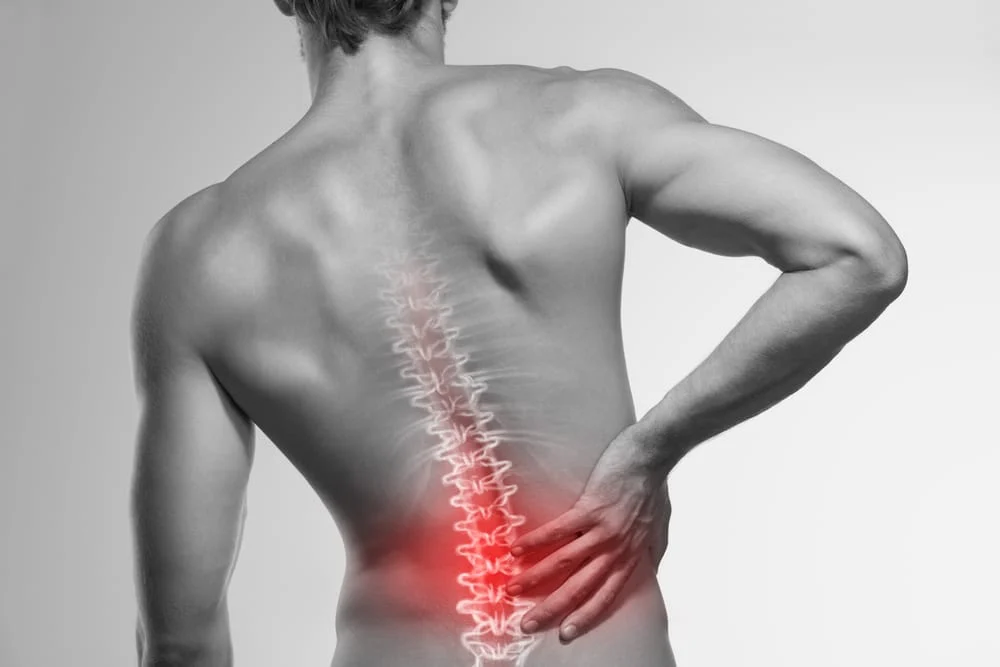
In the landscape of modern medicine, few conditions are as debilitating or as misunderstood as chronic pain. For millions of Americans, pain is not merely a symptom; it is a lifestyle-altering condition that dictates daily movement, emotional well-being, and social interaction. However, a shift is occurring in the medical community—a movement away from systemic pharmacological dependency toward targeted, interventional precision. At the forefront of this evolution is the Southwest Florida (SWFL) Pain Center, a facility that has become synonymous with the marriage of advanced technology and patient-centered care.
Main Facts: The Philosophy of Precision
The Southwest Florida Pain Center operates on a core premise: that chronic pain is a mechanical and neurological puzzle that requires surgical-grade precision to solve, rather than a generalized condition to be managed by medication. By moving away from traditional systemic pain management—which often relies on heavy doses of analgesics that can lead to dependency—the center focuses on "interventional" techniques.
The center’s methodology is defined by the integration of "high-tech" diagnostic imaging and "high-touch" clinical care. This dual approach ensures that patients are not just treated as clinical charts, but as individuals whose quality of life depends on the identification of the exact physiological source of their distress. Whether the pain originates from nerve compression, disc degeneration, or inflammatory conditions, the objective remains the same: to mitigate the root cause aggressively and effectively.
Chronology: The Evolution of Pain Treatment
To understand the significance of the SWFL Pain Center, one must look at the historical trajectory of pain management in the United States.
- The Pharmacological Era (Late 20th Century): For decades, the medical establishment relied heavily on oral medications to mask chronic pain. While effective for short-term trauma, these treatments often failed to address the underlying structural issues in the spine and joints, leading to a reliance on long-term prescriptions.
- The Rise of Interventionalism (Early 2000s): Medical researchers began to pivot toward minimally invasive procedures. The development of fluoroscopic guidance allowed physicians to view the spine in real-time, enabling the delivery of medication directly to the source of pain.
- The Integrated Model (Present Day): The SWFL Pain Center represents the apex of this evolution. By housing state-of-the-art surgical suites on-site, the center eliminated the traditional hurdles of hospital-based pain management, such as long wait times, lack of continuity, and the impersonal nature of large-scale clinical environments.
Supporting Data: The Toolbox of Modern Intervention
The efficacy of the SWFL Pain Center lies in its diverse arsenal of advanced treatment modalities. Each procedure is designed to bypass the need for oral systemic medication by focusing the therapeutic intervention exactly where it is needed.
1. Spinal Cord Stimulation (SCS)
For patients suffering from failed back surgery syndrome or complex regional pain syndrome, SCS is a game-changer. By utilizing an implanted device that sends mild electrical impulses to the spinal cord, physicians can "interrupt" pain signals before they reach the brain. This is a sophisticated neuro-modulation technique that provides long-term relief for patients who were previously told they had "no other options."
2. Radiofrequency Ablation (RFA)
RFA is a precision procedure used to treat facet joint pain—a common culprit in lower back and neck discomfort. By using radiofrequency energy to heat and disable the nerve fibers responsible for transmitting pain signals, the center provides patients with months, and sometimes years, of relief without the need for invasive open surgery.
3. Fluoroscopy and Ultrasound-Guided Injections
The "blind" injection, once common in general practice, has been relegated to the past at the SWFL Pain Center. Using high-resolution fluoroscopy (real-time X-ray) and ultrasound, physicians ensure that every epidural steroid injection or nerve block is placed with sub-millimeter accuracy. This precision minimizes tissue trauma and maximizes therapeutic success.
4. Discography
Before committing to long-term treatment, it is vital to know exactly which disc is the source of the patient’s agony. Discography remains the gold standard for identifying structural disc pathology, allowing the medical team to map out a personalized treatment path rather than guessing based on static MRIs alone.
Official Responses and Clinical Philosophy
The leadership at the SWFL Pain Center emphasizes that their "artistic atmosphere" is not a decorative choice, but a clinical one. Research consistently demonstrates that patient anxiety levels directly correlate to pain perception. By creating a soothing, aesthetically pleasing environment, the center reduces the "white coat hypertension" and stress that often exacerbate chronic pain conditions.
"Our goal is to create a personal treatment path that successfully leads you to the pain-free life you deserve," says a lead representative of the center. The clinical staff maintains that the "high-touch" aspect of their work—spending time with the patient, understanding their specific limitations, and explaining the mechanics of their injury—is just as important as the surgical skill required to perform the procedure. This is the cornerstone of their award-winning reputation: the recognition that empathy is a vital component of the healing process.
Implications for the Future of Healthcare
The model pioneered by the Southwest Florida Pain Center has profound implications for the broader healthcare system. As the national conversation continues to focus on the opioid epidemic and the need for non-narcotic pain management solutions, the interventional model stands as a viable, successful alternative.
Economic and Quality-of-Life Impacts
- Reduced Healthcare Utilization: By treating the root cause, patients require fewer repeat visits and less reliance on long-term physical therapy or systemic pharmaceutical management.
- Return to Productivity: When chronic pain is effectively managed, patients are better able to return to the workforce, engage in family activities, and regain their independence.
- The Shift to Outpatient Surgery: The center’s on-site surgical suites demonstrate that high-level, complex procedures can be performed safely in an outpatient setting, significantly reducing the cost and recovery time associated with traditional hospital admissions.
The Human Element
Beyond the clinical data, the implications are deeply personal. Chronic pain often leads to a cycle of isolation and depression. When a patient who has spent years tethered to pain medication is suddenly able to walk, sit, or sleep without distress, the impact on their mental health is transformative. The SWFL Pain Center is not just treating backs and joints; they are restoring the ability of their patients to participate in their own lives.
Conclusion: A New Standard
The Southwest Florida Pain Center stands as a beacon of what modern medicine can achieve when it refuses to settle for "symptom management." Through the rigorous application of advanced imaging, surgical expertise, and a profound commitment to the patient experience, the center has redefined the standard of care.
As technology continues to advance, the gap between what is currently possible and what is practiced will likely narrow. However, for the residents of Florida and beyond, the SWFL Pain Center has already bridged that gap. By proving that the most effective path to a pain-free life is one that prioritizes precision, minimizes drug dependency, and treats the patient with dignity and care, they are setting a benchmark for clinics across the nation.
In a world where pain is often treated as a constant, the SWFL Pain Center offers the one thing every chronic pain patient seeks: the possibility of a different future. Through their high-tech, high-touch approach, they are successfully mitigating the effects of chronic pain, one patient at a time.