In the quiet, rigorous corridors of the University of Colorado Boulder’s Department of Biochemistry, Dr. Aaron Whiteley is looking backward—nearly a billion years backward—to solve one of the most pressing challenges in modern medicine: how to teach the human immune system to better recognize and destroy cancer.
Dr. Whiteley, a microbiologist by training, has built his career on a foundational premise that bridges the gap between ancient evolutionary biology and cutting-edge oncology. His research suggests that the complex signaling pathways we rely on to fight infections and tumors today did not emerge spontaneously in humans; rather, they are the refined, ancestral descendants of defensive mechanisms developed by bacteria to survive in a hostile primordial world.
With the recent announcement that he has been named a recipient of the prestigious Cancer Research Institute (CRI) STAR award, Dr. Whiteley is now poised to translate these evolutionary "relics" into a new generation of cancer-fighting interventions.
The Main Facts: A New Frontier in Immune Signaling
At its core, Dr. Whiteley’s work is an exercise in biological archaeology. His lab has spent the last decade investigating the molecular mechanisms that allow cells to communicate during an immune response. The discovery that some of these critical human signaling pathways—pathways that govern how our bodies detect and respond to threats—originated in single-celled organisms more than a billion years ago has profound implications for oncology.
One specific pathway, which has become a focal point of his research, is now recognized as a critical driver of successful cancer immunotherapy. By identifying bacterial enzymes that can activate or modulate this pathway, Dr. Whiteley is creating what he describes as a "Rosetta Stone" for bacteria-immune interactions. The objective is ambitious: to design customized probiotics capable of priming the human immune system, essentially "teaching" it to be more aggressive against tumor cells, thereby improving patient outcomes for those currently unresponsive to standard immunotherapies.
A Chronology of Discovery: From Berkeley to Boulder
Dr. Whiteley’s trajectory toward this breakthrough is marked by a steady progression through the ranks of elite scientific institutions.
- Academic Foundations: Dr. Whiteley completed his PhD at the University of California, Berkeley, where he served as a National Science Foundation Graduate Research Fellow. It was during these formative years that his interest in the granular, molecular underpinnings of immune signaling began to crystallize.
- Postdoctoral Training: Following his doctoral work, he moved to Harvard Medical School. This period was instrumental in broadening his perspective on how basic microbiological research could be applied to clinical human disease.
- The Independent Lab: In 2020, Dr. Whiteley established his independent laboratory at the University of Colorado Boulder. This move allowed him to pivot toward his current focus: the evolution of immune signaling.
- The STAR Recognition (2026): The culmination of his early laboratory success, his selection for the CRI STAR award marks a new chapter in his research, providing the long-term, flexible funding required to pursue "high-risk, high-reward" avenues that traditional grants often bypass.
Supporting Data: Why "High-Risk" Research is Essential
The scientific community is often criticized for a tendency toward incrementalism—research that builds slowly upon existing findings to ensure a high probability of publication and continued funding. However, cancer immunotherapy is a field that requires "paradigm-shifting" breakthroughs, which inherently carry a higher risk of failure.
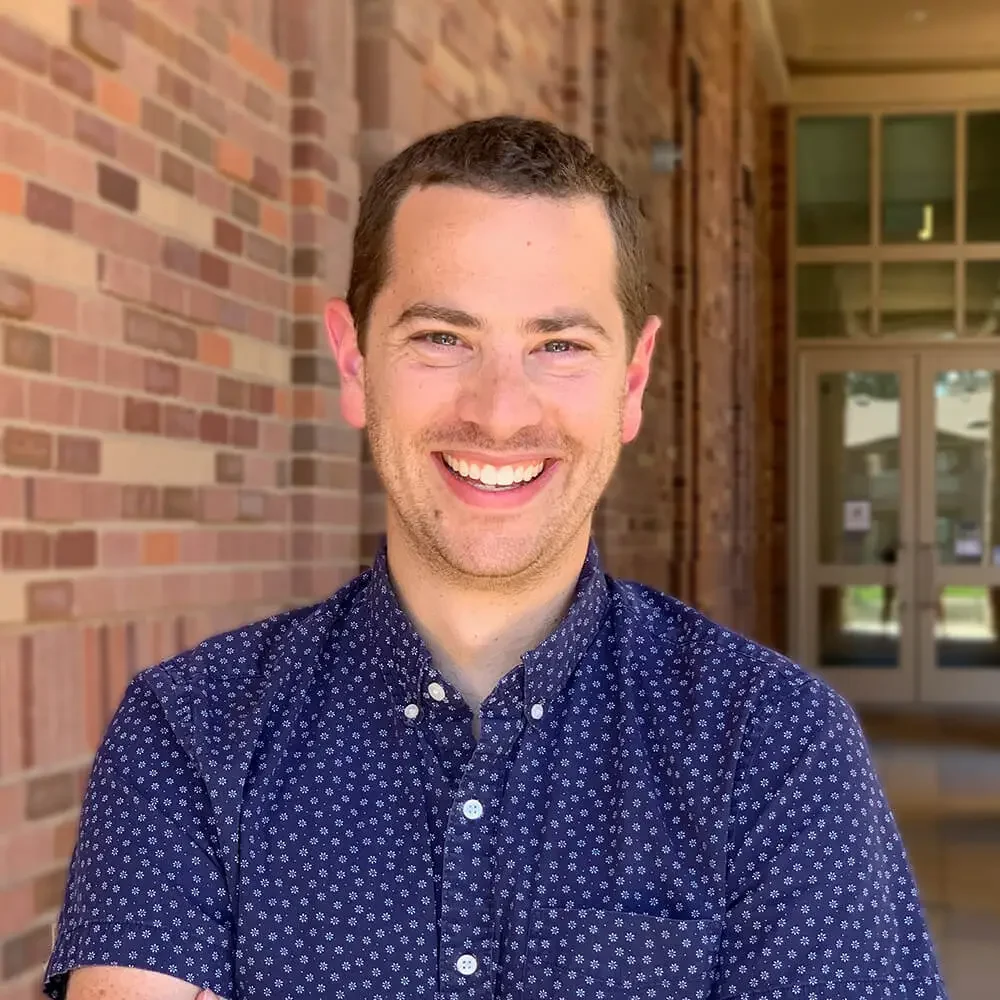
Dr. Whiteley is vocal about the limitations of the current grant landscape, particularly when tied to traditional federal bodies like the National Institutes of Health (NIH). "When you’re constantly focused on how do I get a little bit more data to get the next grant," he notes, "they are a little bit more risk-averse. You can’t do the pie-in-the-sky, paradigm-shifting experiments."
The CRI STAR program operates under a different philosophy. By removing the burden of narrowly defined milestones, the program allows researchers to pivot based on their findings rather than their proposals. This "freedom to fail" is precisely what allows for the exploration of the bacterial enzymes Whiteley’s team is now analyzing. If successful, the data could prove that specific, engineered microbes could serve as a "living drug," turning "cold" tumors—those that the immune system fails to see—into "hot" tumors that are susceptible to existing checkpoint inhibitors.
Official Perspectives: The Value of Unrestricted Support
The CRI STAR program is designed specifically to cultivate talent that operates on the fringe of conventional discovery. Edward Chuong, PhD, another University of Colorado Boulder researcher and 2025 STAR awardee, emphasizes the transformative nature of this support.
"The STAR award has inspired our lab to go all in on our ideas," Dr. Chuong said. "The unrestricted support has allowed us to chase high-risk leads and provides an incredible chance to take big risks that have a chance of improving cancer immunotherapy."
For Dr. Whiteley, this is not just about the money; it is about the validation of a radical hypothesis. By connecting the dots between ancient bacterial defense systems and human immune responses, Whiteley is essentially re-writing the rulebook on how we view the gut microbiome’s role in cancer care. He views the CRI award as the catalyst that will allow his team to move from the petri dish to potential clinical applications.
Implications: A New Era of Personalized Oncology
The long-term goal of the Whiteley Lab is to translate these findings into clinical therapies that are highly personalized. By understanding the language that bacteria use to communicate with the human immune system, clinicians may one day be able to prescribe specific, customized probiotics alongside traditional immunotherapy.
The Role of Mentorship
Beyond the bench, Dr. Whiteley’s commitment to the next generation of scientists is a cornerstone of his professional philosophy. As a recipient of multiple mentoring awards, he understands that the longevity of cancer research depends on a pipeline of curious, bold thinkers.
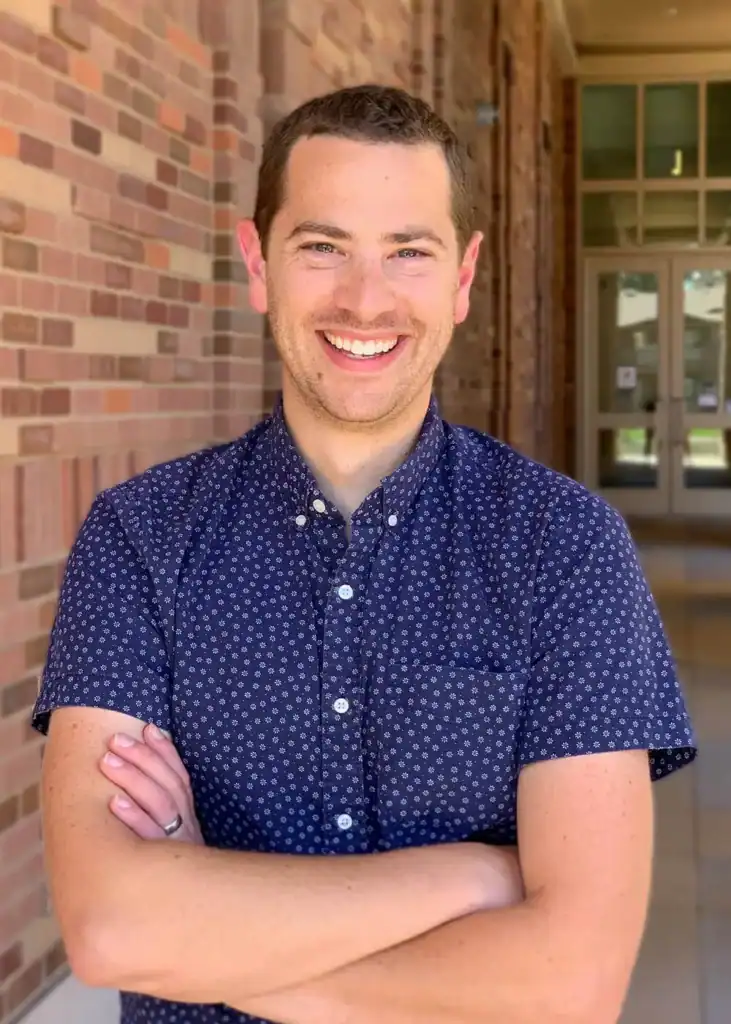
"If we look back at history, even 100 years ago at how bleak treating a disease like cancer was," Whiteley reflects, "and now I overhear patients in line at the supermarket saying they had gotten CAR T cell therapy… that only happens if there’s another generation to keep moving the needle, keep pushing the envelope."
Redefining the Patient Experience
The implications for patients are profound. Currently, many cancer patients do not respond to immunotherapy because their tumors are effectively "hidden" from the immune system. If Dr. Whiteley’s research into bacterial enzymes is successful, we could see a future where a patient’s response to treatment is augmented by a microbiome-based therapy that acts as an "immune adjuvant." This would not only increase the efficacy of current drugs but could also lower the toxicity associated with systemic immune activation.
Conclusion: The Path Forward
Dr. Aaron Whiteley represents a new breed of oncologist—one who does not see the study of bacteria and the study of human immunity as separate disciplines, but as a single, continuous history of evolution. His research is a reminder that the solutions to our most complex biological problems may have been written a billion years ago, hidden in the microscopic world we are only just beginning to fully understand.
As the Whiteley Lab moves into this next phase of research, the scientific community watches with anticipation. The CRI STAR award is more than just a grant; it is an endorsement of the idea that in the fight against cancer, the biggest risks often lead to the greatest rewards. By bridging the gap between ancient biology and modern medicine, Dr. Whiteley is not just pushing the envelope—he is creating an entirely new one, ensuring that the next generation of patients has more, and better, options than those of the past.
For the millions affected by cancer, this "Rosetta Stone" may eventually prove to be the key that unlocks the body’s full, hidden potential to heal itself.