










In a landmark decision that signals a shift in the landscape of cancer immunotherapy, the U.S. Food and Drug Administration (FDA) has granted accelerated approval to Tudriqev (vusolimogene oderparepvec-wtpg). This approval, finalized on August 6, 2026, represents the first time in over a decade that a new oncolytic virus therapy has been cleared for use in the United States. Designed to be administered in combination with the immune checkpoint inhibitor nivolumab (Opdivo®), Tudriqev offers a vital new lifeline for adult patients grappling with unresectable or metastatic cutaneous melanoma that has progressed following prior PD-1-blocking therapy.
This milestone not only expands the arsenal of clinicians treating advanced skin cancer but also reaffirms the growing potential of viral-based therapies to reprogram the body’s own immune system to recognize and eliminate malignant tumors.
The Mechanism: Turning Viruses Against the Enemy
For most of human history, viruses have been viewed solely as pathogens—agents of illness to be avoided or eradicated. However, the field of oncolytic virus therapy has successfully inverted this paradigm. By genetically modifying certain viruses, scientists have transformed them into "seek-and-destroy" tools capable of targeting cancer with surgical precision.
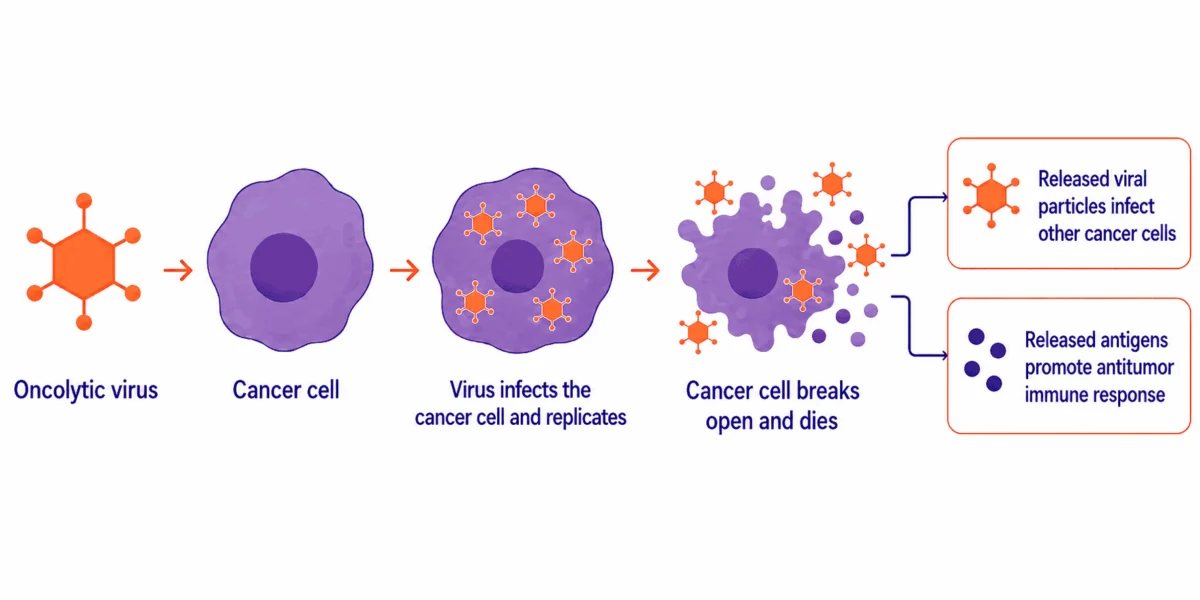
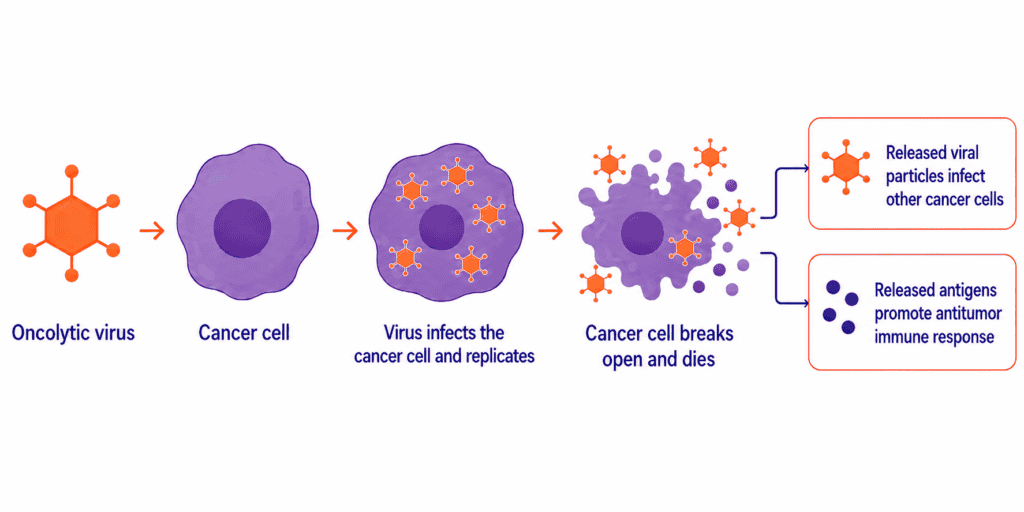
Oncolytic viruses operate through a dual-action mechanism that strikes at the heart of tumor survival. First, the virus performs a direct lytic attack. Upon injection into a tumor, the virus selectively enters and infects cancer cells. It hijacks the cell’s internal machinery to replicate itself until the cell membrane ruptures, causing the cell to die. As the cancer cell bursts, it releases progeny viral particles that are primed to infect and destroy neighboring malignant cells, creating a cascading cycle of tumor cell death.
However, the therapy’s true genius lies in its second act: immune activation. As the tumor cells disintegrate, they release tumor-associated proteins and inflammatory signals—"danger signals" that the immune system previously failed to detect. This process acts as a massive alarm system, drawing T-cells and other immune effectors to the site. By combining this viral assault with checkpoint inhibitors like nivolumab, which release the molecular "brakes" that cancer uses to hide from the immune system, researchers are creating a potent synergy. The virus acts as the match, and the checkpoint inhibitor acts as the fuel, allowing the immune system to launch a sustained, aggressive response against the cancer.
A Century of Evolution: The Chronology of Viral Therapy
The path to the approval of Tudriqev was paved by over a century of experimental science. The concept dates back to 1904, when clinicians first observed mysterious tumor regression in patients following acute viral infections. By the mid-20th century, researchers began testing naturally occurring viruses in clinical settings, though these early attempts were fraught with safety concerns and a lack of control over how the viruses spread within the body.
The 1990s marked a technological turning point. With the dawn of advanced genetic engineering, scientists could finally "tame" viruses, deleting the genes that cause illness in healthy cells while enhancing the virus’s ability to replicate within tumor microenvironments.

Key milestones in this timeline include:
- 1950s–1960s: Early, uncontrolled clinical trials using wild-type viruses.
- 1990s: Genetic engineering allows for the creation of safer, tumor-selective viral vectors.
- 2015: The FDA grants approval to T-VEC (talimogene laherparepvec), the first oncolytic virus therapy in the U.S., setting the precedent for the field.
- 2026: The approval of Tudriqev (formerly RP1) marks the next generation of this therapeutic class, providing a robust, genetically refined option for patients whose melanoma has proven resistant to traditional PD-1 inhibitors.
Supporting Data: Evidence from the IGNYTE Trial
The FDA’s decision was underpinned by data from the IGNYTE clinical trial, a multicenter study designed to evaluate the safety and efficacy of the Tudriqev-nivolumab combination. The trial enrolled 140 patients who had experienced disease progression after undergoing standard PD-1 therapy—a group for whom treatment options were previously severely limited.
In the primary efficacy analysis, which focused on a subset of 91 patients who possessed at least one non-injected lesion, the results were promising. Approximately 24.2% of these patients demonstrated an objective response, indicating significant tumor shrinkage. Perhaps most importantly, the durability of these responses was notable, with a median response duration of 14.1 months.
While these figures provided the "reasonable likelihood" of clinical benefit required for accelerated approval, the FDA has mandated that Replimune, the developer of Tudriqev, conduct further confirmatory trials. This "accelerated approval" pathway ensures that patients in need gain early access to life-saving innovation while guaranteeing that the manufacturer continues to gather the long-term data necessary to verify full clinical efficacy.
Safety and Clinical Considerations
As with any potent therapeutic intervention, the Tudriqev-nivolumab regimen comes with a specific safety profile. During clinical trials, common side effects included expected inflammatory responses, such as fatigue, fever, chills, nausea, and localized injection-site reactions. Because the therapy utilizes a modified herpes simplex virus (HSV), clinicians also provide warnings regarding potential risks of herpes infection and the necessity of preventing accidental transmission or exposure to the virus.
Patients are encouraged to maintain an open dialogue with their oncology teams, as the management of these side effects is a standard part of the treatment protocol. The Cancer Research Institute (CRI) offers comprehensive patient guides for those navigating immunotherapy, emphasizing that understanding the balance of risk and benefit is crucial for patients with advanced melanoma.
Implications for the Future of Immunotherapy
The approval of Tudriqev is a significant event, yet it represents only a small slice of the broader immunotherapy movement. According to data tracked by the Cancer Research Institute, Tudriqev is one of fewer than 160 FDA-approved cancer immunotherapies to date. The scarcity of oncolytic virus options highlights just how challenging this field is to navigate, yet the intensity of current research suggests we are at an inflection point.
Beyond Melanoma
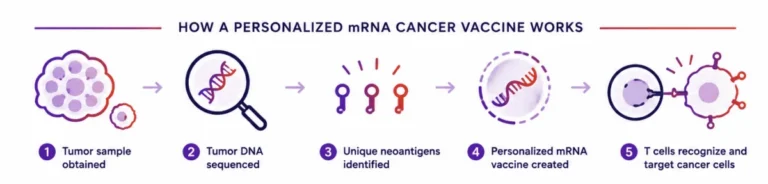
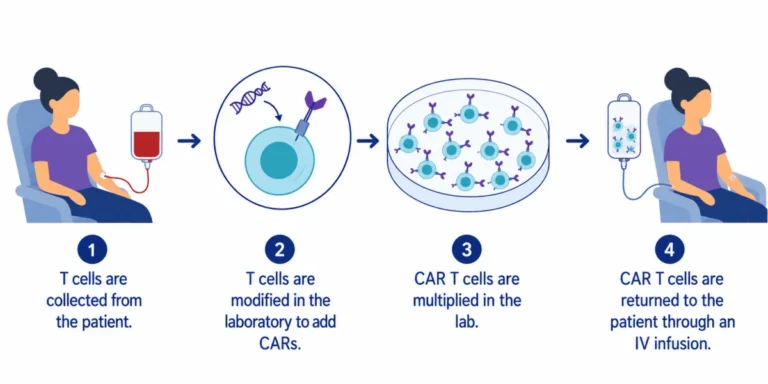
While the current approval is specific to advanced cutaneous melanoma, the implications for the future are vast. Hundreds of clinical trials are currently underway, testing viral-based approaches for dozens of other cancer types, including solid tumors in the head, neck, and gastrointestinal tract. Researchers are now looking at how to combine oncolytic viruses not just with checkpoint inhibitors, but with CAR-T cell therapies and personalized cancer vaccines.
The Role of Precision Engineering
Modern oncolytic viruses are no longer just "cell-killers." They are being engineered to act as "delivery vehicles" that can express cytokines or antibodies directly into the tumor, essentially turning the tumor itself into a factory that produces immune-stimulating molecules. This localized approach minimizes systemic toxicity, allowing for higher, more effective doses than traditional intravenous chemotherapy.
Conclusion: A New Wave of Innovation
The FDA’s approval of Tudriqev is more than a regulatory victory; it is a testament to the perseverance of the scientific community in unlocking the therapeutic power of viruses. By harnessing the same biological mechanisms that once threatened human health, researchers have turned the tables on cancer.
For patients who have exhausted traditional immunotherapy, Tudriqev offers a scientifically grounded, innovative path forward. As researchers continue to refine these viral vectors and explore their integration with other advanced therapies, the hope is that oncolytic viruses will move from being a niche treatment for melanoma to a foundational pillar of modern oncology, capable of turning "cold" or resistant tumors into ones that the immune system can see, fight, and eventually overcome.
For those interested in learning more about the science of this breakthrough, the Cancer Research Institute’s webinar, "Infecting Cancer: How Viruses Are Turning the Tide Against Tumors," featuring expert researcher Dr. John Bell, provides a detailed look at the mechanisms and the future trajectory of this field.