









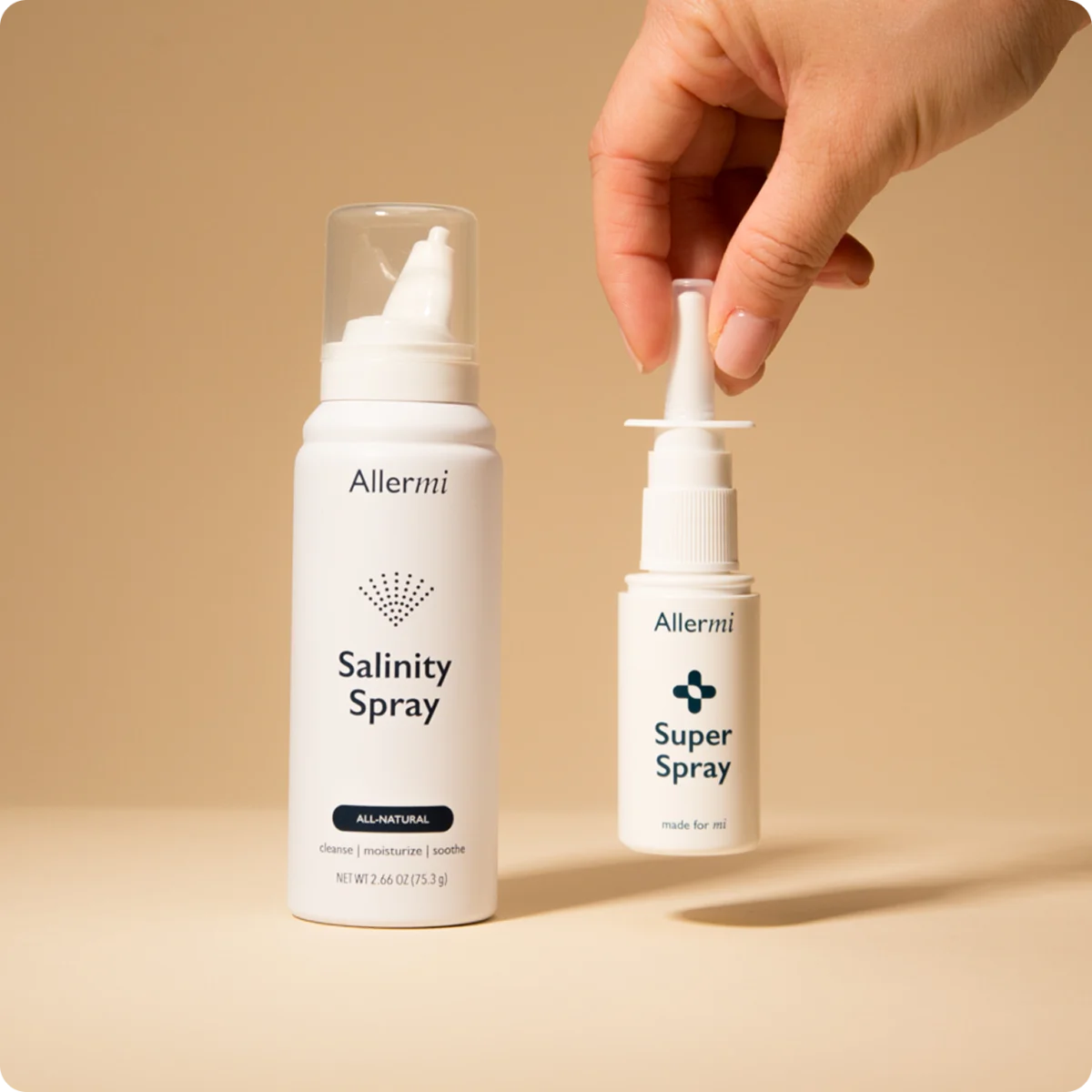
For the millions of individuals diagnosed with obstructive sleep apnea (OSA), Continuous Positive Airway Pressure (CPAP) therapy remains the gold standard of treatment. Yet, despite its proven efficacy in preventing nocturnal respiratory events and reducing cardiovascular risk, the therapy is plagued by notoriously low long-term adherence rates. A new survey released by the telehealth company Allermi suggests that a significant, often overlooked culprit is standing in the way of patient compliance: chronic nasal congestion.
The findings, which highlight a disconnect between standard sleep apnea management and the physiological realities of nasal breathing, point toward a potential paradigm shift in how clinicians approach CPAP titration and patient support.
The Silent Barrier: Why Patients Abandon CPAP
The struggle to maintain CPAP compliance is a multifaceted issue often attributed to mask discomfort, pressure settings, or psychological barriers. However, the data from Allermi’s recent survey of 112 CPAP users suggests that the biological hurdle of nasal obstruction is a primary driver of treatment abandonment.
According to the survey, 80% of respondents identified nasal congestion as a major factor complicating their ability to wear their CPAP masks consistently throughout the night. Even more alarmingly, 56% of participants reported that their congestion was severe enough that they had seriously contemplated discontinuing their therapy entirely before seeking intervention.
For many, the CPAP machine—designed to deliver a steady stream of pressurized air—becomes an instrument of frustration when the nasal passages are inflamed or blocked. When air cannot flow freely through the nose, the pressure can feel overwhelming or suffocating, leading patients to either mouth-breathe, which disrupts the efficacy of the mask, or simply remove the device in the middle of the night.
Chronology of the Issue: From Symptom to Strategy
The recognition of nasal obstruction as a barrier to sleep health is not new, but the integration of targeted, personalized nasal therapy into the CPAP workflow represents a modern evolution in sleep medicine.
- Historical Perspective: Early clinical training in sleep medicine focused heavily on the structural anatomy of the soft palate and the base of the tongue as the primary sites of airway collapse in OSA. Nasal health was often relegated to a secondary concern, treated only if the patient specifically complained of chronic rhinitis or sinus issues.
- The Shift in Clinical Focus: Over the past decade, sleep specialists have begun to recognize the "nasal-pulmonary reflex." Research has increasingly demonstrated that when nasal resistance increases, the entire airway becomes more unstable, and the tolerance for the positive pressure delivered by a CPAP machine drops precipitously.
- The Allermi Initiative: In late August and early September of 2026, Allermi conducted a survey of 112 verified customers to quantify the relationship between nasal congestion and therapy adherence. The results served as a catalyst for a broader discussion on whether current CPAP management protocols are failing to address the fundamental prerequisite of successful therapy: a clear nasal airway.
Supporting Data: The Impact of Personalized Intervention
The survey results paint a compelling picture of how addressing nasal congestion can directly improve patient outcomes. When respondents were asked to reflect on their CPAP usage patterns before and after incorporating Allermi’s personalized prescription nasal spray into their nightly routine, the data showed a marked improvement in consistency.
While the survey is not a randomized clinical trial and relies on self-reported data, the consistency of the findings suggests that stabilizing the nasal airway is a powerful lever for improving CPAP tolerance. The respondents indicated that by reducing the inflammation and congestion that previously made mask-wearing intolerable, they were better able to maintain the therapy throughout the entire duration of their sleep.
Statistical Highlights
- 80%: Reported nasal congestion made it difficult to wear their mask consistently.
- 56%: Considered quitting therapy entirely due to congestion.
- Improved Consistency: A majority of participants noted an increase in their "nightly hours on therapy" after utilizing the targeted nasal spray.
These findings suggest that for a significant subset of the OSA population, the "problem" with CPAP may not be the machine itself, but rather the physiological environment of the upper airway in which the machine is being asked to operate.
Expert Perspectives: Why Nasal Breathing Matters
The medical community is increasingly aligning with the view that the nose is the "gatekeeper" of the respiratory system.
Dr. Shuba Iyengar, chief medical officer and co-founder of Allermi, emphasizes that the issue is frequently ignored in standard clinical practice. "Nasal congestion is one of the most common complaints we hear from patients who use CPAP, and it is rarely treated as part of the therapy itself," says Dr. Iyengar. "When patients tell us in their own words that they can finally keep the mask on, that is a signal worth taking seriously, and it is why we are investing in more research with sleep medicine partners."
Dr. Rafael Pelayo of the Stanford Sleep Medicine Center, a clinical professor at Stanford University School of Medicine, admits that this was a blind spot in his own early career. "When I first started my career in sleep medicine, I did not appreciate the importance of nasal breathing," Dr. Pelayo notes. "The early clinical teaching focused more on the soft palate and base of the tongue. But gradually, I began to appreciate more the importance for my sleep apnea patients of having open nasal passages."
Dr. Pelayo’s reflection mirrors a broader change in the field, where the "upper airway" is now viewed as a complex ecosystem that includes the nasal turbinates, the sinuses, and the pharyngeal space. If the nose is obstructed, the body naturally compensates, often in ways that are incompatible with CPAP therapy.
Implications for Sleep Medicine and Future Research
The implications of these findings are profound for sleep clinics and manufacturers of sleep equipment. If a significant portion of CPAP nonadherence is driven by manageable nasal congestion, then clinical protocols must evolve.
1. The Need for Proactive Nasal Screening
Clinicians should consider routine screenings for nasal obstruction at the time of CPAP prescription. Rather than waiting for a patient to complain about congestion, a proactive approach could involve identifying patients with allergic rhinitis or septal deviation before they begin CPAP, ensuring their nasal passages are optimized for the therapy.
2. Personalized Therapy Protocols
The use of "one-size-fits-all" over-the-counter nasal sprays may not be sufficient for all patients. The Allermi model, which utilizes personalized prescription-strength formulations, highlights the potential for bespoke treatment plans that account for the unique inflammatory profiles of different patients.
3. Expanding the Definition of "Adherence Strategy"
Current strategies to improve CPAP adherence often focus on "coaching," better mask fits, or humidification. While these are essential, the data suggests that pharmacological support for the nasal airway should be viewed as a pillar of adherence strategy. By ensuring the nose is clear, clinicians can likely reduce the "pressure of the pressure," making the therapy more comfortable and less intrusive.
4. A Call for Further Clinical Trials
While the Allermi survey provides a strong signal, the industry requires larger-scale, randomized controlled trials (RCTs) to confirm these findings. Future research should look at the long-term objective data—such as CPAP machine download reports—to see if the subjective feelings of "improved consistency" translate into statistically significant increases in usage hours across diverse demographics.
Conclusion: A Holistic Path Forward
The path to successful CPAP adherence is often obstructed by both physical and psychological barriers. For many, the physical barrier is quite literal: the nasal passages. By acknowledging that the nose is the starting point for respiratory health, the sleep medicine community can move toward a more holistic model of care.
The combination of advanced CPAP technology with targeted, personalized nasal health support offers a promising pathway for patients who have previously felt defeated by their therapy. As Dr. Iyengar and Dr. Pelayo suggest, the simple act of restoring nasal breathing may be the key to unlocking the long-term benefits of CPAP for thousands of patients who are currently at risk of abandoning their treatment.
Moving forward, the focus must shift from merely "prescribing the machine" to "optimizing the patient." By clearing the air, we may finally be able to help patients breathe easier, sleep better, and stick to the therapy that saves lives.