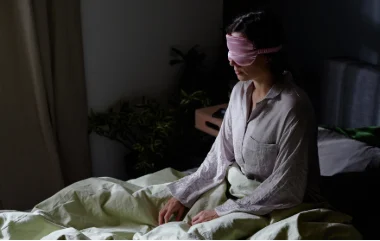
For millions of adults, the simple act of drifting off to sleep has become a nightly struggle. As the pace of modern life accelerates, the biological necessity of restorative rest is increasingly sidelined by stress, digital overstimulation, and chronic health concerns. Consequently, a growing segment of the population is turning to external interventions to force the body into slumber.
Recent data from the Centers for Disease Control and Prevention (CDC) reveals that approximately 13% of U.S. adults have utilized some form of sleep aid—be it prescription medication, over-the-counter (OTC) products, or cannabis-derived substances—at least once in the past month to combat sleeplessness. While these figures highlight the desperation for rest, medical experts warn that the widespread use of sleep aids is a double-edged sword: while they may offer temporary relief, they often mask underlying issues and carry significant, long-term health risks.
The Landscape of Sleep Deficiency
The prevalence of sleep aid usage is only one side of the coin; the other is the persistent inability to achieve the recommended seven hours of sleep per night. According to federal data, 30.5% of American adults report averaging less than seven hours of sleep, a deficit that has been linked to an increased risk of cardiovascular disease, cognitive decline, and metabolic disorders.
The irony is palpable: despite the high rate of sleep aid consumption, a significant portion of the population remains chronically sleep-deprived. This suggests that the reliance on chemical assistance is not a panacea for the nation’s sleep crisis. Instead, it points to a mismatch between how we treat sleep and the biological requirements of the human body.
A Chronology of the Sleep Aid Trend
The trajectory of sleep aid usage has shifted dramatically over the past two decades. Historically, the market was dominated by over-the-counter antihistamines like diphenhydramine and prescription sedative-hypnotics. However, the last decade has ushered in a radical transformation:
- 2010–2015: The rise of “sleep hygiene” awareness began to gain traction in public health circles, yet the pharmaceutical market for sedative-hypnotics remained at an all-time high.
- 2016–2020: As the legalization of marijuana spread across U.S. states, anecdotal reports of using cannabis as a “natural” sleep aid began to outpace clinical research.
- 2021–2024: The post-pandemic era saw a surge in sleep-related anxiety, leading to a record-high reliance on non-traditional aids, including CBD and various cannabis products, despite a lack of long-term longitudinal data regarding their efficacy.
- 2025–Present: Organizations like the American Academy of Sleep Medicine (AASM) have begun to issue formal warnings, noting that the normalization of marijuana for sleep may be creating a public health blind spot.
The Marijuana Conundrum: A Complex Intersection
As recreational and medical marijuana become more accessible, its perceived status as a “wellness” tool for sleep has cemented itself in the public consciousness. A recent survey conducted by the AASM found that a significant number of adults are experimenting with cannabis to manage their sleep patterns.
However, the efficacy of this trend remains highly subjective. Data suggests that experiences are heavily stratified by gender and age. For instance, men report higher rates of perceived improvement (39%) compared to women (28%). Furthermore, adults between the ages of 25 and 44 appear to be the primary demographic utilizing these products for rest.
The Myth of the "Sleepy High"
Experts are increasingly concerned by the disconnect between the feeling of being sedated and the quality of sleep achieved. While cannabis may help an individual fall asleep faster by inducing a sense of relaxation, it does not necessarily result in restorative, deep-cycle sleep.
The physiological impact is “multifaceted.” While some studies indicate that cannabinoids might influence the body’s circadian rhythm, others show that regular cannabis use can suppress REM sleep, the stage of sleep most critical for emotional regulation and memory consolidation. Moreover, a recent pilot study revealed a significant psychological placebo effect: participants who believed that cannabis would improve their sleep consistently overestimated their sleep duration and quality, suggesting that the expectation of relief is often doing more work than the substance itself.
The Clinical Perspective: Why Risks Outweigh Benefits
The medical community is urging caution, pointing to a range of potential health complications associated with habitual sleep aid use. For those turning to marijuana or OTC sleep aids, the risks are not merely theoretical:
- Tolerance and Dependence: Many users find that they require increasingly higher doses to achieve the same effect, leading to a cycle of psychological or physical dependence.
- Impaired Daytime Function: Many sleep aids leave users with a “hangover” effect, impairing cognitive function, reaction times, and motor skills the following day.
- Interaction Risks: Combining sleep aids—particularly those that depress the central nervous system—with alcohol or other medications can lead to dangerous side effects, including respiratory depression.
- Masking Chronic Disorders: By relying on a chemical aid, patients often delay seeking diagnosis for treatable conditions such as sleep apnea or restless leg syndrome, which require specific medical interventions rather than sedation.
Evidence-Based Solutions: Moving Beyond the Pill
Sleep medicine experts emphasize that the gold standard for treating chronic insomnia is not a pill, but a behavioral intervention known as Cognitive Behavioral Therapy for Insomnia (CBT-I). Unlike medication, which addresses the symptom of wakefulness, CBT-I addresses the psychological and behavioral triggers of insomnia.
CBT-I helps patients identify and dismantle the “maladaptive thoughts” that prevent sleep. It focuses on stimulus control, sleep restriction (to build sleep drive), and cognitive restructuring. For many, this process yields far more sustainable results than any pharmaceutical alternative.
Practical Steps for Sustainable Sleep
Before turning to the medicine cabinet, health organizations recommend a rigorous review of daily habits. Healthy sleep is a product of environmental and behavioral consistency. To support the natural sleep-wake cycle, experts suggest the following:
- Consistency is Key: Going to bed and waking up at the same time every day, including weekends, reinforces the body’s internal clock.
- Optimize the Environment: The bedroom should be a sanctuary—cool, dark, and quiet. Investing in blackout curtains or white noise machines can mitigate external disruptions.
- Digital Hygiene: The blue light emitted by smartphones and laptops inhibits the production of melatonin. Experts recommend a “digital sunset” at least one hour before bed.
- Limit Stimulants: The half-life of caffeine is significantly longer than most people realize. Avoiding caffeine after the early afternoon is essential for many.
- Mindfulness and Relaxation: Incorporating meditation, gentle stretching, or breathing exercises can help lower cortisol levels before retiring for the night.
The Path Forward: A Call for Professional Consultation
The bottom line remains clear: sleep is a foundational pillar of health, not a commodity to be purchased over the counter. If you find yourself consistently unable to sleep, or if you are already relying on sleep aids, the most critical step is to consult a healthcare professional.
A doctor can help determine whether your sleeplessness is a symptom of a larger health issue or a result of lifestyle factors that can be modified. If persistent issues remain, they may refer you to an AASM-accredited sleep center, where specialists can conduct a formal sleep study to identify specific disorders.
In an age of instant gratification, it is tempting to seek a quick fix for a tired mind. However, true health is found in the sustainable, long-term habits that support our biology. By moving away from a reliance on sleep aids and toward evidence-based strategies, we can reclaim the quality of our nights—and, by extension, the vitality of our days.
Related Resources:
- The American Academy of Sleep Medicine (AASM) – Sleep Education Portal
- Centers for Disease Control and Prevention – Data on Sleep Habits
- Society of Behavioral Sleep Medicine (SBSM) – Finding a Specialist