







In an era defined by fiscal volatility and shrinking public research budgets, the global scientific community has faced an increasingly precarious environment. Yet, for the Cancer Research Institute (CRI), a period of systemic uncertainty has served as a catalyst for its most ambitious period of growth in history. By doubling down on the belief that scientific discovery cannot be put on hold, the CRI has successfully navigated these headwinds, setting a new benchmark for philanthropic impact in the fight against cancer.
Main Facts: A Record-Breaking Fiscal Year
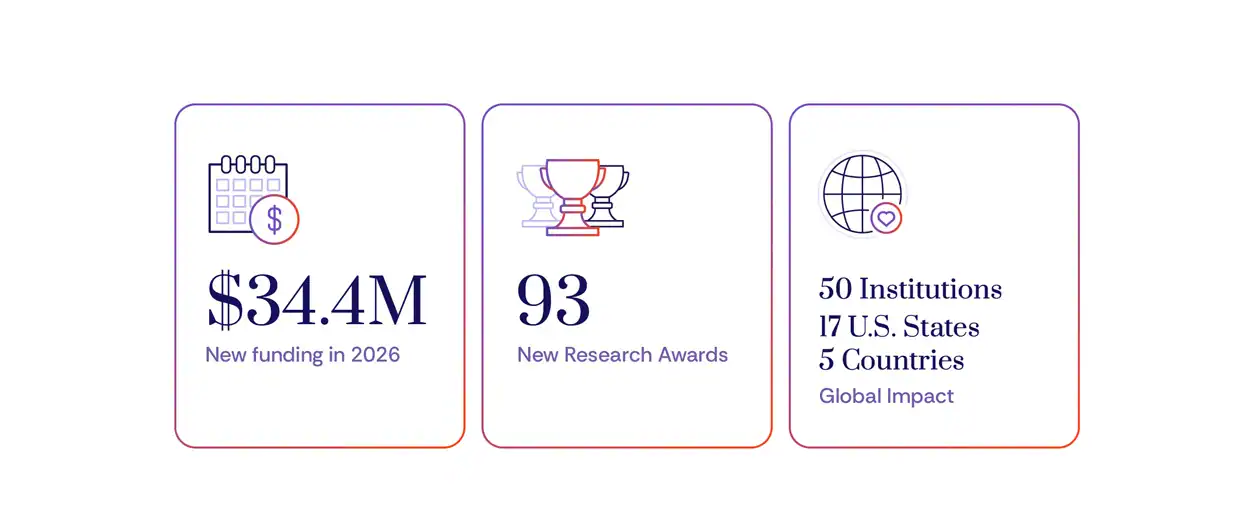
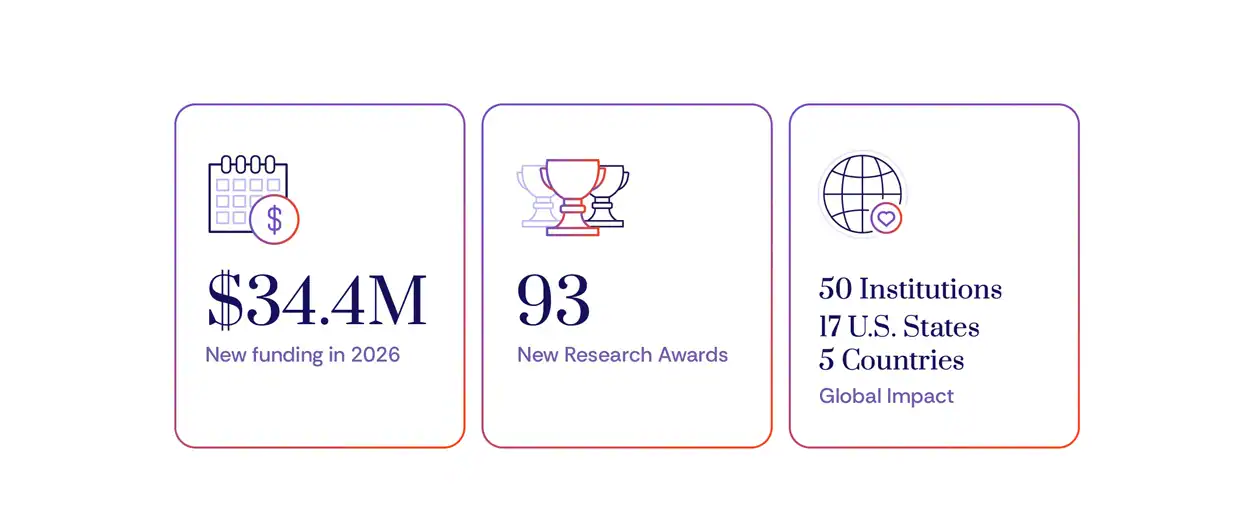
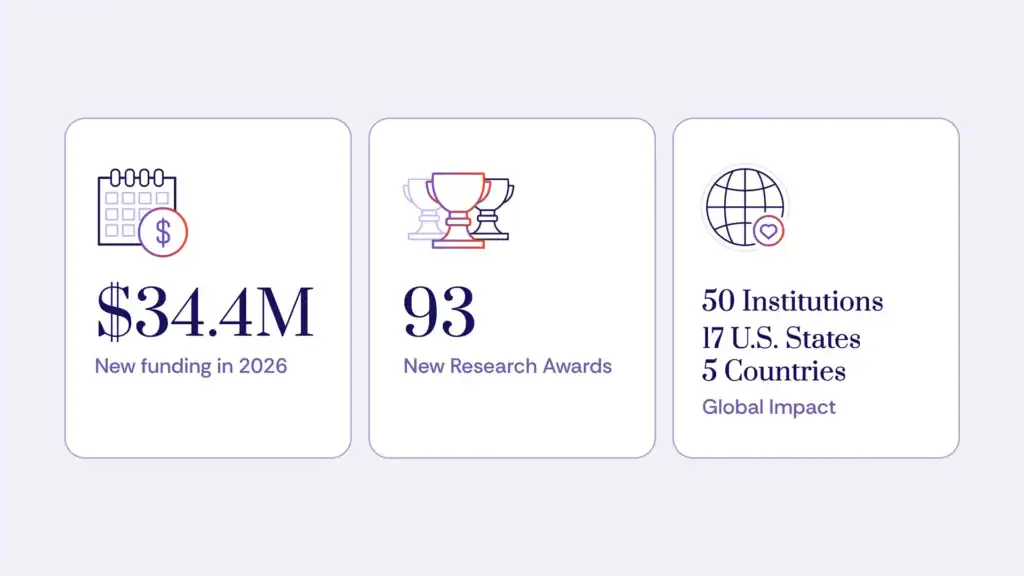
During the 2025–2026 fiscal year, the Cancer Research Institute reached a historic milestone. The organization committed a total of $34.4 million in new funding, distributed across 93 distinct awards. This represents the largest grantmaking endeavor in the Institute’s 70-year history.
These investments are not merely localized; they represent a global infrastructure of innovation. CRI-funded researchers are currently operating across 50 institutions in 17 states and five countries. By distributing this capital, the CRI is ensuring that the momentum of immunotherapy—a field that has revolutionized cancer treatment—continues to accelerate despite the broader economic climate.
Chronology: Seven Decades of Sustained Commitment
To understand the significance of this year’s record, one must look at the trajectory of the CRI’s mission:
- 1953–1970s: The Foundations of Hope. The CRI was established with the radical belief that the immune system could be harnessed to treat cancer—a concept that was, at the time, largely dismissed by mainstream oncology.
- 1980s–2010s: The Era of Clinical Validation. Through persistent funding of basic research, the CRI helped shepherd the field from laboratory theory to clinical reality, leading to the approval of life-saving checkpoint inhibitors and CAR T-cell therapies.
- 2025: The Year of Response. Faced with significant cuts in government and private sector research funding, the CRI’s leadership pivoted to prioritize "bridge funding," ensuring that established laboratories did not collapse during the financial downturn.
- 2026: The Launch of IGNITE. Building on years of fellowship support, the Institute formalized the "Inspiring Growth and Nurturing Independence Through Excellence" (IGNITE) Award to solve the "valley of death" facing early-career investigators.
The IGNITE Initiative: Bridging the Career Gap
One of the most critical threats to scientific progress is the "postdoc trap." The transition from mentored postdoctoral training to an independent principal investigator (PI) role is statistically the most vulnerable period in a scientist’s career. During this phase, researchers must secure laboratory space, recruit staff, and prove their concepts—often without the long-term track record required to win major federal grants.
CRI’s IGNITE Award was specifically designed to rectify this market failure. By providing high-impact, flexible funding at the precise moment a scientist is ready to launch an independent program, the CRI ensures that bold ideas do not die in the transition from trainee to leader.
Case Study: Dr. Simone Park
The impact of this program is best illustrated by Dr. Simone Park of the University of Pennsylvania. Initially supported by the CRI during her postdoctoral tenure, Dr. Park has become a pioneer in the study of tissue-resident memory T cells.
These cells are specialized defenders that reside in the body’s tissues, potentially offering a "memory" of cancer that prevents recurrence. With the backing of the inaugural IGNITE Award, Dr. Park is now moving from discovery to application. Her work seeks to answer a fundamental question: What allows these cells to persist and defend against tumors over long periods? By decoding this biological durability, Dr. Park’s work is laying the groundwork for the next generation of immunotherapy.
Supporting Data: The Multi-Tiered Ecosystem
The success of the CRI model is not reliant on a single type of grant. Instead, the organization utilizes a "continuum of support" to nurture researchers throughout their professional lives:
- Postdoctoral Fellowships: Providing the foundational resources for young scientists to establish their expertise.
- IGNITE Awards: Facilitating the transition to independent, high-level research programs.
- Lloyd J. Old STAR Awards: Empowering established investigators to take "high-risk, high-reward" gambles that traditional, more conservative funding bodies often reject.
This ecosystem is supplemented by a robust clinical trial infrastructure, data science programs, and educational resources for patients and caregivers. By integrating computational biology training with clinical trial management, the CRI ensures that the laboratory findings are not just published, but translated into patient-facing treatments.
Official Responses and Strategic Philosophy
"There are moments when an organization’s mission is tested not by opportunity, but by uncertainty," says a spokesperson for the CRI. "This past year was one of those moments. We made a deliberate choice: keep science moving forward."
The Institute’s leadership emphasizes that while the economic landscape may fluctuate, the requirements for scientific progress remain constant: exceptional people, bold ideas, and the capital to take risks. By maintaining a focus on "high-risk, high-impact" research, the CRI acts as a venture capital firm for medical progress, filling gaps where risk-averse institutional funding fears to tread.
Implications: The Future of Cancer Immunotherapy
The implications of this record-setting year are profound. For the cancer research community, the CRI’s commitment provides a sense of stability. For the patient community, it offers a tangible promise that the pipeline of new therapies will not dry up during economic downturns.
The 2026 Annual Impact Report, recently released by the Institute, frames these investments not as expenses, but as an essential insurance policy for the future of medicine. By investing in the individuals behind the research, the CRI is cultivating a generation of leaders who will spend the next several decades refining the tools that make cancer a manageable, or even curable, disease.
Addressing the Broader Landscape
The CRI’s strategy also highlights a shift in how non-profits must operate. In a globalized scientific environment, the ability to fund cross-institutional collaboration is paramount. By linking researchers across 50 institutions and five countries, the CRI is creating a "network effect," where findings in one laboratory can be instantly validated or expanded upon by researchers on the other side of the world.

Furthermore, the emphasis on computational skills indicates that the CRI understands the modern reality of oncology: we are moving from an era of purely biological research to an era of data-driven medicine. By equipping researchers with the tools to analyze massive datasets, the CRI is future-proofing its grantees.
Conclusion: Just Getting Started
As the organization looks toward the remainder of the decade, the tone is one of tempered urgency. While the $34.4 million investment is a cause for celebration, the Institute acknowledges that the complexity of cancer biology requires even more sustained, aggressive action.
The uncertainty of the global market may have changed the landscape, but it has only solidified the CRI’s resolve. The organization remains committed to the belief that the most profound breakthroughs often occur when researchers are given the freedom to follow the data, wherever it may lead.
With a new cohort of IGNITE scholars, a strengthened network of established investigators, and a growing repository of clinical data, the Cancer Research Institute is positioning itself at the vanguard of a new, highly effective era of immunology. As the organization notes in its annual assessment, "There is extraordinary work still ahead of us. And we’re just getting started."