







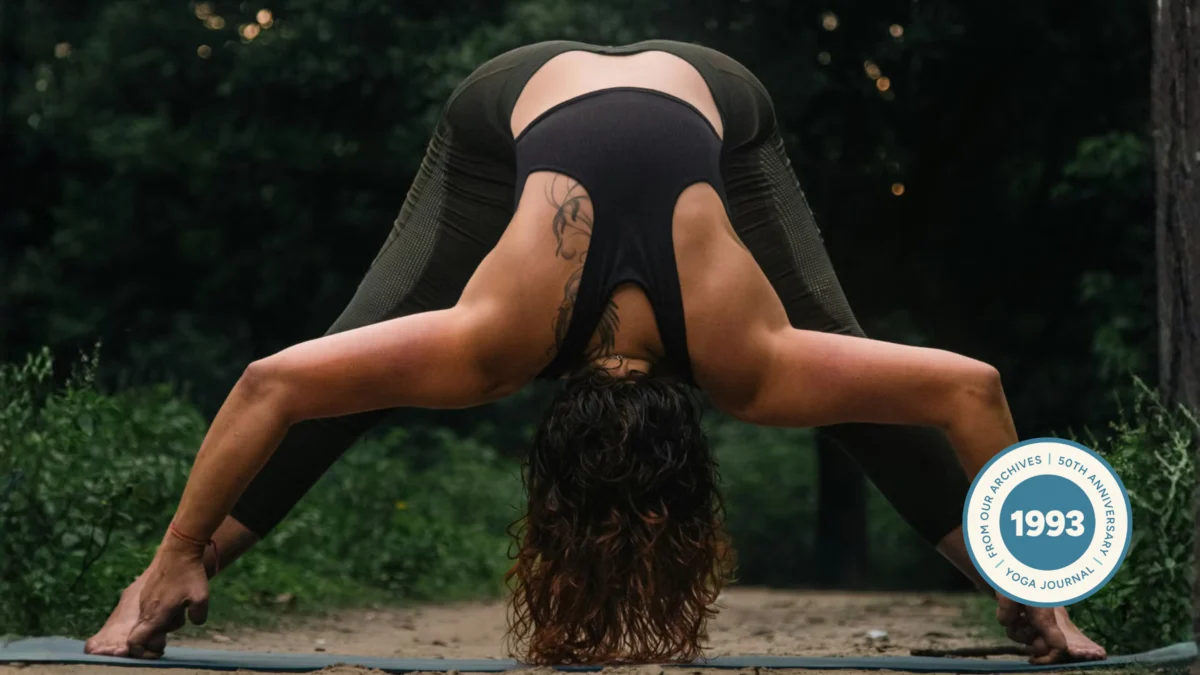
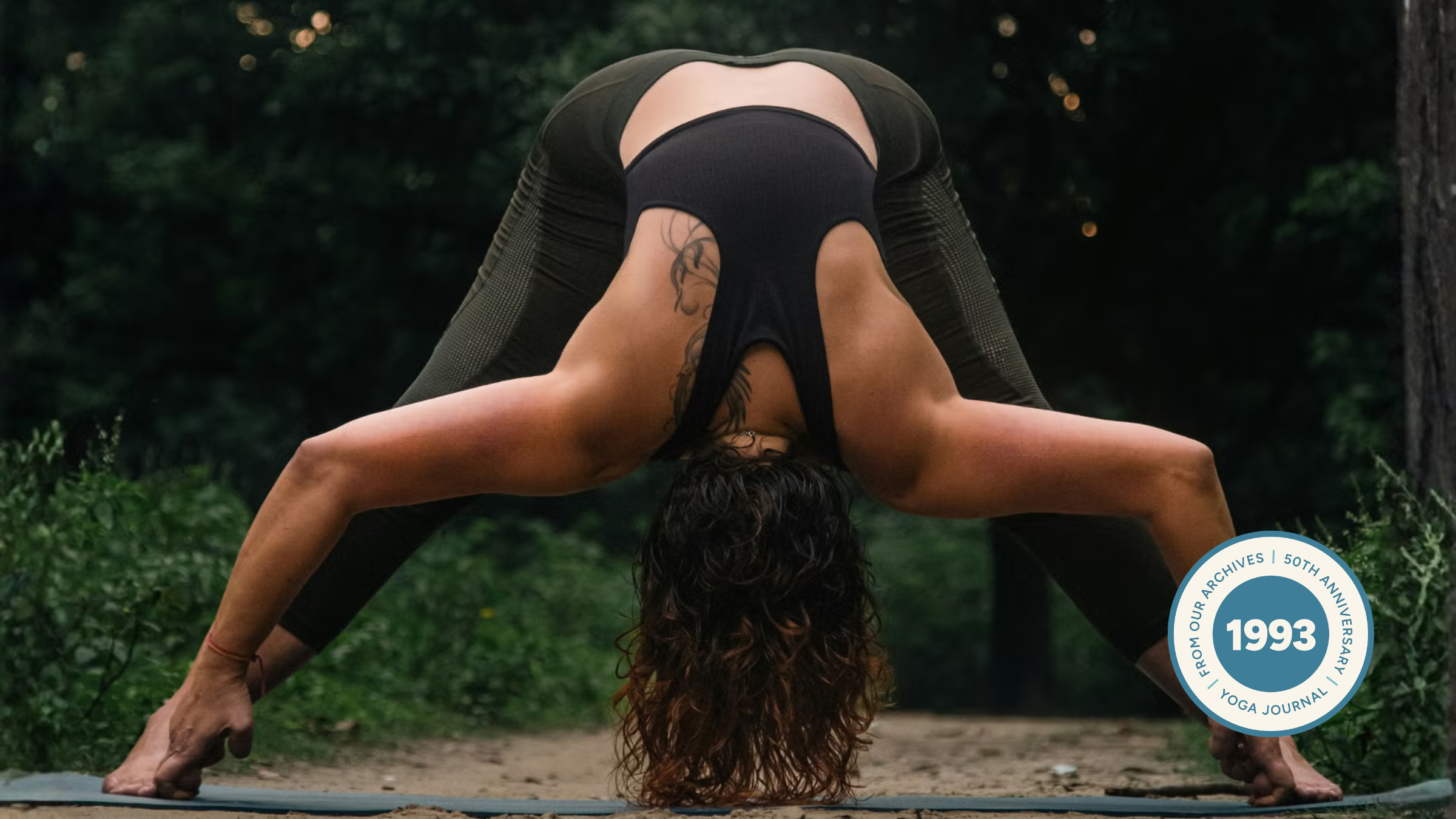
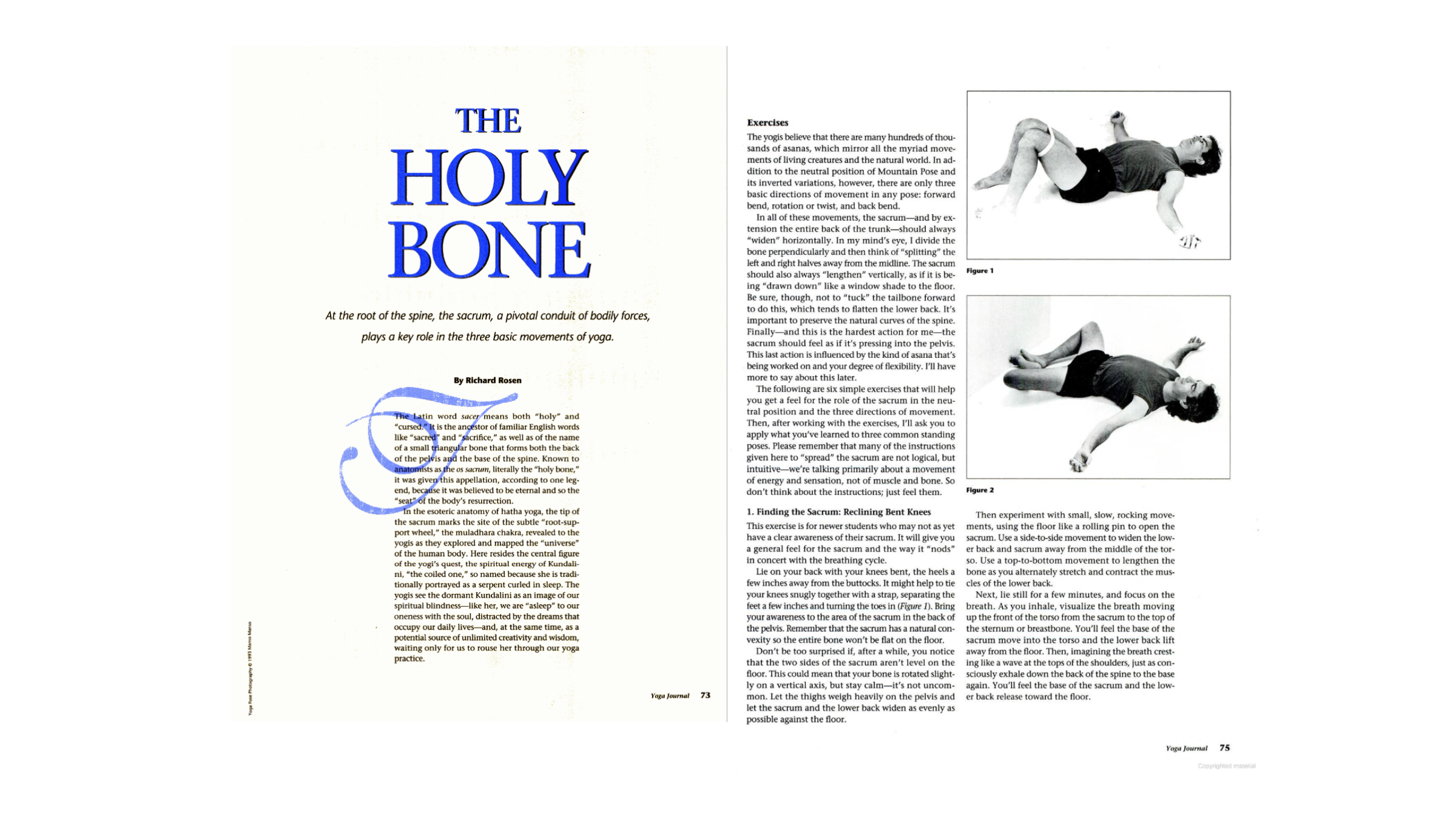
Originally published in the November-December 1993 issue of Yoga Journal, this deep dive into the "holy bone" remains a cornerstone of anatomical and spiritual understanding in the yoga community.
In the intricate architecture of the human body, few structures carry as much physical and symbolic weight as the sacrum. Derived from the Latin word sacer—meaning both "holy" and "cursed"—this small, triangular bone situated at the base of the spine serves as the literal and figurative foundation of our movement. To the anatomist, it is the os sacrum, a vital component of the pelvic girdle. To the yogi, it is the "seat of resurrection" and the anchor of the muladhara, or root chakra.
As we navigate the demands of modern sedentary life, our relationship with this bone has become increasingly disconnected. Reclaiming the sacrum is not merely an exercise in physical therapy; it is a profound act of re-centering the self.
Main Facts: Anatomy and Ancient Lore
The sacrum is a broad, wedge-shaped bone formed by the fusion of five vertebrae. It acts as a pedestal for the mobile spine, transitioning the weight of the torso into the pelvis and, subsequently, the legs. Its unique position makes it the "keystone" of the human skeletal system.
Historically, the name "holy bone" is steeped in legend. Some traditions suggest it was deemed the final part of the body to decompose, leading ancient cultures to view it as the indestructible seat of the soul. In the esoteric anatomy of Hatha Yoga, the tip of the sacrum marks the muladhara, the "root-support wheel." This is the resting place of Kundalini, the "coiled one," a dormant spiritual energy often depicted as a serpent. The yogic pursuit involves rousing this energy, transforming the sacrum from a mere bone into a conduit for unlimited creativity and wisdom.
Chronology of the Yogic Exploration
The study of the sacrum is not a modern medical invention; it is the culmination of centuries of somatic inquiry.
- Ancient Period: Yogic explorers mapped the body as a "microcosmos," viewing anatomical structures as symbols of cosmic reality. They identified the spine as the "Staff of Meru"—the axis of the universe.
- 1975: Yoga Journal began its Archives series, documenting the evolving understanding of how physical alignment influences spiritual states.
- 1993: The publication of the foundational study on the sacrum emphasized that the body’s "wheels" and "serpents" were not flights of fancy, but internal maps for physical and emotional healing.
- Present Day: Modern yoga practitioners continue to integrate these 1993-era insights to mitigate the chronic lower back pain associated with modern office work and postural neglect.
Supporting Data: The Mechanics of Movement
The sacrum’s primary functions are twofold: to root the spine and to support the transfer of force between the upper and lower body. When the sacrum is misaligned, the body loses its connection to the ground. This leads to stagnation, physical strain, and emotional listlessness.
To understand the sacrum, one must move beyond viewing it as a static object. According to experienced practitioners, there are three primary movements to cultivate during yoga practice:
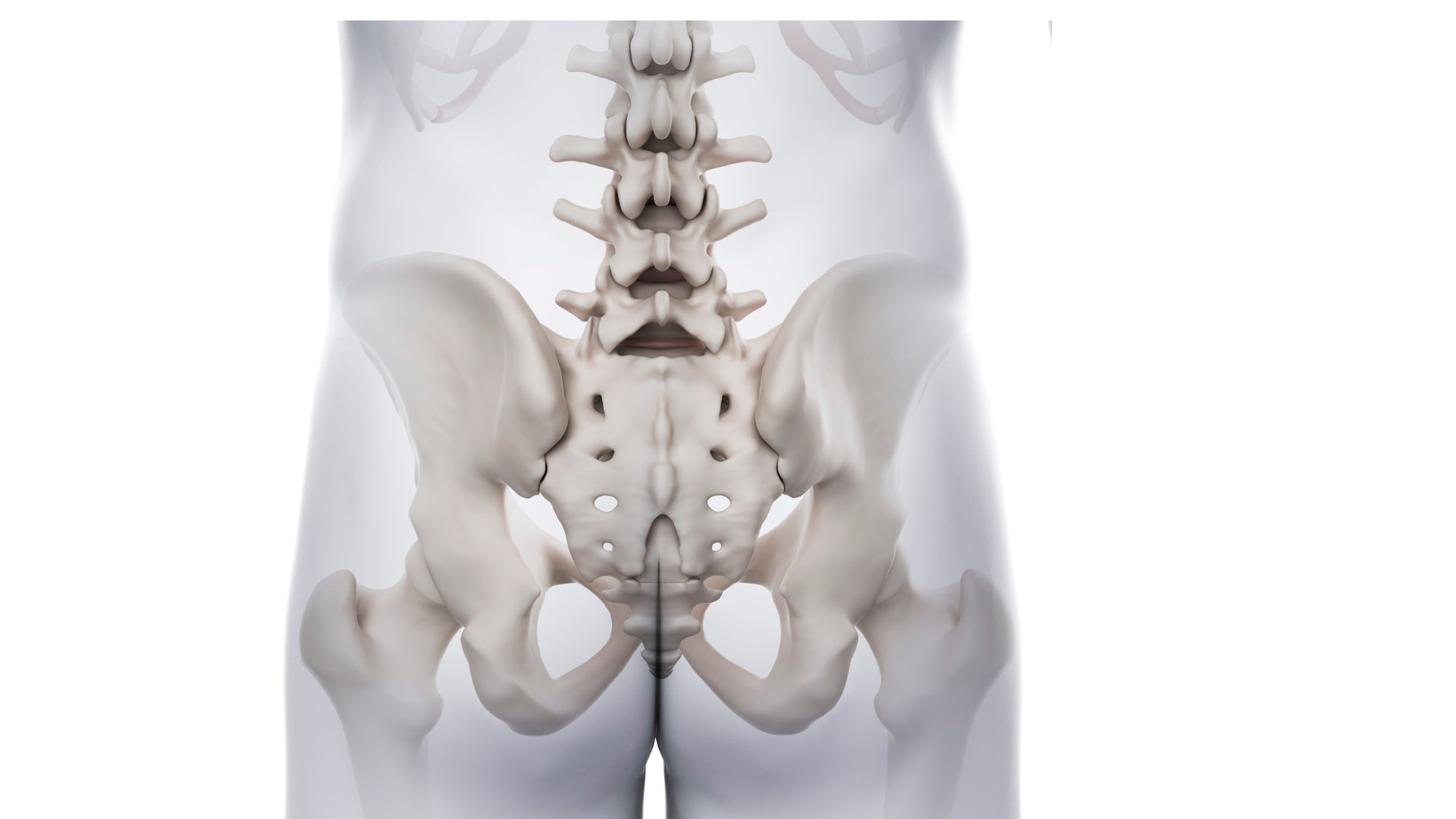
- Horizontal Widening: Splitting the left and right halves of the bone away from the midline.
- Vertical Lengthening: Drawing the apex of the sacrum down toward the floor, akin to a window shade, without tucking the tailbone.
- The "Inward" Press: Developing a subtle, energetic sense of the bone moving into the pelvis, which provides "strength without tension."
Official Perspectives and Therapeutic Implications
Leading yoga instructors have long argued that the sacrum is the pivot point for samatva—a state of equanimity. In the Bhagavad Gita, this is described as "skillful action." When the vertebrae share the load of movement equally, the spine remains nourished. When certain vertebrae become "stuck," they transfer their burden to neighbors, leading to the chronic injuries that plague many modern students.
The Role of Asana in Sacral Health
The practice of asana provides the laboratory to test these theories. Through exercises like Reclining Bound Angle (Supta Baddha Konasana) and careful engagement in Forward Bends, students learn to distinguish between bone-level force and energetic sensation.
"The instructions given for spreading the sacrum are not always logical in a purely biomechanical sense," notes the original 1993 report. "They are intuitive. We are talking primarily about a movement of energy and sensation, not just muscle and bone."
Implications for Modern Practice
Why does the sacrum matter to the average practitioner? Because the way we carry our sacrum reflects how we carry our lives.
1. The Neutrality of Mountain Pose
In Tadasana, the goal is to stop the pelvis from tilting anteriorly or posteriorly. By broadening the base of the sacrum and releasing the apex, the practitioner creates a grounded stability that allows the spine to rise effortlessly.
2. Resolving Back Pain
For those with lower back injuries, the sacrum is the primary site of intervention. By focusing on the apex—rather than the base—as the pivot for backbends, students can avoid the compression that often exacerbates lumbar pain.
3. The Concept of "Lila"
Ultimately, the yogic perspective views the body as lila, or the "joyous play of the Goddess." Our yoga practice, particularly our attention to the sacrum, is a form of "sacred sport." It is not about winning a physical competition, but about keeping the "infinite game" of existence alive and flowing.
When we align the sacrum, we align our connection to the earth and the heavens. We cease to be merely a collection of parts and become a "whole"—a word that, etymologically and spiritually, shares the same roots as "holy."
A Guide to Practical Exercises
For those looking to deepen their awareness, consider these fundamental movements:
- Reclining Bent Knees: A starting point for feeling the sacrum "nod" with the breath. Use the floor as a rolling pin to sense the bone’s width and length.
- Reclining Bound Angle: Focus on dropping the inner thighs while keeping the sacrum broad. This creates the stability required for deeper poses.
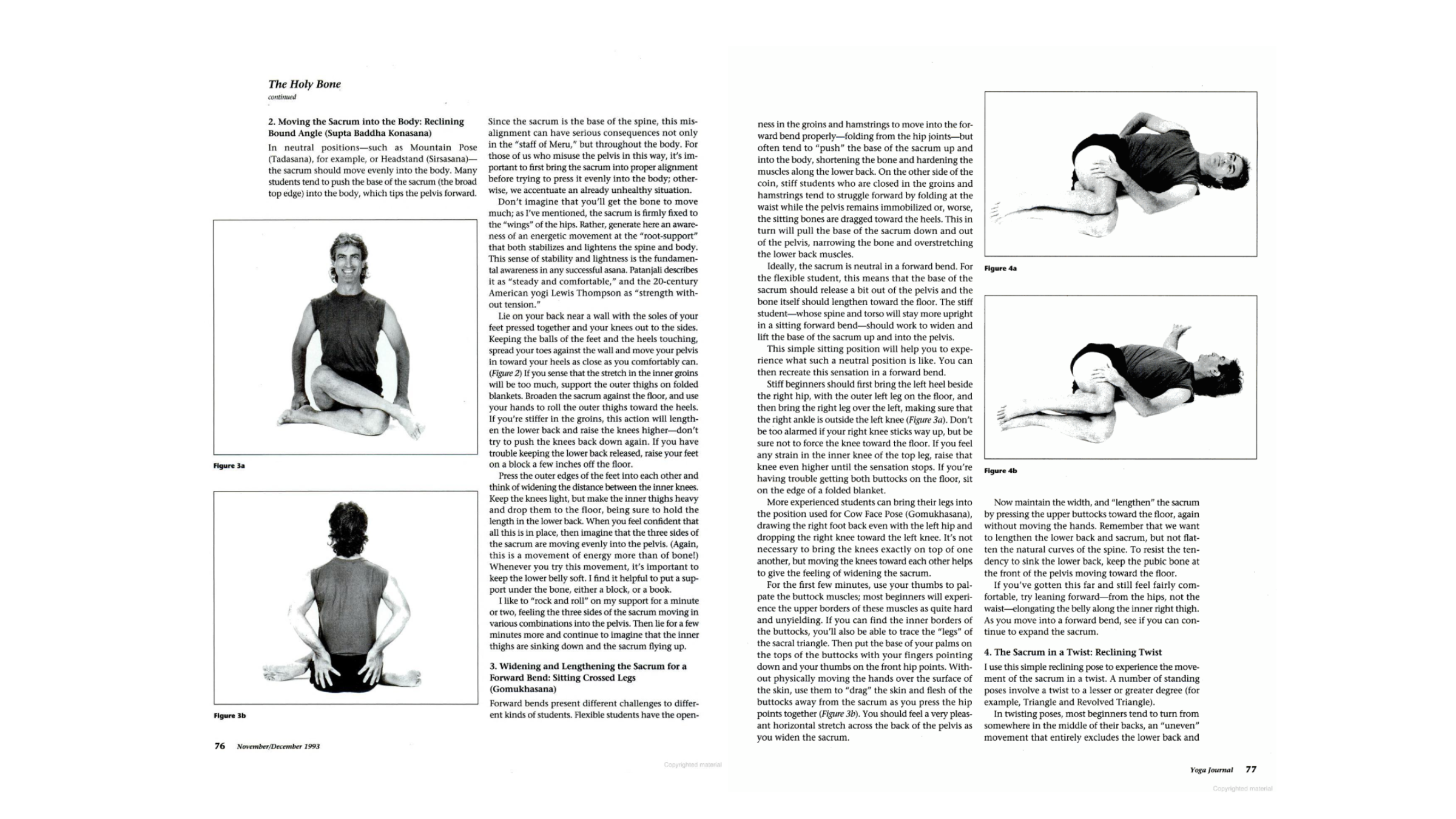
- Sitting Crossed Legs: Use the palms to manually drag the flesh of the buttocks away from the sacrum, creating the horizontal stretch necessary for healthy forward folding.
- Reclining Twist: Ensure the twist originates from the sacrum, spiraling up the spine. The head should receive the action, never lead it.
- Low Lunge: Emphasize the apex of the sacrum to ensure that backbends remain a source of relief rather than compression.
Summary
The journey toward understanding the sacrum is a journey toward the center of the self. By honoring this "holy bone," we cultivate a foundation that is steady, comfortable, and deeply connected to the pulse of life. Whether you are a beginner struggling to find your pelvic tilt or a veteran practitioner refining your prana, the sacrum remains your most vital, and perhaps most ignored, partner in the practice of yoga.