








Main Facts: A New Regulatory Horizon
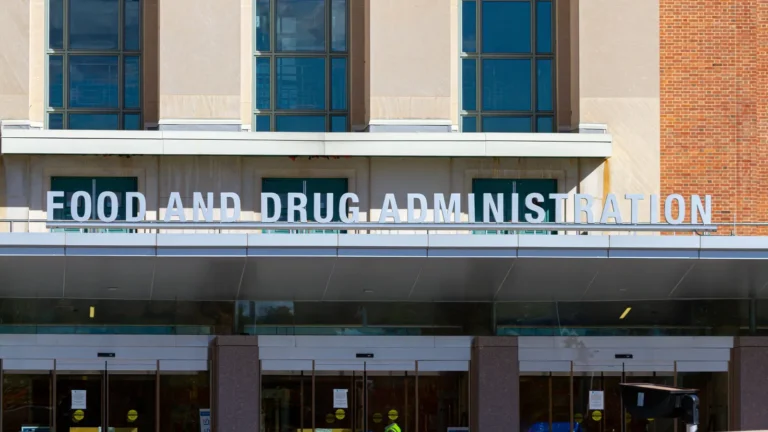
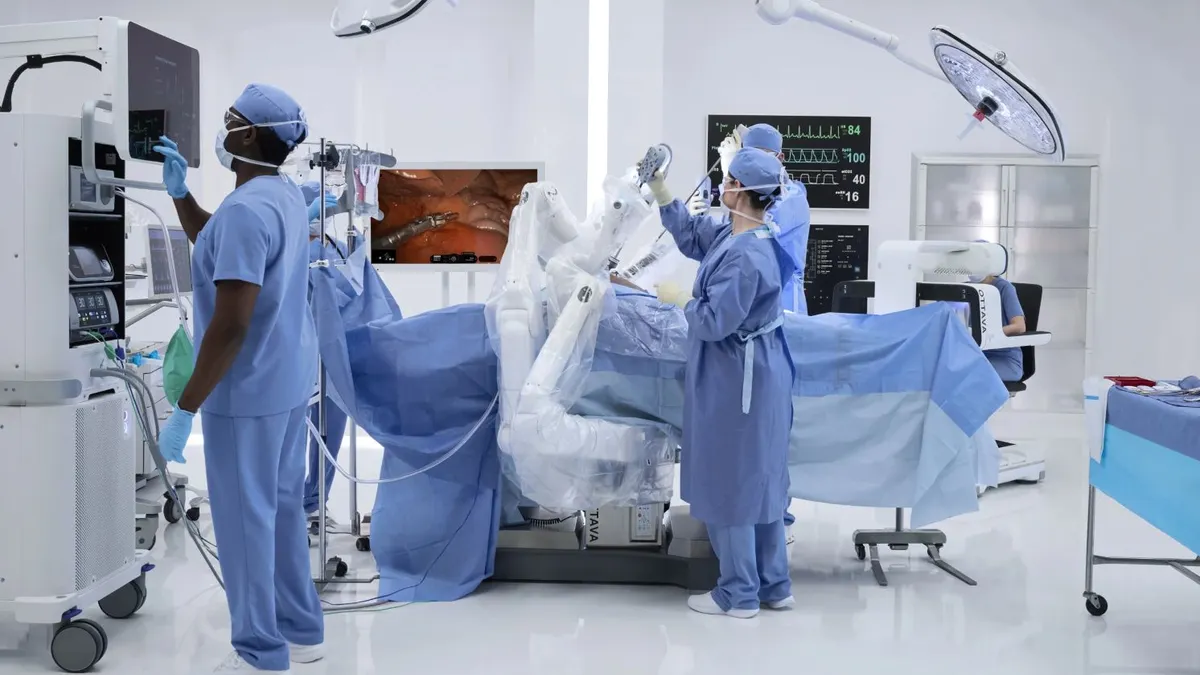
The U.S. Food and Drug Administration (FDA) has officially signaled a shift in how it regulates the rapidly evolving sector of robotic-assisted surgery. In a move widely interpreted as a catalyst for innovation, the agency has released comprehensive draft guidance aimed at clarifying the regulatory pathways for surgical robotic systems. This development comes at a critical juncture, as the marketplace—long dominated by Intuitive Surgical—sees a surge of new entrants, including major players like Johnson & Johnson with its Ottava system.
The draft guidance serves as a roadmap for manufacturers, detailing the technical requirements for demonstrating the safety and efficacy of software-controlled, teleoperated surgical robots. Simultaneously, the FDA has scheduled a high-stakes, two-day public workshop to address the complexities of robotic systems that incorporate autonomous features or remote teleoperation capabilities. By formalizing these frameworks, the FDA is attempting to reconcile the rapid pace of technological advancement with its primary mandate: ensuring patient safety in the operating room.
Chronology: From Novelty to Necessity
The journey of robotic surgery from experimental prototype to standard-of-care began in the early 2000s, but the last decade has seen a vertical trajectory in adoption.
- 2000s – Early 2010s: Robotic surgery, primarily centered on the da Vinci system, established itself in urology and gynecology. During this period, the FDA’s regulatory approach was largely reactive, evaluating devices on a case-by-case basis as they entered the market.
- 2015 – 2020: The expiration of key patents opened the door for competition. A wave of startups and medtech giants began developing specialized robotic platforms for general, orthopedic, and endoluminal surgery.
- 2021 – 2023: As global interest in telesurgery—performing procedures from geographically distant locations—intensified, the FDA began observing a disconnect between existing, rigid regulatory frameworks and the dynamic, software-heavy nature of modern robots.
- Late 2024: The FDA released its long-awaited draft guidance, aimed at resolving the "ambiguity" that previously plagued the approval process.
- November 2024: The agency set a firm deadline of November 24 for public and industry stakeholders to submit comments on the new regulatory language, marking a significant step toward final implementation.
Supporting Data: The Industry Landscape
The urgency behind the FDA’s new guidance is driven by market pressure and the complexity of modern hardware. Robotic surgery is no longer just about mechanical arms; it is about data, connectivity, and autonomous decision-making.
Current market data suggests that the sector is shifting toward a "platform-plus-software" model. Analysts from Evercore ISI have noted that the lack of a standardized framework for software validation and cybersecurity had previously acted as a de facto barrier to entry. By creating a clearer pathway for "substantial equivalence," the FDA is effectively lowering the regulatory hurdle for newer iterations of existing devices.
The "umbrella procedure approval" mentioned in the guidance is perhaps the most significant data-driven change. By allowing companies to group related, complex procedures under a single approval category, the FDA is signaling that it understands the clinical evidence burden currently placed on manufacturers. Previously, every specific procedure required its own arduous validation process. Under the new guidance, demonstrating efficacy in a foundational procedure may allow for a broader range of clinical indications, potentially accelerating the time-to-market for innovative technologies by several years.
Official Responses and Expert Analysis
The industry response to the FDA’s announcement has been cautiously optimistic. Manufacturers, who have long complained about the "black box" nature of FDA approvals for robotic systems, view the draft as a major improvement.
Evercore ISI analysts, in their research note, characterized the guidance as a "positive for the industry." They highlighted that the previous regulatory environment was fraught with uncertainty, particularly concerning how to treat software updates and cybersecurity patches—both of which are critical for systems that are increasingly connected to the internet.
"The new framework shifts the focus from purely mechanical safety to a holistic assessment of the software-hardware ecosystem," said one independent industry consultant. "For years, the FDA struggled with how to define a ‘predicate device’ when the software of a new robot is vastly more advanced than the system it is being compared to. This guidance provides a lexicon that the industry and the agency can finally agree upon."
The FDA, for its part, has maintained a neutral but forward-looking stance. By defining surgical robots as "teleoperated, software-controlled systems," the agency is acknowledging that the future of the operating room is digital. The upcoming public workshop is expected to be a forum for deep-dive discussions on "autonomous functions," a topic that remains highly sensitive in medical ethics and regulatory oversight.
Implications: The Future of Telesurgery
The implications of this regulatory shift extend far beyond the operating room and into the realm of global healthcare equity. Telesurgery—where a surgeon operates on a patient hundreds or even thousands of miles away—is already being practiced in various parts of the world. However, the U.S. has been historically hesitant to embrace these procedures due to latency concerns, cybersecurity risks, and the lack of a legal framework for cross-jurisdictional medical practice.
The Rise of Autonomy
The FDA’s inclusion of "autonomous functions" in its scope of study suggests that the agency is preparing for a world where robots do more than just follow a surgeon’s hand movements. Future systems may be capable of automated suturing, autonomous tissue retraction, or real-time diagnostic imaging analysis. The challenge for the FDA will be to define the "human-in-the-loop" requirement: at what point does an automated action cross the line from "assistive" to "independent," and who is liable if the system errs?

Cybersecurity as a Patient Safety Pillar
Perhaps the most significant implication of the new guidance is the elevation of cybersecurity to a core safety issue. As surgical robots become increasingly integrated into hospital networks and rely on remote data streams, they become potential targets for malicious actors. The FDA’s guidance mandates a rigorous approach to data integrity and system protection, effectively making cybersecurity a non-negotiable part of the pre-market approval process.
Democratizing Access
If the regulatory pathway becomes more efficient, the cost of developing and deploying robotic systems may decrease over time. This could lead to a democratization of surgical technology. Currently, only the most well-funded, elite hospitals can afford the capital expenditure of advanced robotic platforms. A more streamlined, standardized approval process could invite more competition, lower the cost of entry, and eventually make advanced, minimally invasive surgery available in community and rural hospitals.
Conclusion: A Collaborative Path Forward
The FDA’s proactive approach to regulating the robotic surgery sector is a recognition of reality: the scalpel is increasingly being replaced—or at least augmented—by the algorithm. By providing clarity on clinical endpoints, procedure categories, and software validation, the agency is fostering an environment where innovation can flourish without compromising the sanctity of the patient-doctor relationship.
As the industry prepares for the November 24 deadline for comments, all eyes remain on the upcoming public workshop. This meeting will not only shape the final version of the guidance but will also set the tone for the next decade of medical technology. For patients, surgeons, and manufacturers alike, the path forward is becoming clearer, promising a future where surgical outcomes are more consistent, more precise, and more accessible than ever before.
The integration of remote teleoperation and autonomous features into the standard of care is no longer a matter of "if," but "when." With this new regulatory foundation, the United States is positioning itself to lead that transition, ensuring that as technology pushes the boundaries of medicine, the safety of the patient remains the immovable anchor.