










For many, the “bra bulge”—that persistent area of skin and soft tissue that gathers near the armpits and bra straps—is a source of frustration. While often dismissed as a mere cosmetic concern, it is a common physiological reality that affects individuals across various age groups. Whether caused by fluctuations in body composition or the simple mechanics of ill-fitting undergarments, the bulge can often be managed through targeted strength training.
By focusing on the muscles of the upper back, shoulders, and chest, you can improve your posture, increase functional strength, and enhance the overall tone of your upper body. Marshall Weber, a certified personal trainer and founder of Functional Idaho Gym, emphasizes that for those over 65, the focus should remain on long-term functional health rather than immediate aesthetic perfection.
The Anatomy of the Upper Back and Shoulder Girdle
To effectively address the appearance of the upper back, one must first understand the anatomy involved. The area typically referred to as the “bra line” is supported by several key muscle groups, including the latissimus dorsi (lats), the rhomboids, the trapezius, and the serratus anterior.
When these muscles are underdeveloped, the skin and fat in the surrounding area can appear more prominent. Furthermore, modern sedentary lifestyles—often spent hunched over computers or smartphones—contribute to "rounded shoulder" syndrome, which can exacerbate the visual presence of a bra bulge. By engaging in consistent resistance training, you aren’t just sculpting the area; you are correcting postural imbalances that lead to discomfort and long-term strain.
Expert Insight: Why Strength Training Matters
Marshall Weber, whose background in Exercise Science and Psychology provides a holistic view of human movement, notes that the journey toward physical change is highly individual.
"For someone over 65, I’d prefer to see them develop their strength and work to increase the amount of weight over time rather than wanting to look good in a tank top right away," says Weber. "How much change one will see will depend on the person, their preference, and how disciplined their nutrition and training is."
Weber’s philosophy highlights a critical point: sustainable body transformation is a marathon, not a sprint. For older adults, building muscle is not only about aesthetics; it is about maintaining independence, protecting the joints, and improving bone density.
The Chronology of Progress: What to Expect
If you are looking to incorporate these exercises into your daily or weekly routine, it is essential to manage your expectations through a clear timeline.
- Weeks 1–4 (The Adaptation Phase): During the first month, your body will focus on neurological adaptation. You may not see visible changes, but you will likely notice that movements become easier, your posture feels more "naturally" upright, and your muscles feel more engaged.
- Weeks 5–12 (The Strengthening Phase): By this point, consistent resistance training begins to stimulate muscle hypertrophy. You will likely feel increased firmness in your shoulders and back.
- Month 3 and Beyond (The Maintenance and Refinement Phase): At this stage, the exercises become a habit. You may notice a significant decrease in the prominence of the bra bulge, coupled with a noticeable improvement in your overall upper-body silhouette.
Four Essential Exercises to Target the Bra Line
Weber recommends four primary movements to build strength in the upper back and armpit area. These exercises can be performed at home with minimal equipment.
1. Resistance Band Rows
Rows are the gold standard for strengthening the rhomboids and the middle trapezius. By pulling resistance toward your body, you counteract the forward-slumping posture that often makes the back area look soft.
- The Technique: Anchor your band at chest height. Keep your core tight, pull your elbows back, and squeeze your shoulder blades together at the peak of the movement.
2. Wall Pushups
For those who find floor-based pushups daunting, the wall pushup is an exceptional alternative that builds strength in the chest and the serratus anterior—a muscle located along the side of the ribs that helps stabilize the shoulder blade.
- The Technique: Place your hands on a wall at shoulder width. Keep your body in a straight line and slowly lower your chest toward the wall, pushing back with controlled, deliberate force.
3. Band Pull-Aparts
This movement is specifically designed to target the rear deltoids and the upper back muscles, which are often neglected in daily life.
- The Technique: Hold a resistance band in front of you with both hands. With straight arms, pull the band apart until it touches your chest. Focus on the squeeze between your shoulder blades.
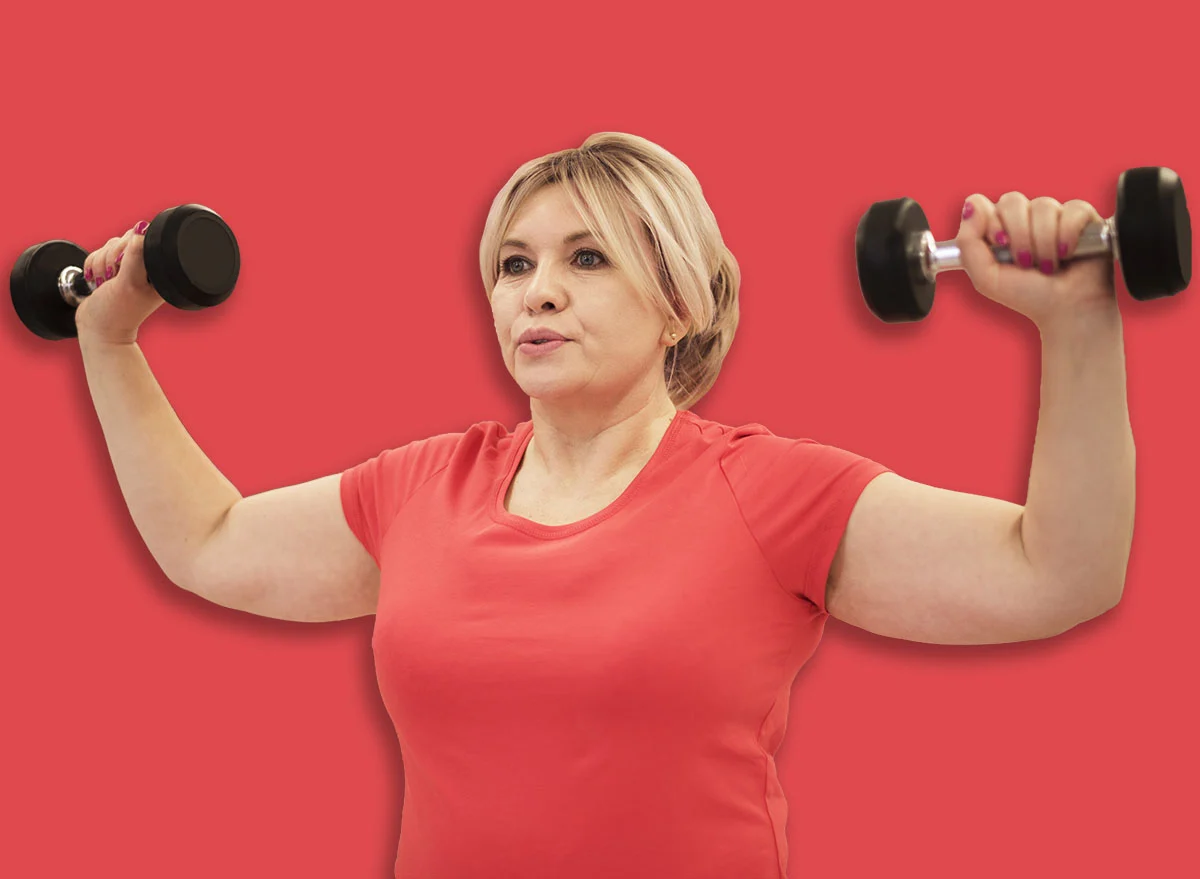
4. Shoulder Presses
Shoulder presses target the deltoids, which form the rounded contour of your shoulder. Strong shoulders help draw the skin taut and improve the overall shape of the upper torso.
- The Technique: Whether using light dumbbells or a resistance band, press the weight upward until your arms are extended, then return to the starting position with control.
Supporting Data: The Science of Muscle Engagement
Research in exercise physiology confirms that resistance training is the most effective way to modify body composition. While "spot reduction"—the idea that you can burn fat in one specific area—is a fitness myth, "spot strengthening" is a biological reality. By increasing the muscle mass in the upper back, you change the shape of the body underneath the skin.
Furthermore, a study published in the Journal of Aging and Physical Activity highlights that resistance training in adults over 65 significantly improves metabolic health and insulin sensitivity. When combined with a balanced, protein-rich diet, these exercises help the body shift toward a higher lean-muscle-to-fat ratio.
Implications for Long-Term Health
The implications of strengthening the upper back extend far beyond the aesthetic of a "bra bulge."
- Posture Correction: As we age, the tendency to hunch increases. Strengthening the posterior chain (the back of the body) helps keep the spine aligned, which can alleviate chronic neck and lower back pain.
- Respiratory Efficiency: When the chest is open and the back is strong, the rib cage has more room to expand, which can lead to better breathing patterns and increased oxygen intake.
- Confidence and Independence: Physical strength is inextricably linked to mental well-being. Knowing that your body is capable and resilient provides a sense of autonomy that is vital for aging gracefully.
A Final Note on Lifestyle Integration
To achieve the best results, remember that exercise is only one piece of the puzzle. Weber’s advice to maintain discipline in both nutrition and training is paramount. Ensure your diet includes sufficient protein to support muscle repair, and stay consistent with your movement routine.
If you are a beginner, start with two sets of 10 repetitions for each exercise, three times a week. As you grow stronger, gradually increase the weight or the resistance of the bands. Listen to your body, prioritize proper form over speed, and remember that every repetition is a step toward a stronger, more confident version of yourself.
By shifting the focus from "fixing a flaw" to "building a foundation," you can effectively manage the bra bulge while investing in your long-term mobility and health. Embrace the process, remain patient, and enjoy the physical benefits of a stronger, more capable upper body.