










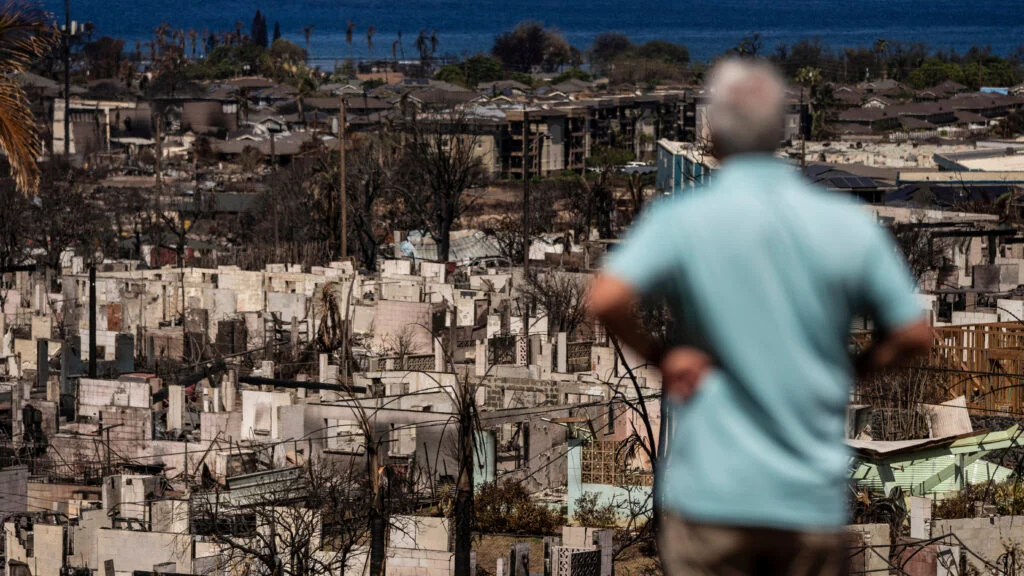
The catastrophic wildfires that tore through Maui in August 2023 were among the deadliest in United States history, claiming over 100 lives and effectively erasing the historic town of Lahaina from the map. While the immediate horror of the flames and the tragic loss of life dominated global headlines, a new, chilling reality has emerged: the disaster did not end when the fires were extinguished. A groundbreaking study published in the Proceedings of the National Academy of Sciences reveals that residents living near the burn zones have been exposed to hazardous metal mixtures lingering in the ash, smoke, and debris for up to a year and a half after the inferno.
This research, part of the extensive Maui Wildfire Exposure Study (MauiWES), highlights a profound and often overlooked dimension of the climate crisis: the "toxic legacy" left behind by modern fires. As climate change continues to drive more frequent and intense wildfire seasons, the chemical composition of the aftermath is shifting, posing chronic, long-term threats to public health that extend far beyond the initial emergency response.
The Chemistry of Catastrophe: Beyond Burned Vegetation
Historically, wildfire research has focused primarily on the inhalation of particulate matter from burning biomass—wood, leaves, and brush. However, the Maui fires were different. Driven by high winds and fueled by downed power lines, these fires consumed not just nature, but an entire modern town.
When residential buildings, vehicles, and high-tech electronics burn, they release a complex, synthetic chemical cocktail into the atmosphere. The study found that the environmental impact of these materials is significantly more hazardous than that of organic vegetation. Researchers from the University of Hawai‘i analyzed the urine of 1,400 adult residents and discovered substantially elevated concentrations of heavy metals, including arsenic, cadmium, copper, and antimony.
The findings are stark. Antimony levels among participants were found to be nearly 40 times higher than baseline U.S. biomonitoring data. Manganese, barium, and arsenic levels were also significantly elevated—3.8, 2.3, and 2.2 times higher, respectively. These metals are not naturally occurring in such high concentrations in human biology and are known to be potent respiratory irritants.
A Chronology of the Disaster and Its Aftermath
The timeline of the Maui tragedy provides the necessary context for understanding the scope of this exposure:
- August 2023: A brushfire, ignited by downed power lines and accelerated by hurricane-force winds, rapidly consumes the town of Lahaina. The event is labeled the deadliest U.S. wildfire in over a century.
- Late 2023 – Early 2024: Immediate humanitarian efforts focus on shelter, recovery of remains, and the stabilization of the electrical grid. Air quality monitoring is prioritized during the initial smoke plumes but begins to taper off as the visual signs of the fire dissipate.
- 2024 – Mid-2025: The Maui Wildfire Exposure Study (MauiWES) is launched to track the health of the surviving population. Researchers begin the arduous process of collecting and analyzing biological samples from over 1,400 residents.
- July 2026: The study results are released in the Proceedings of the National Academy of Sciences, revealing the presence of toxic metal mixtures in residents’ bodies nearly 18 months post-fire.
The Physiological Impact: Why Lungs Are Suffering
The study didn’t just identify the presence of these metals; it established a clear link between these chemical exposures and diminished lung function. Participants with higher concentrations of these heavy metals in their systems exhibited lower breathing capacity and measurable difficulty in moving air in and out of their lungs during standard pulmonary function tests.
Dr. Alika Maunakea, co-principal investigator of MauiWES and a professor at the University of Hawai‘i, Mānoa, emphasizes that the geographic distribution of these lung issues directly correlates with the proximity to the burn zones. Residents of Lahaina, Wailuku, and Kahului showed markedly different health profiles compared to those living in Kula, further cementing the link between the specific debris of the urbanized fire and the respiratory ailments observed in the survivors.
"What we’re dealing with, especially in the aftermath of what we experienced in Lahaina, is a much more complicated mixture of these chemical exposures," Dr. Maunakea noted. "It’s really important to identify potential sources of these exposures and to mitigate and reduce potential risks for re-exposures that might be contributing to these effects."

Climate Change as a Catalyst for Public Health Crises
The study serves as a somber warning that the era of climate-driven disasters necessitates a fundamental shift in how we approach recovery. Climate change is creating hotter, drier, and more volatile conditions, which in turn leads to larger and more frequent fires. When these fires encroach upon the "wildland-urban interface"—where human development meets wilderness—the toxic profile of the smoke changes permanently.
Dr. Ruben Juarez, a co-principal investigator of the study and a professor of health economics, stresses that the scope of this crisis is broader than the fires themselves. "This is bigger than wildfires. These climate-related disasters can change the environment in ways that continue after the immediate emergency is over," he said. "Floods, hurricanes, fires, and other disasters can disturb soil, debris, buildings, and legacy contaminants… disaster response should not stop when visible danger is gone."
Expert Perspectives and Future Implications
The scientific community has largely praised the study for its comprehensive nature. Dr. Kekoa Taparra, a physician and assistant professor at UCLA who specializes in chronic diseases, notes that the research provides a vital "long-view" perspective that has been missing from disaster management.
"This type of work echoes that climate-related disasters affect human health well beyond the immediate injuries and deaths we see during the event itself," Dr. Taparra said. He pointed out that the findings confirm suspicions regarding the long-term consequences of such events, including the disruption of healthcare infrastructure, the displacement of communities, and the degradation of local environments.
The Need for Proactive Policy
The implications for public policy are significant. The researchers argue for:
- Extended Environmental Monitoring: Air and soil quality in post-fire zones must be monitored for years, not just weeks, to identify lingering chemical hazards.
- Integrated Health Surveillance: Public health systems need to track respiratory and chronic health issues in disaster-affected populations over the long term.
- Hazardous Material Management: Efforts to clean up debris must be conducted with extreme caution to prevent the resuspension of toxic ash and dust, which can re-expose residents long after the initial cleanup begins.
Limitations and Future Research
While the study is one of the largest of its kind, the researchers acknowledge certain limitations. Because there is no comprehensive biomonitoring data for the population from before August 2023, it is difficult to isolate exactly how much of the metal exposure is due to the fire versus pre-existing factors like the island’s unique geology, specific dietary habits, or historical industrial activity in the region.
However, the correlation between proximity to the fire and the concentration of metals provides a compelling argument for the fire’s role as the primary driver of these elevated levels.
Conclusion: Building Resilient Communities
The Maui Wildfire Exposure Study provides a sobering blueprint for the future. As the planet warms, the frequency of catastrophic fires will likely continue to rise, and with them, the potential for prolonged exposure to toxic environmental remnants. Building true resilience, as Dr. Taparra suggests, requires more than just better firefighting equipment or early warning systems; it requires a robust, long-term commitment to public health that acknowledges the invisible, enduring consequences of the climate crisis.
The people of Maui continue to rebuild, but the physical remnants of the fire persist within their own bodies. Their experience serves as an urgent call to action for policymakers, health officials, and climate scientists worldwide: when the smoke clears, the work to protect human health is only just beginning.