









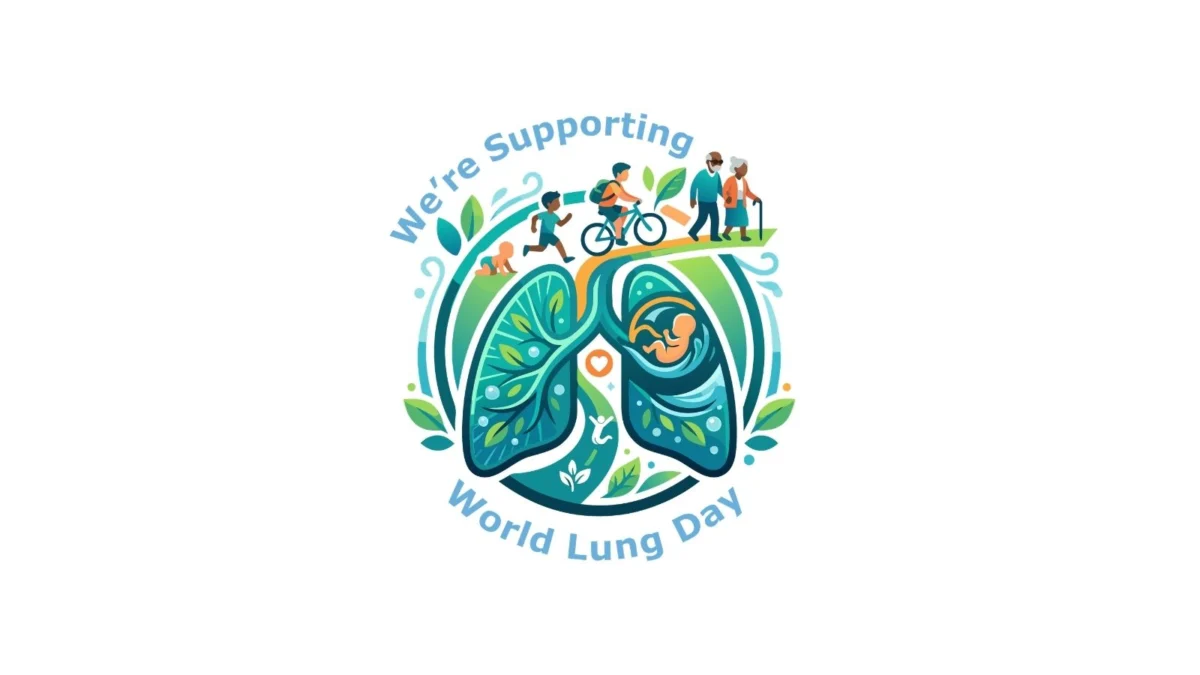
25 September 2026 — As the world marks World Lung Day 2026, a resounding message emanates from the global respiratory community: the health of our lungs is not a static state, but a dynamic, lifelong journey that begins before birth and demands vigilance until our final breath.
Led by the Forum of International Respiratory Societies (FIRS)—a coalition representing nine of the world’s most prestigious respiratory organizations and over 100,000 health professionals—this year’s campaign, titled "A Lifetime of Lung Health," serves as a clarion call to governments, policymakers, healthcare providers, and individuals to treat pulmonary wellness as a fundamental pillar of human health.
The Mandate: Why Lung Health Cannot Wait
Respiratory diseases remain among the leading causes of morbidity and mortality worldwide. From the silent threat of air pollution to the persistent challenges of tobacco addiction and emerging respiratory infections, the lungs are constantly under assault. FIRS emphasizes that lung health is not merely the absence of disease; it is the presence of optimal capacity, resilience, and function throughout every stage of development.
"The lungs develop with breathtaking speed during gestation and continue to mature through childhood," says a spokesperson for FIRS. "To ignore this window of development is to accept a lifetime of potential compromise. Our goal for 2026 is to shift the narrative from reactive treatment to proactive, lifelong maintenance."
Chronology of a Crisis: The Evolution of Respiratory Health
The trajectory of human lung health is mapped across four distinct life stages, each presenting unique risks and opportunities for intervention:
1. The Prenatal and Neonatal Foundation
The journey begins in the womb. Exposure to maternal smoking, air pollution, and poor nutrition during pregnancy can leave a child with underdeveloped lungs, setting the stage for lifelong respiratory vulnerability. The medical community is increasingly focused on the "in-utero" environment as the primary determinant of lung health.
2. The Developmental Years (Childhood to Adolescence)
As lungs grow, they are sensitive to environmental triggers. Infections, secondhand smoke, and poor air quality in schools or homes can arrest growth. The critical window of adolescence is a period where lung capacity peaks; failing to reach this peak due to early-life insults often leads to chronic conditions in adulthood.
3. The Adult Maintenance Phase
Throughout adulthood, lung function naturally plateaus and begins a gradual, slow decline. However, the rate of this decline is dictated by behavioral choices and occupational exposures. The rise of vaping, electronic nicotine delivery systems, and industrial pollutants in the workplace has introduced new, complex challenges for the modern adult.
4. The Era of Healthy Ageing
In the final stage, the priority shifts to preserving function and preventing the exacerbation of chronic obstructive pulmonary disease (COPD), asthma, and interstitial lung diseases. Early diagnosis during these years is vital, yet it remains significantly under-addressed in global health policies.
Supporting Data: The Global Burden of Disease
The urgency of the FIRS mandate is supported by staggering global health metrics. According to recent World Health Organization (WHO) and FIRS-supported data:
- Chronic Respiratory Disease: Over 500 million people globally suffer from chronic respiratory diseases.
- Air Pollution: Exposure to ambient and household air pollution is linked to approximately 7 million premature deaths annually, with respiratory failure being a primary cause.
- The Tobacco Toll: Despite decades of awareness, tobacco use remains the single largest preventable cause of lung cancer and COPD, accounting for over 8 million deaths per year.
- The Economic Impact: The indirect costs of respiratory illness—including lost productivity and the burden on caregivers—reach into the hundreds of billions of dollars annually, straining national health systems.
These figures illustrate that the burden is not distributed equally. Marginalized communities, populations living in low-to-middle-income countries, and those in high-pollution urban environments bear a disproportionate share of the disease burden.
The Four Pillars of the 2026 Strategy
FIRS has outlined a strategic framework designed to be actionable at both the individual and systemic levels:
Healthy Lung Development
This involves strict prenatal care and the reduction of maternal exposure to pollutants. It includes public health initiatives to ensure clean indoor air and the regulation of chemicals that affect fetal development.
Healthy Lung Growth
Supporting children means advocating for smoke-free schools, improved ventilation in classrooms, and early screening programs for asthma. It also involves the regulation of nicotine products to prevent youth addiction, which can permanently stunt lung development.
Healthy Lungs Throughout Life
This pillar calls for universal access to diagnostics and care. Many respiratory conditions are diagnosed too late, when the lung tissue has already suffered irreversible damage. FIRS advocates for the integration of lung health checks into primary care screenings, similar to blood pressure or cholesterol monitoring.
Healthy Lung Ageing
As populations live longer, the focus must shift to geriatric respiratory care. This includes managing multi-morbidity—where respiratory disease interacts with cardiovascular or metabolic conditions—and ensuring that the elderly have access to vaccinations against influenza, COVID-19, and pneumococcal disease.
Official Responses and Strategic Shifts
Health authorities and advocacy groups worldwide have responded to the FIRS call to action.
"We are seeing a paradigm shift," notes Dr. Elena Rossi, a public health expert collaborating with FIRS. "Governments are finally beginning to understand that clean air is not just an environmental issue—it is a public health imperative. When we invest in air quality, we are essentially investing in the respiratory health of our children for the next 80 years."
International health bodies are calling for:
- Stricter Emission Standards: Moving beyond current guidelines to align with the latest WHO air quality targets.
- Policy Intervention on Vaping: A coordinated global response to regulate the marketing and distribution of nicotine-based products that appeal to minors.
- Universal Health Coverage: Ensuring that essential respiratory medications, such as inhalers for asthma and COPD, are affordable and accessible in the most impoverished regions.
Implications for the Future
The implications of failing to act are clear: an aging global population will face a surge in chronic respiratory conditions, leading to overwhelmed hospitals and a diminished quality of life for millions. Conversely, if the "Lifetime of Lung Health" strategy is adopted, the benefits are exponential.
Healthy lungs lead to higher productivity, lower healthcare costs, and, most importantly, a more vibrant, active, and long-lived society.
A Collective Responsibility
The most profound takeaway from World Lung Day 2026 is that the responsibility for lung health is shared. While the FIRS coalition provides the scientific guidance, the practical application falls into four domains:
- Governments: Must prioritize clean air legislation and tobacco/nicotine regulation as a matter of national security.
- Communities: Must create smoke-free public spaces and prioritize urban planning that promotes green spaces and walking.
- Health Professionals: Must move beyond reactive medicine and embrace the role of "lung health champions" who educate patients on the early warning signs of disease.
- Individuals: Must take ownership of their respiratory habits, from smoking cessation to advocating for better air quality in their local neighborhoods.
Conclusion: Turning Awareness into Action
As 25 September 2026 concludes, the work of the global respiratory community is only beginning. The FIRS initiative is not a one-day event but a continuous campaign to move lung health to the top of the global political and health agenda.
For the individual reader, the message is simple: Your lungs are your most vital, yet often neglected, organ. They deserve protection from the moment you are born until your final years. Whether it is by choosing to avoid smoke, demanding cleaner air in your city, or checking your own respiratory health with a professional, your actions today define your lung health for the rest of your life.
The global community has spoken: It is time to treat the air we breathe and the lungs we breathe with as a priority that transcends borders, politics, and generations. The future of global health depends on it.