








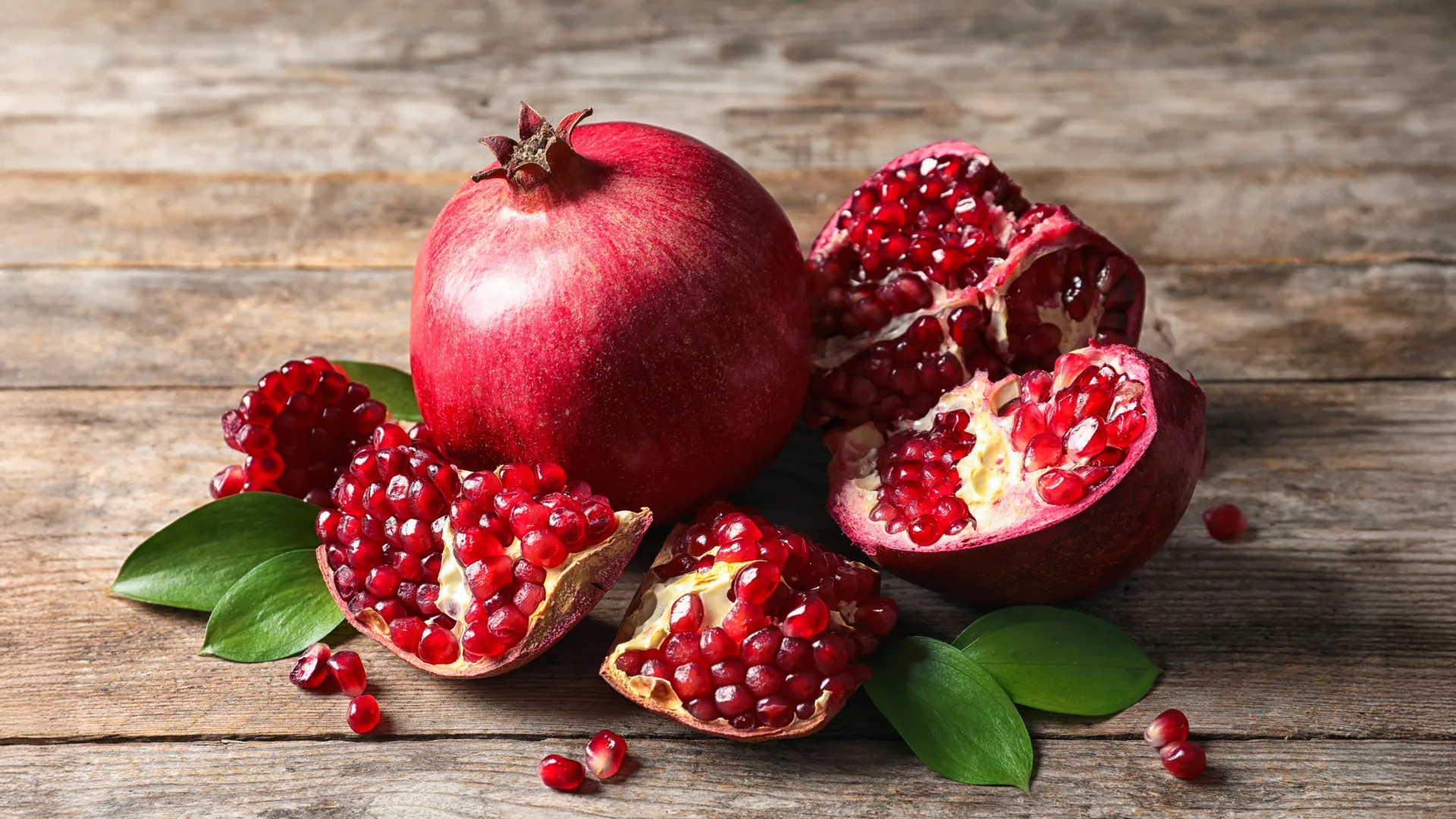
In the quest to combat one of the most stubborn conditions in modern medicine, scientists at King’s College London have stumbled upon a potential breakthrough that sounds more like folklore than high-tech pharmacology. A natural compound produced by the human body after the consumption of pomegranates, walnuts, and specific berries—known as urolithin A—has been shown to improve heart function by up to 80% in experimental models of a complex and notoriously difficult-to-treat form of heart failure.
This discovery, published in the prestigious journal Science Advances, offers a glimmer of hope for the nearly half a million people in the United Kingdom alone who suffer from "heart failure with preserved ejection fraction" (HFpEF). While the medical community is urging caution regarding the transition from laboratory to clinic, the identification of a novel biological pathway that urolithin A activates could fundamentally change how cardiologists approach the management of this debilitating condition.
Main Facts: Addressing the "Stiff Heart" Epidemic
Heart failure is often misunderstood by the general public as a total cessation of the heart’s function. In reality, it is a chronic, progressive condition where the heart is unable to pump blood as efficiently as the body requires. Within this spectrum, HFpEF represents a unique and frustrating challenge.
In patients with HFpEF, the heart’s pumping mechanism—the "ejection fraction"—remains relatively normal. However, the heart muscle itself becomes thick, scarred, and rigid. Because the muscle has lost its elasticity, it cannot relax properly between beats, which prevents the heart from filling with enough blood to sustain the body’s demands during activity. This results in the hallmark symptoms of the condition: chronic fatigue, severe shortness of breath, a drastically reduced ability to exercise, and an overall decline in the quality of life.
Historically, HFpEF has been a "black hole" in cardiology. Traditional heart failure medications, which are designed to boost the heart’s pumping power or reduce the workload on a failing pump, often prove ineffective for these patients because their primary issue is not a lack of power, but a lack of compliance—or "stiffness"—in the cardiac tissue.
Chronology: From Mitochondrial Research to Cardiac Innovation
The journey to this discovery did not begin with a heart-focused hypothesis. Instead, it emerged from the growing body of research into "healthy aging." For several years, scientists have been fascinated by urolithin A due to its role in supporting mitochondrial function—the process by which cells generate the energy required for life. As we age, our mitochondria often become sluggish or dysfunctional, leading to cellular decline. Urolithin A has shown a unique ability to improve this process.
The Path of Discovery:
- Initial Observations: Researchers noted that urolithin A, a metabolite produced by gut bacteria when they break down polyphenols (ellagitannins) found in pomegranates and walnuts, appeared to have systemic benefits for cellular health.
- Identifying the Mechanism: The King’s College London team sought to determine if this cellular benefit could be applied to cardiac muscle. They identified that urolithin A specifically activates a protein known as PKG1α. This protein is a critical "regulator" that governs both blood vessel health and the ability of the heart muscle to relax.
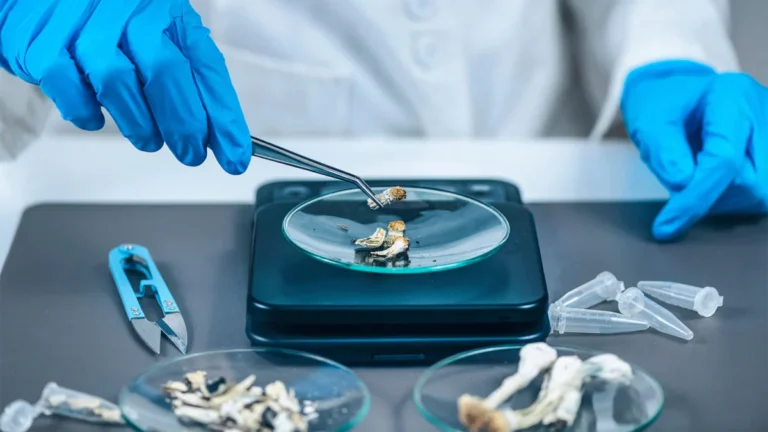
- Laboratory Verification: The team tested the compound on engineered human heart tissue. By using stem cells to create heart muscle that mimicked the structure of a human heart, the researchers were able to observe how the tissue reacted in a controlled, human-relevant environment.
- Experimental Modeling: Using animal models, the researchers administered urolithin A and measured the physiological changes in cardiac performance, leading to the reported 80% improvement in functional metrics.
Supporting Data: Why This Matters for Cardiovascular Science
The significance of the study lies in the specificity of the mechanism. The research team discovered that urolithin A acts on a specific amino acid within the PKG1α protein. By "flipping this switch," the compound triggers a signaling pathway that encourages the heart to return to a more flexible, relaxed state.
Key Physiological Improvements Observed:
- Enhanced Relaxation: The primary defect in HFpEF is the inability of the heart to fill with blood. Urolithin A effectively "loosened" the stiff tissue, allowing for improved diastolic filling.
- Reduction of Fibrosis: One of the main reasons hearts become stiff is the accumulation of scar tissue, or fibrosis. The study found that urolithin A significantly reduced this harmful scarring, preventing the progressive damage that typically worsens the condition over time.
- Hypertrophy Mitigation: In the models tested, the compound also limited the pathological enlargement of heart muscle cells. When cells enlarge inappropriately, they lose their functional integrity; urolithin A helped these cells maintain their normal, healthy architecture.
Perhaps most importantly, unlike many synthetic experimental drugs that often fail during the transition to human trials due to toxicity or side effects, urolithin A has already been studied in humans for other health applications and has demonstrated a favorable safety profile.
Official Responses: The Clinical Perspective
The medical community has reacted to these findings with a mixture of excitement and prudent, scientific realism.
Dr. Joseph Burgoyne, the senior author of the study and a prominent cardiovascular scientist at King’s College London, emphasizes the complexity of the disease. "This type of heart failure is becoming increasingly common as populations age and rates of obesity and diabetes rise," he explains. "Despite its growing burden, treatment options remain limited because the disease is complex and varies considerably between patients."
Regarding the potential for dietary intervention, Dr. Burgoyne is careful to manage expectations. "While there isn’t enough evidence to suggest that people should simply eat pomegranates to treat heart failure, these findings raise the possibility that dietary approaches—or perhaps concentrated supplements—that enhance urolithin A production may help alleviate this condition."
Professor James Leiper, Director of Research at the British Heart Foundation, which funded the study, echoed this sentiment. "This early-stage study in experimental models suggests that urolithin A may help to improve the heart tissue’s ability to relax and fill with blood between beats," Leiper stated. However, he cautioned that "the benefits have so far been seen in animals and engineered human tissue, so clinical trials involving people are needed to test if this approach is effective for patients."
Implications: The Road Ahead for Heart Failure Treatment
The implications of this study reach far beyond the laboratory walls. For a demographic of patients who have been told there are few options beyond lifestyle modifications—such as weight loss and blood sugar management—the prospect of a targeted therapy that addresses the fundamental biology of heart stiffness is revolutionary.
The Need for Human Clinical Trials
The move from "bench to bedside" is the most critical hurdle. Clinical trials will need to determine the optimal dosage, the frequency of administration, and whether the metabolic conversion of pomegranates into urolithin A is consistent enough across different individuals to provide a therapeutic effect. Since the conversion depends on the individual’s gut microbiome, there is a possibility that some people may produce more of the compound than others, which could lead to variable outcomes.
A New Class of Therapeutics?
If future human trials confirm the efficacy observed at King’s College London, urolithin A could pave the way for a new class of cardiac drugs that focus on mitochondrial and protein-signaling optimization rather than traditional hemodynamic control. This would represent a paradigm shift in how we treat the "stiff heart," potentially moving away from symptom management toward actual disease modification.
A Reminder on Lifestyle
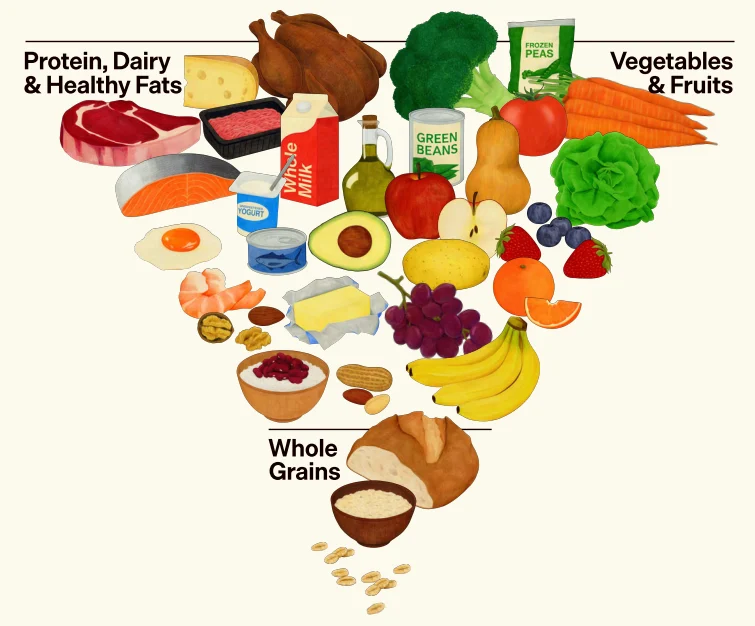
While the science develops, both researchers and the British Heart Foundation emphasize that the basics of cardiovascular health remain non-negotiable. A healthy, balanced diet—rich in fruits, vegetables, and fiber—is the cornerstone of heart health. While no single "superfood" can serve as a panacea for complex heart disease, the incorporation of nutrient-dense foods like pomegranates and berries continues to be supported by a mountain of evidence as a pillar of preventative care.
As the study concludes, the scientific community now has a clear mandate: to take this natural compound out of the lab and into the clinical trial environment. If the promise holds, the answer to one of medicine’s most difficult puzzles may have been sitting in the produce aisle all along.