








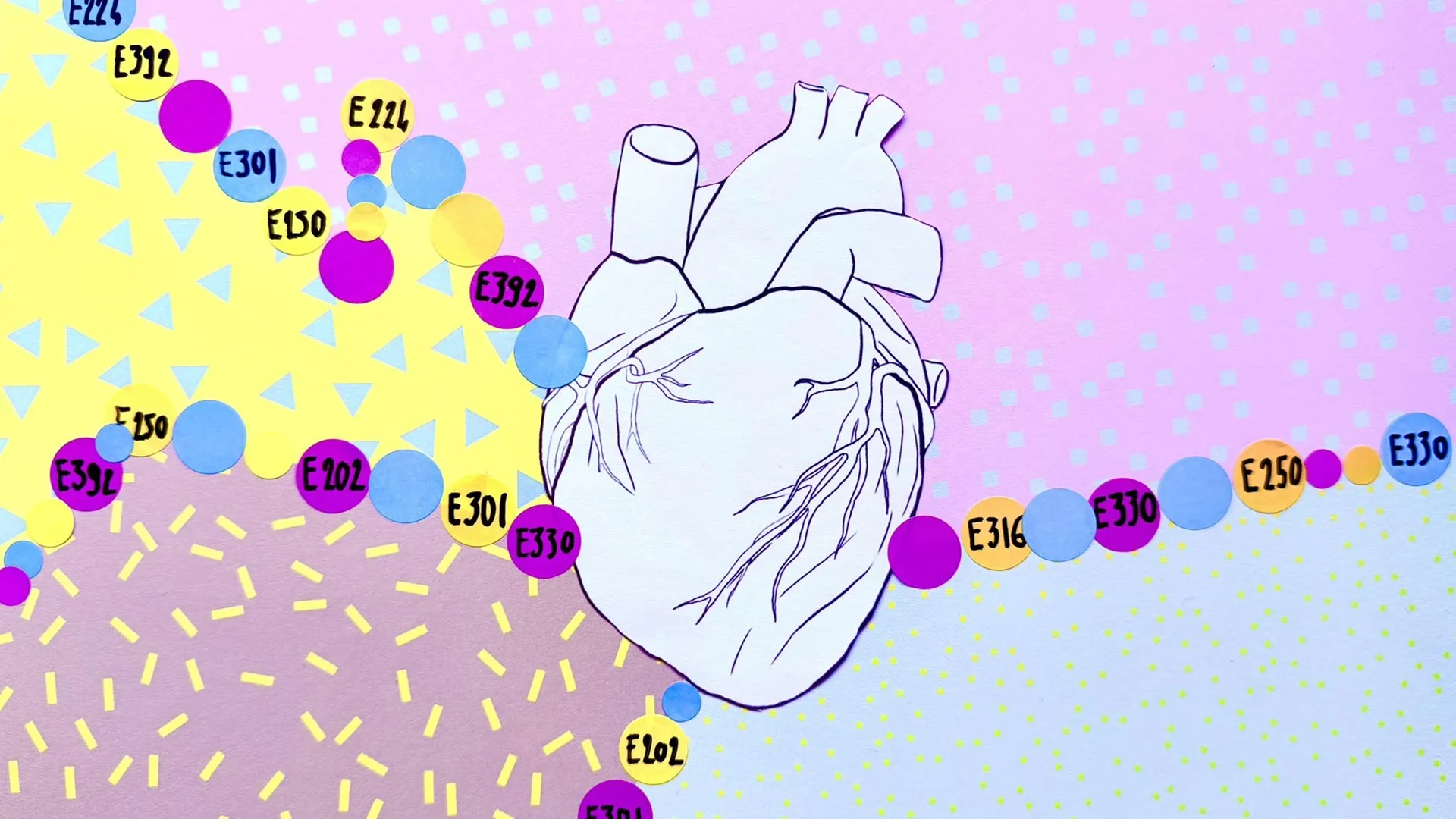
For decades, the global food industry has relied on a suite of chemical additives to ensure that products remain shelf-stable, aesthetically pleasing, and resistant to microbial contamination. From the sliced bread in a pantry to the processed meats in a deli, preservatives are the silent sentinels of the modern food supply. However, a landmark study published in the European Heart Journal suggests that these ubiquitous ingredients may come at a significant biological cost, raising urgent questions about their long-term impact on human cardiovascular health.
Led by Dr. Mathilde Touvier and PhD candidate Anaïs Hasenböhler from the Nutritional Epidemiology Research Team at the Université Sorbonne Paris Nord and Université Paris Cité, the research represents one of the most comprehensive investigations into the relationship between food additives and chronic disease. Their findings indicate that high intake of common preservatives is statistically associated with a heightened risk of hypertension and cardiovascular conditions, including heart attacks and strokes.
The Scale of the Study: 112,000 Lives Under the Microscope
The investigation was conducted under the auspices of NutriNet-Santé, an ambitious, long-term observational project designed to map the intricate web between dietary patterns and health outcomes. By tracking 112,395 volunteers living across France, the research team secured a data set of unprecedented depth.
Unlike many nutritional studies that rely on retrospective "food frequency questionnaires"—which often suffer from recall bias—this study utilized a highly granular method. Participants were required to record every item of food and drink consumed over a three-day period, repeating this process every six months. This approach allowed researchers to capture not just general categories of food, but the specific chemical profiles of the items ingested.
By cross-referencing these dietary logs with comprehensive databases of food additives, the team followed the participants for an average of seven to eight years. The prevalence of exposure was staggering: within the first two years of the study, 99.5% of the volunteers had consumed at least one food preservative. This near-universal exposure underscores the difficulty of avoiding these substances in a modern food environment, where processed goods form the bedrock of the average diet.
Identifying the Culprits: Non-Antioxidants and Antioxidants
The researchers categorized preservatives into two primary functional groups, each showing distinct correlations with health markers.
Non-Antioxidant Preservatives
These substances, primarily used to inhibit the growth of bacteria, fungi, and mold, were linked to the most significant health risks. Participants with the highest intake of these compounds faced a 29% higher risk of hypertension and a 16% higher risk of cardiovascular diseases, such as angina and stroke, compared to those with the lowest intake.
Antioxidant Preservatives
While antioxidants are often marketed as beneficial in a dietary context (such as those found in fruits), when used as synthetic food additives, their role is to prevent oxidation—the chemical process that turns fats rancid and browns produce. The study found that individuals consuming the highest levels of these additives experienced a 22% increased risk of hypertension.
The "Dirty Eight": Specific Compounds of Concern
The study isolated 17 commonly consumed preservatives for closer scrutiny. Among them, eight were specifically identified as having a statistical link to elevated blood pressure:
- Potassium Sorbate (E202)
- Potassium Metabisulphite (E224)
- Sodium Nitrite (E250)
- Ascorbic Acid (E300)
- Sodium Ascorbate (E301)
- Sodium Erythorbate (E316)
- Citric Acid (E330)
- Extracts of Rosemary (E392)
Of these, Ascorbic Acid (E300) stood out for its unique, statistically significant association with broader cardiovascular disease, not just hypertension.
Biological Mechanisms: Why Might Additives Harm the Heart?
The question remains: how do these substances, approved by food safety agencies worldwide, translate into heart disease? The research team points to two primary biological pathways that warrant further investigation.
Oxidative Stress
Oxidative stress occurs when there is an imbalance between the production of reactive oxygen species and the body’s ability to neutralize them. If food additives trigger this systemic stress, it can lead to chronic inflammation and damage to the vascular endothelium—the inner lining of the blood vessels—which is a known precursor to heart disease.
Pancreatic Dysfunction and Metabolic Disruption
The pancreas is the body’s metabolic engine, responsible for blood sugar regulation through insulin production. Emerging research suggests that certain additives may interfere with pancreatic signaling. If the metabolic regulation of glucose is disrupted, the downstream effects on blood pressure and heart health are profound and potentially cumulative over decades.
Furthermore, the team is now looking toward the gut microbiome. The digestive tract is home to trillions of bacteria that play a critical role in metabolic health. The study suggests that preservatives intended to kill bacteria in food might, once ingested, inadvertently alter the composition of the human gut flora, potentially leading to systemic metabolic shifts that negatively impact the cardiovascular system.
Official Responses and the Need for Re-evaluation
The findings of Dr. Touvier and her colleagues carry significant weight, not only because of the study’s size but because of its public health implications. However, the researchers are careful to emphasize the limitations of their work. As an observational study, it identifies correlations rather than causations. It is possible that individuals who consume high amounts of processed food are also prone to other lifestyle habits—such as higher sodium intake or lower physical activity—that drive these cardiovascular risks.
Despite these nuances, the authors are calling for a formal review. "These results suggest we need a re-evaluation of the risks and benefits of these food additives by the authorities in charge, such as the EFSA in Europe and the FDA in the USA," stated Dr. Touvier. The argument is that the current safety profiles of these additives were largely determined years ago, potentially without accounting for the cumulative, long-term impact of "cocktail exposure"—the effect of consuming multiple additives simultaneously across a lifetime.
Practical Implications for the Consumer
For the average person navigating the modern grocery store, the study’s implications are clear: the less processed, the better. While it is nearly impossible to eliminate all additives in a fast-paced society, the researchers recommend a shift toward whole foods.
- Prioritize Unprocessed Foods: Focus on fresh produce, whole grains, and lean proteins, which are naturally devoid of added preservatives.
- The "Ingredient Label" Rule: If a product has a long list of ingredients that sound like a chemistry set, it is likely highly processed. Favor products with shorter, recognizable ingredient lists.
- Avoid Unnecessary Additives: By choosing minimally processed options, consumers can drastically reduce their cumulative exposure to the "Dirty Eight" identified in the study.
The Role of Healthcare Professionals
Doctors and nutritionists are being encouraged to take a more active role in educating their patients. Rather than focusing solely on macronutrients like fats and carbohydrates, health providers should discuss the quality of food and the presence of additives. In many cases, patients may believe they are eating a "healthy" processed meal—such as a low-fat turkey wrap—without realizing that the preservative load in the deli meat and the tortilla could be contributing to their rising blood pressure.
Future Directions: The Path Forward
The research team at NutriNet-Santé is not stopping here. Their ongoing work aims to dissect the metabolic profiles of the study participants to determine if specific inflammatory markers correlate with the consumption of these additives. By bridging the gap between epidemiology and clinical biology, they hope to confirm whether the statistical associations found in this study are indeed the result of direct biological interference.
As food technology continues to evolve, the necessity for stringent, modern safety standards becomes increasingly evident. If common preservatives are indeed contributing to the global epidemic of cardiovascular disease, the public health mandate is clear: the industry must prioritize innovation in food preservation that does not compromise the human heart. Until such alternatives are widely adopted, the responsibility falls on the individual to curate a diet that favors the integrity of fresh ingredients over the convenience of the shelf-stable alternative.
The evidence presented by the European Heart Journal serves as a clarion call. It reminds us that our bodies are not mere processing plants for chemical additives; they are sensitive biological systems that interact with every compound we ingest. As science peels back the layers of how modern processing affects our health, the simple, ancient wisdom of eating "real food" has never been more relevant.