







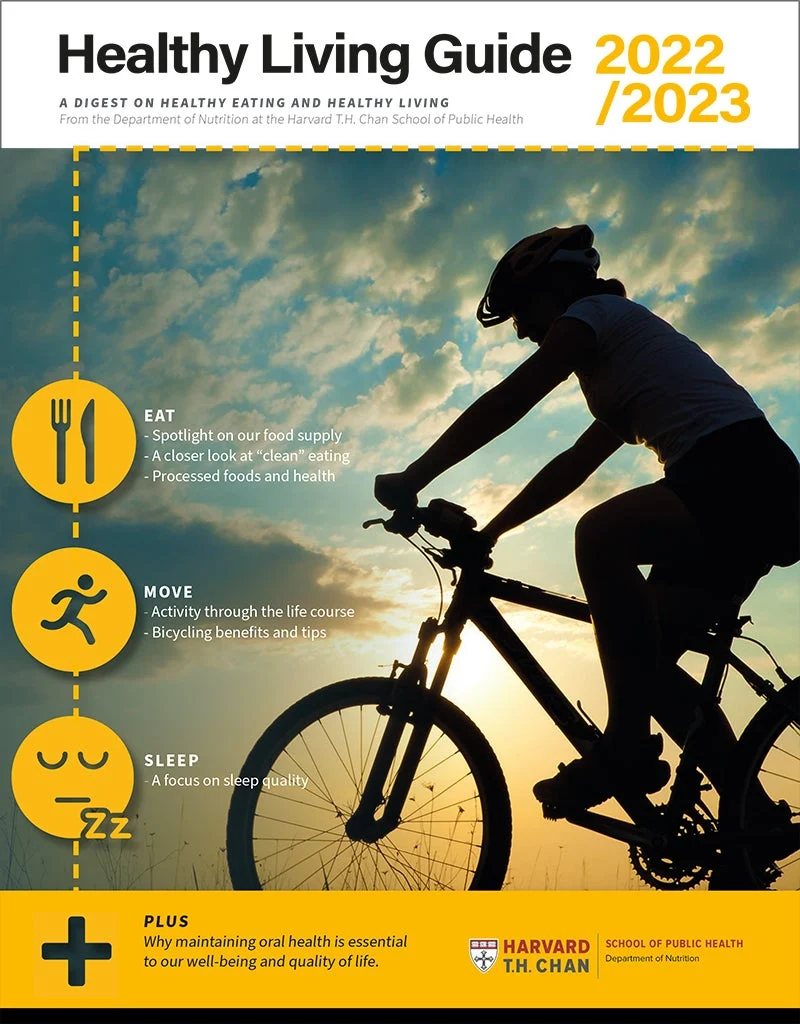
As the global community navigates the complex intersection of public health, climate sustainability, and food security, the conversation surrounding nutrition has shifted from a matter of personal choice to a pillar of national security. The year 2022 served as a watershed moment for these discussions, culminating in high-level government action that seeks to redefine how society approaches the dinner plate. With the release of the latest Healthy Living Guide by Harvard T.H. Chan School of Public Health’s Department of Nutrition, we take a deep dive into the policies, challenges, and actionable steps required to foster a healthier population by 2030.
Main Facts: The New National Mandate
The most significant development in the nutritional landscape over the past year was the White House Conference on Hunger, Nutrition, and Health. This historic event, held in September 2022, marked the first time in over 50 years that the U.S. government convened a national summit to address the pervasive issues of diet-related diseases and food insecurity.
The resulting National Strategy is an ambitious roadmap designed to end hunger and increase healthy eating and physical activity across the United States within the next seven years. Central to this strategy is a multi-pronged approach:
- Expansion of Nutrition Assistance: Enhancing programs like SNAP (Supplemental Nutrition Assistance Program) to provide more robust support to low-income families.
- Medical Integration: Incorporating "medically tailored meals" into Medicare coverage, acknowledging that food is, in many cases, the most effective form of preventative medicine.
- Infrastructure for Health: Investing in urban planning that promotes physical activity and expanding access to fresh, affordable produce in "food deserts."
Despite the optimism surrounding these initiatives, experts from Harvard’s Department of Nutrition have issued a balanced assessment. While the strategy is a monumental step forward, critics point out that it remains limited in scope. Notably, the policy stops short of implementing aggressive regulations on the marketing of unhealthy, ultra-processed foods to children—a move that many public health advocates argue is essential to curbing the rising tide of childhood obesity and type 2 diabetes.
Chronology: A Half-Century of Policy Evolution
To understand the gravity of the 2022 initiatives, one must look at the historical trajectory of U.S. nutrition policy.
- 1969: The original White House Conference on Food, Nutrition, and Health. This seminal event was the catalyst for the creation of major programs that still exist today, including the expansion of the Food Stamp Program and the establishment of the WIC (Women, Infants, and Children) program.
- 1970s–2010s: A period characterized by incremental change. Nutrition science advanced rapidly, but policy often lagged behind, resulting in a food system heavily subsidized for commodity crops like corn and soy, often at the expense of fruit and vegetable production.
- 2020–2021: The COVID-19 pandemic laid bare the systemic vulnerabilities of the U.S. food supply and the disproportionate impact of diet-related chronic diseases on marginalized communities. The urgency for a new national strategy reached a boiling point.
- September 2022: The White House hosts the second-ever Conference on Hunger, Nutrition, and Health. The administration releases its comprehensive National Strategy, setting a 2030 deadline for transformative change.
- 2023 and Beyond: The focus shifts from policy proposal to implementation. The release of the current Healthy Living Guide serves as a practical tool for individuals to align their daily habits with these larger systemic goals.
Supporting Data: The Burden of Diet-Related Illness
The necessity for these shifts is backed by staggering data. According to the CDC and other public health agencies, diet-related conditions—including heart disease, obesity, and type 2 diabetes—are among the leading causes of death and disability in the United States.
Current research highlights several alarming trends:
- Economic Cost: The annual economic burden of chronic diseases in the U.S. exceeds $1 trillion, a significant portion of which is directly attributable to poor nutritional choices.
- Access Disparities: Millions of Americans live in areas where fresh, nutritious food is geographically or financially inaccessible. This creates a "zip code lottery" where health outcomes are determined more by neighborhood than by personal willpower.
- The Environmental Nexus: Nutrition is no longer just about calories; it is about planetary health. The production of meat and processed goods contributes disproportionately to greenhouse gas emissions and water scarcity. A sustainable food system, as advocated by experts like Dr. Frank Hu and Dr. Walter Willett, must bridge the gap between human health and environmental stewardship.
Official Responses: The Critique of the Experts
While the Biden-Harris administration’s strategy has received praise for its focus on medically tailored meals, the academic community has remained critical of the plan’s "missing pieces."
In a collective response, Drs. Frank Hu, Walter Willett, and Lilian Cheung of the Harvard T.H. Chan School of Public Health highlighted that the strategy lacks a cohesive plan to address the food environment. "To have a significant impact," they wrote, "the administration must bring together the public and private sectors, along with philanthropists, academia, and individuals to develop truly sustainable food systems that support both public and planetary health."
Their critique centers on three main omissions:
- Marketing Regulation: The lack of strict limitations on the advertising of sugar-sweetened beverages and ultra-processed snacks to children.
- Climate Integration: The absence of a formal policy linking agricultural subsidies to climate-smart farming practices.
- Systemic Transformation: The strategy relies heavily on "nudges" and voluntary private-sector cooperation rather than mandatory structural changes that would prioritize health over the bottom lines of the food industry.
Implications: The Path Toward 2030
The roadmap to 2030 is not merely a government task; it is a collaborative effort requiring individual agency and systemic oversight. The implications of this new policy focus are far-reaching.
For the Individual
The Harvard Healthy Living Guide emphasizes that "no change is too small." As national policies struggle to catch up, the individual remains the primary gatekeeper of their health. The Guide provides practical tips for navigating the modern food environment, such as:
- Prioritizing Whole Foods: Moving away from the convenience of ultra-processed items toward plant-forward, nutrient-dense ingredients.
- Physical Activity: Integrating movement into daily routines to counteract sedentary lifestyles.
- Advocacy: Engaging in local food policy councils to demand better access to healthy food in schools and community centers.
For the Public Sector
The government is now under pressure to move from rhetoric to reality. The integration of medically tailored meals into Medicare represents a paradigm shift—treating the diet as a clinical intervention. However, the true test will be whether this can scale to the millions of Americans who do not have access to private health insurance or specialized nutrition programs.
For the Private Sector
Corporations, particularly in the food and beverage industry, face an inevitable reckoning. As consumers become more informed and government policy begins to scrutinize the link between processed food and chronic disease, companies will be forced to choose between legacy business models and long-term sustainability. Innovation in plant-based proteins, clean-label manufacturing, and supply chain transparency will become the new competitive benchmarks.
Conclusion: A Call to Action
The 2022-2023 period marks a pivotal shift in the American consciousness. We are moving toward a future where the health of the individual is inextricably linked to the health of the food system and the planet. While the government’s 2030 goals provide a necessary framework, they are only the starting point.
True progress will require a sustained, multi-generational commitment to changing the environments in which we live, work, and eat. By utilizing resources like the Healthy Living Guide, citizens can begin to take control of their personal health while participating in the broader cultural movement toward a more sustainable and equitable food future.
As we look toward 2030, the question is no longer whether we have the knowledge to eat well, but whether we have the collective will to ensure that "eating well" is a reality for everyone, regardless of their socioeconomic status. The journey is long, but as the experts suggest, every small step toward healthier behavior is a building block for a stronger, more resilient society.
Resources for Further Exploration:
- Download the full Healthy Living Guide (PDF) from the Harvard T.H. Chan School of Public Health.
- Review the official Executive Summary of the Biden-Harris National Strategy on Hunger, Nutrition, and Health.
- Explore the previous 2021-2022 Healthy Living Guide for a foundational understanding of nutritional science.