











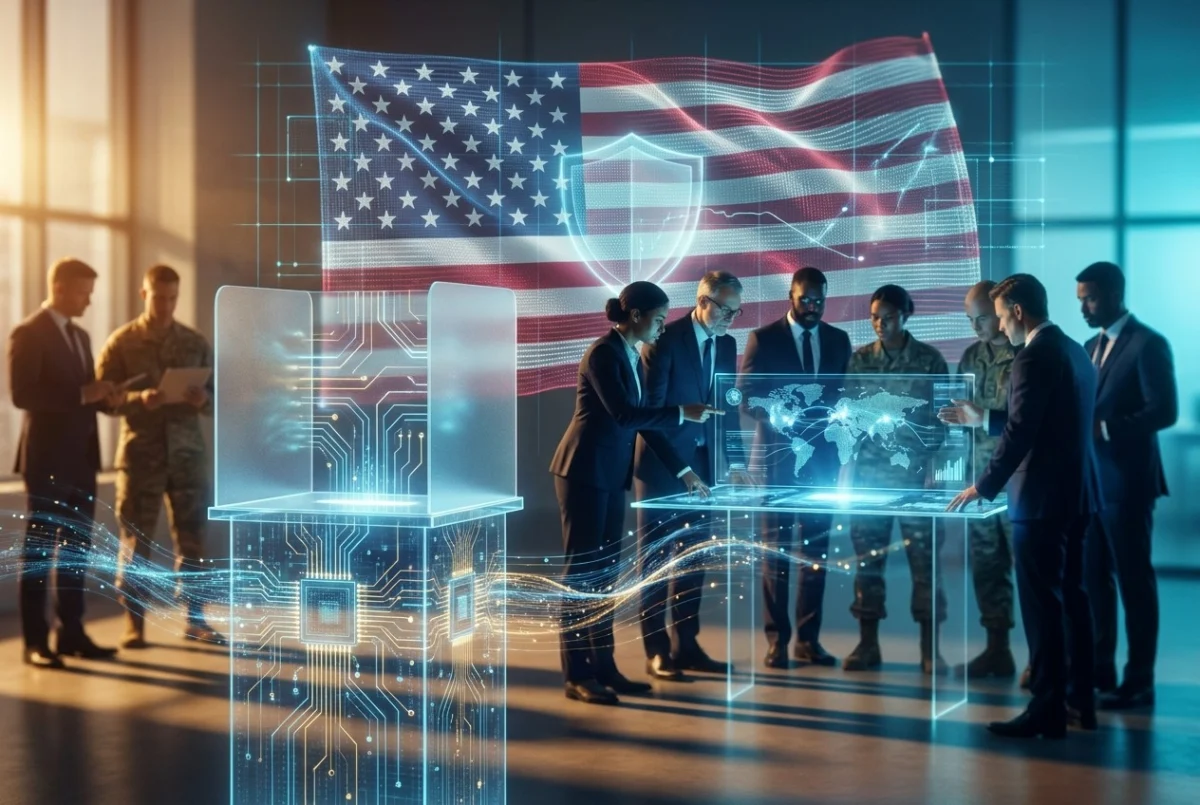
WASHINGTON, D.C. — In a significant shift in federal election security policy, Secretary of War Pete Hegseth issued a formal directive on Monday, September 28, ordering the Department of War (DoW) to integrate its cyber warfare capabilities into the national effort to safeguard the 2026 midterm elections.
The order, which formalizes a collaborative framework between the military and civilian agencies, is designed to neutralize foreign interference within the "digital battlespace" before malicious actors can impact voting infrastructure or influence the American electorate. While the directive marks a robust expansion of the Department’s role in civil-led processes, it also arrives amid a backdrop of intense political scrutiny and debates regarding the scope of federal authority.
The Strategic Shift: Defense in the Digital Age
The directive mandates that U.S. Cyber Command, alongside the Department of War’s various combat support agencies, prioritize the identification and mitigation of foreign-originated cyber threats. According to War Department spokesman Sean Parnell, the initiative is strictly defensive and intelligence-focused.
"The mission is to hunt foreign threats in the digital battlespace before they can reach America’s voting systems or manipulate American voters," Parnell stated. Crucially, the order explicitly prohibits the deployment of troops to polling places, aiming to decouple military technological support from the physical administration of elections, which remains the purview of state and local officials.
Secretary Hegseth’s memo accompanying the order emphasized a philosophical justification for the move: "In America, the people rule—and we must ensure that their voice remains sovereign, secure, and entirely undiluted." Hegseth noted that secure voting is a pillar of national strength and that the Department would not hesitate to utilize its sophisticated cyber toolkit to ensure that the electoral process is shielded from hostile foreign powers.
A Chronology of Policy and Precedent
The mobilization of military cyber assets is the latest development in a long-standing national dialogue regarding the intersection of election integrity and national security.
- July 2026: Homeland Security Secretary Markwayne Mullin publicly identified vulnerabilities in voter rolls, noting that approximately 250,000 non-citizens had been identified as registered to vote across four states. Mullin framed this as a matter of national security, distancing the administration’s efforts from the partisan disputes of the 2020 election cycle.
- September 15, 2026: Political tensions reached a boiling point in the House of Representatives when Rep. Thomas Massie (R-KY) introduced articles of impeachment against Secretary Hegseth. The move was effectively stalled when House Speaker Mike Johnson moved to adjourn the chamber for a campaign recess, pushing any potential consideration until after the November elections.
- September 28, 2026: Secretary Hegseth officially signed the order directing the Department of War to coordinate with the Department of Homeland Security (DHS) and the Federal Bureau of Investigation (FBI) to bolster election infrastructure.
- Immediate Future: The Department of War is expected to issue detailed operational guidance to state and local authorities, with full implementation of the collaborative framework scheduled for the coming weeks.
Legal Framework and Statutory Authority
The directive relies on well-established, though historically debated, legal frameworks. Officials point to existing statutory authorities that permit the military to support civil authorities in instances of protecting federal property and conducting domestic counterterror operations.
The legal basis for the move draws on the precedents set by the Posse Comitatus Act of 1878 and the Insurrection Act of 1807. While critics often cite these laws as barriers to military involvement in domestic affairs, proponents, including analysts such as Patrick O’Malley and Joe Buccino, argue that when properly interpreted, these statutes provide a clear pathway for the military to provide non-kinetic support to civilian agencies—particularly in the context of defending national infrastructure against foreign adversaries.
General Dan Caine, Chairman of the Joint Chiefs of Staff, clarified the military’s position in a letter to Sen. Elissa Slotkin (D-MI). Caine reaffirmed that federal military personnel and National Guard troops would not be stationed at polling stations, emphasizing that the primary responsibility for election administration rests with local and state officials. This distinction is intended to mitigate concerns regarding federal overreach.
Official Responses and Political Implications
The announcement has triggered a range of reactions across the political spectrum, reflecting the deep divisions currently defining Washington.
The Administration’s Stance
For the current administration, the order is a continuation of its broader legislative focus on "election integrity," a priority championed by Speaker Mike Johnson. The administration argues that the move is a necessary defensive posture. By framing the order as a response to "documented threats," the White House seeks to bypass allegations of political maneuvering, presenting the mobilization as an essential service to protect the sovereignty of the ballot box.
Concerns from Civil Liberties Advocates
Despite the assurances from the War Department, privacy advocates have voiced significant alarm. The primary concern centers on the integration of military-grade intelligence sharing with state-level election offices. Privacy groups argue that this level of federal surveillance capability could lead to "mission creep," where tools designed to counter foreign state actors might be redirected toward domestic political discourse.
Some state officials have echoed these concerns, albeit from a practical standpoint, requesting greater clarity on the financial burden of these new mandates and the specific scope of the military’s authority within their jurisdictions.
The Congressional Stalemate
The backdrop of the impeachment attempt against Secretary Hegseth adds a layer of volatility to the implementation process. With the House in recess, oversight will be delayed, leaving the Department of War to implement the order with minimal immediate legislative interference. However, committees are already signaling that they intend to conduct a rigorous review of the program’s efficacy and legality once lawmakers return to Washington.
Implications for the 2026 Midterms and Beyond
The 2026 midterm cycle is already underway, with primary elections having concluded in several key states. In Kentucky, for instance, the defeat of Rep. Thomas Massie by Trump-endorsed candidate Ed Gallrein has signaled a shift in the Republican legislative caucus, favoring the administration’s aggressive stance on border security and election integrity.
The success of the new War Department directive will ultimately hinge on two factors: the technical efficacy of the cyber tools deployed and the level of cooperation achieved between the Department of War and state-level election officials.
The Challenge of Coordination
Historically, federal-state relations in election administration have been fraught with friction. State officials, who are fiercely protective of their constitutional role in managing elections, are likely to monitor the Department’s involvement with extreme skepticism. If the military can successfully provide cyber-defense support without infringing upon local authority, the initiative could set a new standard for national security. If, however, the project is perceived as a form of federal intrusion, it may face legal challenges and significant pushback from state governments.
Looking Toward Future Cycles
The directive is not intended to be a temporary fix; it is designed to cover the 2026 midterms and all future election cycles. By institutionalizing the Department of War’s role, the administration is effectively redefining what constitutes "national security" in the 21st century.
As noted in reports from independent observers, the government has a complex history regarding the expansion of its power. While the current mandate is strictly framed as a defensive measure against foreign adversaries, the long-term impact on the balance of power between the executive branch and state authorities remains an open question.
As the nation approaches the November elections, the focus will remain on whether these new measures can truly secure the democratic process against a rapidly evolving landscape of digital warfare, or if they will serve to further complicate the already tense relationship between the federal government and the electorate it serves.
For now, the Department of War prepares to deploy its cyber-intelligence assets, marking a historic moment where the digital tools of modern warfare are officially turned inward to protect the sanctity of the American ballot.