For millions of people suffering from Obstructive Sleep Apnea (OSA), the nightly ritual of strapping on a Continuous Positive Airway Pressure (CPAP) mask is a burdensome necessity. While highly effective, CPAP therapy is notoriously plagued by low patient adherence, often due to discomfort, noise, and the social stigma associated with the equipment. However, a significant breakthrough in pharmacologic research may soon offer a less invasive alternative.
Mosanna Therapeutics recently announced positive results from its Phase 1 MOSAIC study, evaluating MOS118—an investigational, locally acting nighttime nasal spray designed to treat OSA by restoring the body’s natural neuromuscular control of the upper airway. This development marks a pivotal shift in the therapeutic landscape, moving away from mechanical intervention toward targeted neuro-pharmacology.
The Core Innovation: Restoring Natural Reflexes
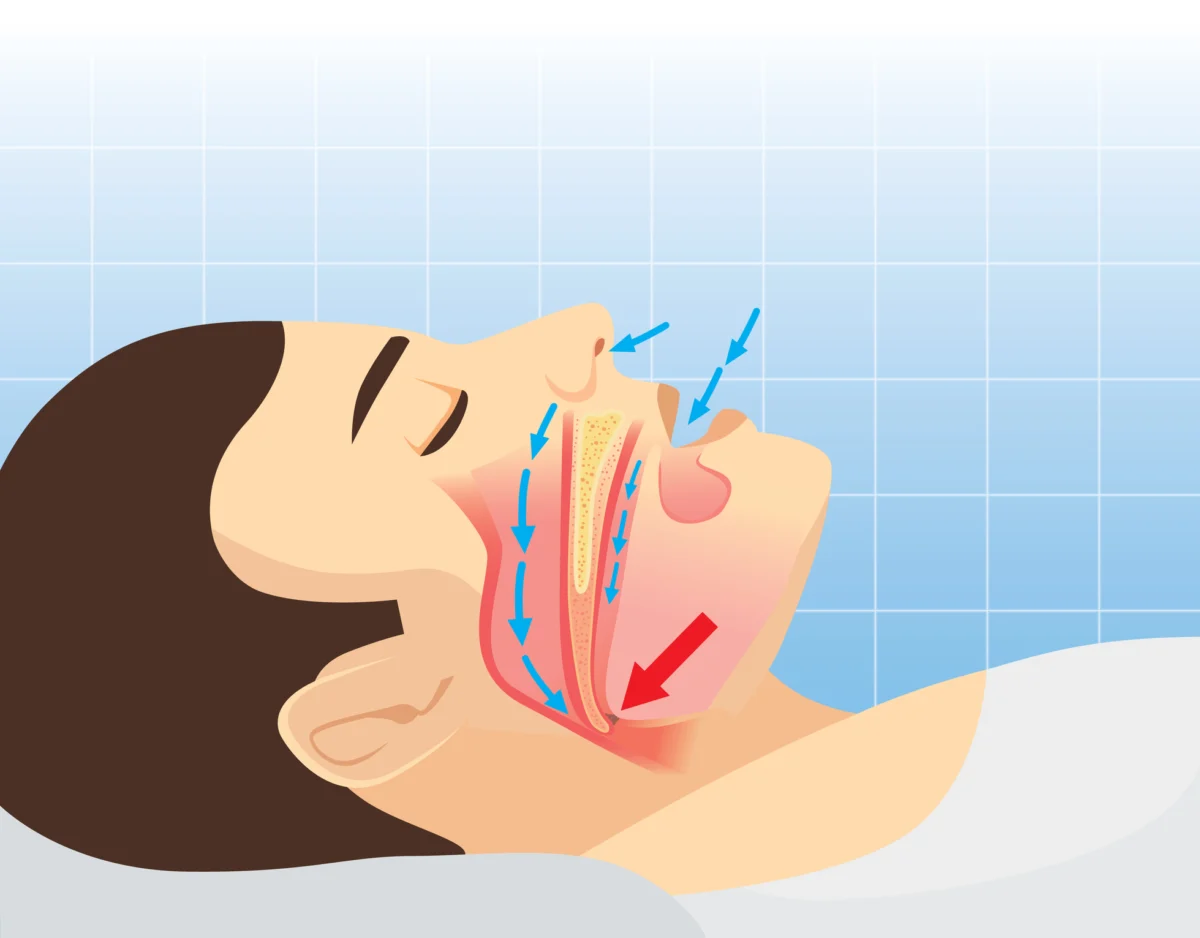
To understand the significance of MOS118, one must first understand the pathophysiology of Obstructive Sleep Apnea. In a healthy, sleeping individual, pressure-sensing nerves within the nasal passages and the upper pharyngeal airway detect the negative pressure generated during each inhalation. This detection triggers a neural response that activates the upper-airway dilator muscles, effectively keeping the airway patent (open).
In patients with OSA, this "negative pressure reflex" becomes blunted or dysfunctional during sleep. As the airway collapses, the patient experiences repeated episodes of apnea—gaps in breathing that lead to oxygen desaturation and fragmented, non-restorative sleep.
MOS118 is engineered as a pan-potassium channel inhibitor formulated as a microparticle suspension. Its primary mechanism of action is to sensitize the sensory nerve endings in the upper airway, effectively "waking up" the protective reflex that keeps the dilator muscles engaged. By focusing on local delivery via a nasal spray, the drug aims to restore this reflex while minimizing systemic exposure, thereby reducing the likelihood of side effects that often accompany oral medications.
Chronology of the MOSAIC Study
The development of MOS118 has followed a rigorous clinical trajectory, adhering to strict regulatory standards under the oversight of the US Food and Drug Administration (FDA).
Pre-Clinical Foundation
Before entering human trials, Mosanna Therapeutics invested heavily in understanding the pharmacokinetic profile of MOS118. The challenge was ensuring that the drug remained localized in the nasal and pharyngeal tissues to provide the necessary therapeutic effect without entering the bloodstream in high concentrations. Pre-clinical models indicated that the microparticle formulation successfully adhered to the target tissues, providing a sustained effect suitable for an overnight duration.
Phase 1: Safety and Tolerability
The MOSAIC study (a randomized, double-blind, placebo-controlled trial) served as the first human evaluation of the drug. The study was structured to provide maximum data security:
- Design: An integrated single-ascending-dose and multiple-ascending-dose design.
- Participants: 32 healthy adult volunteers.
- Execution: Participants were divided into four sequential dose cohorts. Researchers monitored subjects using continuous 12-lead electrocardiogram (ECG) telemetry, comprehensive pharmacokinetic assessments, and rigorous nasal/local-tolerance examinations.
- The Outcome: The study successfully met its primary endpoints. MOS118 was found to be safe and well-tolerated across all tested doses, with no serious adverse events reported.
The Road Ahead
Following the successful completion of the healthy volunteer study, the company is transitioning to its next critical milestone: evaluating the safety and tolerability of nightly dosing over a seven-day period in a cohort of 24 patients clinically diagnosed with Obstructive Sleep Apnea.
Supporting Data: Why Pharmacotherapy Matters
The current market for sleep apnea treatment is dominated by mechanical devices (CPAP, APAP) and oral appliances (mandibular advancement devices). While these are the "gold standard," their limitations are well-documented.
The Adherence Gap
Studies consistently show that up to 50% of patients prescribed CPAP therapy struggle with consistent use. Reasons include:
- Physical Discomfort: Mask leaks, skin irritation, and dryness.
- Psychological Barriers: Feeling "tethered" to a machine or the negative impact on sleep environment intimacy.
- Logistics: The difficulty of traveling with bulky equipment.
The Pharmacologic Advantage
The appeal of a nasal spray like MOS118 is its simplicity. By mimicking a natural physiological process rather than forcing the airway open with pressurized air, the drug offers a "low-friction" solution. If clinical trials continue to show efficacy, this treatment could be integrated into the nightly routine as easily as using a saline spray, potentially revolutionizing the standard of care for mild-to-moderate OSA patients who currently refuse or fail mechanical therapy.
Official Perspectives: Leadership on the Future of OSA
The leadership at Mosanna Therapeutics views the MOSAIC results as more than just a regulatory hurdle cleared; they see it as the validation of a new therapeutic paradigm.
"With these results, we can now proceed to evaluate MOS118 in the patients it is intended to treat, testing a distinct pharmacologic approach to obstructive sleep apnea," stated Dr. David A. Weber, PhD, CEO of Mosanna Therapeutics.
Dr. Weber emphasized that the goal is not merely to treat the symptom of apnea, but to restore the body’s innate ability to protect itself during sleep. "MOS118 is designed to restore the body’s natural reflex for maintaining an open airway during sleep with a simple, locally acting nasal spray. We believe this approach has the potential to offer patients an easy-to-use treatment that fits into their nightly routine."
The industry reaction has been one of cautious optimism. If subsequent trials confirm that the drug can effectively prevent airway collapse without systemic side effects, it could potentially address a massive, underserved patient population that is currently left to choose between health risks of untreated apnea or the discomfort of traditional devices.
Broader Implications for the Sleep Industry
The success of MOS118 could trigger a wave of innovation in the "Sleep Apnea Drug Candidate" space. For decades, the field has been static, with most innovation focused on the aesthetics or connectivity of CPAP masks. The entry of a pharmaceutical solution forces a shift in how sleep specialists approach patient management.
Impact on Sleep Clinics
Sleep medicine practices may soon be able to offer a stratified approach to treatment. Patients with severe, anatomy-based obstructions may still require CPAP, but those with neuromuscular-driven airway collapse might be managed with pharmacotherapy. This would necessitate a change in diagnostic procedures, perhaps requiring more advanced phenotyping of sleep apnea patients to determine who would be the best candidate for a targeted spray versus a mechanical device.
Economic and Quality-of-Life Considerations
The economic burden of untreated OSA is staggering, contributing to cardiovascular disease, hypertension, and daytime fatigue that leads to workplace accidents. By increasing the number of people who successfully treat their sleep apnea, the healthcare system could see a reduction in long-term complications related to chronic hypoxia.
Furthermore, the quality-of-life improvements for patients are difficult to quantify but profound. For a patient who has spent years struggling with the psychological weight of chronic sleep disorders, a simple nasal spray represents the possibility of a "normal" night’s sleep.
Regulatory and Future Challenges
While the Phase 1 results are promising, the path to commercialization remains long. The upcoming seven-day study in OSA patients will provide the first real-world look at how the drug performs in airways that are prone to collapse. Future Phase 2 and Phase 3 trials will need to demonstrate long-term efficacy, sustained safety, and a clear benefit over the existing mechanical standards.
The FDA’s continued oversight will ensure that as these trials scale, the potential for systemic absorption is carefully monitored. Because the drug is a pan-potassium channel inhibitor, ensuring it remains strictly localized at the pharyngeal level is the key to maintaining its safety profile.
Conclusion
The progress of MOS118 represents a hopeful milestone in a field that has long awaited a non-mechanical solution to a debilitating condition. By tapping into the body’s own neuromuscular protective reflexes, Mosanna Therapeutics is moving closer to a future where sleep apnea treatment is as discreet and simple as a single spray before bed. While the road to market remains ahead, the success of the MOSAIC study provides a solid foundation for a new, patient-centric approach to one of the world’s most common sleep disorders.