










In our hyper-connected, fast-paced modern world, the transition from the frantic "go-mode" of the workday to the restorative stillness of sleep has become an increasingly elusive skill. For many, the hours before bed are spent tethered to blue-light-emitting screens or ruminating over the unfinished tasks of the day, leaving the nervous system in a state of sustained hyperarousal. Recognizing this growing epidemic of sleep-onset insomnia, Los Angeles-based yoga instructor and meditation expert Ramoni Overton has developed a specialized five-minute, supine-based yoga sequence designed to bridge the gap between mental activity and deep, restful slumber.
Overton, the creator of the popular YouTube channel Yoga With Ramoni, argues that sleep cannot be forced. Instead, it must be invited through the deliberate down-regulation of the parasympathetic nervous system. By integrating intentional physical movement with mindful breathing, practitioners can signal to the brain that the day has concluded, effectively silencing the "mental chatter" that often keeps us awake.
The Physiology of the Transition: Why We Can’t Just "Switch Off"
The human body is not a machine with a power switch. Our internal biological clock, the circadian rhythm, relies on a cascade of hormonal and neurological cues to prepare for sleep. When we remain in high-alert states—characterized by elevated cortisol levels—until the exact moment our head hits the pillow, we bypass the necessary "buffer zone" required for the body to transition into a recovery state.
Modern life acts as a constant stimulus. Whether it is the cognitive load of decision-making or the psychological impact of digital consumption, our brains are frequently stuck in a cycle of sympathetic nervous system activation (the "fight or flight" response). Scientific literature consistently demonstrates that before the body can enter the deep stages of REM or non-REM sleep, the heart rate must decelerate, and core body temperature must slightly drop. A short, gentle movement practice acts as a bridge, facilitating this necessary biological shift.
A Chronology of the 5-Minute Sequence
The following sequence, curated by Overton, requires no specialized equipment and can be performed entirely in bed or on a floor mat. The focus here is not on flexibility or strength, but on proprioception—the awareness of the body in space—and the release of physical holding patterns.
1. Constructive Rest: The Foundation of Stillness
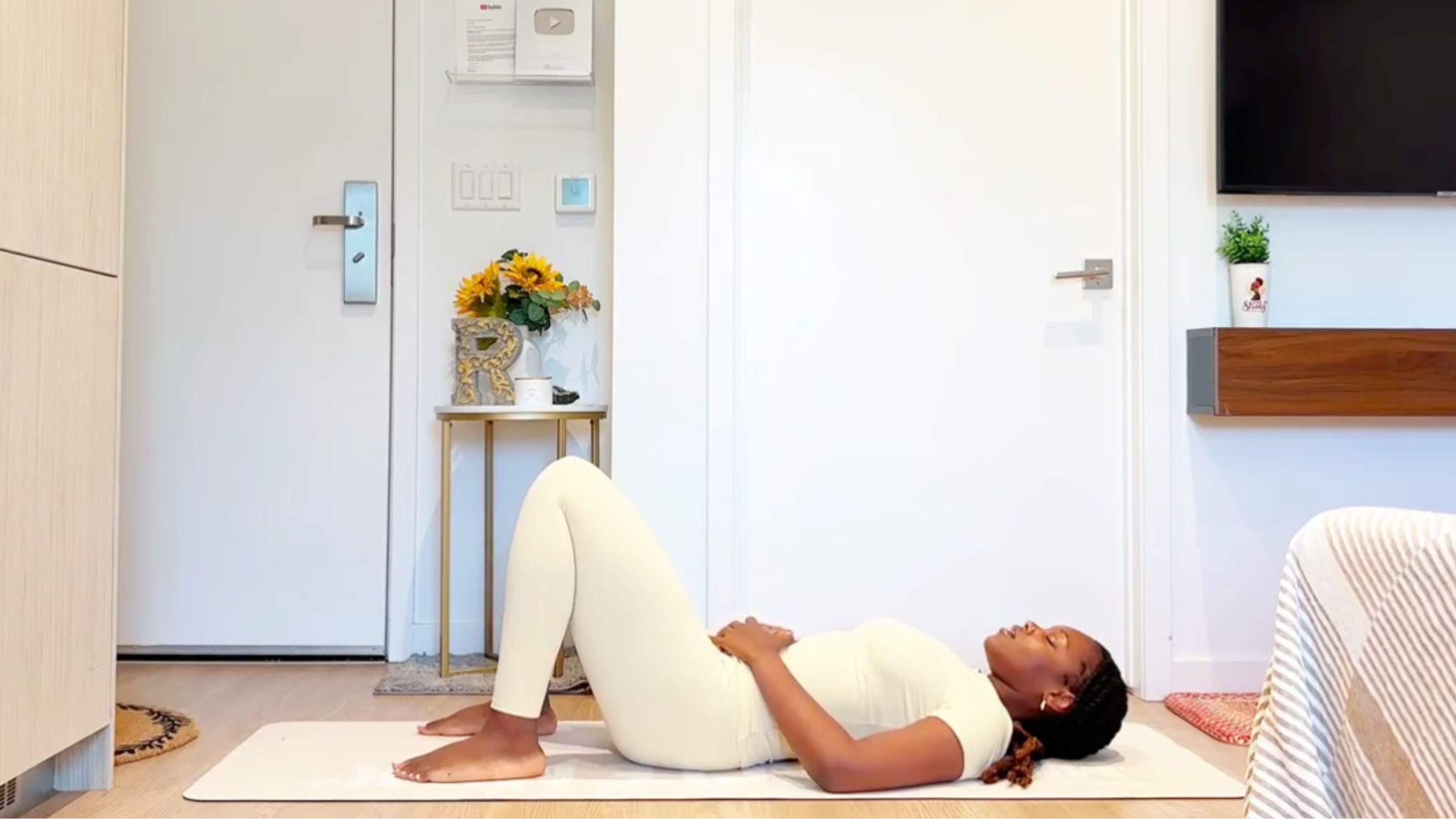
The sequence begins with "Constructive Rest." By lying on the back with knees bent and feet flat on the floor, the spine is allowed to neutralize. This position relieves the psoas muscle, which often tightens during periods of chronic stress. Spending just one minute here, focusing on the rhythmic expansion of the diaphragm, begins the process of grounding the nervous system.
2. Knees to Chest: Embracing the Core
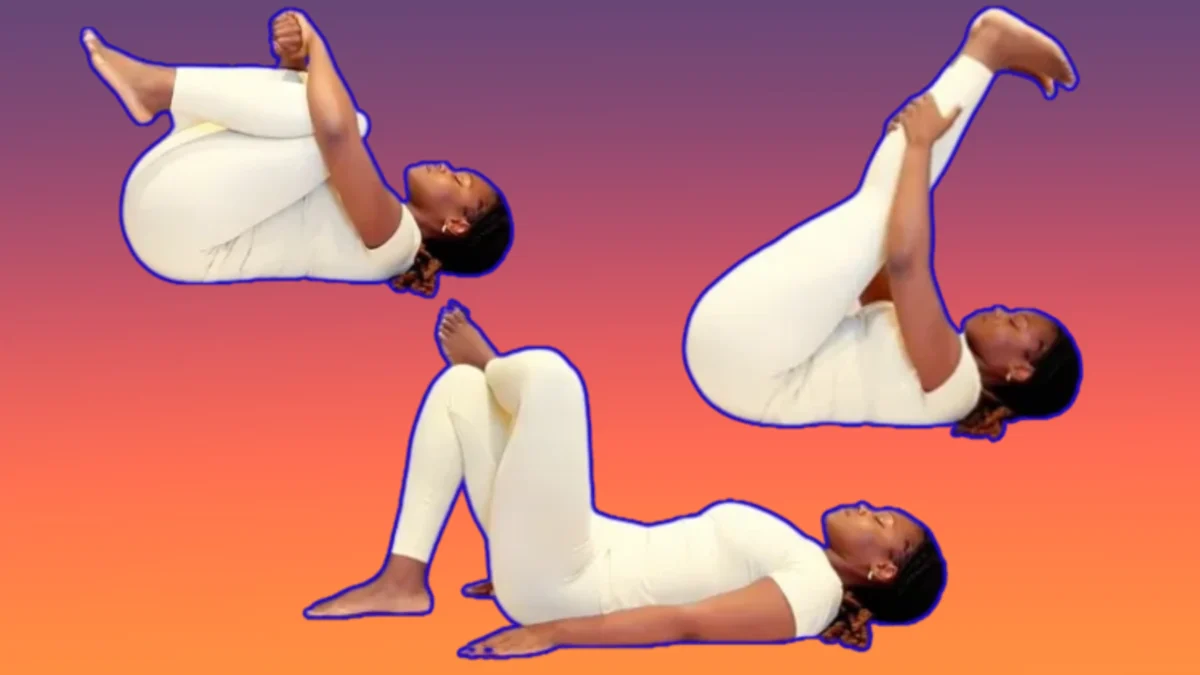
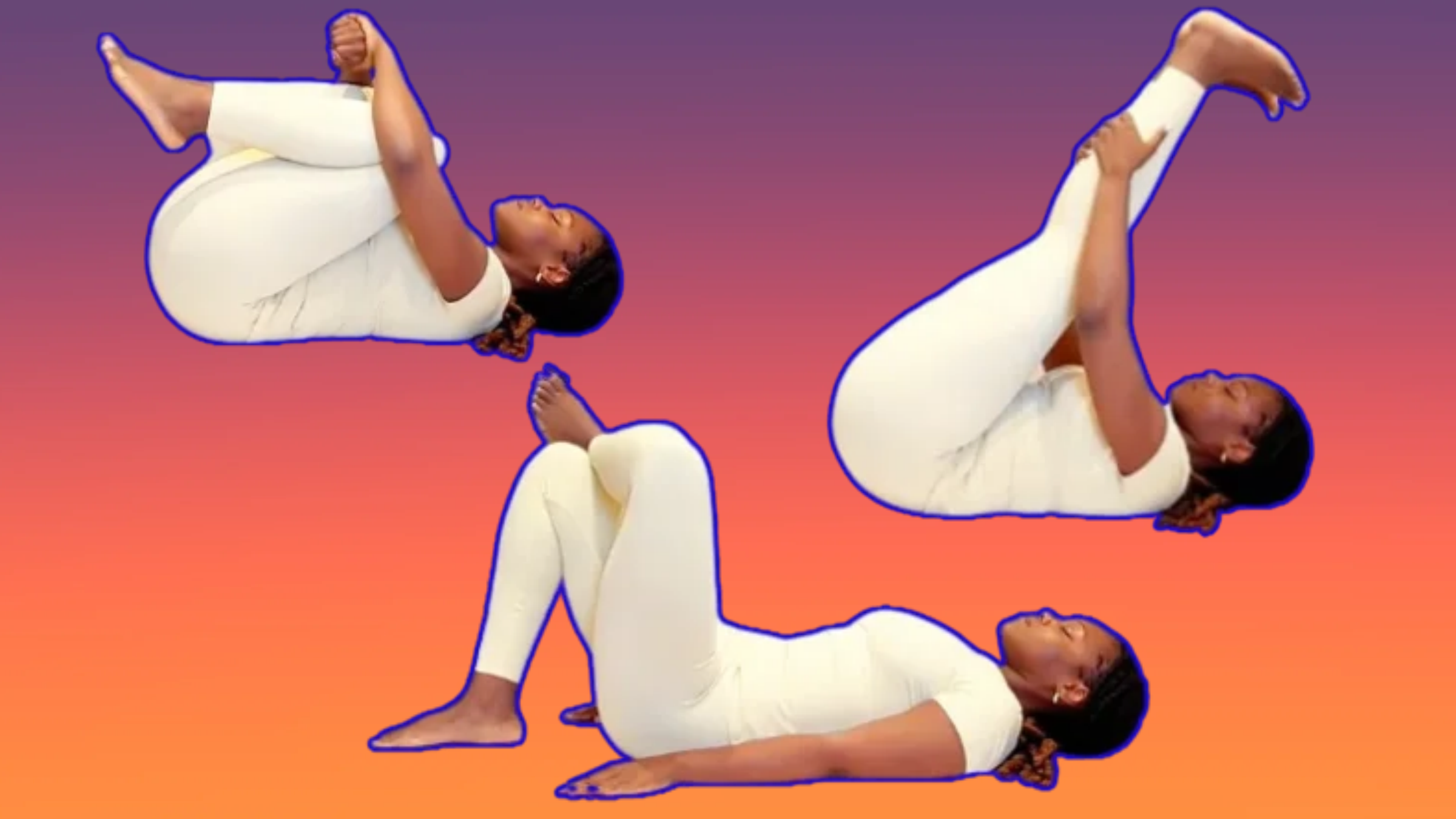
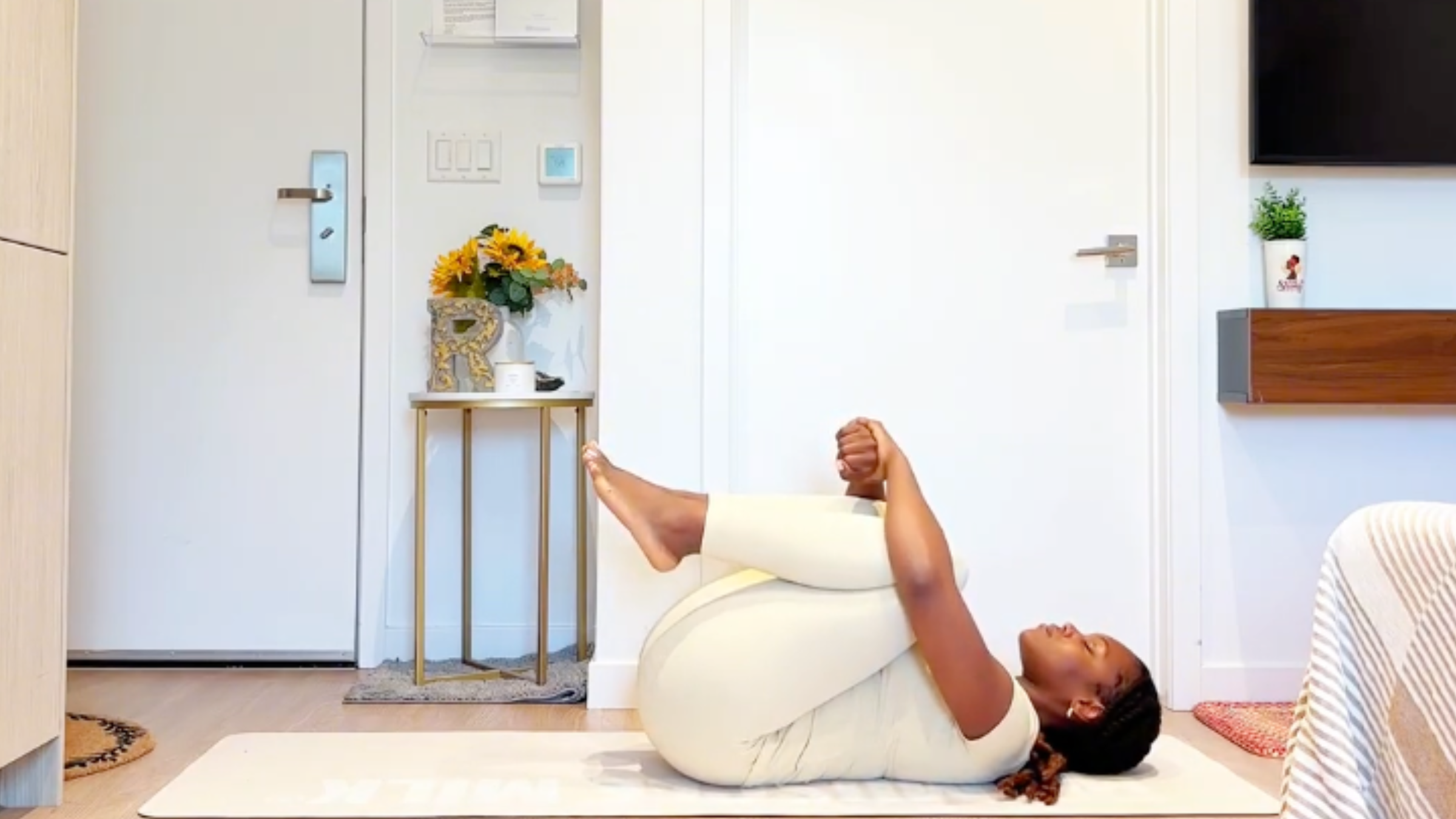
As the practice progresses, the knees are drawn toward the chest. This action provides a gentle compression of the abdominal organs and helps release the lower back. By grasping the shins or thighs, the practitioner creates a physical "hug," which can have a psychologically soothing effect, mimicking the comfort of a fetal position while maintaining a supine, relaxed posture.
3. The Figure 4 Stretch: Releasing Hip Tension
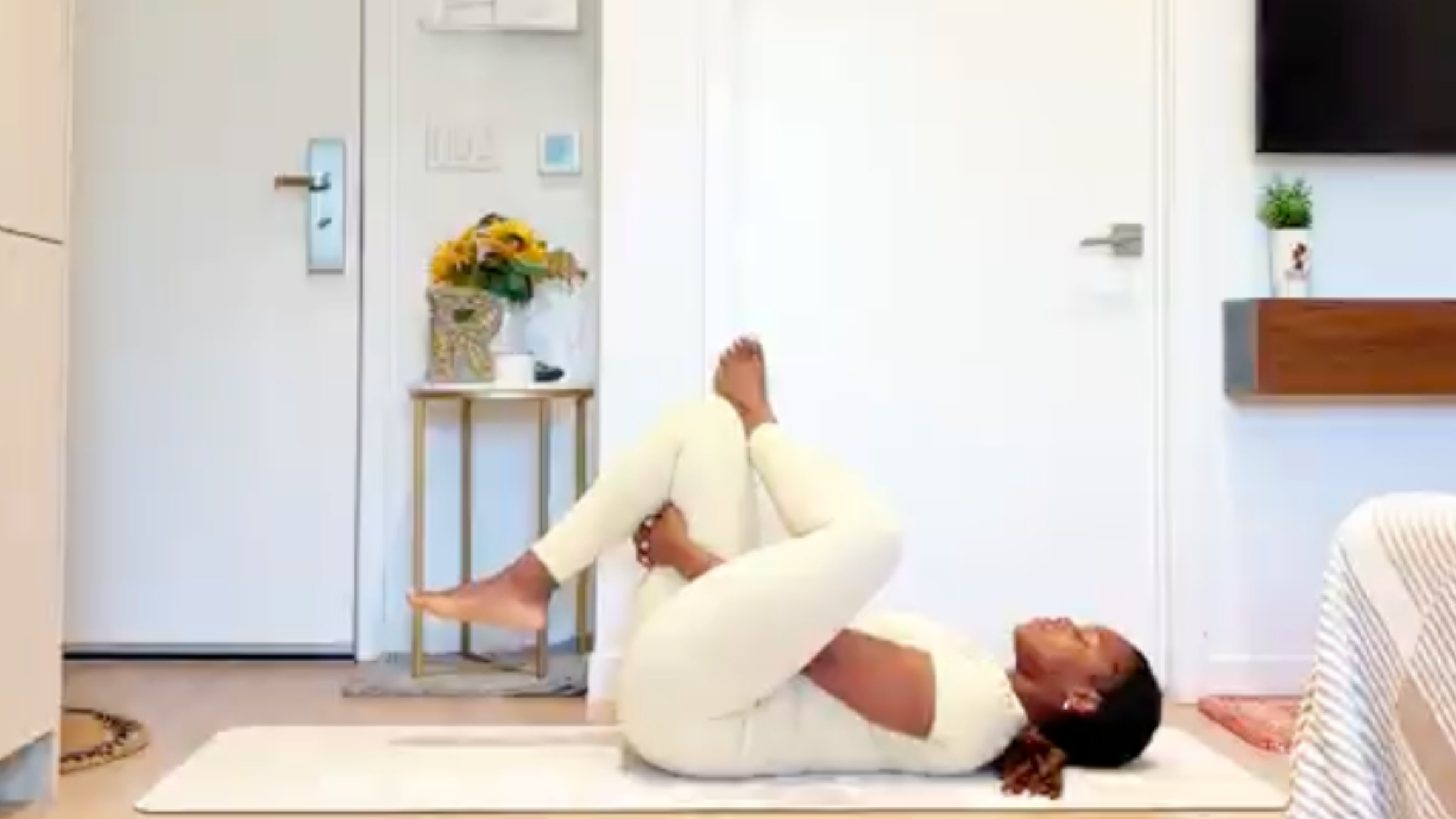
Stress is frequently stored in the hips and glutes. By crossing the left ankle over the right knee, the practitioner engages the piriformis and gluteal muscles in a gentle, passive stretch. This pose, when held with deep, slow inhalations, helps to dissipate the physical tension accumulated from sitting at a desk or standing throughout the day.
4. The Supine Spinal Twist: Realignment and Release
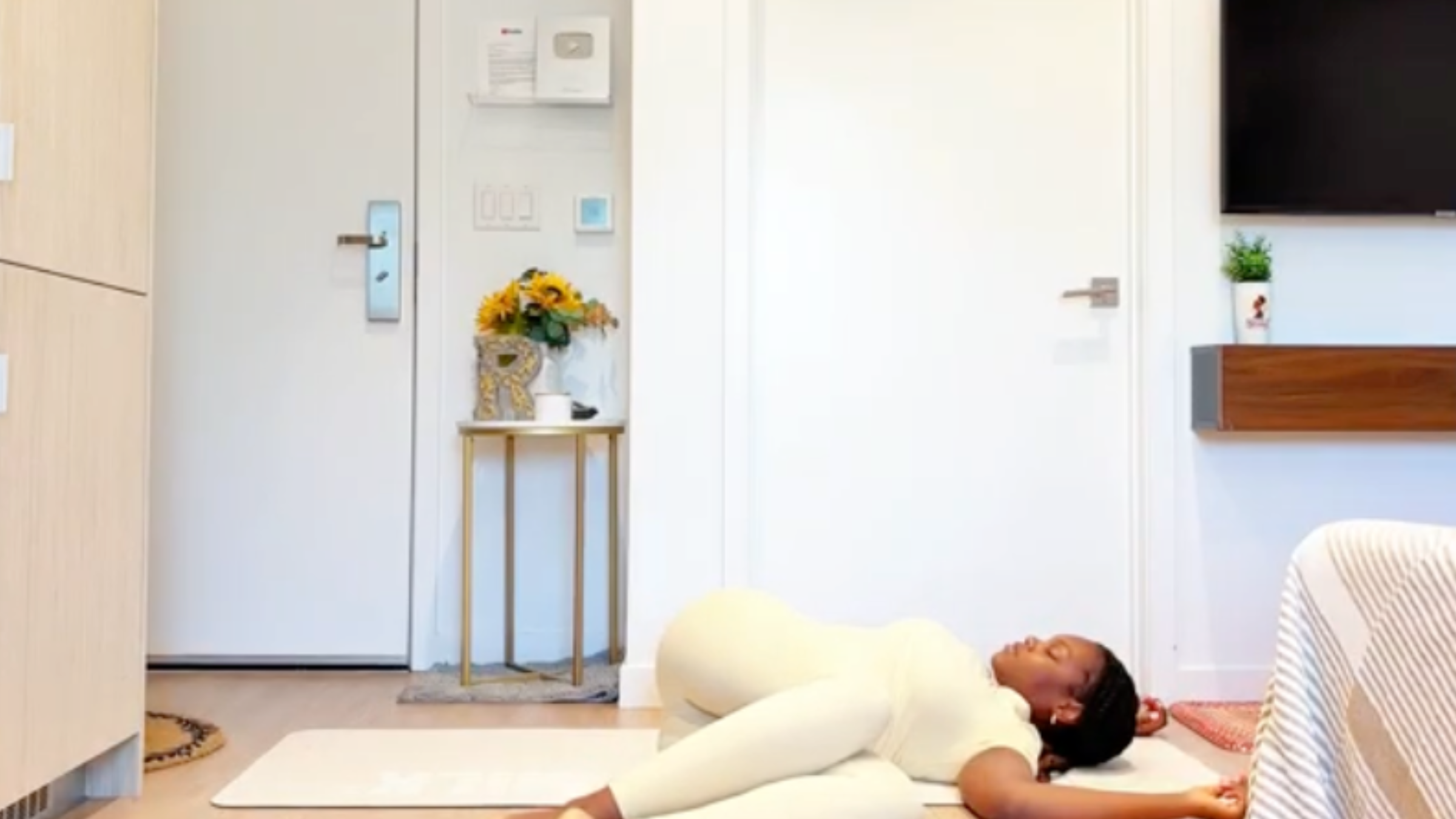
The spinal twist is perhaps the most critical pose for releasing the day’s "knots." By lowering the knees to one side, the spine experiences a gentle rotation. This movement encourages the release of intervertebral tension and allows the nervous system to let go of the rigid upright posture maintained during waking hours. If the legs do not reach the floor comfortably, the use of a prop, such as a folded blanket, is encouraged to ensure the body remains supported and relaxed.
5. Supine Hamstring Stretch: Lengthening and Decompression
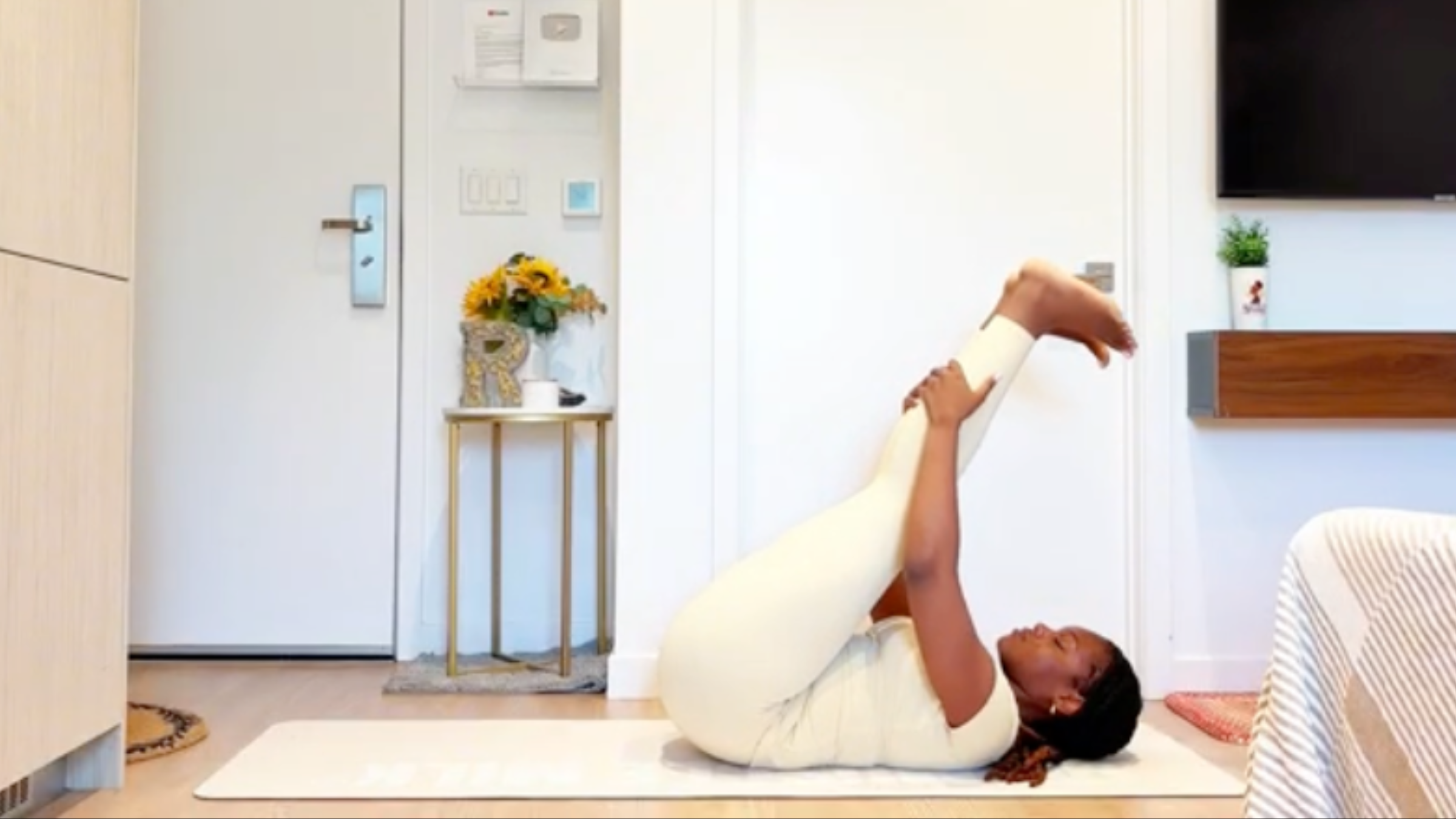
With the spine settled, the focus shifts to the posterior chain. Extending the legs toward the ceiling creates a mild, therapeutic stretch in the hamstrings. By keeping the lower back grounded, the practitioner avoids over-exertion, ensuring that the movement remains within the realm of restorative rather than athletic effort.
6. Happy Baby: The Final Decompression
Happy Baby pose is a hallmark of restorative yoga. By drawing the knees toward the armpits and grasping the outer edges of the feet, the practitioner opens the pelvic floor and releases the lower lumbar region. This pose is inherently playful and grounding, serving as a psychological "release valve" for the day’s accumulated stressors.
7. Savasana: The Final Integration
The sequence concludes in Savasana, or Corpse Pose. This is the most important part of the practice. By lying fully extended, with palms facing upward, the body is given permission to be completely still. This state of conscious relaxation allows the parasympathetic nervous system to take full control, priming the brain for the onset of sleep.
Supporting Data: The Impact of Mindful Movement on Sleep Quality
While yoga is often associated with physical fitness, its therapeutic application for sleep hygiene is increasingly backed by clinical data. A study published in the International Journal of Yoga suggests that consistent, light-intensity yoga practice can significantly reduce the time taken to fall asleep (sleep latency) and improve overall sleep efficiency.
The mechanism is twofold:
- Vagal Tone: Deep, slow, abdominal breathing stimulates the vagus nerve, which is the primary driver of the parasympathetic nervous system. This lowers the heart rate and blood pressure, creating a physiological environment conducive to sleep.
- Mindfulness: The act of focusing on the breath and the physical sensation of stretching acts as a "mental anchor," preventing the mind from wandering into anxiety-inducing thoughts about the past or the future.
Implications for Modern Sleep Hygiene
The implications of incorporating such a routine into one’s daily life are profound. In an era where pharmaceutical sleep aids are at an all-time high in usage, the shift toward behavioral, non-pharmacological interventions is a vital development in public health.
By dedicating a mere five minutes to this practice, individuals can reclaim their bedtime as a sanctuary rather than a battlefield. This approach does not require a change in lifestyle, nor does it require a massive time commitment. It simply requires the intent to be present. As Overton notes, the goal is not to perform a perfect pose, but to provide the body with the "clear signal" that it is safe to let go.
Furthermore, this practice serves as a boundary-setting mechanism. By establishing a ritualized end to the day, individuals create a psychological demarcation line between the responsibilities of the professional world and the restorative necessity of sleep.
Final Thoughts: A Sustainable Path to Rest
As we continue to navigate the complexities of a 24/7 culture, the tools we use to manage our rest will define our long-term health. Ramoni Overton’s 5-minute yoga sequence is more than just a series of stretches; it is a framework for reclaiming our autonomy over our sleep cycles.
Whether you are a seasoned yogi or a complete beginner, the beauty of this sequence lies in its accessibility. It invites us to stop "doing" and start "being." In the quiet space of these five minutes, we find the permission to close our eyes, release the weight of the day, and drift into the restorative slumber that our bodies—and our minds—so desperately require. Through consistent application, this small ritual can transform the way we experience our nights, ensuring that when we wake, we do so with renewed clarity and vitality.