





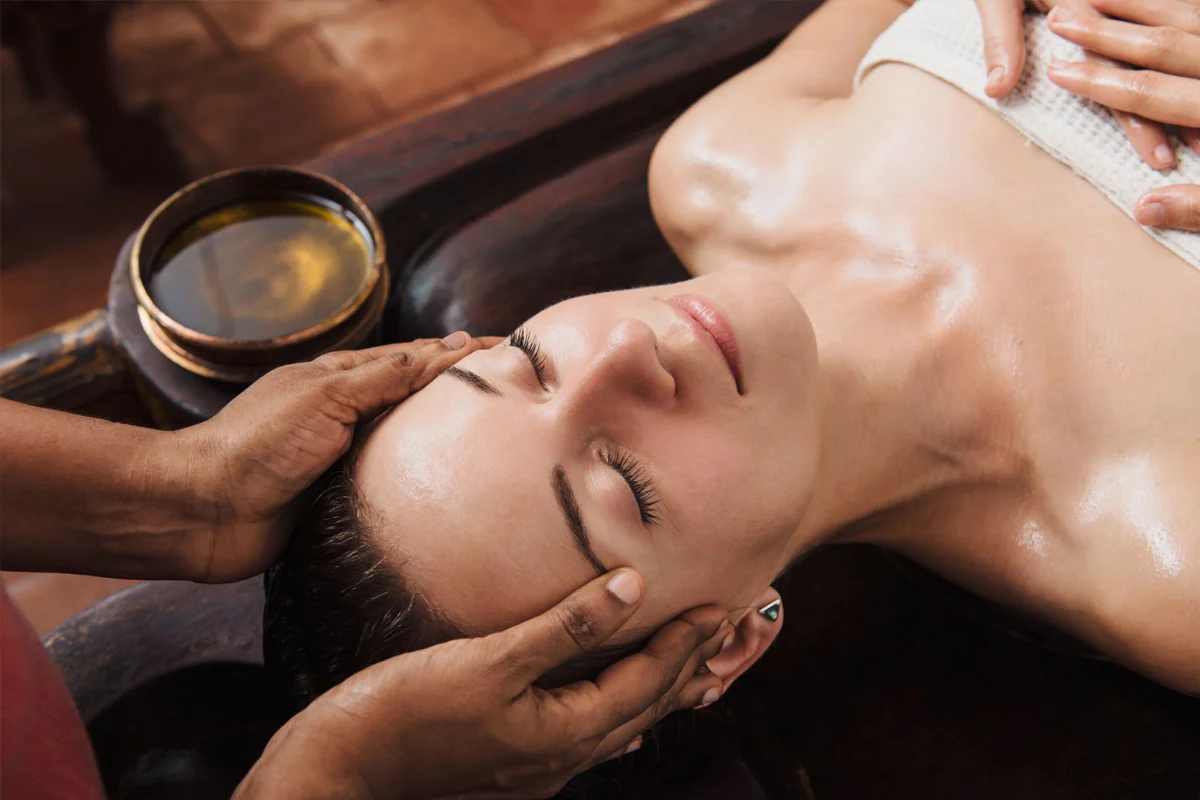
In an era where modern medicine often leans toward standardized protocols—prescribing the same medication for the same diagnostic label—Ayurveda stands as a stark, ancient, and highly effective alternative. At its core, this 5,000-year-old system of medicine operates on a singular, foundational premise: no two bodies, and therefore no two imbalances, are identical.
While Western, allopathic medicine might categorize diabetes into two primary types, Ayurveda identifies twenty distinct classifications, each requiring a unique therapeutic roadmap. This radical commitment to individualization is not merely a philosophical preference; it is the cornerstone of why Ayurvedic interventions frequently succeed where generalized treatments fall short. To understand Ayurveda is to move away from the "band-aid" approach to healthcare and toward a deep, granular understanding of the body’s specific internal landscape.
The Role of the Practitioner: Decoding the Samprapti
The success of any Ayurvedic intervention hinges on the expertise of a trained practitioner. Unlike a static checklist, the Ayurvedic process is a dynamic dialogue between the patient’s physiology and the practitioner’s diagnostic skill.
The primary objective for any practitioner is to identify the root cause of an imbalance. Central to this is the concept of samprapti—the understanding of the disease process itself. A practitioner must track how and where an imbalance originates and how it moves through the body’s tissues. By applying a critical eye to the patient’s prakruti (inherent constitution) and vikruti (current state of imbalance), the practitioner creates a bespoke protocol.
This requires assessing the strength of agni (digestive fire) and the accumulation of ama (metabolic toxins). Without this level of professional oversight, even the most powerful therapies can be ineffective or, worse, misapplied. The practitioner acts as both a mapmaker and a guide, navigating the complex interplay of the three doshas—Vata, Pitta, and Kapha—to restore systemic harmony.
The Pillars of Detoxification: Understanding Panchakarma
When lifestyle shifts and dietary adjustments are insufficient to address deep-seated imbalances, practitioners often turn to Panchakarma. Often misunderstood as a simple "detox spa" experience, Panchakarma is a rigorous, highly specialized clinical process involving internal oleation, targeted therapies, and systematic elimination of toxins.
Panchakarma is not a one-size-fits-all procedure. Designing a protocol requires the practitioner to account for every nuance of the client’s health. Because the process involves pulling toxins from deep tissues into the digestive tract for expulsion, it must be carefully timed and adjusted to ensure the body does not become overwhelmed.
The Three Stages of Panchakarma
The therapeutic process of Panchakarma is structured into three distinct stages, each serving a vital function in the restoration of health.
Stage 1: Purvakarma (The Preparatory Phase)
Before the primary "actions" of elimination can occur, the body must be prepared. This is the stage of Purvakarma, designed to kindle the agni and loosen toxins.
Kindling the digestive fire is the first hurdle. Depending on the individual’s constitution, a practitioner might prescribe ginger-based remedies, hot water, or specific herbal infusions. Simultaneously, the patient undergoes internal oleation. By consuming medicated ghees or oils, the tissues are lubricated, allowing stored toxins—which are often lipid-soluble—to dislodge and migrate into the gastrointestinal tract. This phase is critical; rushing it can lead to inefficient detoxification.
Stage 2: Pradhanakarma (The Five Actions)
The term "Panchakarma" literally translates to "five actions." This is the core of the treatment, where the body undergoes specific procedures to flush out the mobilized toxins.
- Virechana (Purgation): Targeting the small intestine, liver, and gallbladder—the seats of Pitta dosha—this procedure uses herbal laxatives to purge excess heat and toxins from the system.
- Basti (Enema Therapy): Focusing on the large intestine, the site of Vata dosha, Basti involves the administration of herbalized teas or oils. This is not merely a cleansing enema but a therapeutic delivery system that nourishes the colon lining and calms the nervous system.
- Vamana (Emesis): Used to address excess Kapha (phlegm) in the stomach, this controlled therapeutic vomiting is performed under strict medical supervision. It is highly specific and not indicated for every patient.
- Nasya (Nasal Administration): By applying medicated oils to the nasal passages, practitioners can treat imbalances in the head, sinuses, and cognitive centers, offering relief from brain fog and seasonal congestion.
- Raktamoksha (Blood Cleansing): Considered the final frontier for clearing ama from the blood, this practice addresses the circulatory system. While traditional methods involved leech therapy, modern clinics utilize alternative approaches to improve the quality of blood—which in Ayurveda is viewed as the "life-giving" force (jivanam).
Stage 3: Paschyatkarma (The Rejuvenation Phase)
The most common mistake in modern detox culture is the immediate return to "normal life" following a cleanse. Paschyatkarma emphasizes that the post-treatment period is just as vital as the cleansing itself. Having purged the body of impurities, the system is temporarily vulnerable and requires careful rebuilding. Practitioners design specific dietary and lifestyle plans to nourish the tissues, bolster agni, and establish habits that sustain the newly achieved state of vitality.
Implications for Modern Wellness
The rising popularity of Ayurveda signals a cultural shift toward proactive, personalized healthcare. However, this popularity brings with it the risk of dilution. As wellness centers increasingly market "Panchakarma" as a standard vacation package, the importance of clinical oversight becomes paramount.
The implications are clear: for Ayurveda to remain effective, it must remain a clinical discipline. The "standardization" of Panchakarma for the masses often strips the process of its potency. Patients seeking these treatments must look beyond the aesthetic of the facility and prioritize the credentials of the practitioner. The goal of a legitimate Panchakarma center is not to provide a standardized experience, but to provide an environment where the practitioner can safely and effectively manage the unique, unfolding needs of the individual.
Conclusion: Aligning Values with Care
As we navigate an increasingly complex landscape of health and wellness, the wisdom of Ayurveda offers a path back to the self. By honoring the individuality of the body, we move away from the frustration of failed, generic treatments and toward a life of sustainable, deep-rooted balance.
Whether you are seeking relief from chronic pain, metabolic issues, or simply a reset for your system, the key to success lies in the partnership between your own commitment to health and the seasoned guidance of a qualified Ayurvedic practitioner. Choose your center with care, verify the expertise of your guides, and ensure that your path to wellness is as unique as you are.
For those interested in the professional path, educational programs that emphasize the clinical rigor of these ancient traditions are the starting point for a career in this field. To learn more about the formal training of practitioners, visit Ayurveda.com. For those seeking therapeutic, supervised Panchakarma in a dedicated environment, resources such as the SoHum Mountain Healing Resort provide insights into the implementation of these intensive health protocols.