








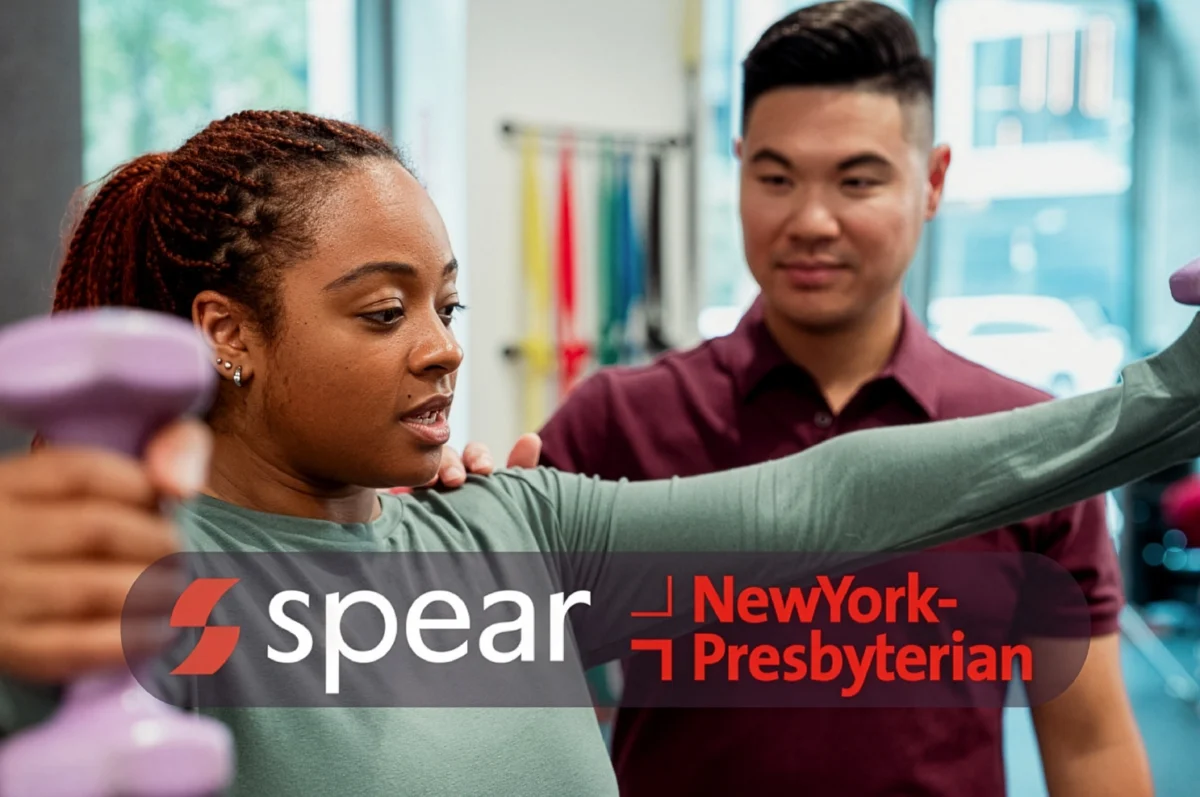
NEW YORK, NY – [Date of Publication] – In a significant move set to redefine access to rehabilitative care across the New York metropolitan area, Spear Physical Therapy, a nationally recognized leader in outpatient physical and occupational therapy, and NewYork-Presbyterian, one of the nation’s most comprehensive, integrated academic healthcare systems, have announced a transformative collaboration. This strategic alliance aims to dramatically expand and enhance the availability of outpatient physical and occupational rehabilitation services, with plans to open nine new state-of-the-art locations across New York City and Westchester in 2026.
The partnership represents a concerted effort to address the growing demand for high-quality, accessible rehabilitation, ensuring that New Yorkers can receive crucial therapy closer to their homes and workplaces. By seamlessly integrating Spear’s award-winning outpatient expertise with NewYork-Presbyterian’s extensive network of leading clinical experts and comprehensive care, the collaboration is poised to create a more coordinated, efficient, and ultimately, more effective recovery journey for patients grappling with musculoskeletal conditions, post-operative rehabilitation needs, and chronic pain management. This initiative underscores a shared commitment to patient-centric care, aiming to improve health outcomes, enhance continuity of care, and elevate the overall standard of rehabilitation excellence in the region.
A New Chapter in Rehabilitation Care: Chronology and Context
The announcement of this partnership marks a pivotal moment in the evolution of healthcare delivery within one of the world’s most dynamic urban environments. The collaboration between Spear and NewYork-Presbyterian is not merely an expansion of facilities but a strategic response to the complex and evolving healthcare needs of a vast and diverse population.
The Genesis of the Partnership: Meeting a Metropolitan Need
The demand for accessible, high-quality rehabilitation services has been steadily climbing in recent years. Factors such as an aging population, increasing awareness of preventative and rehabilitative health, the rise in sports-related injuries, and the growing number of individuals requiring post-operative care have all contributed to a significant need for robust outpatient therapy options. In a dense metropolitan area like New York City, where convenience and proximity are paramount, the existing infrastructure, while extensive, often presents challenges related to travel time and continuity of care across different providers.
Both Spear and NewYork-Presbyterian, recognizing these systemic challenges, have independently built reputations for excellence within their respective spheres. Spear, founded in 1999, has grown into a formidable presence in outpatient rehabilitation, lauded for its patient-first philosophy, specialized treatment programs, and strong community ties. Its award-winning approach has consistently focused on delivering personalized, effective care that helps patients return to their active lives. NewYork-Presbyterian, on the other hand, stands as a beacon of comprehensive healthcare, encompassing two Ivy League medical schools—Columbia University Vagelos College of Physicians and Surgeons and Weill Cornell Medicine—and offering a vast array of specialty services, from primary care to highly complex surgical interventions.
The discussions leading to this partnership likely stemmed from a shared vision for integrated care. Healthcare trends increasingly emphasize models that bridge the gap between acute care and long-term recovery, ensuring a smooth transition for patients. The goal is to move beyond fragmented services towards a holistic continuum of care, where a patient’s journey from diagnosis through treatment and rehabilitation is managed with seamless coordination. This collaboration represents a natural synergy, bringing together Spear’s proven prowess in specialized outpatient therapy with NewYork-Presbyterian’s expansive clinical network and academic leadership to create a truly integrated rehabilitation ecosystem.
Phased Expansion and Strategic Locations for Maximum Impact
The timeline for this ambitious expansion is set for 2026, indicating a meticulous planning process already underway. The opening of nine new locations is a substantial undertaking, requiring careful consideration of site selection, staffing, technological integration, and regulatory approvals. These new centers are strategically planned for key areas across New York City’s bustling boroughs—Queens, Manhattan, and Brooklyn—as well as the populous suburban expanse of Westchester County.
The choice of these locations is deliberate, aiming to maximize impact and reach. In New York City, where millions reside and work, placing rehabilitation centers closer to communities directly addresses the logistical challenges many patients face. Whether it’s a busy professional needing therapy near their office in Manhattan, a resident of Brooklyn recovering from surgery, or a Queens family managing a chronic condition, the emphasis is on reducing barriers to access. Similarly, in Westchester, a vital part of the metropolitan area, increased local access means less travel for residents who might otherwise have to journey into the city for specialized care. This geographical spread is designed to not only serve existing patient populations more effectively but also to reach underserved communities, ensuring that high-quality rehabilitation is not a luxury but an accessible right.
Supporting Data and Industry Trends
The expansion of outpatient rehabilitation services through this collaboration is not just a localized initiative; it aligns with broader national and global healthcare trends, responding to compelling data on patient needs and the efficacy of integrated care.
The Growing Need for Physical and Occupational Therapy
The demand for physical therapy (PT) and occupational therapy (OT) is on a significant upward trajectory. Data consistently highlight the increasing prevalence of conditions that necessitate these services:
- Musculoskeletal Disorders: Conditions like back pain, neck pain, arthritis, and sports injuries affect millions annually. The Centers for Disease Control and Prevention (CDC) reports that chronic pain affects approximately 20.4% of U.S. adults, with musculoskeletal pain being a primary driver. PT and OT are crucial in managing these conditions, improving mobility, and reducing reliance on pharmacological interventions.
- Aging Population: As the population ages, there’s a corresponding increase in age-related conditions such as osteoarthritis, osteoporosis, and neurological disorders (e.g., stroke, Parkinson’s disease), all of which benefit immensely from specialized rehabilitation to maintain independence and quality of life. The U.S. Census Bureau projects that by 2030, all baby boomers will be older than 65, significantly increasing the demographic requiring such care.
- Post-Operative Rehabilitation: Advances in surgical techniques, particularly in orthopedics (e.g., joint replacements, spinal surgeries), mean more patients require structured post-operative PT to regain strength, range of motion, and functional independence.
- Preventative Care: There’s a growing recognition of PT’s role in injury prevention, particularly in sports and occupational health settings, helping individuals maintain peak physical condition and avoid costly and debilitating injuries.
The economic burden of untreated or poorly managed physical ailments is substantial, encompassing direct medical costs, lost productivity, and disability benefits. By expanding access to timely and effective PT/OT, this collaboration aims to mitigate these costs, promoting earlier intervention and better long-term outcomes.
The Benefits of Integrated Care Models
The collaboration’s emphasis on "continuity of care" and "coordinated approach" is a direct reflection of evidence-based practices in modern healthcare. Integrated care models, which seamlessly connect different stages and types of medical services, have been shown to yield superior results:
- Improved Patient Outcomes: When specialists, primary care physicians, and rehabilitation therapists work in concert, sharing patient information and aligning treatment plans, patients experience more comprehensive and effective care. This often translates to faster recovery times, reduced pain, and greater functional improvement.
- Reduced Readmissions: For patients recovering from surgery or acute illness, a well-coordinated rehabilitation plan significantly lowers the risk of complications and readmissions, thereby reducing healthcare costs and patient distress.
- Enhanced Patient Satisfaction: A streamlined patient journey, where individuals feel supported and understood across different care settings, leads to higher satisfaction levels. Convenience, clear communication, and consistent care providers are key drivers of this satisfaction.
- Efficient Resource Utilization: By ensuring that patients receive the "right care at the right time," integrated models minimize unnecessary tests, duplicate procedures, and fragmented treatment, leading to more efficient use of healthcare resources.
This partnership, by strengthening connections between Spear’s outpatient services and NewYork-Presbyterian’s extensive network, including its specialty care and academic affiliations, is building a framework for truly patient-centric integrated care.
Market Impact and Accessibility
The addition of nine new, strategically located rehabilitation centers will have a profound impact on the New York healthcare landscape. For a city known for its fast pace, the convenience factor cannot be overstated. When therapy centers are "closer to where they live and work," patient adherence to prescribed treatment plans significantly improves. Missed appointments, often due to travel difficulties or time constraints, are a major barrier to successful rehabilitation. By bringing services directly into communities, this collaboration removes a critical hurdle, making consistent therapy a more manageable part of patients’ daily routines. This enhanced accessibility will undoubtedly lead to better engagement, more consistent participation, and ultimately, superior health outcomes for countless New Yorkers.
Official Responses and Strategic Vision
The leadership of both Spear and NewYork-Presbyterian articulated a clear and unified vision for this collaboration, emphasizing shared values and ambitious goals.
Voices from Spear: Elevating Outpatient Expertise
Dan Rootenberg, CEO and Co-founder of Spear, eloquently captured the essence of the partnership, stating, “By combining Spear’s award-winning outpatient expertise with NewYork-Presbyterian’s leading experts and comprehensive care, we can better align clinical pathways, expand access to exceptional care, and help more New Yorkers get the right care at the right time.” His emphasis on "award-winning outpatient expertise" highlights Spear’s commitment to clinical excellence, which is built upon several pillars:
- Patient-Focused Care: Spear is known for its individualized treatment plans, developed after thorough assessments and in close collaboration with patients to meet their specific goals.
- Specialized Programs: Beyond general physical therapy, Spear offers specialized programs for sports injuries, pre/post-operative rehabilitation, vestibular therapy, pelvic health, and more, ensuring targeted and effective interventions.
- Therapist Training and Development: A commitment to continuous education and professional development ensures that Spear’s therapists are equipped with the latest evidence-based techniques and best practices.
Rootenberg’s personal connection as a "lifelong New Yorker raised in Brooklyn" adds a layer of genuine commitment to the initiative. This local understanding means the expansion is not just a corporate strategy but a community-minded effort to improve the well-being of his fellow New Yorkers. His vision extends beyond mere access, focusing on improving "value, efficiency, and outcomes"—key metrics in modern healthcare that underscore a commitment to delivering superior results while optimizing resource utilization. This holistic approach ensures that patients not only receive care but receive the best care in the most effective manner.
Perspectives from NewYork-Presbyterian: Anchoring Comprehensive Care
Dr. Deepa Kumaraiah, Executive Vice President and Chief Operating Officer at NewYork-Presbyterian, echoed Rootenberg’s sentiments, affirming, “NewYork-Presbyterian and Spear share a commitment to delivering exceptional care that is accessible and convenient for patients. By expanding access to physical and occupational therapy across New York City and Westchester, we can help more patients receive coordinated rehabilitation services closer to home and support them throughout their recovery.”
Dr. Kumaraiah’s statement underscores NewYork-Presbyterian’s foundational mission as a leading academic medical center: to provide world-class care that is both comprehensive and community-focused. This collaboration fits perfectly within NYP’s broader strategy to extend its reach and integrate specialized services more deeply into the fabric of the communities it serves. The phrase "coordinated rehabilitation services" is particularly significant. It speaks to NYP’s ability to ensure that patients transitioning from inpatient hospital stays, specialist consultations, or surgical procedures can seamlessly access the follow-up rehabilitation they need within a trusted and familiar ecosystem. This level of coordination is critical for ensuring continuity, preventing gaps in care, and optimizing patient recovery.
Synergy with Academic Powerhouses: Columbia and Weill Cornell Medicine
A defining feature of NewYork-Presbyterian’s healthcare system is its affiliation with two world-renowned medical schools: Columbia University Vagelos College of Physicians and Surgeons and Weill Cornell Medicine. This academic powerhouse connection is explicitly highlighted as a crucial component of the collaboration, promising to elevate the standard of care even further.
The involvement of these institutions signifies that the rehabilitation protocols and practices at the new centers will not only be evidence-based but will also be informed by the latest research, clinical trials, and cutting-edge advancements in physical and occupational therapy. This integration means:
- Evidence-Based Practice: Therapists will have direct access to the most current research and clinical guidelines developed by leading experts in rehabilitation medicine.
- Specialized Programs and Expertise: The academic medical centers bring deep expertise in highly specialized areas, which can inform the development of advanced rehabilitation programs for complex neurological conditions, sports injuries, or chronic pain syndromes.
- Clinical Research Opportunities: The collaboration may open doors for joint research initiatives, allowing for the study and implementation of innovative therapies and techniques, ultimately benefiting patient care.
- Education and Training: The partnership will undoubtedly foster a robust environment for clinical education, ensuring that therapists receive ongoing training from top academic physicians and researchers, further solidifying the excellence of care provided.
This synergy between clinical practice and academic rigor is a powerful differentiator, promising a rehabilitation experience that is not only accessible and convenient but also at the forefront of medical innovation.
Broader Implications and Future Outlook
The partnership between Spear and NewYork-Presbyterian extends beyond the immediate goal of opening new facilities; it carries significant implications for patient care, professional development, and the overall healthcare landscape of the region.
Enhancing Clinical Pathways and Patient Journeys
One of the most profound implications of this collaboration is its potential to significantly enhance clinical pathways and the patient journey. "Aligning clinical pathways" means standardizing and optimizing the sequence of care for specific conditions. For a patient, this translates to:
- Smoother Transitions: A patient recovering from orthopedic surgery at a NewYork-Presbyterian hospital can transition directly to a Spear/NewYork-Presbyterian rehabilitation center with their medical records and care plan seamlessly shared, ensuring no disruption in treatment.
- Standardized, High-Quality Care: Clinical pathways ensure that every patient receives care consistent with the latest evidence and best practices, reducing variability and improving outcomes.
- Clearer Communication: Integrated systems facilitate better communication among physicians, surgeons, and therapists, allowing for a truly collaborative approach to patient management.
- Holistic Management: The connection with NewYork-Presbyterian’s specialty care network means that if a patient develops new or related issues during rehabilitation, they can be promptly referred to the appropriate specialist within the same trusted system, avoiding delays and fragmentation.
The goal is to create a "seamless experience for patients throughout their care journey," minimizing the stress and confusion often associated with navigating complex healthcare systems.
Opportunities for Professional Growth and Education
The collaboration is also set to create significant opportunities for clinical education and professional development initiatives that support rehabilitation excellence across both organizations. This aspect is vital for fostering a culture of continuous learning and improvement:
- Cross-Pollination of Expertise: Spear therapists can benefit from insights into complex medical conditions from NYP’s academic physicians, while NYP’s network can gain from Spear’s specialized outpatient therapy techniques and patient engagement strategies.
- Joint Training Programs: The partnership could lead to the development of joint workshops, seminars, and residency programs, raising the overall skill level and knowledge base of therapists and other healthcare professionals.
- Mentorship and Peer Learning: Opportunities for mentorship between seasoned professionals from both organizations can accelerate the development of emerging talent.
- Research Collaboration: As mentioned, the academic affiliations open doors for collaborative research projects, allowing therapists to contribute to and benefit from advancements in rehabilitation science.
These initiatives will not only benefit the employees of Spear and NewYork-Presbyterian but will also contribute to elevating the standard of rehabilitation practice across the broader New York metropolitan area, potentially serving as a model for other healthcare systems.
Impact on the New York Healthcare Landscape
This strategic partnership is poised to significantly impact the competitive healthcare landscape in New York. By combining the strengths of an agile, patient-focused outpatient leader with a comprehensive, academically driven hospital system, the collaboration sets a new benchmark for integrated rehabilitation services. It positions both Spear and NewYork-Presbyterian as frontrunners in delivering a holistic and accessible continuum of care. Other healthcare providers in the region may be prompted to re-evaluate their own rehabilitation offerings and strategic partnerships in response.
Looking ahead, this initial expansion could pave the way for further integrations or service line expansions. This might include the development of highly specialized rehabilitation programs for niche conditions, the incorporation of advanced technologies like telerehabilitation for remote patient monitoring, or even preventative wellness programs designed to keep New Yorkers healthy and active.
A Model for Patient-Centric Care
Ultimately, the Spear and NewYork-Presbyterian collaboration stands as a powerful testament to a patient-centric philosophy. By prioritizing convenience, quality, coordination, and improved outcomes, this partnership aims to remove barriers to care and empower individuals in their recovery journeys. It’s a forward-thinking model that recognizes the importance of rehabilitation not just as a medical necessity but as a crucial component of overall well-being and quality of life. As the nine new locations prepare to open their doors in 2026, New Yorkers can anticipate a new era of accessible, integrated, and exceptional rehabilitation care, fostering a healthier and more active community for years to come.
To learn more about Spear and NewYork-Presbyterian, visit spearcenter.com and nyp.org.