







In the rapidly evolving landscape of modern integrative medicine, ancient traditions are increasingly being scrutinized—and celebrated—for their holistic approach to human health. At the heart of this intersection sits Ayurveda, the "science of life," an Indian medical system that has been practiced for over 5,000 years. Ayurveda operates on a fundamental premise: health is not merely the absence of disease, but the perfect equilibrium of mind, body, and consciousness.
As the northern hemisphere descends into the depths of winter, the environmental shifts—cold, dampness, and reduced sunlight—often manifest as physiological imbalances. In Ayurvedic terms, this is the season of Kapha dominance. To navigate these months, practitioners suggest that individuals look toward Panchakarma, specifically the practice of Nasya, as a sophisticated method of seasonal cleansing and cognitive maintenance.
The Foundational Philosophy: Pacification vs. Purification
Ayurveda dictates that when an imbalance arises and manifests as a psychosomatic disorder, the practitioner must first determine the strategy for restoration. The decision-making process is binary: one must choose between Shamanam (pacification) and Shodanam (purification).
Shamanam (Pacification)
Shamanam is the indicated pathway for individuals who are physically weak or depleted. The goal here is to soothe the doshas (biological energies) that have been aggravated without forcing the body to undergo rigorous detoxification. By nourishing the system and removing the root causes of distress, Shamanam serves to rebuild strength and vitality, preparing the foundation for more intensive therapies later.
Shodanam (Purification)
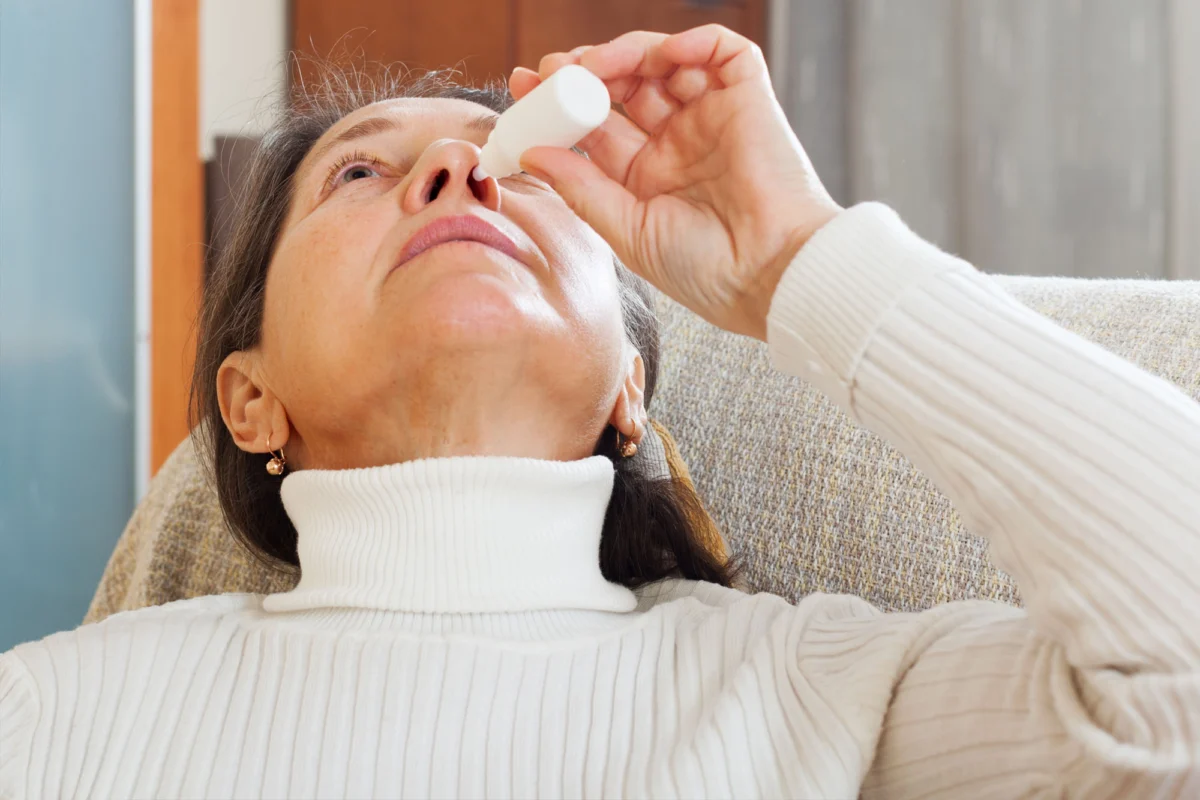
Once an individual has achieved a baseline of strength, or if the constitution is robust enough to handle it, Shodanam—the process of deep purification—may commence. This is where Panchakarma (literally "five actions") comes into play. These five therapeutic measures are designed to purge the body of Ama (toxins) that have accumulated in the tissues. Among these five essential actions, Nasya—the nasal administration of medicinal substances—stands out as the primary treatment for conditions affecting the head, neck, and upper respiratory tract.
The Gateway to Consciousness: The Physiology of Nasya
In the Ayurvedic tradition, the nose is famously described as the "doorway to the brain" and the gateway to consciousness. This is not merely a poetic metaphor; it is an acknowledgment of the direct physiological connection between the olfactory system and the central nervous system.
The Mechanism of Action
When medicinal oils or powders are inhaled, they bypass the digestive system and enter the Majja Dhatu (the nervous system). The anatomy involved is the cribriform plate, a porous bone structure at the base of the skull. Through this anatomical bridge, substances administered nasally interact directly with the cranial environment.
Furthermore, the act of inhalation triggers a cascade of physiological responses. As the breath patterns shift, the pressure exerted on the meninges—the protective membranes surrounding the brain and spinal cord—coupled with the movement of the diaphragm, initiates a pumping effect. This motion is believed to stimulate the circulation of cerebrospinal fluid and enhance both venous and arterial blood flow to the brain, effectively "cleansing" the Nadis (energy channels) and clearing the fog of mental stagnation.
Navigating the Kapha Season: The Necessity of Winter Cleansing
Winter is defined by the attributes of Kapha: it is cold, heavy, dense, slow, and often "cloudy" in both climate and human temperament. To balance these qualities, Ayurveda suggests the application of opposing energetic properties: heating, drying, and expansive herbal remedies.
The practice of Nasya during this season is particularly vital. By clearing the sinus passages and stimulating the olfactory nerves, practitioners can mitigate the lethargy and congestion that often define the mid-winter slump.
The Five Types of Nasya
While the applications vary, the overarching goal remains consistent: the purification of the channels of the head. Whether using herbal powders, decoctions, or medicated oils, the administration is designed to break down the dense, heavy nature of Kapha accumulation.
Winter Nasya Recipes: Practical Applications
For those interested in exploring these ancient cleansing techniques, two traditional remedies are often highlighted for their efficacy in clearing the Srotas (channels) and invigorating the Prana (life force).
1. The Vacha (Calamus Root) Protocol
Vacha is revered in Ayurveda for its heating, pungent, and bitter energetics. It is considered saatvic—promoting clarity and mental purity.
- Application: A small pinch of fine calamus root powder is gently inhaled into each nostril.
- Expected Response: Sneezing is a common and welcomed reaction. This sneeze reflex is seen as a mechanism for balancing Prana and Udana (the upward-moving vital force) and serves to physically expel toxins from the sinus cavities.
- Result: The mind feels sharpened, and the channels of perception are cleared.
2. The Ginger-Jaggery Infusion
For a more liquid-based approach, the ginger-jaggery nasya provides an immediate, albeit intense, cleansing experience.
- Ingredients: 1 tsp of freshly grated ginger, 1 tsp of jaggery (unrefined cane sugar), and 1/3 cup of water.
- Preparation: Mix the ingredients, strain through a fine cheesecloth, and squeeze out the essence.
- Application: Administer 2–3 drops into each nostril.
- The Experience: Users often report an immediate burning sensation followed by a flushing of the eyes and nose. This is quickly replaced by an "after-glow" that is described as exhilarating, effectively clearing congestion and relieving tension-based headaches.
Note: It is imperative that these mixtures are prepared fresh for each use to ensure potency and safety.
Supporting Data and Historical Context
The use of Nasya is documented extensively in the Charaka Samhita, one of the primary foundational texts of Ayurveda. Historical records indicate that this practice was not restricted to physical health but was considered a prerequisite for deep meditation and spiritual practice.
Modern clinical observation suggests that nasal delivery of pharmacologically active agents is a rapidly growing field in Western pharmacology (intranasal drug delivery). While Western medicine focuses on the biochemical pathways, the Ayurvedic model provides the corresponding energetic framework, explaining why certain substances have predictable effects on the state of the mind.
Expert Commentary and Medical Caution
The integration of Nasya into a modern wellness routine should be handled with professional guidance. Dr. Anjali Mehta, a practitioner of integrative wellness, notes: "The nasal cavity is highly sensitive. While these ancient recipes are profound in their ability to clear the mind, they are not ‘one size fits all.’ A person with high Pitta (fire/heat) constitution, for example, might find the ginger recipe too aggressive. Always consult with a qualified Ayurvedic practitioner to determine your specific dosha and whether you are ready for Shodanam."
Implications for the modern user are clear: Nasya is not merely a home remedy for a cold; it is a systemic intervention for the maintenance of clarity. In an age of digital overload and mental exhaustion, the act of clearing the "rivers of life" in the head provides a necessary reset.
Implications and Future Perspectives
As the dialogue between East and West continues to mature, practices like Nasya are moving from the fringes of "alternative medicine" into the mainstream of proactive health management. The implications are significant:
- Preventative Health: By addressing Kapha imbalance before it turns into chronic sinus disease or cognitive fatigue, Nasya serves as a pillar of preventative medicine.
- Mental Clarity: In a culture suffering from an "epidemic of distraction," the direct effect of Nasya on the Majja Dhatu offers a physical, rather than pharmaceutical, way to reclaim mental acuity.
- Holistic Awareness: The process forces the individual to engage with their body’s seasonal needs, fostering a deeper connection between human biology and environmental cycles.
Conclusion
The winter season need not be a time of stagnation. By embracing the ancient wisdom of Nasya—with its disciplined focus on purification and the movement of Prana—individuals can navigate the cold months with heightened clarity and renewed vigor. Whether through the heating properties of Vacha or the invigorating sting of a ginger-jaggery infusion, the path to balance is, quite literally, right under our noses.
As always, the wisdom of the ages must be balanced with the caution of the present. Before embarking on any detoxification regimen, one must prioritize consultation with a healthcare professional to ensure that the body is prepared for the profound shifts that Panchakarma can facilitate. By respecting the intelligence of the body and the power of tradition, we can unlock a more vibrant state of being, regardless of the temperature outside.