









For millions of people, the simple act of planning a day—a commute, a business meeting, or a dinner with friends—is governed by a singular, persistent anxiety: the availability of a private, clean bathroom. This is the reality for those living with Irritable Bowel Syndrome (IBS), a condition so debilitating that research indicates many sufferers would willingly trade 10 to 15 years of their life expectancy for an immediate, permanent cure.
The psychological and physical toll of IBS is profound. While often dismissed in casual conversation as mere "stomach trouble," the condition is a complex, chronic, and life-altering disorder that siphons concentration, interrupts sleep, and destroys professional productivity. For some, the abdominal pain associated with flare-ups is described as more intense than childbirth.
The Magnitude of the Crisis: Defining IBS
IBS, sometimes historically referred to as "spastic colon," is the most frequently diagnosed digestive disorder globally, impacting approximately 14 percent of the adult population. Unlike Inflammatory Bowel Disease (IBD) such as Crohn’s or ulcerative colitis, IBS is characterized by a lack of visible structural damage. When clinicians perform diagnostic imaging or endoscopies, they find no inflammation, infections, or lesions.
For decades, this absence of physical "evidence" led the medical community to wrongly categorize IBS as a purely psychological issue. However, modern science has corrected this view. Today, experts classify IBS as a functional neuro-gastrointestinal disorder. This means the communication pathway between the gut and the brain—often called the "gut-brain axis"—is malfunctioning, leading the brain to process non-threatening digestive movements as intense pain signals.
The Anatomy of Suffering: Symptoms and Causes
IBS is notoriously difficult to diagnose because it is a spectrum disorder. Symptoms vary wildly between individuals and even within the same person over time. Common indicators include:

- Chronic abdominal pain and cramping.
- Persistent bloating and excessive gas.
- Stool irregularities, ranging from chronic constipation (IBS-C) to urgent, frequent diarrhea (IBS-D), or a mix of both (IBS-M).
- The sensation of incomplete evacuation.
The Hypersensitivity Hypothesis
Why does the gut "misbehave" in people with IBS? Researchers have coalesced around a few primary theories. One leading hypothesis involves nerve hypersensitivity. In a healthy individual, the movement of gas or food through the intestines goes largely unnoticed. In a person with IBS, the nerve endings in the GI tract may be hyper-reactive, sending pain signals to the brain for even minor digestive processes.
Furthermore, the muscles of the gut may overreact, contracting with such force that they cause diarrhea and cramping, or under-react, slowing the transit of waste to the point of severe constipation. Emerging research also points to the gut microbiome; a significant number of patients report that their symptoms began immediately following a severe bout of food poisoning or viral gastroenteritis, suggesting a lingering disturbance in the intestinal bacterial balance.
The Psychological Toll: Gastrointestinal-Specific Anxiety
Perhaps the most damaging aspect of the disorder is "gastrointestinal-specific anxiety." This is the constant, underlying fear of a sudden, uncontrollable flare-up. This anxiety creates a feedback loop: stress triggers the gut, and the gut’s reaction increases stress.
This cycle is a primary reason why those with IBS often report a lower quality of life than patients diagnosed with heart disease, diabetes, or even end-stage kidney disease. The fear of public symptoms leads to social isolation, as sufferers avoid restaurants, exercise classes, and travel, effectively shrinking their world to stay within reach of a "safe" bathroom.
Navigating the Path to Relief: Evidence-Based Strategies
While there is no "cure" in the traditional sense, the condition is highly manageable. Sarah Maughan, a PN Super Coach certified through Monash University—the global gold standard in IBS research—emphasizes that lifestyle intervention can be transformative.

1. The Role of Physical Activity
Regular, moderate exercise is one of the most effective non-pharmaceutical tools for managing IBS. Studies have shown that walking moderately for one hour, three times a week, can lead to a significant reduction in bloating and abdominal pain within 12 weeks. Exercise appears to modulate the gut-brain axis, improve gut motility, and encourage the growth of beneficial, anti-inflammatory bacteria.
2. Stress Regulation
Because the gut is the "second brain," the nervous system must be managed. When stress hormones like cortisol and norepinephrine spike, they directly impact intestinal muscle contractions. Rather than telling a client to "stop being stressed," successful coaching involves teaching nervous system regulation through breathwork, yoga, and gentle movement. By focusing on the "Sphere of Control"—managing one’s response to stress rather than the stressor itself—clients often find their symptoms become less frequent and less severe.
3. The Art of Mindful Eating
"Slow eating" is a deceptively simple yet powerful intervention. By slowing down, individuals increase their chewing time, which helps break down food and allows digestive enzymes in saliva to begin the work of digestion before the food even hits the stomach. Eating in a calm, undistracted environment also prevents the body from entering a "fight-or-flight" state, which would otherwise prioritize survival over digestion.
4. Sleep Hygiene and Circadian Rhythms
IBS patients frequently report fragmented, non-restorative sleep. Fatigue exacerbates gut sensitivity, leading to a vicious cycle where poor sleep triggers more pain, which in turn prevents better sleep. Establishing a wind-down routine—avoiding large meals late at night and utilizing relaxation techniques—can help break this cycle.
5. Investigative Nutrition: The Elimination Diet
Because triggers are highly individual, there is no single "IBS diet." However, certain food groups—specifically FODMAPs (Fermentable Oligosaccharides, Disaccharides, Monosaccharides, and Polyols)—are common culprits. FODMAPs are carbohydrates that ferment in the gut, causing gas and distension.

An elimination diet acts as a controlled scientific experiment. By removing suspected triggers for two to three weeks and then methodically reintroducing them, individuals can identify their specific threshold for tolerance. This is not about permanent restriction; it is about gathering data to gain dietary freedom.
The Coach’s Role: Staying Within Scope
For health coaches, navigating a client’s IBS requires a clear understanding of the scope of practice. A coach should never diagnose or prescribe. Instead, they act as a guide to help the client implement the recommendations of a medical team.
The Golden Rules for Coaches:
- DO encourage clients to seek a medical diagnosis to rule out celiac disease, cancer, or IBD.
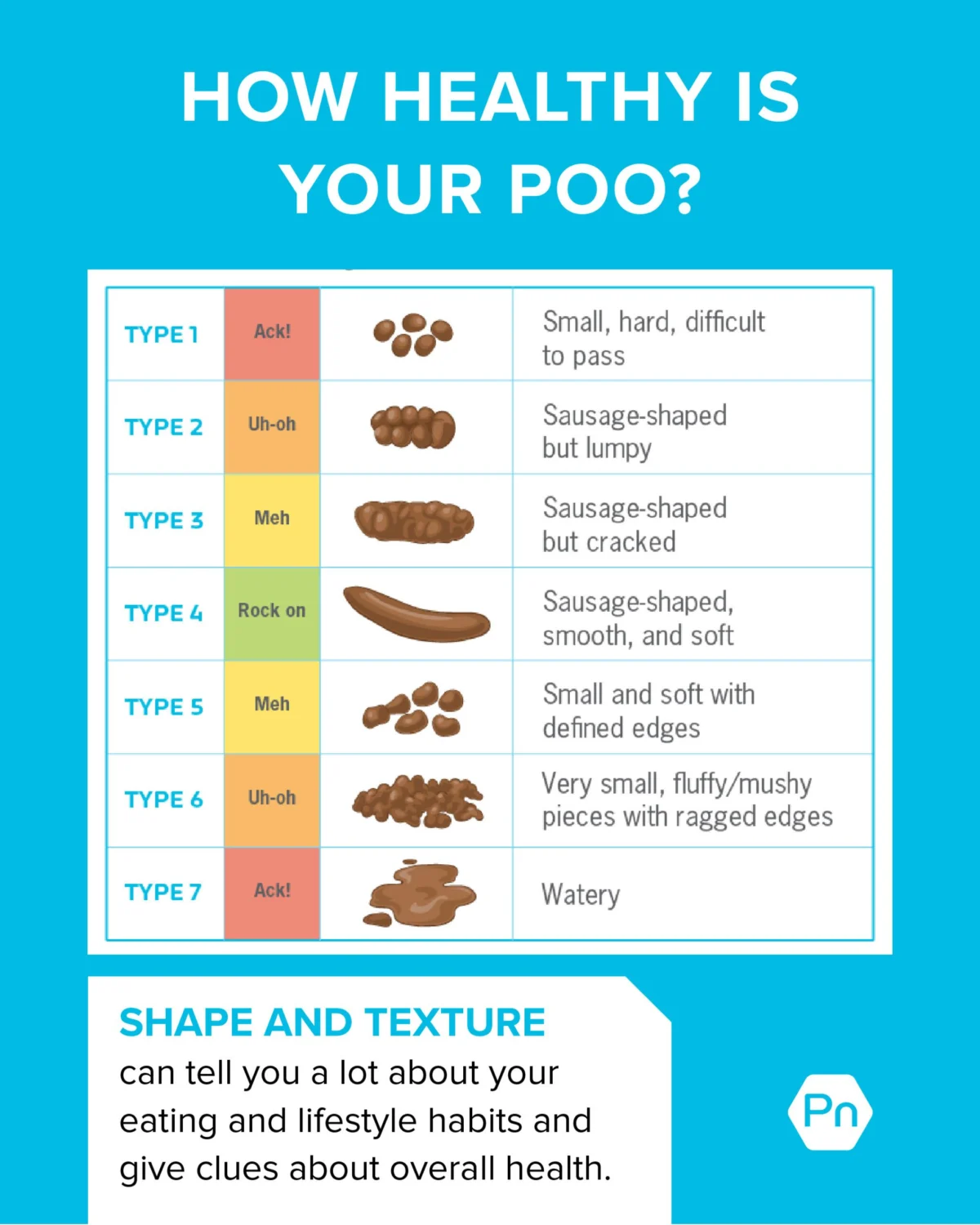
- DO help clients run lifestyle experiments, like keeping a "poo diary" or practicing slow eating.
- DON’T pitch restrictive diets as a "cure-all."
- DON’T contradict the advice of a physician.
Conclusion: Knowledge as Empowerment
The journey of living with IBS is often lonely, but it does not have to be hopeless. By shifting the perspective from "I am a victim of my gut" to "I am an experimenter learning about my body," patients can regain control.
As Sarah Maughan notes, the goal is not perfection, but choice. Knowing that a specific food might trigger a flare-up allows a person to make an informed decision: "Do I want to eat this today, knowing the potential consequences, or do I want to save it for a day where I am at home and comfortable?" With the right combination of medical care, stress management, and mindful lifestyle choices, those with IBS can stop planning their lives around the bathroom and start planning their lives around their passions.