





In a decisive maneuver to fortify its dominance in the global immunology market, Sanofi has announced a massive expansion of its long-standing partnership with Regeneron Pharmaceuticals. The deal, valued at an upfront payment of $1 billion and up to $7 billion in potential development and commercial milestones, aims to leverage Regeneron’s proprietary human antibody platform to engineer the successors to Dupixent—the multi-billion-dollar juggernaut that has redefined the treatment landscape for inflammatory diseases.
As the pharmaceutical industry braces for the 2031 patent cliff facing Dupixent, this agreement represents more than just a pipeline expansion; it is a calculated defense strategy designed to maintain Sanofi’s grip on the inflammatory disease sector against an increasingly aggressive field of competitors.
The Pillars of the Partnership: Main Facts
The expanded collaboration focuses on four specific antibody programs, all derived from the same "VelociSuite" technology that birthed Dupixent. The core objective is to shift the paradigm of immunological care from bi-weekly or monthly injections toward long-acting, infrequent dosing regimens.
The partnership structure is designed for efficiency and mutual benefit:
- Upfront Investment: Sanofi is providing $1 billion to secure rights to the next-generation pipeline.
- Milestone Payments: Regeneron stands to gain an additional $7 billion contingent upon successful clinical development and regulatory approval.
- Operational Split: Regeneron will lead the research and development (R&D) efforts, while Sanofi will spearhead global commercialization.
- Cost and Profit Sharing: Development and commercialization costs will be split equally, and, notably, any future profits from these four assets will be shared on a 50/50 basis.
This represents a pivot in the power dynamic between the two companies. While their original agreement for Dupixent afforded Sanofi a larger share of non-U.S. profits, this new arrangement creates a more balanced fiscal ecosystem for the next generation of assets.
A Legacy of Innovation: The Chronology of Collaboration
The relationship between Sanofi and Regeneron is one of the most successful and enduring marriages in the history of modern biotechnology.
- 2007: The companies formalize their initial collaboration, focusing on the discovery and development of fully human monoclonal antibodies.
- 2017: The FDA grants its first approval for Dupixent (dupilumab) for the treatment of atopic dermatitis. It quickly becomes the cornerstone of Sanofi’s immunology portfolio.
- 2017–2025: Dupixent achieves an unprecedented expansion, receiving approvals for nine distinct immunological indications, including asthma, chronic rhinosinusitis with nasal polyps, and eosinophilic esophagitis.
- 2024: Tensions rise as Regeneron initiates litigation against Sanofi, alleging a lack of transparency regarding commercialization data for Dupixent.
- 2025: Sanofi reports a record-breaking €15.7 billion (approximately $17.6 billion) in annual global revenue for Dupixent.
- 2026: The companies announce a settlement of the litigation and the launch of the expanded partnership, signaling a renewed commitment to their collaborative future.
The Science of Succession: Supporting Data and Pipeline
Dupixent’s success lies in its ability to inhibit the IL-4 and IL-13 signaling pathways, which are critical drivers of Type 2 inflammation. The new assets under the expanded agreement aim to optimize this mechanism:
- Long-Acting IL-13 Antibody: Currently the most advanced program in the new roster, this candidate is in Phase 1 trials for atopic dermatitis. The goal is to extend dosing intervals from the current two-to-four-week window to three-to-six months.
- Next-Gen Dupixent Successor: A preclinical, long-acting antibody targeting the same pathways as Dupixent but designed for superior pharmacokinetics.
- Bispecific IL-4/IL-13 Antibody: A dual-blockade molecule that hits two inflammatory targets simultaneously within a single injection.
- IL-4 Ligand Blocker: Unlike current therapies that block the receptor, this molecule blocks the ligand itself, offering a novel mechanism that could potentially be used in combination with other agents to achieve a more comprehensive "clean-up" of inflammatory signals.
Sanofi estimates that these four programs will enter late-stage clinical trials between 2029 and 2031. This timeline is deliberate, designed to ensure that clinical data is available just as the original Dupixent patents begin to expire.
Official Responses and Strategic Vision
The leadership of both firms views this deal as a vital hedge against future market volatility.
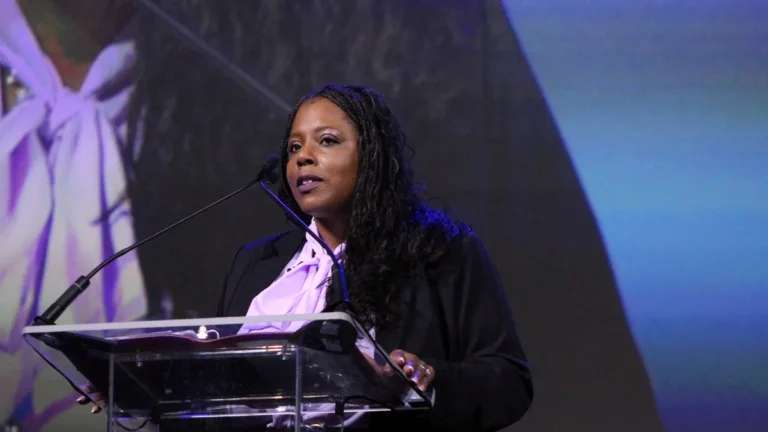
"By deepening our collaboration, we will make rapid progress in creating the next generation of meaningful therapies for patients with immune-mediated diseases, while contributing to Sanofi’s long-term future," said Sanofi CEO Belén Garijo. Her statement underscores the company’s reliance on immunology as a primary growth engine.
For Regeneron, the deal provides a massive capital infusion and the commercial infrastructure necessary to compete on a global scale. By settling the 2024 litigation, both companies have effectively cleared the slate, allowing their respective legal and R&D teams to focus entirely on the competitive threats emerging from other corners of the biotech industry.
Implications: The Competitive Landscape and Market Future
The pharmaceutical sector is currently experiencing a "gold rush" in immunology. As the patents for blockbuster biologics like Humira and Dupixent move toward their expiration dates, a host of smaller, agile biotech firms are emerging with superior technologies.
The Rise of the Competitors
Companies such as Apogee Therapeutics (recently acquired by AbbVie for $11 billion) and Attovia are pushing the boundaries of what is possible in the eczema and pruritus markets. These firms are developing "Atto-bodies" and other novel constructs that offer improved tolerability profiles—specifically targeting the "itch" associated with atopic dermatitis with greater precision than legacy drugs.
The Patent Cliff and the "Biosimilar" Threat
By 2031, the market for Dupixent biosimilars will likely be open. If Sanofi and Regeneron do not have a "successor" product ready to capture the market, they risk losing a significant portion of their $17+ billion annual revenue stream.
Industry analyst David Risinger of Leerink Partners notes that the timing of this deal is exemplary. "The early development stage of these partnered programs means it will take a few years to assess their competitive profiles," Risinger wrote in a research note. "But the strategic imperative is clear: Sanofi and Regeneron must launch these next-generation products before the biosimilar tidal wave hits."
Looking Ahead: The Lunsekimig Wildcard
An intriguing element of the new agreement is the inclusion of lunsekimig, a Sanofi-owned bispecific antibody targeting TSLP and IL-13. The deal provides Regeneron with an option to join the development of this drug following the completion of Phase 3 trials in chronic obstructive pulmonary disease (COPD). This suggests that the alliance is not merely a one-way street of Regeneron-discovered assets, but a broader, bilateral exchange of intellectual property and clinical expertise.
Conclusion
The $8 billion expansion of the Sanofi-Regeneron alliance is a testament to the high-stakes environment of modern drug development. By combining their R&D prowess and commercial might, the two companies are attempting to build an "immunology fortress." Whether this new generation of antibodies can successfully replicate or surpass the clinical and financial milestones of Dupixent remains to be seen. However, in an era of rapid scientific advancement and looming patent expirations, the move provides the best possible insurance policy for both firms to maintain their leadership in the treatment of chronic, immune-mediated diseases.