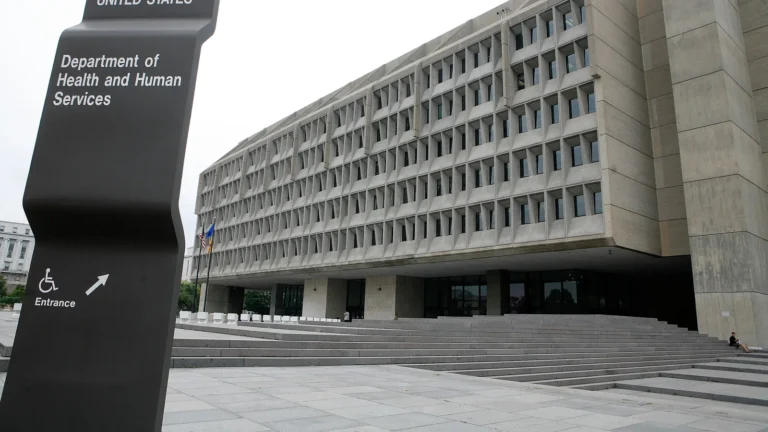











In a move that signals a paradigm shift in how medicine is delivered, practiced, and regulated, Utah state authorities have greenlit a pilot program that could fundamentally alter the doctor-patient relationship. On Monday, the Utah Office of Artificial Intelligence Policy (OAIP) announced a groundbreaking initiative allowing a startup, Nolla Health, to deploy an artificial intelligence system capable of evaluating patients and, eventually, issuing prescriptions without direct human intervention.
This pilot program represents the first significant test of the state’s “AI sandbox,” a regulatory framework designed to foster innovation by granting companies a temporary reprieve from traditional oversight while operating under rigorous, state-mandated supervision. As AI continues to permeate clinical workflows, the Nolla Health experiment serves as a bellwether for the future of telehealth and automated diagnostics.
The Nolla Health Pilot: Assessing Acne in the Age of Algorithms
The focus of this initial pilot is dermatological care, specifically for mild-to-moderate acne. Nolla Health, which secured $4.5 million in funding last year from heavy-hitting venture capital firms like General Catalyst, has developed an AI engine designed to streamline the diagnostic process.
The process is deceptively simple: patients engage with a structured, AI-driven intake questionnaire and submit high-resolution photographs of their skin. The system then analyzes the dermatological presentation against a database of clinical indicators to determine whether a low-risk pharmaceutical intervention is appropriate.
In the program’s nascent stages, the system operates as a clinical support tool. Every recommendation generated by the AI must be reviewed, verified, and signed off by a licensed clinician. However, the true objective of the pilot is the transition toward full autonomy. Utah regulators have indicated that if the system proves safe and effective during this initial phase, Nolla may be granted the authority to issue prescriptions directly, bypassing the need for a physician’s signature.
A Chronology of the Regulatory Pivot
The path to this moment began with the creation of the Utah Office of Artificial Intelligence Policy, a body established to navigate the complexities of regulating a technology that evolves faster than traditional law.
- Mid-2023: Nolla Health announces a successful $4.5 million seed round, signaling investor confidence in the company’s vision to automate the management of various health conditions.
- Late 2023: The Utah OAIP begins finalizing its “AI sandbox” guidelines, a regulatory framework inspired by financial technology (fintech) sandboxes that allow startups to test innovative products in a controlled, risk-mitigated environment.
- Early 2024: Nolla Health applies for entry into the sandbox, proposing a shift in how dermatological treatments are prescribed.
- Monday, [Current Month/Year]: Utah regulators formally announce the approval of the Nolla Health pilot, marking the first time a state agency has cleared an AI to potentially operate with autonomous prescribing power.
Supporting Data and the Promise of Scalability
The drive toward AI-enabled prescribing is fueled by a desperate need for efficiency in the American healthcare system. According to data from the American Academy of Dermatology, wait times for appointments with dermatologists can stretch into months, particularly in rural or underserved regions. By automating the triage and treatment of routine, low-risk conditions, Nolla Health argues it can democratize access to dermatological care.

The "low-risk" criteria is the cornerstone of the company’s safety argument. By restricting the AI’s scope to common acne medications—drugs with established safety profiles and minimal risk of misuse—the company aims to demonstrate that the risk-to-benefit ratio of autonomous prescribing is favorable. Furthermore, the sandbox environment requires Nolla to provide the state with granular data on every decision the AI makes, creating a comprehensive audit trail that will inform future regulatory decisions.
Official Responses and the Ethics of Automation
The announcement has triggered a wave of responses from across the healthcare spectrum. Proponents of the sandbox model, including state officials in Utah, argue that traditional, slow-moving regulations are preventing the public from accessing life-changing technology.
"Our goal is to foster innovation while ensuring the highest standards of patient safety," a spokesperson for the Utah OAIP stated. "The sandbox allows us to see how these systems perform in the real world, rather than just in a laboratory setting, giving us the evidence needed to build a long-term regulatory framework."
Conversely, the medical community has voiced cautious concern. While many doctors acknowledge the potential of AI to reduce administrative burden, the prospect of an algorithm replacing a clinician’s judgment in prescribing medication raises significant ethical questions.
"The nuance of clinical practice cannot be captured in a photo or a structured survey," noted one industry analyst. "Acne, while often ‘mild,’ can sometimes be a symptom of underlying hormonal or systemic issues that a machine might miss. The danger lies in the ‘automation bias,’ where humans become too reliant on the machine’s output and stop questioning its accuracy."
Implications for the Future of Healthcare
The implications of the Nolla Health pilot extend far beyond the treatment of acne. If the sandbox experiment succeeds, it sets a precedent for the autonomous management of other chronic conditions, such as hypertension, diabetes, or common infections.
1. The Erosion of Geographic Barriers
Autonomous AI systems have no office hours and no geographic limitations. This could eventually provide high-quality, standardized care to remote regions where specialized medical professionals are scarce.

2. The Liability Conundrum
Who is responsible if an AI makes an error that results in a patient’s injury? Is it the startup, the software engineers, or the state regulator that approved the sandbox? The Utah pilot will likely be the crucible in which these legal liability questions are forged.
3. The Re-skilling of the Medical Workforce
If AI systems take over routine diagnostics and prescribing, the role of the primary care physician may shift significantly. Future doctors may spend less time on rote clinical tasks and more time on complex case management, human-centric care, and overseeing the very algorithms that now perform the "heavy lifting" of medicine.
4. Regulatory Fragmentation
The success of Utah’s sandbox may prompt other states to follow suit, leading to a patchwork of state-level regulations. This presents a massive hurdle for health-tech companies, which may find themselves navigating 50 different sets of rules for AI deployment.
Conclusion: A High-Stakes Balancing Act
The Nolla Health pilot in Utah is a watershed moment for digital health. It forces a collision between the rapid, iterative world of Silicon Valley software development and the conservative, safety-first culture of medical regulation.
As the program progresses, the world will be watching not only to see if Nolla’s algorithm works, but to observe how state oversight manages the inherent risks of autonomous medical decision-making. The project is an admission that the status quo in healthcare—defined by limited access and rising costs—is unsustainable. Whether AI is the panacea that reformers hope for, or a source of new, unforeseen clinical risks, remains to be seen. For now, Utah has become the testing ground for a future where the prescription pad is digital, and the "physician" may be a line of code.