











Featured Medical Briefing – January 11, 2026
The landscape of pulmonary diagnostics is undergoing a seismic shift. As artificial intelligence (AI) matures from a theoretical research tool into a clinical utility, and as bedside imaging technologies become increasingly sophisticated, the ability to diagnose and manage respiratory conditions is reaching new levels of precision.
Recent studies published in top-tier medical journals—including eBioMedicine, the Journal of Perinatology, and Nature Communications—highlight three distinct breakthroughs: the use of AI-enhanced ECGs to screen for Chronic Obstructive Pulmonary Disease (COPD), the deployment of lung ultrasound (LUS) to predict extubation success in neonates, and the application of generative AI to curtail antibiotic misuse in cases of lower respiratory tract infections (LRTIs).
I. AI-Enhanced ECGs: A New Horizon for COPD Screening
Chronic Obstructive Pulmonary Disease (COPD) remains one of the world’s most significant health burdens, often remaining undiagnosed until the disease has reached an advanced, irreversible stage. Standard diagnostic procedures, primarily spirometry, require specialized equipment and patient cooperation, which can create barriers to early detection.
The Methodology
Researchers from the Mount Sinai Health System in New York sought to leverage the ubiquity of the electrocardiogram (ECG) to address this diagnostic gap. By analyzing a massive dataset comprising 208,231 ECGs from 18,225 patients with confirmed COPD, alongside 552,771 ECGs from 59,356 age-, sex-, and race-matched controls, the team developed a Convolutional Neural Network (CNN). This AI model was trained to identify subtle patterns in electrical heart activity that correlate with the pulmonary structural changes associated with COPD.
Implications for Primary Care
While the study authors emphasize that AI-interpreted ECGs are not intended to replace spirometry—the gold standard for pulmonary function testing—they argue that the model offers a highly pragmatic screening tool. "Earlier recognition may facilitate timely smoking cessation, targeted therapies, and pulmonary rehabilitation," the authors noted in eBioMedicine. By identifying "at-risk" patients during routine cardiac screenings, clinicians can initiate interventions that potentially slow disease progression and significantly reduce the long-term healthcare burden.
II. Predicting Extubation Success in VLBW Infants
For very low birth weight (VLBW) infants, mechanical ventilation is often a life-saving necessity, but it carries significant risks, including bronchopulmonary dysplasia and lung injury. Determining the optimal time to remove a ventilator—extubation—is a constant challenge for neonatologists, who must balance the risk of reintubation against the dangers of prolonged ventilation.
The Role of Lung Ultrasound
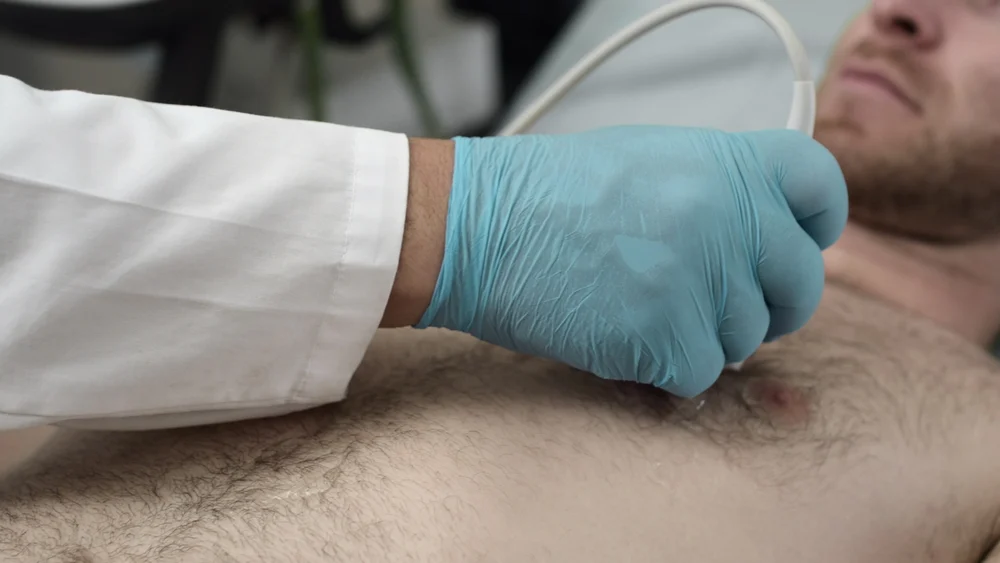
A study from the University of Chicago, published in the Journal of Perinatology, suggests that lung ultrasound (LUS) scores could provide the clinical clarity needed to make these high-stakes decisions. The researchers observed 45 VLBW infants, tracking 53 separate extubation attempts. LUS was performed three to six hours before each attempt, providing a real-time "map" of lung aeration.
Data-Driven Outcomes
The findings demonstrated that a neonatal-adapted LUS score serves as an excellent predictor of extubation success. Notably, the study also clarified the role of common pharmacological interventions; the data revealed that dexamethasone treatment, often used to reduce inflammation in preterm lungs, was not associated with lower (better) LUS scores, providing important guidance for standardizing weaning protocols. This bedside imaging approach empowers clinicians to move away from "trial-and-error" extubation, reducing the physiological stress on vulnerable neonates.
III. Combating Over-Prescription: AI and LRTIs
The overuse of antibiotics is a global crisis contributing to the rise of multidrug-resistant organisms. In the intensive care unit (ICU), differentiating between bacterial pneumonia and other inflammatory conditions in patients with lower respiratory tract infections (LRTIs) is notoriously difficult.
The UCSF Diagnostic Model
Researchers at the University of California, San Francisco (UCSF), have unveiled a multi-modal diagnostic strategy that integrates biological markers with generative AI. The core of this model is the protein FABP4, found in lung fluid. FABP4 expression is significantly reduced in infected lung cells, acting as a "molecular red flag."
The UCSF team combined this biomarker data with a generative AI analysis of electronic medical records (EMR)—incorporating chest X-ray reports and physician clinical notes—to create a diagnostic engine. When tested on critically ill adults, the model achieved a 96% accuracy rate, significantly outperforming human clinicians.
Clinical Impact
The study, published in Nature Communications, suggests that widespread adoption of this model could reduce inappropriate antibiotic prescriptions by more than 80%. As the team works toward validating the model for broader clinical use, they are already exploring its application in the early detection of sepsis. This represents a paradigm shift: rather than relying on clinical intuition alone, physicians can use a "digital second opinion" to justify stewardship decisions, saving both the patient from unnecessary medication and the healthcare system from rising resistance rates.
IV. Chronology of Research Progress
The development of these technologies did not happen in a vacuum. The timeline of these advancements reflects a decade-long maturation of digital health:
- 2020–2022: Initial pilot studies in AI-based ECG analysis demonstrate that heart signals hold hidden "signatures" of non-cardiac diseases.
- 2023: Validation of LUS scores in pediatric settings begins, establishing the baseline for neonatal pulmonary monitoring.
- 2024: Integration of Large Language Models (LLMs) into clinical workflows gains momentum as HIPAA-compliant platforms become accessible.
- January 2026: Publication of these three landmark studies marks a milestone in the integration of AI and point-of-care diagnostics into standard hospital operations.
V. Official Responses and Future Outlook
The medical community has reacted with cautious optimism. Experts point out that while these AI models are highly accurate, the "human-in-the-loop" requirement remains paramount.
"The power of these tools lies in their ability to augment, not replace, clinical expertise," noted a spokesperson for the study authors. "In the case of COPD, the ECG becomes a gateway to testing. In the ICU, the AI becomes a filter for antibiotic stewardship."
Challenges to Implementation
Despite the promising data, several hurdles remain:
- Interoperability: Integrating these AI tools into existing EMR systems (such as Epic or Cerner) remains a significant technical challenge.
- Regulatory Hurdles: Transitioning from research validation to FDA-cleared clinical software requires rigorous long-term testing.
- Equity: Ensuring that AI models trained on specific populations—like the Mount Sinai cohort—perform accurately across diverse socioeconomic and racial demographics is a priority for the research teams.
The Road Ahead
The implications for the next decade are clear. We are entering an era of "intelligent diagnostics," where the patient’s routine data (ECGs, X-rays, and lab notes) are constantly being processed by AI models to detect diseases before symptoms become critical.
The researchers involved in these studies have already turned their eyes toward the future. The UCSF team is scaling their model to address sepsis, while the Mount Sinai researchers are investigating whether AI-interpreted ECGs can screen for other chronic diseases, such as kidney failure or endocrine disorders.
As the industry stands on the precipice of this transition, the medical profession must prepare for a future where the physician’s most valuable tool is no longer just the stethoscope, but the data-driven diagnostic dashboard. The success of these initiatives rests on the ability of healthcare systems to adopt these technologies ethically, ensuring that the promise of AI translates into improved patient outcomes across the board.
For further reading, please refer to the full papers published in eBioMedicine, the Journal of Perinatology, and Nature Communications.