



Contributing Author: Rob Malone
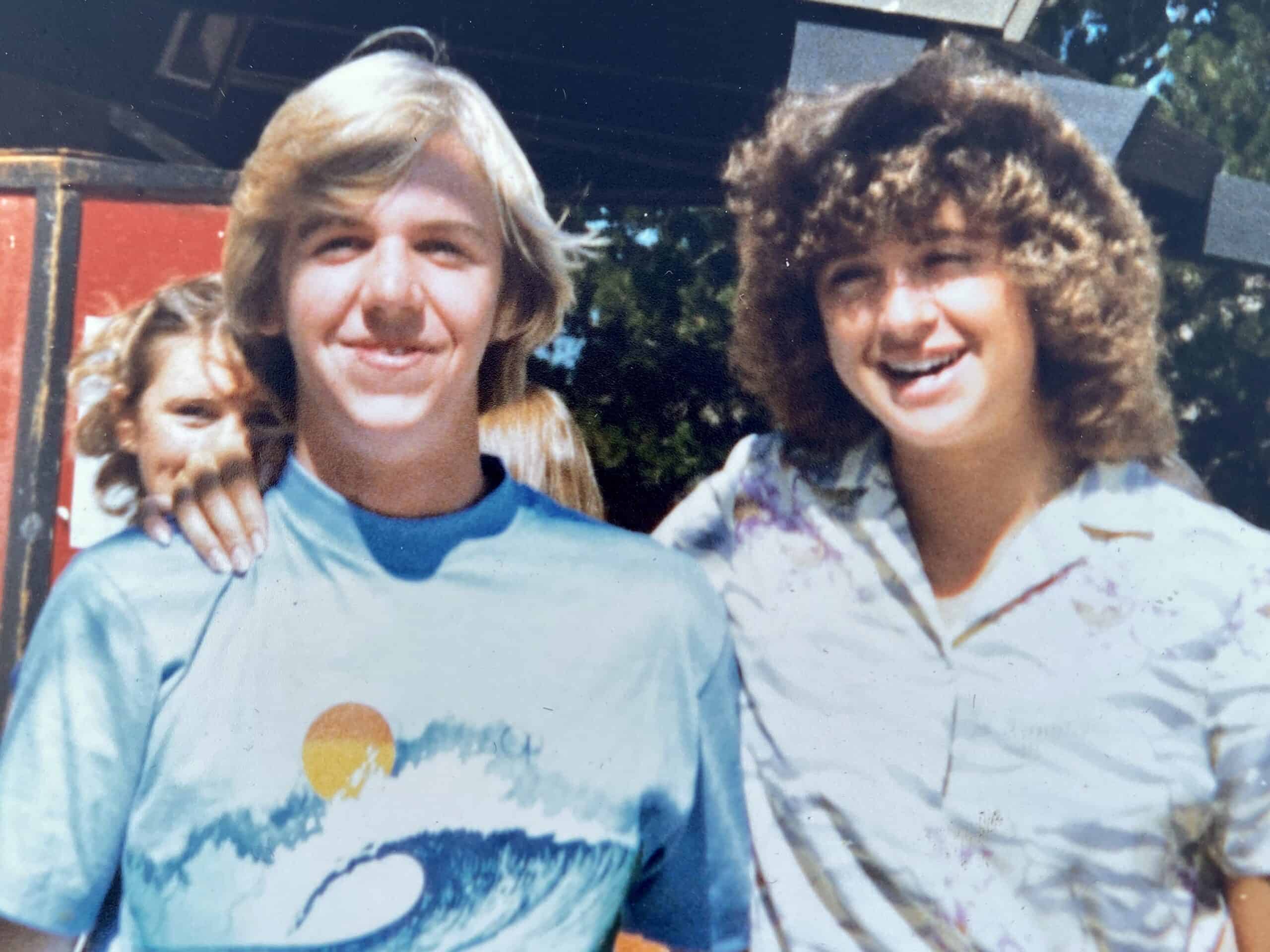
Victoria “Vicky” Ann Michelis lived her life as she navigated her final battle: with fierce tenacity, an uncompromising moral compass, and a deep-seated instinct to protect the vulnerable. She refused to let a diagnosis define her existence. Instead, she chose to be remembered for her unwavering commitment to the underdog and a spirit that rejected passivity in the face of adversity. Today, that spirit persists through the Victoria Ann Michelis Fund, a charitable engine established by her close friend Rob Malone to translate her lifelong empathy into scientific progress.
The Reality of Ovarian Cancer: A Silent, Urgent Crisis
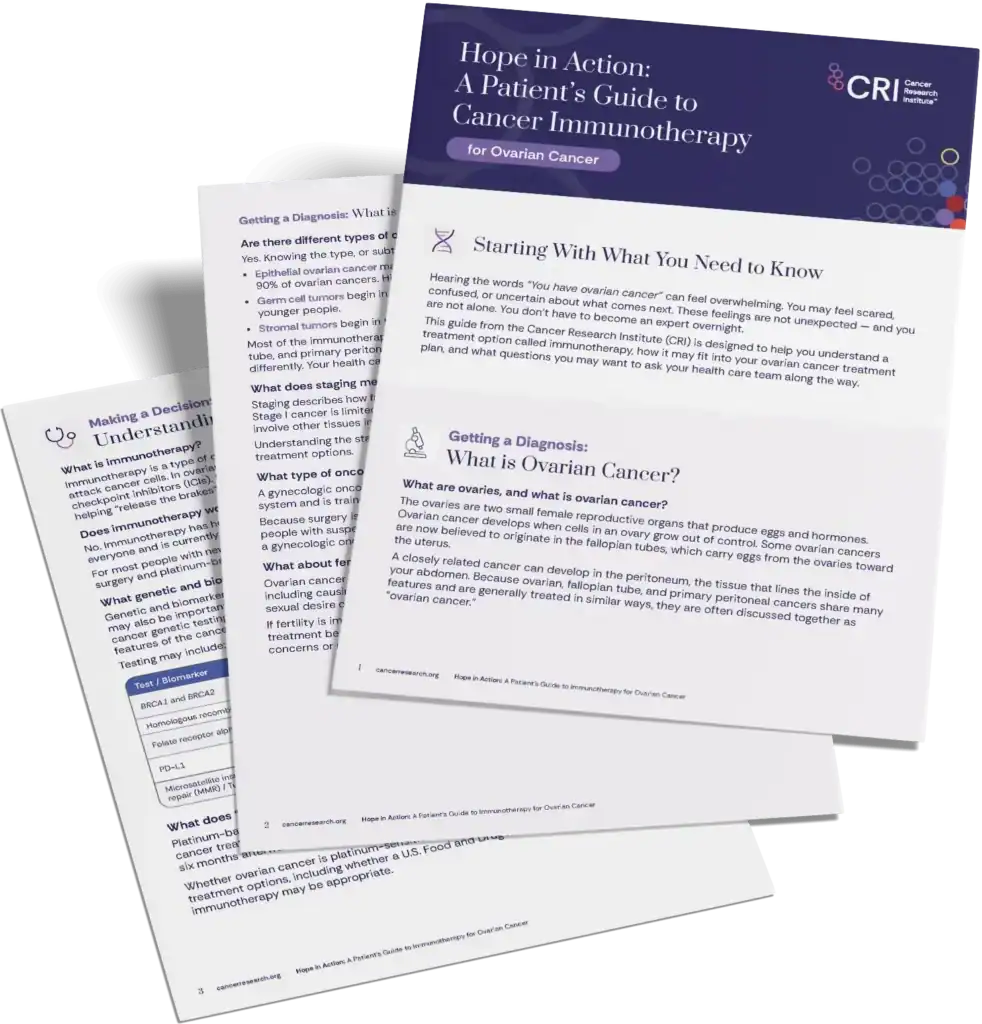
To understand the necessity of the Victoria Ann Michelis Fund, one must first confront the sobering reality of the disease that claimed her life. Ovarian cancer remains one of the most formidable challenges in modern oncology. Anatomically, the disease originates in the ovaries—the primary female reproductive organs responsible for egg production and hormonal balance. However, contemporary research has refined our understanding, suggesting that many of these cancers actually arise from the fallopian tubes or the peritoneum, the protective lining of the abdominal cavity.
The lethality of ovarian cancer is largely attributed to its clinical presentation. Symptoms are frequently subtle, mimicking common digestive or hormonal issues, which leads to late-stage detection in a vast majority of patients. By the time a diagnosis is reached, the cancer has often metastasized, severely limiting treatment efficacy.
The global impact is staggering. In 2024 alone, approximately 331,000 women worldwide were diagnosed with ovarian cancer, with mortality rates exceeding 200,000. Within the United States, the burden remains significant; health experts estimate that 2026 will see roughly 21,010 new cases and 12,450 deaths. These figures represent not just data, but thousands of lives cut short, underscoring the desperate need for the innovation that the Victoria Ann Michelis Fund seeks to catalyze.
A Life Defined by Advocacy
Vicky’s path was never ordinary. Throughout her professional and personal life, she gravitated toward those society often overlooked. Rob Malone, who witnessed her character firsthand, notes that her empathy was not performative; it was an innate trait.
“Through the years, she worked at many different jobs, all of them oriented around interacting with people,” says Malone. “One thing that was characteristic of every one of her interactions is that if you were a ‘bigwig’ and too impressed with yourself, she had very little regard for you. If you were a small person who was struggling, she was all about you.”
This advocacy defined her existence. When she began experiencing symptoms of hypercalcemia—an elevated level of calcium in the blood—she was diagnosed with small cell carcinoma of the ovary, hypercalcemic type. It is a rare, aggressive, and unforgiving form of the disease. Rather than retreating, Vicky pivoted to the role of a researcher. She scrutinized her options, challenged the status quo of her treatment protocols, and became an aggressive advocate for her own medical care. Yet, she remained humanly vulnerable. Malone recalls the chilling moment the reality took hold: “They said the word ‘cancer,’ and they were talking about me,” she told him, a sentiment that resonates with millions of patients worldwide.

Chronology of a Battle
Vicky’s journey with cancer was characterized by periods of cautious optimism and crushing setbacks:
- The Initial Fight: Following her diagnosis, Vicky underwent years of grueling, invasive surgical procedures and intensive chemotherapy.
- The Temporary Victory: Against the clinical odds, she reached a point where she was given the "thumbs up." She and Malone believed she had successfully navigated the storm.
- Awareness as Action: Recognizing the systemic failure in early detection, Vicky pivoted to advocacy. She launched a nonprofit organization dedicated to educating the public about ovarian cancer symptoms, ensuring that others would not face the same diagnostic delays she endured.
- The Recurrence: In 2017, the cancer returned. The subsequent fight was marked by aggressive trials and exhaustive efforts to find new paths to remission.
- The Enduring Legacy: Vicky passed away in 2020. However, she left behind a meticulously planned estate, entrusting Malone with the responsibility of transforming her personal resources into a source of public good.
Supporting the Cutting Edge: The Victoria Ann Michelis Fund
The Victoria Ann Michelis Fund is not a passive legacy. It is an active participant in the scientific search for cures. Following specific provisions for loved ones, the bulk of Vicky’s estate was transitioned into this fund to support organizations addressing underserved children, hunger, homelessness, and, crucially, cancer research.
Malone’s partnership with the Cancer Research Institute (CRI) was a deliberate decision based on Vicky’s own frustrations. “Vicky was frustrated that she kept being put down the same old chemotherapy paths for treatment, that there wasn’t something innovative or different that could have been done,” Malone explains. “That’s why I think CRI would appeal to her, because you’re pursuing the other options.”
Scientific Implications: Reengineering the Immune System
A primary beneficiary of the fund is CRI Irvington Postdoctoral Fellow Dr. Hyung Jun Kim. His research focuses on the intersection of immunology and oncology—specifically, the manipulation of macrophages. Macrophages are immune cells that, under the right conditions, could be the key to destroying solid tumors.

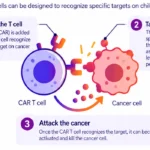
In many ovarian cancer cases, the tumor microenvironment is "cold" or immunosuppressive, effectively acting as a fortress that prevents the immune system from identifying and attacking the malignancy. Dr. Kim’s work aims to reengineer these macrophages to bypass the tumor’s defenses. By turning the body’s own immune cells into "soldiers," this research offers a pathway away from standard chemotherapy and toward targeted, immunotherapy-based interventions.
The Power of Data: The CRI Discovery Engine
Beyond individual research, the fund has made a multiyear commitment to the CRI Discovery Engine. This initiative represents a radical shift in how cancer data is managed. Historically, research data has been siloed within individual institutions. The Discovery Engine creates a unified, AI-ready data infrastructure.
For ovarian cancer researchers, this means the ability to compare findings across disparate studies, identify hidden patterns, and build upon the work of global peers with unprecedented speed. By accelerating the transition from laboratory discovery to clinical trial, the initiative aims to provide patients with what Vicky wanted most: more options and more time.
Implications for the Future of Cancer Care
The story of Victoria Ann Michelis serves as a reminder that the war against cancer is not just fought by scientists in white coats; it is sustained by the families, friends, and advocates who refuse to accept the current limitations of medical science.
The implications of the work funded by the Victoria Ann Michelis Fund are profound. By supporting both individual innovation (like Dr. Kim’s work) and systemic infrastructure (the Discovery Engine), the fund is tackling the two greatest hurdles in oncology: the biological complexity of solid tumors and the administrative barriers to rapid scientific advancement.
Vicky did not want to be defined by her illness, and through this fund, she is defined instead by her impact. Her legacy has moved beyond the boundaries of her own life, extending into the lives of people she never met and the potential for a future where ovarian cancer is no longer a death sentence.
As we look toward the future of oncology, the model established by the Victoria Ann Michelis Fund—a synergy of private philanthropy and high-impact scientific research—offers a blueprint for how communities can turn grief into a powerful, life-saving force. For those currently facing the diagnosis that once faced Vicky, this work is more than a donation; it is a promise that they are not alone in the fight, and that the "same old paths" are finally being replaced by new, brighter possibilities.