







In the landscape of modern medicine, few pharmaceutical breakthroughs have garnered as much attention as the class of drugs known as glucagon-like peptide-1 (GLP-1) receptor agonists. Medications such as Ozempic, Wegovy, Mounjaro, Zepbound, Victoza, and Trulicity have revolutionized the management of type 2 diabetes and obesity, offering patients a potent tool to regulate blood sugar and curb appetite. However, as these drugs move from clinical trials into the hands of millions, a new frontier of side-effect research is emerging—one that moves away from metabolic metrics and toward the skin, hair, and nails.
Recent findings presented at the European Academy of Dermatology and Venereology (EADV) Congress 2026 have cast a spotlight on an unexpected clinical phenomenon: a statistically significant association between GLP-1 usage and various nail and scalp disorders. As researchers peel back the layers of these anecdotal reports, the medical community is beginning to ask whether these drugs might be influencing the body’s integumentary system in ways previously unimagined.
The Core Findings: A New Diagnostic Consideration
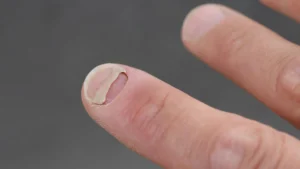
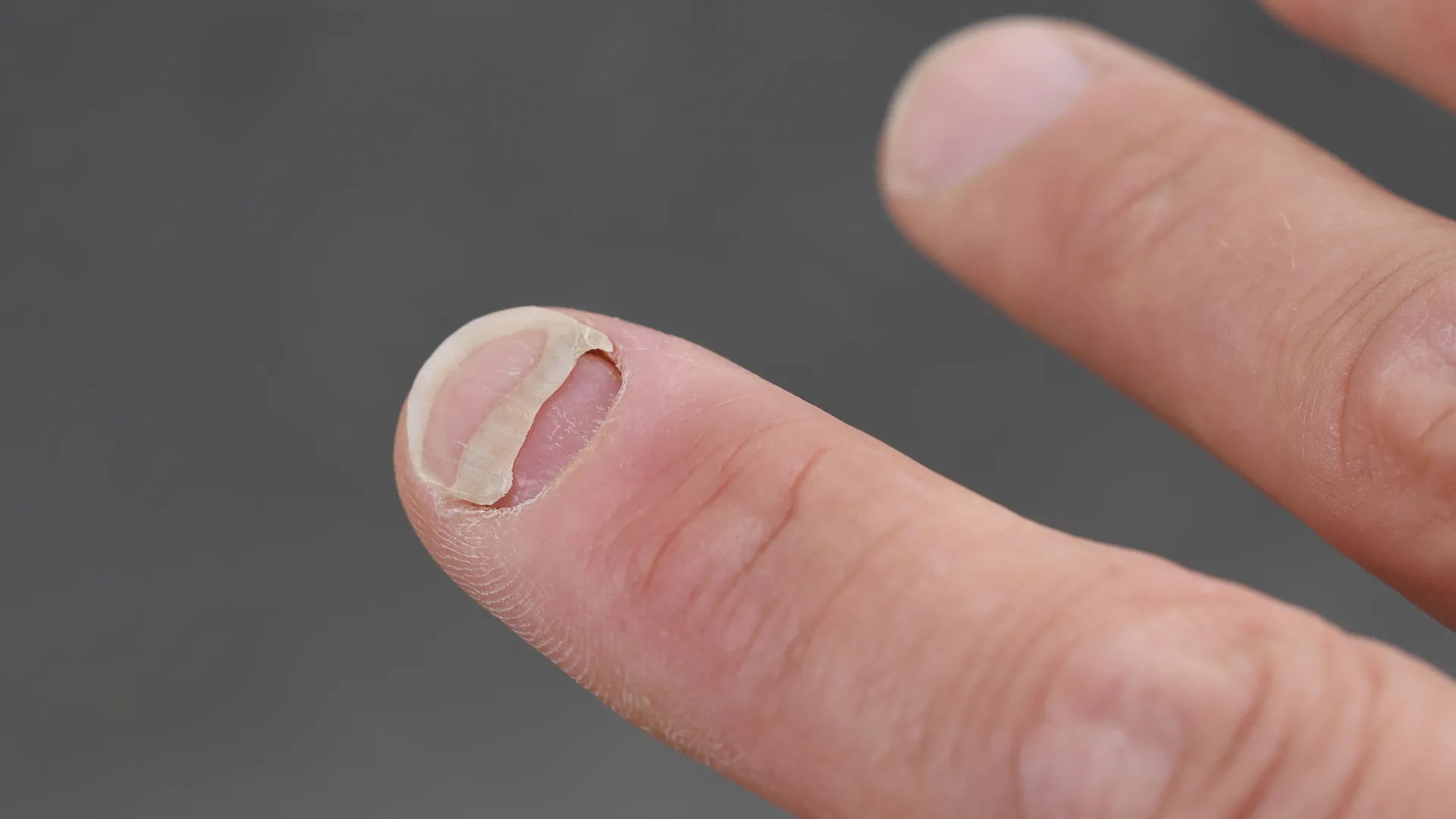
The most striking revelation from the multinational study involves the structural integrity of fingernails. Researchers discovered that users of GLP-1 receptor agonists were more than four times as likely to report onycholysis, or nail detachment—a condition characterized by the nail plate separating from the underlying nail bed.
The data, derived from a cohort of 575 GLP-1 users compared against 1,329 individuals with obesity or type 2 diabetes who had never utilized these treatments, revealed that 39% of those on the medication experienced nail detachment, compared to a baseline of just 9% in the control group. Beyond detachment, nail discoloration was also significantly more prevalent, affecting 46% of the GLP-1 cohort compared to 17% of non-users. In total, approximately two-thirds (66%) of all patients undergoing GLP-1 therapy reported at least one form of nail disorder, underscoring that these issues are far from rare outliers.
Chronology of Research: From Anecdote to Analysis
The trajectory of this research mirrors the rapid adoption of GLP-1 drugs themselves. Initially, reports of dermatological changes were categorized as "anecdotal"—isolated observations noted by primary care physicians and dermatologists during routine consultations. Patients would often report thinning hair or brittle nails, but because these patients were also undergoing significant lifestyle changes and rapid weight loss, the symptoms were frequently dismissed as secondary effects of nutritional deficiency or metabolic shock.
The 2026 EADV study marks a significant shift in methodology. Recognizing that anecdotal evidence is insufficient for clinical guidance, the research team conducted a cross-sectional study across four diverse nations: France, the United States, Brazil, and Mexico. By creating a controlled environment, the team sought to distinguish between the physiological stress of losing weight and the specific pharmacological impact of GLP-1 drugs.
The process involved:
- Recruitment: Gathering 1,904 participants with similar underlying health profiles (type 2 diabetes/obesity).
- Comparative Analysis: Sorting participants into "active" (GLP-1) and "control" (non-GLP-1) groups.
- Data Collection: Utilizing patient reports to track occurrences of hair loss, scalp inflammation, nail discoloration, and detachment.
- Adjustment: Statistically controlling for pre-existing skin conditions and known nutritional deficits to see if the medication remained an independent variable.
Even after adjusting for these variables, the link persisted, with nail detachment and discoloration remaining two to three times more common in the medication group.
Supporting Data: The Scalp and Hair Connection
The study did not limit its inquiry to the fingernails. A companion investigation into the same cohort revealed equally compelling data regarding hair and scalp health. The findings suggest that the impact of GLP-1 drugs on the body may be systemic rather than localized.
Hair Density and Shedding
Hair loss, while often associated with rapid caloric restriction, appeared to be exacerbated in the GLP-1 group. Half of the users reported unusual hair loss, compared to 34% of the control group. Furthermore, 42% of users reported a noticeable reduction in hair density or volume, nearly double the 19% observed in the non-user group. When researchers isolated cases where hair loss began after the initiation of treatment, the frequency remained twice as high for those on medication.
The Role of Inflammation
Perhaps the most significant finding was the relationship between hair loss and scalp health. The researchers found that hair shedding was rarely an isolated event; it was frequently accompanied by scalp redness, itching, or flaking. This clustering of symptoms is crucial because it points toward an inflammatory mechanism.
Dr. Bruno Halioua, one of the lead investigators, noted that the presence of these symptoms suggests the pathology may go beyond the "classical shedding" often seen in patients after significant weight loss. "Scalp inflammation was the rule rather than the exception," Halioua stated. This indicates that the body’s reaction to these drugs may trigger an inflammatory response in the skin that clinicians are currently ill-equipped to diagnose or manage.
Official Responses and Medical Implications
The medical community’s response to these findings is characterized by a balance of scientific rigor and cautionary advice. Experts stress that while the data is compelling, it is not yet causative. Because the study was cross-sectional, it provides a snapshot of an association but cannot definitively state that the medication is the direct biological cause of the reported disorders.
The "Weight Loss" Hypothesis
One of the most persistent questions is whether these issues are simply a result of rapid weight loss, which can deplete the body of essential nutrients (such as zinc, iron, or biotin) necessary for hair and nail growth. However, the study’s authors performed a subset analysis comparing only those who lost weight, regardless of whether they used GLP-1 drugs. Even within this group, the medication users continued to report significantly higher rates of dermatological issues. This suggests that while weight loss is a contributing factor, it is not the sole explanation.
Clinical Guidance
Dr. Charles Taïeb, a lead author on the nail study, emphasized the importance of perspective: "Our findings show a clear association, but they also underline an important point: not everything that happens during GLP-1 treatment is necessarily caused by the treatment itself."
The takeaway for clinicians and patients alike is as follows:
- Do Not Discontinue Treatment: Researchers explicitly advise against patients stopping their medication based on these findings alone. The benefits of GLP-1 therapy for managing chronic metabolic conditions often outweigh the cosmetic or mild dermatological side effects.
- Report Symptoms: Patients who notice changes—such as the nail separating from the bed, persistent itching, or sudden hair loss—should consult their healthcare provider.
- Monitor for Inflammation: Clinicians should look for signs of scalp inflammation (redness, flaking) rather than assuming any hair loss is simply due to rapid weight reduction.
Future Directions: What Comes Next?
While the 2026 EADV findings provide a significant step forward, they are viewed by the research team as a catalyst for more intensive investigation. To definitively establish a cause-and-effect relationship, the researchers are planning prospective studies. Unlike the current cross-sectional data, prospective studies will follow patients from the moment they are prescribed a GLP-1 medication through several months of treatment.
These upcoming trials aim to:
- Standardize Observations: Move away from self-reported symptoms toward standardized dermatological examinations.
- Biological Monitoring: Conduct blood work to track nutritional markers, inflammation levels, and hormonal fluctuations in real-time.
- Establish Chronology: Determine exactly when these symptoms appear after the start of treatment and whether they subside as the body acclimates to the drug.
The study, which received institutional support from DUCRAY Laboratories, highlights a growing need for interdisciplinary care. As weight-loss medications continue to be prescribed on a global scale, the intersection of endocrinology and dermatology will likely become a critical space for patient monitoring. For now, the message to patients is one of vigilance rather than alarm: remain observant, report changes to your physician, and continue to prioritize the long-term metabolic health benefits that these medications provide.