

The landscape of oncology is undergoing a seismic shift. For decades, the gold standard of cancer treatment was built on aggregate data—large clinical trials that determined whether a specific therapy worked for a "statistically significant" portion of the population. While this approach saved countless lives, it left a fundamental gap: the individual patient.
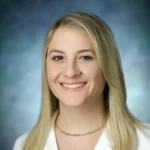
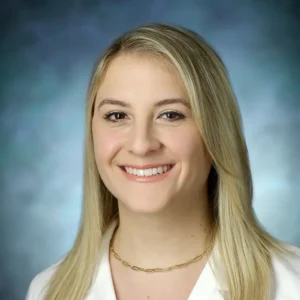
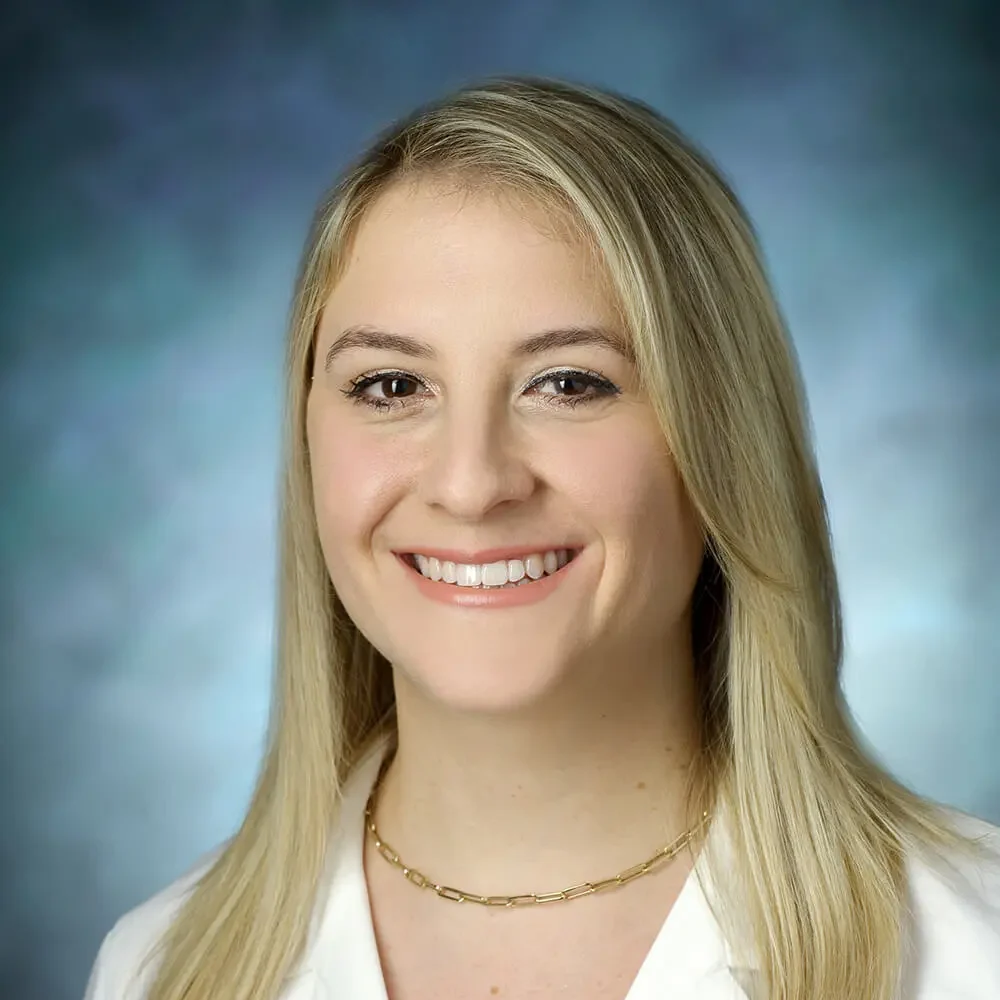
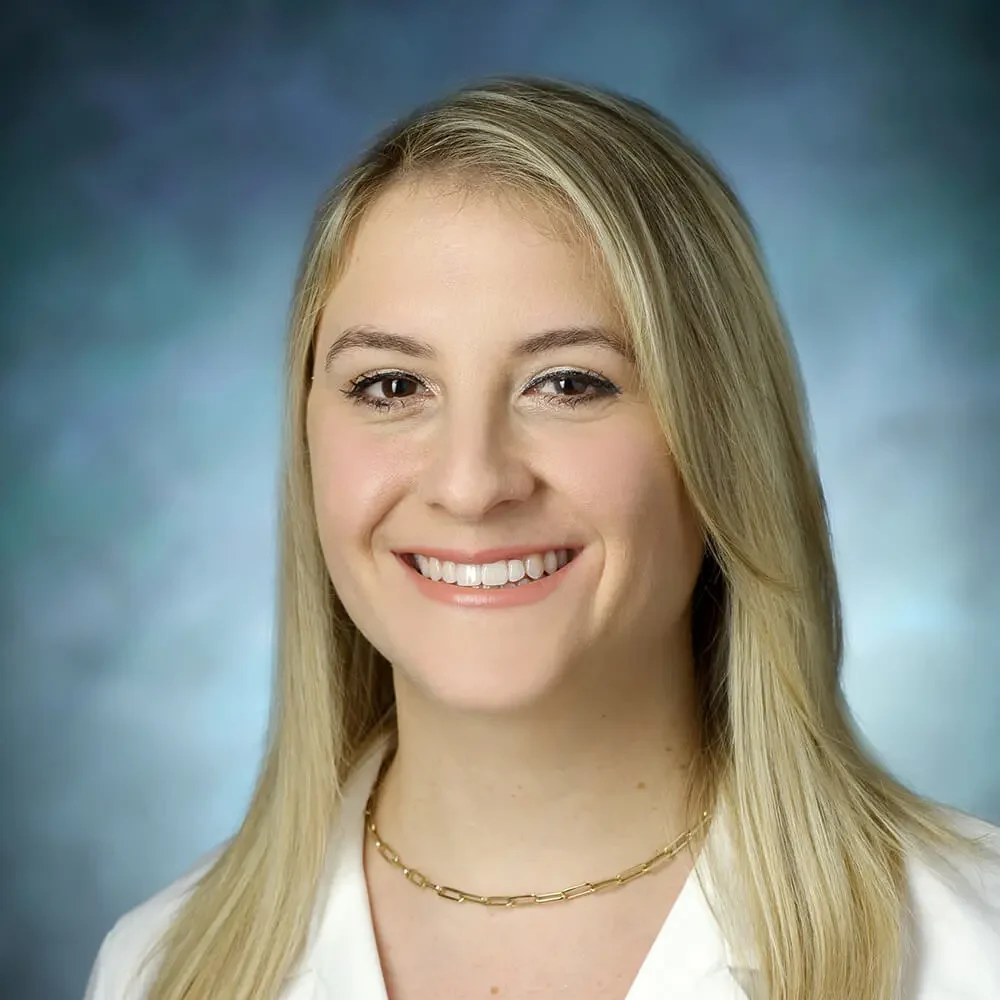
"The future is no longer about whether a therapy worked in aggregate," says Julie Deutsch, MD, a visionary physician-scientist and pathologist at Johns Hopkins University. "It’s now about whether a therapy is working for a specific patient."
Dr. Deutsch is leading a charge to bridge this gap, utilizing her unique vantage point as a pathologist to transform routine tissue samples into treasure maps for precision medicine. Supported by a prestigious Cancer Research Institute (CRI) STAR award, her work integrates traditional pathology with cutting-edge computational power, aiming to ensure that no patient is ever "flying blind" when facing a cancer diagnosis.
Main Facts: The Intersection of Pathology and AI
At the core of Dr. Deutsch’s research is a simple yet revolutionary premise: the pathology slides collected during routine biopsies contain a wealth of untapped biological intelligence. Currently, these samples are used primarily for diagnosis—determining the type and grade of a tumor. Dr. Deutsch, however, views these slides as digital data sets waiting to be decoded.
By applying machine learning algorithms to these samples, Dr. Deutsch is developing a new generation of tissue-based biomarkers. These markers aim to do three critical things:
- Predictive Analytics: Identify how an individual patient will respond to specific immunotherapies or targeted treatments.
- Resistance Monitoring: Detect early signs of treatment resistance, allowing clinicians to pivot strategies before a patient experiences unnecessary toxicity.
- Clinical Utility: Ensure that these diagnostic tools are scalable and implementable in real-world clinical settings, not just in ivory-tower research labs.
Chronology: A Path to Precision
Dr. Deutsch’s trajectory from clinical pathologist to innovator was not a straight line. Her journey reflects the evolving nature of 21st-century medicine, where the boundaries between biology and computer science are increasingly blurred.
- The Foundational Years: During her residency and early career as a pathologist, Dr. Deutsch spent thousands of hours peering through a microscope. She began to notice the vast heterogeneity within tumor samples—differences that standard diagnostic reporting often ignored.
- The Realization: She recognized that the qualitative "gut feeling" of an experienced pathologist, while valuable, needed to be augmented by quantitative, objective data to truly move the needle on patient outcomes.
- The Computational Shift: Recognizing the limitations of manual interpretation, she began collaborating with computational biologists. This pivot was transformative, allowing her to integrate machine learning into her workflow—a tool she initially never envisioned using in her practice.
- The CRI STAR Award (2026): The receipt of the Cancer Research Institute’s STAR (Scientists Taking Action for Research) award provided the financial and institutional freedom necessary to accelerate her research. This award marked the transition from exploratory science to a focused, implementation-heavy research program.
Supporting Data: Why Implementation Matters
The central challenge in modern oncology is not merely the discovery of biomarkers, but their "translational gap." Thousands of biomarkers are identified in laboratories every year, yet very few make it to the bedside.
The Problem of "The Best Biomarker"
Dr. Deutsch emphasizes a sobering reality: "You can have the best biomarker in the world, but if it doesn’t get to patients and doesn’t help them in real time, then it’s useless."
Current challenges include:
- Technological Silos: Many novel diagnostics require specialized equipment available only at elite academic centers.
- Time Delays: Complex genomic sequencing can take weeks, while a patient’s disease may progress in days.
- The "Black Box" Effect: Many AI-driven models lack the interpretability that clinicians require to make high-stakes, life-altering decisions.
Dr. Deutsch’s research addresses these barriers by focusing on practicality. By using existing, routinely collected tissue samples, her methods aim to integrate into current hospital workflows without requiring new, invasive procedures or excessive wait times. Her goal is to bring precision oncology to the community hospital level, democratizing access to high-quality care.
Official Perspectives: The Value of Flexible Funding
The CRI STAR award is designed specifically to solve the "funding trap" that many early-career researchers face. Traditional grant mechanisms often require researchers to propose a rigid, linear path with predictable outcomes. This, however, is the antithesis of the scientific method, which thrives on the unexpected.
"The ability to be in the right space and have access to samples and come up with new ideas, and that ability to sort of adapt in real time to the changing needs of science and of medicine is really amazing," Dr. Deutsch notes.
The Cancer Research Institute’s support represents a strategic investment in the person rather than the project. This flexibility allowed Dr. Deutsch to pivot toward machine learning—a move that would have been difficult to justify under more restrictive funding mandates. For an early-stage investigator, this autonomy is the difference between a stalled career and a breakthrough.
Implications: The Future of Patient-Centered Care
The ultimate goal of Dr. Deutsch’s work is to fundamentally change the patient-physician conversation. When a patient sits down to discuss treatment, the options are often overwhelming.
"You don’t want to expose patients to a therapy that they’re not going to benefit from, and they’re just going to have toxicity," Dr. Deutsch explains. "Really trying to match the right patient with the right therapy is so critically important."
A Paradigm Shift in Treatment Decisions
- Reduced Toxicity: By identifying "non-responders" early through biomarker profiling, patients can be spared the debilitating side effects of therapies that have no chance of success in their specific case.
- Improved Survival: Conversely, identifying those who are highly likely to respond allows clinicians to be more aggressive with promising, high-impact treatments.
- Standardization of Care: By creating scalable tools, the "standard of care" is elevated across the board, ensuring that a patient in a rural community has access to the same precision-based insights as a patient in a major medical hub.
The "Non-Negotiable" Standard
Dr. Deutsch’s philosophy is anchored in a deep sense of moral urgency. In her view, operating without the best possible data is a systemic failure. "Without that information, you’re sort of just flying blind," she asserts. "And that’s not good enough for patients."
As the field of oncology continues to grow in complexity, the role of the pathologist is evolving from a quiet observer of disease to an active architect of treatment strategy. Through her blend of human expertise and computational precision, Dr. Deutsch is not just studying cancer; she is dismantling the barriers to effective, personalized, and humane treatment.
The future of cancer research is here, and it is being written one slide, one patient, and one breakthrough at a time. Through the continued support of organizations like the CRI, the work of innovators like Dr. Julie Deutsch provides a beacon of hope for a future where cancer care is as unique as the patients themselves.